Scotland Leading the Global Shift Toward Sustainable and Ethical Fashion

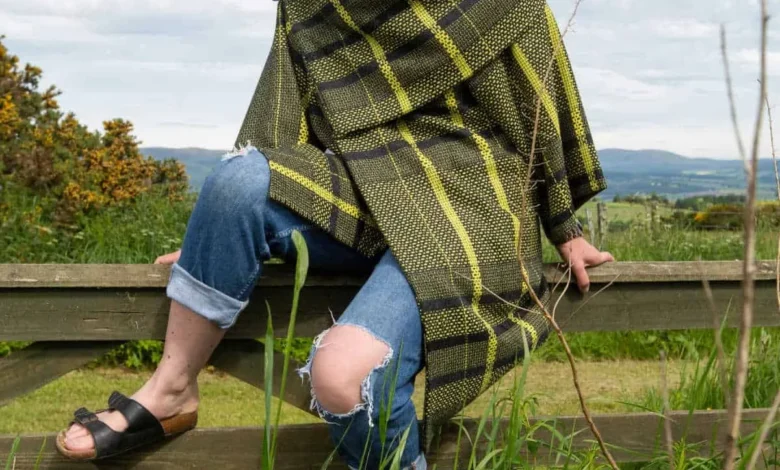
Scotland’s rich textile heritage, traditionally defined by rugged woolens, heritage tartans, and world-renowned cashmere, is undergoing a profound contemporary renaissance. Despite its modest population of approximately 5.4 million people, the nation has emerged as a vanguard in the global movement against fast fashion. Moving away from the ecological degradation, excessive waste, and opaque supply chains characteristic of mass-market apparel, eleven pioneering Scottish brands are establishing a new benchmark for corporate responsibility. These enterprises demonstrate that commercial viability, artisanal craftsmanship, and uncompromising environmental stewardship can coexist.

The Urgency of Sustainable Transformation in Modern Apparel
To understand the significance of Scotland’s sustainable fashion sector, one must examine the broader environmental crisis plaguing the global textile industry. According to industry analyses, the fast fashion sector accounts for approximately ten percent of global carbon emissions—surpassing all international flights and maritime shipping combined—while consuming trillions of gallons of water and releasing half a million tons of synthetic microfibers into the world’s oceans annually. Furthermore, traditional linear manufacturing models rely on a "take-make-dispose" philosophy that sends millions of garments to landfills each year, many containing non-biodegradable synthetic blends.

In contrast, the Scottish sustainable fashion movement operates on principles of circularity, localized supply chains, and zero-waste design. By prioritizing natural fibers, renewable energy sources, and fair labor practices, these regional producers are actively dismantling the problematic paradigms of disposable consumerism. Industry analysts note that consumer demand for transparency has accelerated this shift, compelling brands to verify their environmental claims through rigorous third-party certifications such as B-Corp status and the Responsible Wool Standard (RWS).
Pioneering Slow Fashion and Natural Fibers

Among the established names leading this charge is Brora, a slow-fashion brand founded over three decades ago. Operating on the premise that style and sustainability must be inextricably linked, Brora constructs its collections using natural fibers—predominantly Scottish cashmere, wool, linen, and organic cotton—while strictly minimizing synthetic inputs. The brand champions local craftsmanship by partnering with skilled artisans who employ traditional techniques passed down through generations. When foreign manufacturing is required, Brora enforces a stringent code of conduct governing worker health and safety, labor welfare, and environmental impact. In 2025, these efforts were formally recognized when Brora achieved B-Corp certification, confirming its adherence to high standards of social and environmental performance, transparency, and accountability.
Similarly rooted in the preservation of natural resources is ERIBÈ Knitwear, established in 1986. Operating from the Scottish Borders, ERIBÈ utilizes exclusively 100% natural fibers, including guaranteed non-mulesed Responsible Wool Standard (RWS) merino lambswool and traditional British wool. To mitigate waste, the brand produces in smaller batches, manufactures items to order, and repurposes faulty panels by rewinding them into yarn. Furthermore, ERIBÈ has replaced conventional plastic packaging with biodegradable alternatives, aligning its operational footprint with its ecological ethos.

In the Scottish island of Orkney, Hilary Grant has cultivated a reputation for functional, weather-resistant luxury knitwear. Utilizing lambswool sourced from farms with exemplary animal welfare and progressive land management practices, the textile design studio produces scarves, hats, and mittens that are both RWS-certified and mulesing-free. Dyeing and spinning processes are localized within Scotland, utilizing environmentally friendly dyes designed to minimize ecological disruption.
Circular Economies and Zero-Waste Innovations

Beyond traditional slow fashion, several Scottish brands are redefining circularity by transforming textile waste into luxury commodities. Glasgow-based Second Cashmere champions a zero-waste economic model by salvaging discarded cashmere garments destined for landfill. Sourced primarily through UK textile recyclers, these items are professionally cleaned, reconditioned, and restored. Garments that cannot be salvaged are unraveled to create reclaimed cashmere yarns, which are subsequently utilized in original designs or provided for hand-mended repair services.
In a similar vein, Beira employs a zero-waste design philosophy by utilizing discarded surplus materials from luxury manufacturers, including fabrics, trims, zippers, and buttons. Operating on a limited-edition model, Beira provides unprecedented supply chain transparency, publishing detailed disclosures for individual items regarding artisan wages, exact manufacturing processes, and fabric origins.

Prickly Thistle, a certified B-Corp mill located in Dingwall, has revived historical Highland weaving practices through renewable energy. Utilizing century-old traditional looms, the mill produces 100% natural, plastic-free tartan textiles. To eliminate fabric waste and enhance garment longevity, Prickly Thistle avoids traditional zippers and buttons, substituting them with adjustable straps and buckles that accommodate a three-inch sizing range, thereby extending the lifecycle of each piece.
Activewear, Menswear, and Localized Manufacturing

Sustainable innovation in Scotland is not confined to knitwear and luxury accessories; it extends across technical apparel and contemporary menswear. Findra, based in the Scottish Borders, produces ethical activewear for women, ranging from cycling apparel to outdoor jackets, utilizing natural and recycled sustainable fabrics. Over half of Findra’s collection is manufactured within the United Kingdom, supplemented by international partner factories certified to rigorous labor and environmental standards.
For menswear, Edinburgh-based Kestin prioritizes local production and durability. The brand maintains a transparent supply chain, partnering exclusively with suppliers that guarantee fair wages, safe working conditions, and strong community engagement. The resulting collections emphasize timeless silhouettes designed to endure seasonal trends.

The Croft House, operating out of Peterhead, constructs classic knitwear from pure natural fibers. By sourcing all raw materials within the United Kingdom and utilizing seamless knitting techniques to eliminate waste, the brand maintains a near entirely plastic-free supply chain, offering select garments crafted from un-dyed yarns to further reduce environmental impact.
Retail and Artisanal Hubs: Urban Contributions

Urban centers continue to play a vital role in fostering sustainable fashion ecosystems. Godiva, an Edinburgh-based boutique operating near the Grassmarket for over two decades, curates a selection of vintage clothing alongside an in-house "Reworked" collection that repurposes vintage textiles into contemporary garments. By providing a platform for local independent designers, Godiva reinforces the regional circular economy.
Similarly, Totty Rocks operates an Edinburgh-based studio specializing in custom occasion wear, bridal attire, and tailored outerwear. Handcrafting each piece to order using locally sourced fabrics, the brand exemplifies the enduring appeal of bespoke slow fashion, attracting international recognition while maintaining a localized operational model.

Broader Industry Implications and Future Outlook
The collective impact of these eleven enterprises signals a structural shift within the broader fashion industry. As international regulatory bodies tighten scrutiny over greenwashing and supply chain transparency, Scotland’s sustainable fashion sector offers a replicable model for localized, circular manufacturing. By wedding heritage craftsmanship with modern ecological accountability, these brands prove that the future of fashion lies not in mass production and disposability, but in durability, transparency, and a profound respect for both people and the planet.