Australian Designer Kelli Donovan Champions Ethical Fashion, Weaving Environmental Advocacy with Heritage Craftsmanship

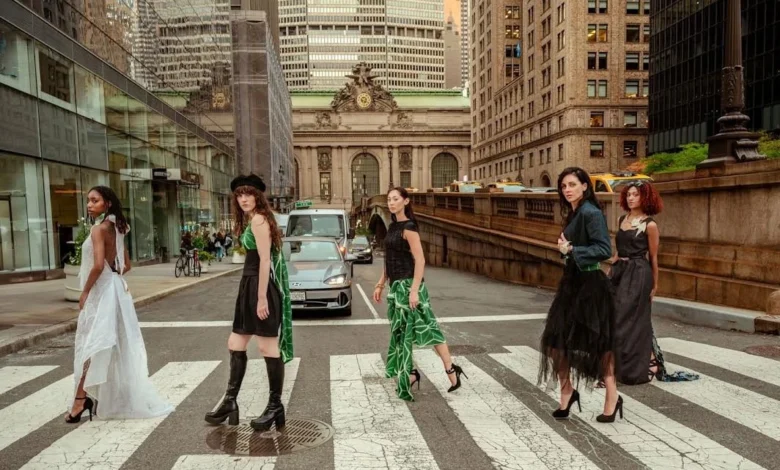
In an era increasingly defined by rapid consumption and ecological consciousness, the fashion industry faces an urgent imperative to reform its practices. Standing at the forefront of this movement is Australian designer Kelli Donovan, whose three-decade career has been a steadfast testament to sustainable design principles, deeply rooted in her Australian heritage and a profound respect for the natural world. Donovan’s journey, marked by an unwavering commitment to ethical production and timeless aesthetics, offers a compelling blueprint for the future of fashion.
Early Life and the Genesis of a Sustainable Vision
Kelli Donovan’s formative years, spent amidst the serene bush landscapes and majestic mountains surrounding Canberra, Australia’s capital, instilled in her a deep reverence for nature. This close connection to the environment became a foundational pillar of her artistic and professional philosophy. While many designers draw inspiration from urban dynamism or global trends, Donovan’s muse has always been the Australian landscape itself—its unique colours, textures, and enduring spirit. "Growing up in the bush capital of Australia, Canberra, gave me a close connection to our natural environment," Donovan shared, reflecting on how the city’s proximity to wilderness fostered a culture of outdoor activity and an appreciation for the natural world. Her childhood, filled with bushwalking and camping, coupled with a family immersed in creative arts, cultivated a worldview that saw inherent beauty in her surroundings, especially in nature.
This intimate bond with the environment soon contrasted sharply with the burgeoning realities of the global fashion industry. Donovan witnessed firsthand the unsustainable processes—the disregard for environmental impact, the exploitation of resources, and the generation of vast amounts of waste—that characterised conventional clothing production. This stark discrepancy ignited a passion within her to forge a different path. Driven by a desire to challenge the industry’s destructive norms, she embarked on creating a fashion brand predicated on timeless, chic designs crafted from high-quality, sustainable materials, all underpinned by an ethical approach to every stage of production. Her brand became an embodiment of the belief that fashion could, and should, coexist harmoniously with the planet.
The Enduring Influence of Heritage and Craft
Beyond the Australian landscape, another profound influence shaped Donovan’s dedication to quality and purpose: her grandmother, Annie Muir. A Scottish tailor from Glasgow, Muir passed away when Donovan was just 11, yet her legacy of meticulous craftsmanship and thoughtful creation left an indelible mark. Donovan fondly recalls her grandmother teaching her handicrafts, instilling a philosophy that every stitch must be meaningful and purposeful. "There is no point wasting her time and skills on a piece of cheap cloth and making something beautiful," Muir would often say, a principle that guided her exclusive use of the finest textiles for her tailored pieces. This early lesson in valuing materials and investing skill into durable, well-made garments became a cornerstone of Donovan’s design ethos. It laid the groundwork for her rejection of transient trends and her embrace of longevity in fashion, echoing a sentiment that quality endures long after fleeting fads fade. This ancestral wisdom, combined with her environmental awareness, solidified Donovan’s commitment to creating garments that are not only beautiful but also built to last, honouring both the maker and the planet.
The Evolution of Sustainable Fashion: A Broader Context
Kelli Donovan’s journey began long before "sustainability" became a mainstream buzzword in fashion. For decades, the industry operated largely unchecked, with devastating environmental consequences. The rise of "fast fashion" in the late 20th and early 21st centuries exacerbated these issues, prioritising speed, volume, and low cost over quality and ethical production. This model, driven by rapidly changing trends and inexpensive garments, has led to staggering levels of waste. Annually, the fashion industry is responsible for significant portions of global carbon emissions, water pollution, and textile waste, with an estimated 92 million tonnes of textile waste generated globally each year, much of which ends up in landfills or incinerators. The production of a single cotton T-shirt, for example, can require up to 2,700 litres of water – enough drinking water for one person for 2.5 years.
However, in recent years, a growing global awareness of climate change and social injustice has catalysed a significant shift in consumer behaviour and industry practices. Sustainability has transitioned from a niche concern to a critical imperative. Consumers, particularly younger generations, are increasingly scrutinising the environmental and social footprint of their purchases, demanding transparency and accountability from brands. Data from various market research firms indicates a consistent rise in consumer preference for sustainable products, with many willing to pay a premium for ethically produced goods. This evolving landscape provides both challenges and opportunities for designers like Kelli Donovan, whose three decades of experience offer invaluable insights into navigating this complex terrain.
Collections as Statements: Art, Advocacy, and Education
Donovan’s collections are not merely aesthetic expressions; they are potent statements on environmental advocacy, each meticulously crafted to educate and inspire action.
"Sleeping Beauties" – A Quiet Protest Against Oversupply:
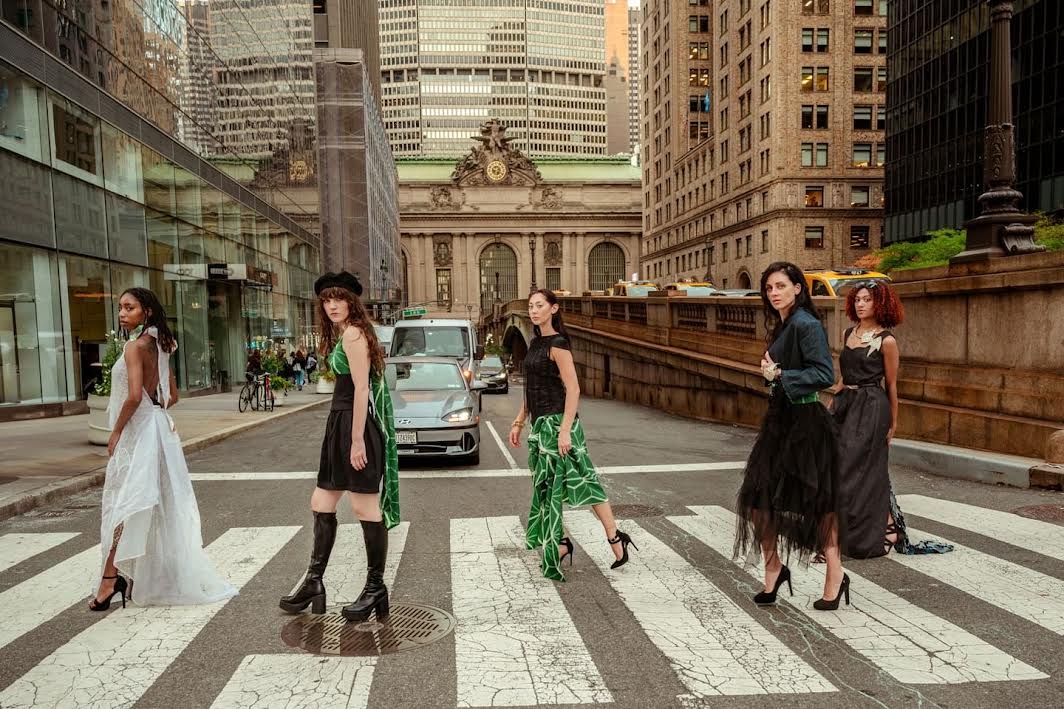
The "Sleeping Beauties" collection, a serendipitous namesake with the 2024 Met Museum costume exhibit, predates the exhibition and carries a distinct, profound message. Donovan’s inspiration for this collection stemmed "purely from an environmental stance and to make a statement about clothing production and oversupply." Unlike the Met exhibit’s focus on historical garments, Donovan’s "Sleeping Beauties" speaks to the vast quantities of unsold, unworn clothing that languish in warehouses, destined for landfills. This collection serves as a quiet yet powerful critique of the industry’s relentless cycle of overproduction and consumption. By highlighting the beauty and potential of garments that might otherwise be forgotten or discarded, Donovan champions a slower, more thoughtful approach to fashion, urging consumers and designers alike to consider the inherent value and lifespan of each piece. This aligns with circular economy principles, advocating for reducing waste and maximising resource utility.
The "Manta Ray" Collection – A Call for Ocean Conservation:
Perhaps one of Donovan’s most poignant collections is the "Manta Ray" series, a direct response to the urgent crisis of ocean pollution. This collection was "inspired by the people who work around saving our oceans and reducing textile and plastic waste from the oceans and ecosystems," as well as by the majestic giant manta rays found in Australian and global waters. These gentle giants, known for their grace and their role as filter feeders, embody a harmonious existence within their environment, harming neither it nor its inhabitants.
Donovan drew a stark parallel between the manta ray’s benign presence and the destructive impact of "ultra-fast fashion." The industry’s mass production, reliance on synthetic fabrics like polyester, and the resulting textile and plastic waste are major contributors to ocean pollution, with microplastics from synthetic garments entering waterways and oceans globally. The "Manta Ray" collection, therefore, serves as an educational tool, designed to "educate the viewer about the bigger issue at hand and how we can all make small differences in our clothing purchases." By consciously choosing durable, natural, or recycled materials, and opting for longevity over fleeting trends, consumers can significantly reduce their environmental footprint. This collection not only celebrates the beauty of marine life but also galvanises collective action against the ecological devastation wrought by unsustainable fashion practices.
Advice for the Next Generation of Designers
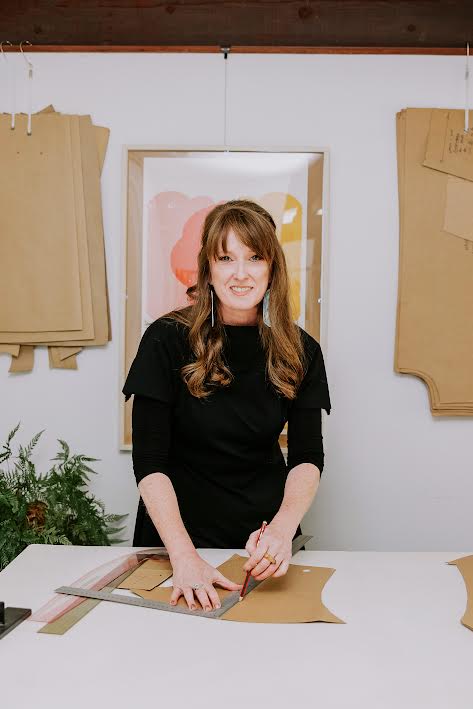
With 30 years of experience navigating the complexities of the fashion industry, Kelli Donovan offers invaluable counsel to young designers aspiring to enter the sustainable fashion realm. Her advice is pragmatic yet empowering: "I would definitely say to them to give it their best shot and be as creative and inventive as they can in the early years. The more they learn to experiment with design, textiles and waste their design aesthetic will be stronger. Try not to follow trends but find their unique super power."
This statement underscores several critical elements for success in sustainable design. Firstly, experimentation is paramount. The field of sustainable materials and production methods is constantly evolving, requiring designers to push boundaries and innovate. This could involve exploring biomaterials, zero-waste pattern cutting, upcycling techniques, or advanced recycling processes. Secondly, the emphasis on developing a "unique superpower" encourages authenticity and differentiation. In a saturated market, designers who cultivate a distinct voice and aesthetic, rather than merely replicating trends, are more likely to create lasting impact. This individuality is particularly crucial in sustainable fashion, where a strong brand narrative and genuine commitment to values resonate deeply with conscious consumers. Donovan’s advice implicitly advocates for designers to become problem-solvers, viewing waste not as an end product but as a potential resource, and design not as an isolated act but as a holistic process with environmental and social ramifications.
Broader Impact and Implications for the Industry
Kelli Donovan’s pioneering work extends far beyond her individual collections; it offers a compelling model for systemic change within the fashion industry. Her approach encourages a fundamental shift in mindset, both for consumers and for emerging designers.
For consumers, Donovan’s philosophy champions mindful consumption. In a world inundated with choices, her brand advocates for considering the provenance of garments, the materials used, and the ethical conditions of their production. This aligns with a broader societal movement towards conscious consumerism, where purchasing decisions are increasingly guided by ethical and environmental considerations. By highlighting the destructive impacts of impulsive, quantity-driven shopping, Donovan empowers consumers to make informed choices that support a healthier planet and fairer labour practices.
For aspiring fashion designers and established labels alike, Donovan’s career serves as a powerful source of inspiration and a practical guide. Her commitment to zero-waste design, the exclusive use of sustainable materials, and the emphasis on designing for longevity are not merely ideals but actionable strategies. Zero-waste design minimises textile waste during the cutting and construction phases, often requiring innovative pattern-making techniques. Utilising sustainable materials—such as organic cotton, recycled polyester, Tencel, hemp, or innovative bio-based fabrics—reduces the environmental footprint associated with raw material extraction and processing. Designing for longevity, through durable construction and timeless aesthetics, counteracts the fast fashion cycle by encouraging consumers to keep garments for longer, thereby reducing overall consumption and waste.
The cumulative effect of designers like Donovan is a gradual but significant reshaping of the industry landscape. While challenges remain—including the higher cost of sustainable materials, the complexities of ethical supply chains, and the ongoing battle against greenwashing—the momentum towards sustainability is undeniable. Brands that fail to adapt risk losing relevance with an increasingly informed and ethically driven consumer base. Donovan, with her steadfast vision and three decades of dedicated practice, stands as a testament to the fact that fashion can indeed be a force for good, a creative endeavour that honours both human ingenuity and the planet’s delicate ecosystems. As the fashion industry continues its complex transition, pioneers like Kelli Donovan illuminate the path forward, demonstrating that beauty, quality, and ethical responsibility are not mutually exclusive but inextricably linked in the creation of truly meaningful and sustainable style.