Maastricht, Netherlands – The vibrant and forward-thinking FASHIONCLASH Festival is set to return to the historic city of Maastricht from November 13th to 15th, 2026, marking its 18th iteration. This internationally recognized, multidisciplinary fashion event has consistently championed a new generation of designers, artists, and performers, drawing talent from across the Netherlands and beyond. For three immersive days, various iconic locations throughout Maastricht will transform into dynamic hubs for creative expression, showcasing a diverse program that extends far beyond traditional fashion presentations.
Established in 2009, FASHIONCLASH has grown from a local initiative into a significant international platform for emerging creative talent. Its core mission remains to provide visibility and support for young designers and artists who are pushing the boundaries of fashion and related disciplines. The festival’s commitment to diversity and innovation has solidified its reputation as a crucial event for discovering the future of fashion and creative industries. This year’s edition promises to continue this legacy, offering a comprehensive program designed to engage, inspire, and provoke thought.
A Multifaceted Program for Emerging Creatives
The 2026 FASHIONCLASH Festival will unfold over three days, presenting a rich tapestry of events including captivating performances, thought-provoking exhibitions, avant-garde fashion shows, compelling film screenings, insightful workshops, engaging talks, and interactive participatory projects. Attendees can expect to encounter the work of over 100 emerging talents hailing from more than 25 countries, each bringing a unique perspective and innovative approach to the festival.
A particular highlight of the festival is the "Clash House" fashion performance program. Scheduled for Saturday, November 14th, at the striking Peutzhal within ENCI, this segment will feature ten selected designers presenting their collections in dynamic performance art form. This innovative approach allows for a more immersive and experiential engagement with the designers’ creative visions, moving beyond the conventional runway. The participating designers for this year’s Clash House include Nouka Rous, Paco Teepe, Isa Hazelager, Anna Strengers, Emma Magermans, Larissa de Jager, Dies van Herk, Amy Pratt, Aron Saxe Lydon, and Soojeong Lee. Demonstrating its commitment to fostering talent, the Meester Koetsier Foundation will award a substantial grant of €2,500 to one of these promising designers, providing crucial financial support for their continued creative endeavors.
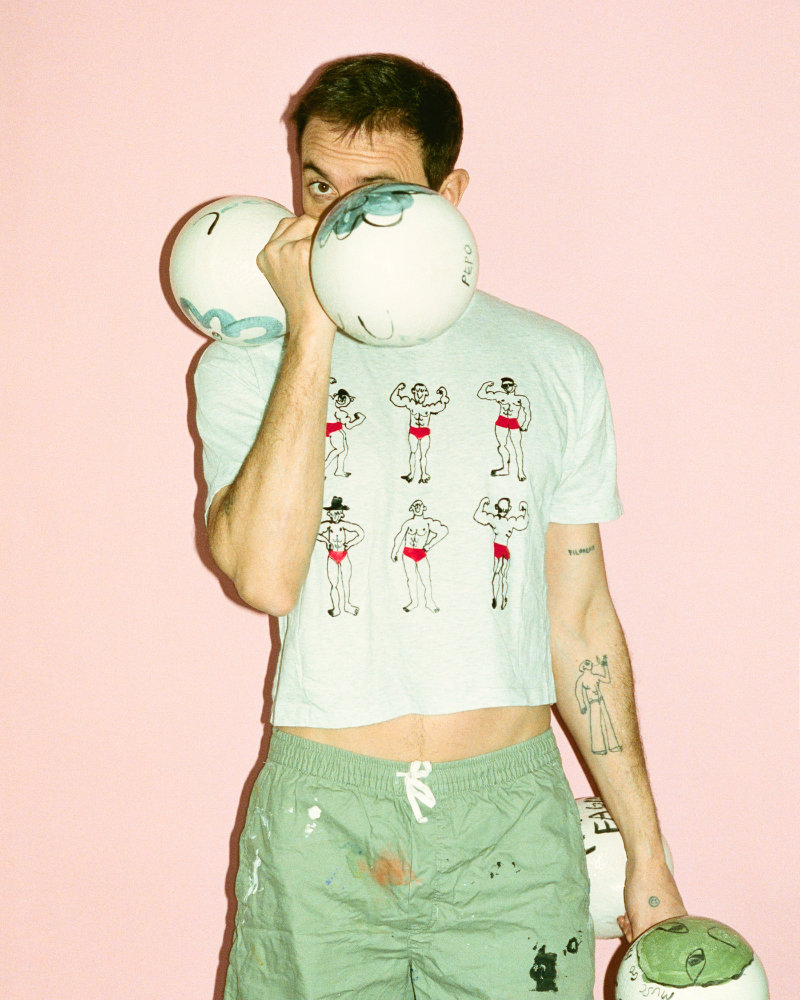
"New Fashion Narratives": Challenging the Status Quo
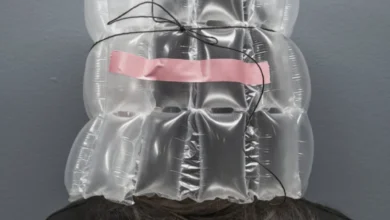
Another significant element of the festival is the exhibition titled "New Fashion Narratives." This carefully curated exhibition is under the stewardship of a distinguished curatorial team: Jamal Nxedlana, Karmen Samson, Welmoed Bosch, and Agatha Prieto Jeanty. The conceptual framework for the exhibition, aptly titled "Fleshy, slimy, wobbly," is designed to spotlight works that defy easy categorization and resist conventional definitions. It actively seeks out creative outputs that are fluid, mutable, and embrace ambiguity, challenging the rigid structures often imposed by the fashion industry.
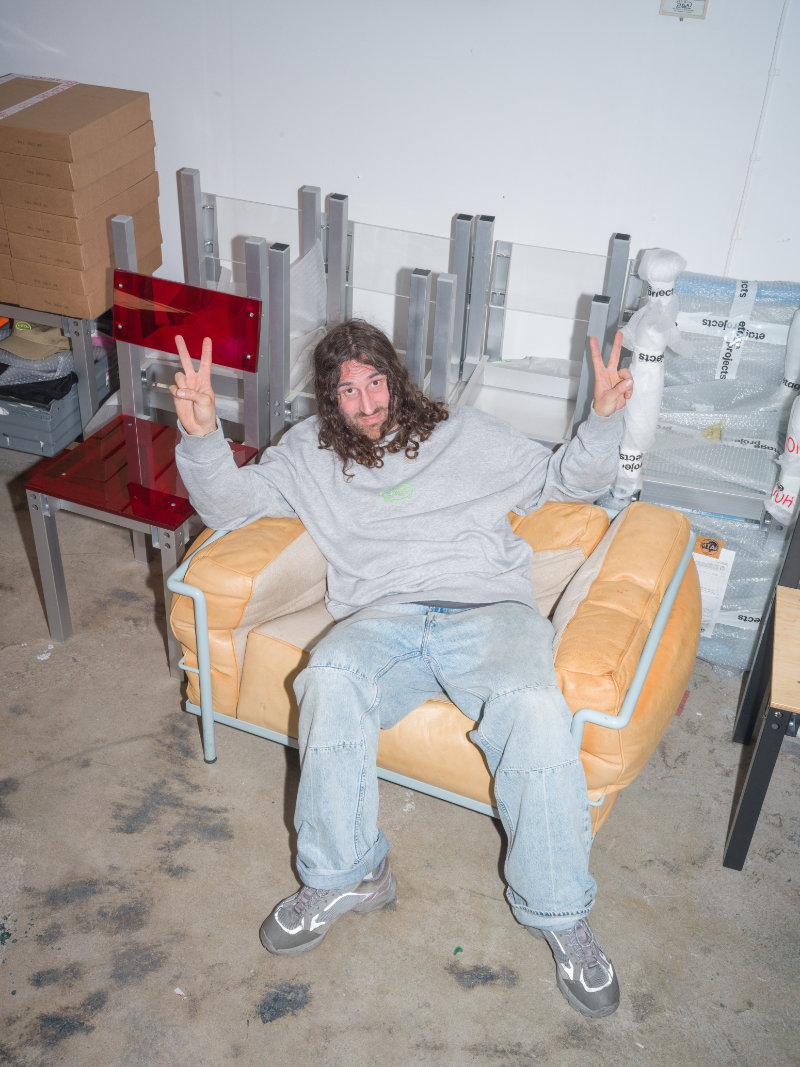
The curatorial team developed this concept during a dedicated Residency Week in April 2026. Their objective was to create a space that actively questions and disrupts the dominant systems within the fashion landscape, making room for practices that fluidly navigate multiple forms and disciplines. "Fleshy, slimy, wobbly" aims to reveal the often-unruly, unconventional, and experimental side of fashion, serving as a tribute to creative expressions that refuse to be neatly framed or confined. This exhibition promises to be a focal point for critical discourse on the future of fashion and its role in society.
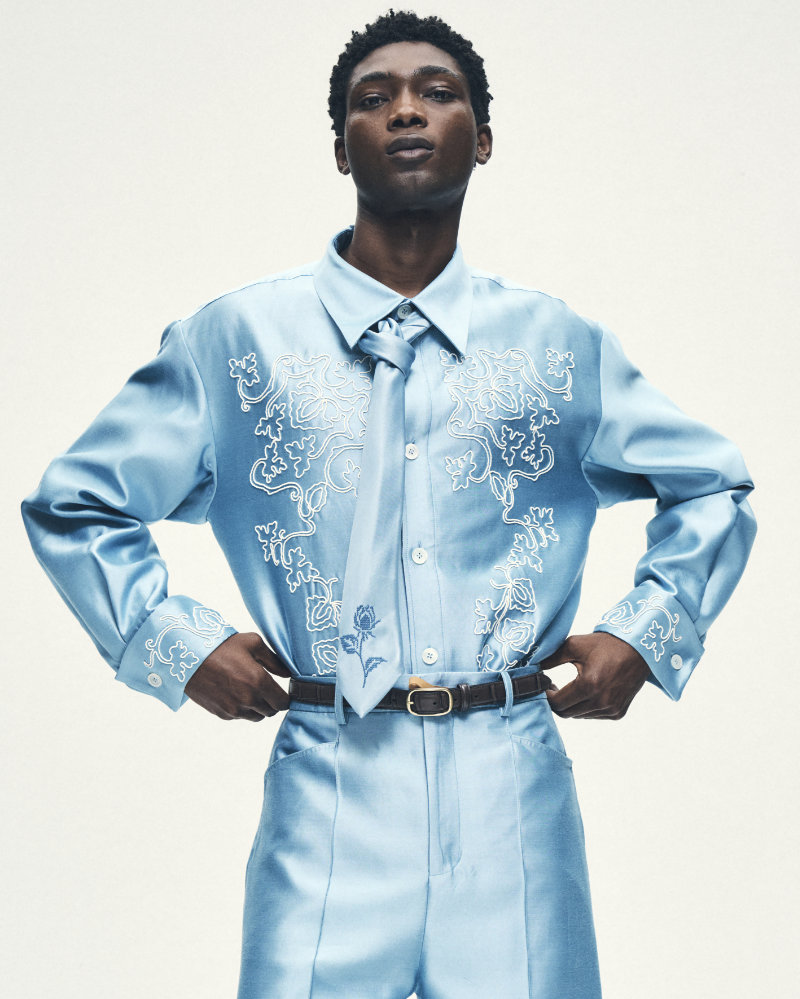
Campaign Artistry by Hashim Nasr
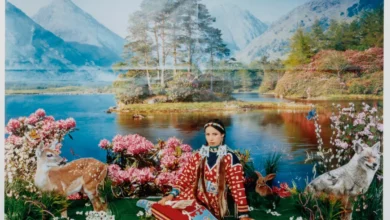
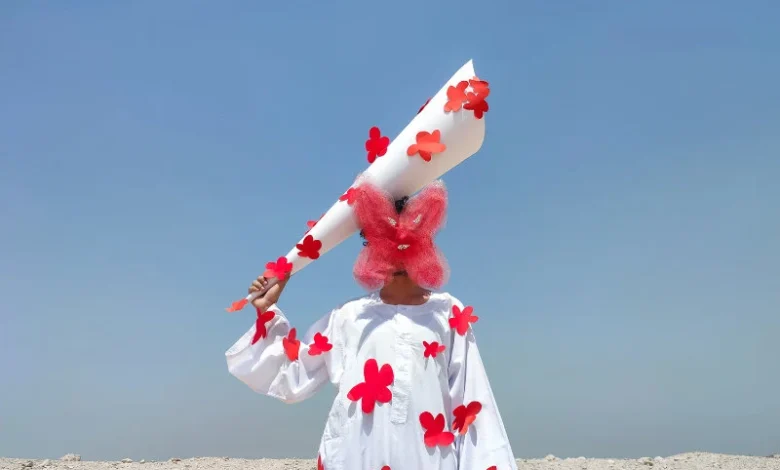
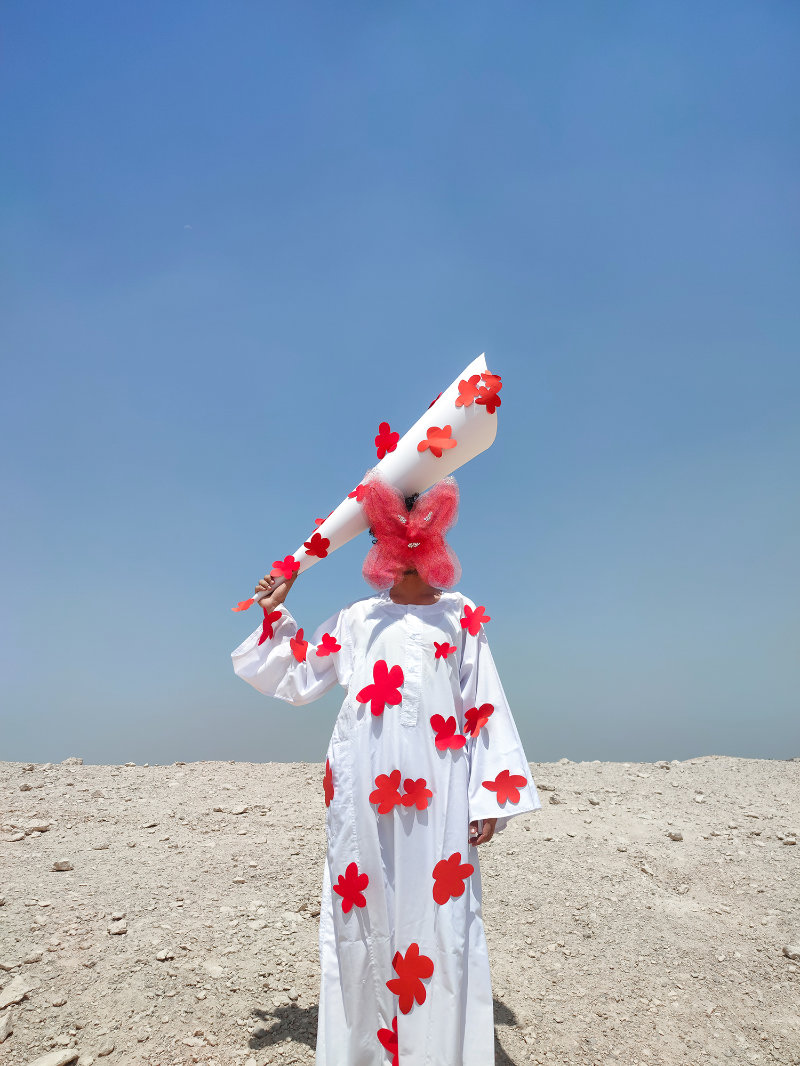
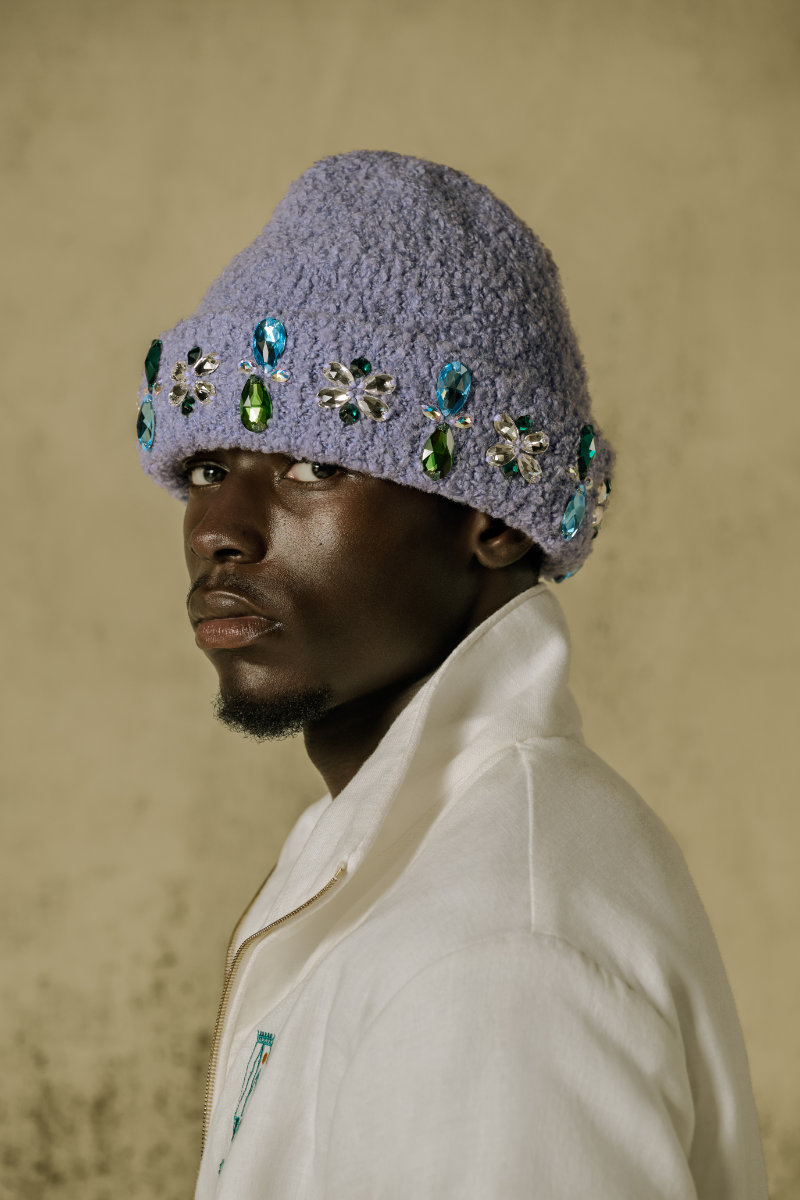
The visual identity for the 18th edition of FASHIONCLASH Festival is spearheaded by Hashim Nasr, a Sudanese visual artist and photographer based in Alexandria. Nasr, who originally trained as a dentist, has cultivated a distinct conceptual and surrealist artistic practice. His work frequently delves into profound themes such as displacement, memory, and gender identity, imbuing his imagery with a deeply personal and resonant quality.
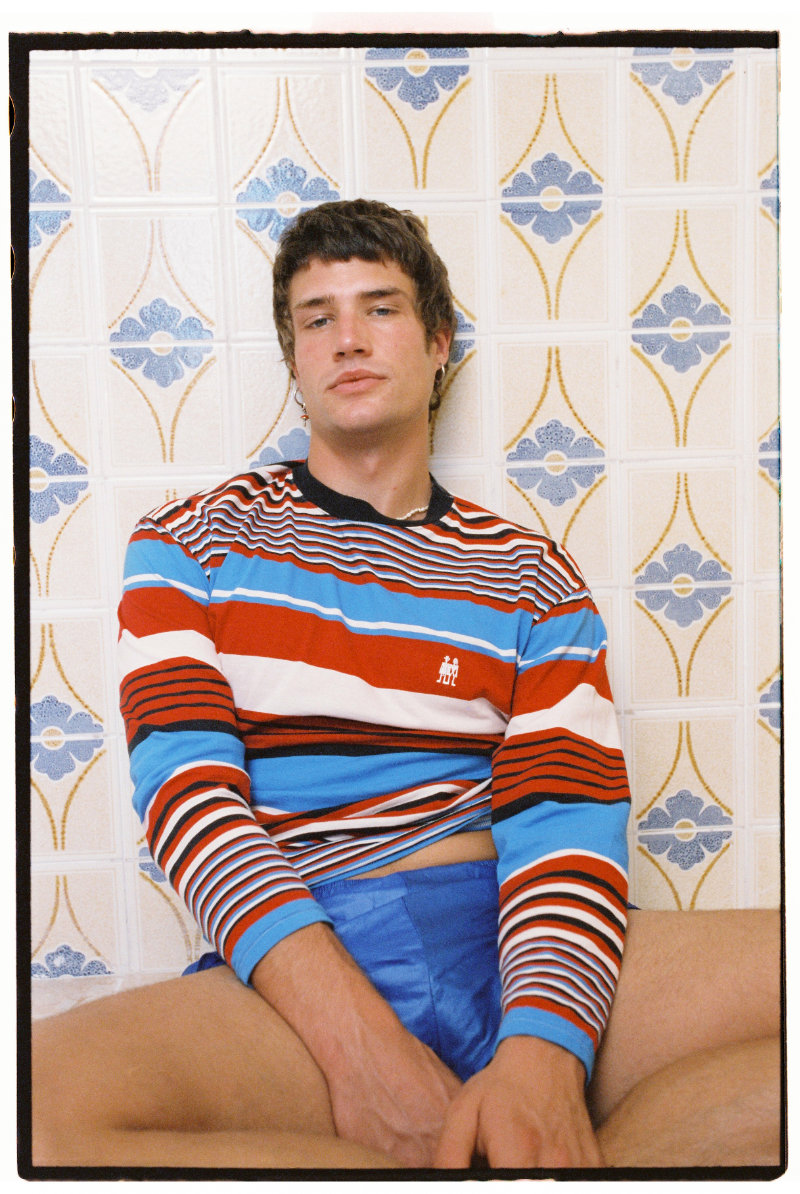
For the FASHIONCLASH campaign, Nasr has masterfully blended African and Middle Eastern cultural traditions with a surrealist visual language. He transforms traditional symbols and rituals into dreamlike narratives, creating a compelling and evocative aesthetic. By thoughtfully gathering diverse cultural references and weaving them into symbolic scenes, Nasr’s campaign not only preserves heritage but also reimagines it for a contemporary audience. This approach underscores the festival’s own ethos of celebrating global creativity and cultural exchange, providing a visually arresting introduction to the event.
A Legacy of Innovation and Global Reach
FASHIONCLASH Festival has consistently provided a vital platform for designers who are not only creating aesthetically compelling work but are also engaging with pressing social and cultural issues. Over the years, the festival has showcased a remarkable range of talent, from those experimenting with sustainable materials and innovative production methods to those using fashion as a medium for social commentary and personal expression. The consistent growth in the number of participating countries and the international acclaim of its alumni are testaments to the festival’s enduring impact.
The festival’s multi-location approach within Maastricht also contributes to its unique atmosphere. By utilizing the city’s diverse architectural and cultural spaces, FASHIONCLASH integrates the event into the urban fabric, allowing attendees to discover different facets of Maastricht while immersing themselves in cutting-edge creative work. This approach fosters a more organic and engaging experience, blurring the lines between art, fashion, and everyday life.
Looking Ahead: Full Program Details
While the core highlights of the 18th edition have been unveiled, the complete festival program, including specific schedules for talks, workshops, film screenings, and additional exhibitions, will be announced to the public after the summer. This strategic reveal allows for sustained anticipation and ensures that the full breadth of the festival’s offerings can be appreciated. Industry professionals, aspiring creatives, and fashion enthusiasts alike will be eager to mark their calendars for this significant cultural event.
The FASHIONCLASH Festival continues to be a beacon for innovation and inclusivity in the fashion world. Its unwavering dedication to nurturing emerging talent, fostering international dialogue, and challenging conventional norms ensures that it remains a crucial and dynamic force in shaping the future of creative industries. The return to Maastricht in November 2026 promises another unforgettable edition, celebrating the boundless creativity of a new generation.
Related posts: