The retail landscape for menswear is currently navigating a complex period of inventory adjustment and seasonal transition, leading to a surge in strategic discounting across major brands. As the industry moves into the latter half of the fiscal year, retailers are leveraging mid-week sales events to clear lingering summer stock and introduce early-autumn inventory. This week’s market activity is defined by aggressive clearance cycles at Nordstrom, tactical pricing adjustments on timepieces at Amazon, and bundle-pricing strategies deployed by legacy retailers like Brooks Brothers to sustain sales volume.
The Dynamics of Modern Retail Clearance Cycles
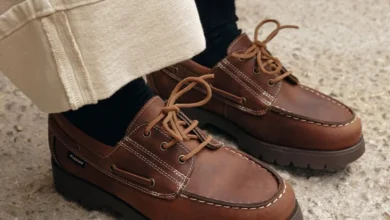
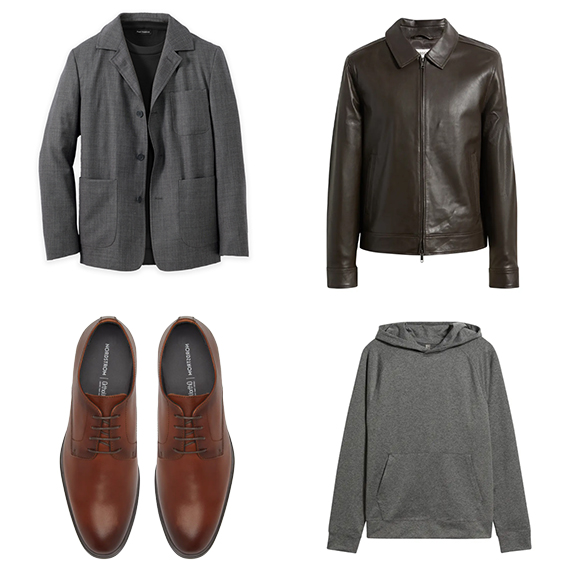
The traditional retail calendar, once strictly dictated by seasonal solstices, has shifted toward a continuous cycle of flash sales and digital-first markdowns. Nordstrom, for instance, has recently updated its End of Season Clearance with significant additions to its mainline inventory. Unlike the company’s off-price division, Nordstrom Rack, this clearance event represents a direct liquidation of premium, high-street stock.
Analysts note that this specific type of clearance often results in "broken sizes," a retail term for inventory where common waist sizes or popular colorways have been depleted, leaving a fragmented selection. For the consumer, this requires a higher level of diligence. While the advantage of shopping mainline clearance includes free shipping and simplified return policies—benefits often stripped from outlet-exclusive goods—the trade-off is a narrower window of availability for standard sizes.
Chronology of Mid-Week Market Activity
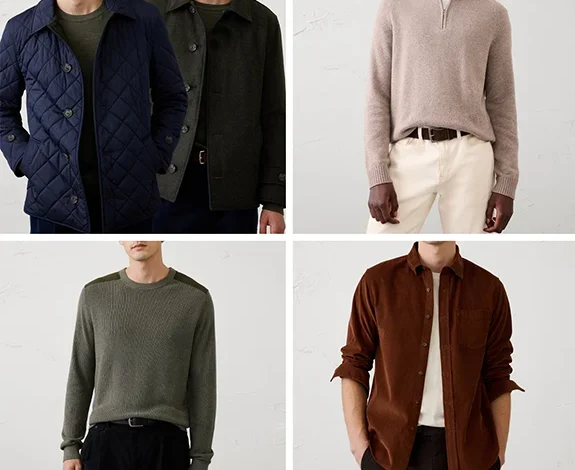
The current sales window, which began gathering momentum early this week, follows a distinct pattern of digital urgency. The Banana Republic Factory store, for example, initiated a 48-hour promotional window offering up to 50% off select merchandise, with an additional 40% reduction applied at checkout. This "stacking" of discounts is a common tactic used to induce immediate conversion, particularly as brick-and-mortar traffic experiences a slight mid-week lull.
By observing the timeline of these offers, one can identify a clear attempt by retailers to capture the "post-weekend" consumer. With the initial surge of weekend shopping activity concluded, retailers utilize Tuesday and Wednesday to clear remaining inventory before the next replenishment cycle. For legacy brands such as Brooks Brothers, this involves pivoting toward bundle pricing. Their current promotion—offering two pairs of Friday Chinos or Richmond pants for $189—functions as a volume-driven incentive. At a retail price point of $148 for the chinos and $168 for the Richmond 5-pockets, the bundled offer provides a discount of approximately 40%. This strategy is designed to shift inventory in bulk while maintaining a higher perceived value than a simple "percent-off" markdown.
Data-Driven Insights into Watch Pricing
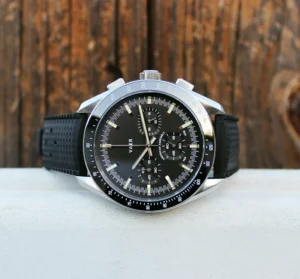
Amazon’s recent pricing behavior regarding the Timex brand provides a case study in algorithmic retail management. The platform’s internal data-tracking systems often adjust pricing in real-time based on competitor matching and inventory levels. Consequently, select Timex flagship models are currently seeing significant price fluctuations.
Financial analysts following e-commerce trends suggest that consumers must verify the "shipped and sold by" designation when purchasing high-turnover items like watches on Amazon. When the platform acts as both the retailer and the shipper, the consumer gains a significant safety net regarding returns and warranty claims. Conversely, third-party sellers on the platform may operate under different service level agreements, which can introduce friction during the return process. The volatility of these prices—which can appear and disappear within hours—reflects the highly competitive, high-frequency nature of the current digital marketplace.

Strategic Implications for the Menswear Sector
The broader implications of these mid-week sales suggest that the menswear market is attempting to strike a delicate balance between preserving brand equity and moving aging inventory. Brooks Brothers, a heritage brand that has traditionally been cautious with deep discounting, has shifted toward more frequent promotional bundles. This reflects the reality of the current economic environment, where consumer price sensitivity is at an elevated level due to inflationary pressures on household budgets.
Furthermore, the "new normal" for retail pricing is increasingly centered on value-added bundles rather than across-the-board percentage drops. By pairing items or incentivizing multiple purchases, brands like Brooks Brothers can maintain a higher average order value (AOV) while still providing the customer with a perceived "deal" that justifies the expenditure.
Industry Outlook and Consumer Considerations
Market observers suggest that the coming weeks will likely see a transition toward "Pre-Fall" collections, meaning that the current clearance events are the final opportunity for consumers to secure seasonal items before they are permanently retired to make shelf space for heavier fabrics and darker palettes.
For the informed consumer, the strategy remains consistent: prioritize staples that offer long-term utility. In the case of Nordstrom’s clearance, this means identifying high-quality garments that are less prone to fast-fashion trends. With the Timex sales, the focus should remain on classic, timeless aesthetics that maintain their value beyond the current retail cycle.
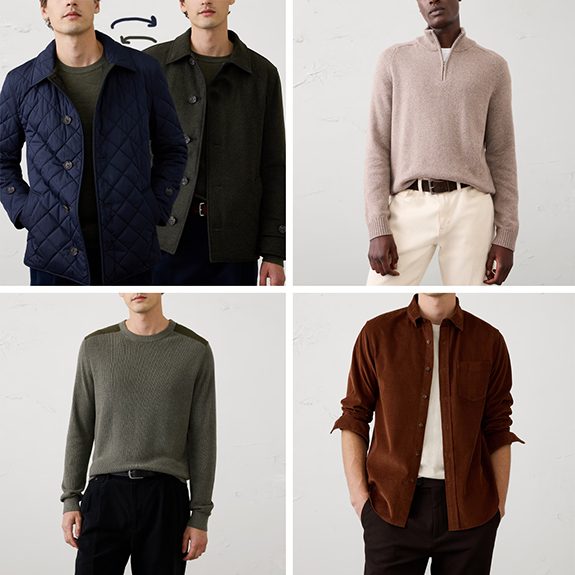
Finally, the 48-hour sale structures, such as those seen at Banana Republic Factory, are indicative of a retail environment that values urgency over endurance. These events are not designed to be permanent; they are calibrated to generate a specific, short-term spike in revenue. For those looking to optimize their personal wardrobe investment, monitoring these short-cycle sales is becoming a necessary component of modern consumer behavior.
As the industry looks toward the next quarter, the focus will likely shift from inventory liquidation to the introduction of core seasonal collections. Until that shift occurs, the current environment remains an opportune window for the value-conscious consumer, provided they maintain an awareness of the rapid changes in inventory availability and price volatility. Industry experts anticipate that this cycle of mid-week discounting will continue to define the market throughout the remainder of the year, serving as a primary mechanism for retailers to manage supply chain flow in an increasingly digital-first economy. The lesson for the modern shopper is clear: the most effective acquisitions are those that balance the immediate satisfaction of a discount with the long-term need for quality and timeless design.
Related posts: