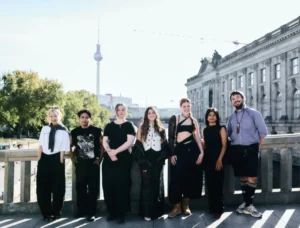
Sustainable Challenge 2026: Age Pride! Ignites Dialogue on Ageism in Fashion

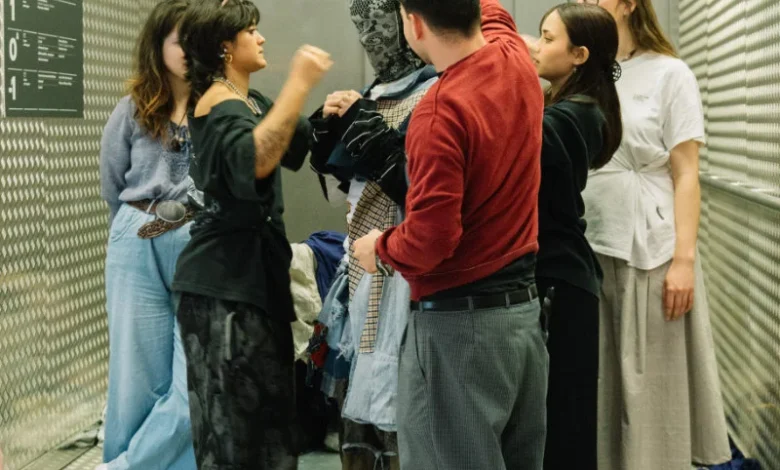
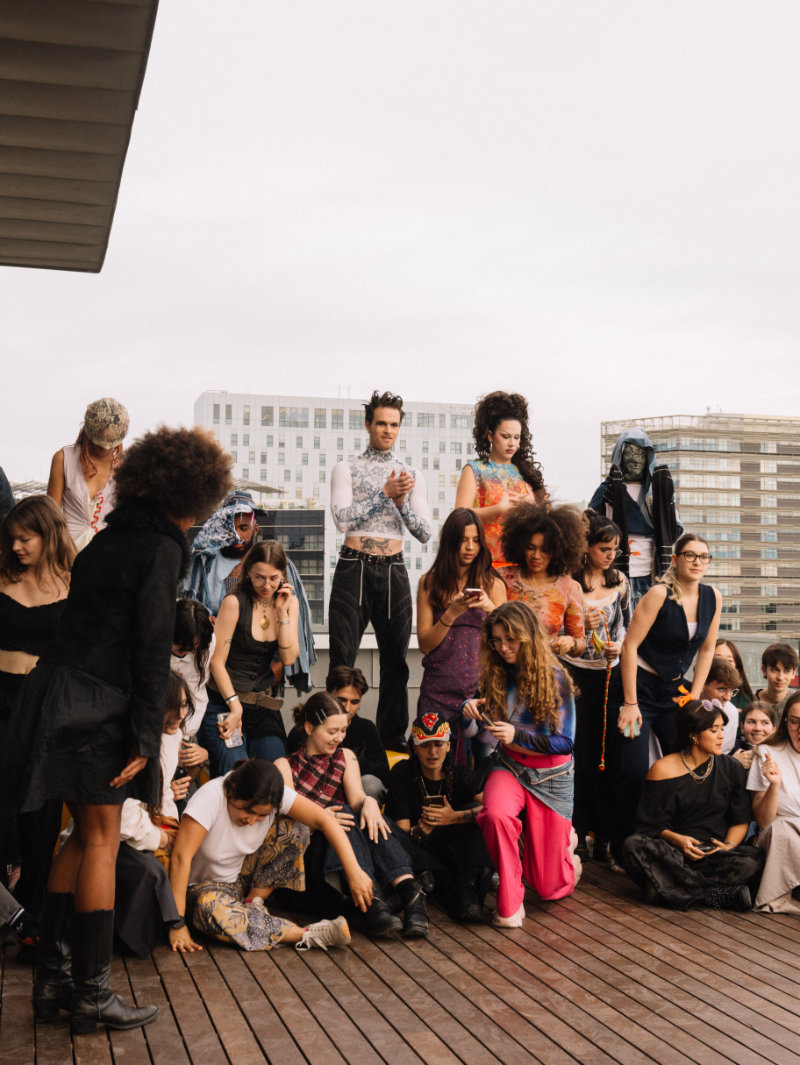
The eighth edition of the Sustainable Challenge, an initiative spearheaded by FAD (Fostering Arts and Design) in collaboration with the Barcelona City Council, the Dutch Embassy in Spain, and the Government of Catalonia, is set to tackle a pervasive issue within the fashion industry: ageism. Under the compelling theme "Age Pride!", the program invites thirty design students from across Europe to critically examine and challenge the underrepresentation and misrepresentation of older individuals in fashion media. Participants will engage in a creative marathon, producing editorials or fashion films that leverage styling and art direction to dismantle ageist narratives and promote more inclusive visual storytelling.
A Creative Marathon Against Ageism
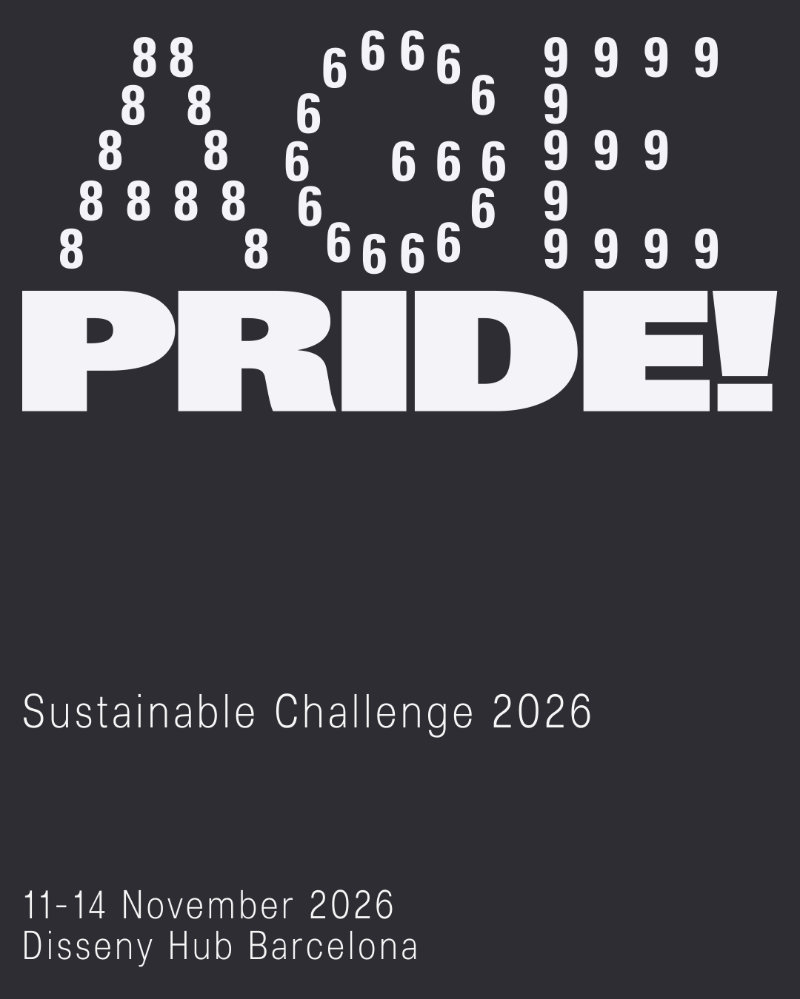
From November 11th to 14th, the Disseny Hub Barcelona will transform into a hub of creative energy for the Sustainable Challenge. This is not a competition in the traditional sense; the emphasis is on the development of thoughtful and impactful proposals that embody the project’s core values. Guided by expert tutors, students will collaborate with professional models and industry professionals, pushing the boundaries of conventional beauty standards. The goal is to foster a deeper understanding of how fashion can be a powerful tool for social commentary and change, particularly in addressing the often-overlooked dimension of age.
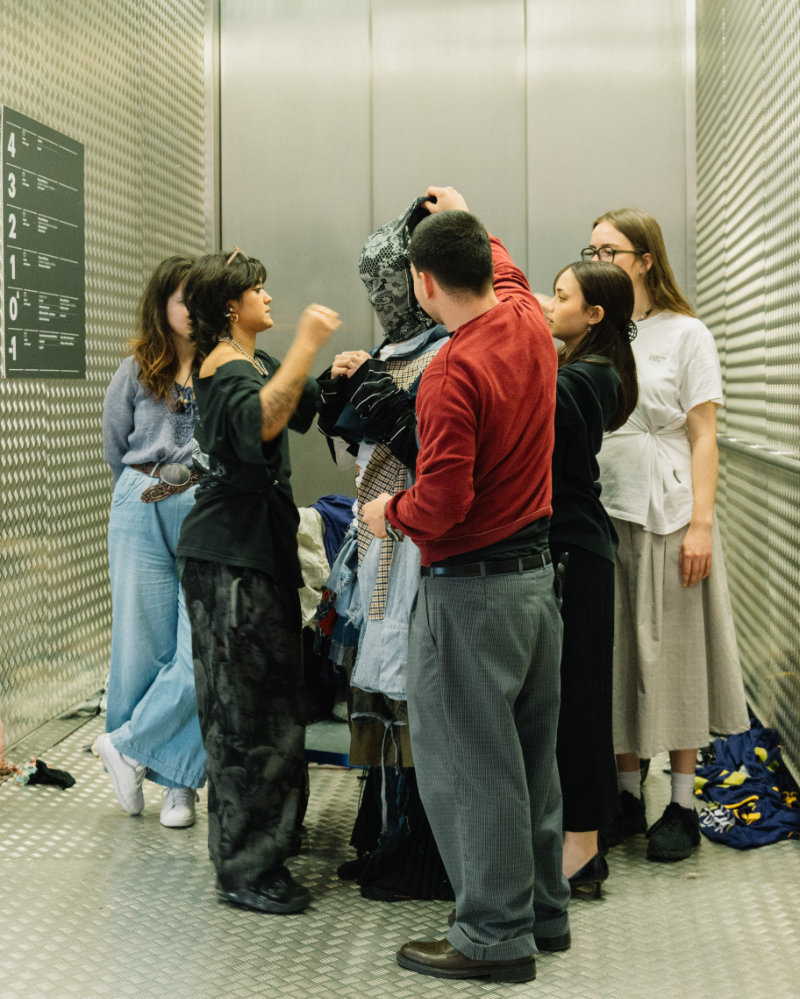
The initiative’s commitment to fostering critical thinking is evident in its non-competitive structure. Instead of declaring winners and losers, the focus remains on the collective generation of ideas and the exploration of diverse perspectives. This approach allows students to concentrate on the artistic and conceptual integrity of their work, free from the pressures of a traditional contest. The intensive four-day period is designed to immerse participants in a collaborative environment where experimentation and thoughtful critique are paramount.
Fashion as a Political Tool: Addressing Age Ordering
The phrase "fashion is never neutral" rings particularly true when considering the societal construct of age. Researchers like Julia Twigg have illuminated the concept of "age ordering," a phenomenon where clothing is systematically categorized and associated with specific age groups. This often results in certain styles becoming de facto uniforms for older adults, limiting their perceived fashion choices and reinforcing stereotypes.
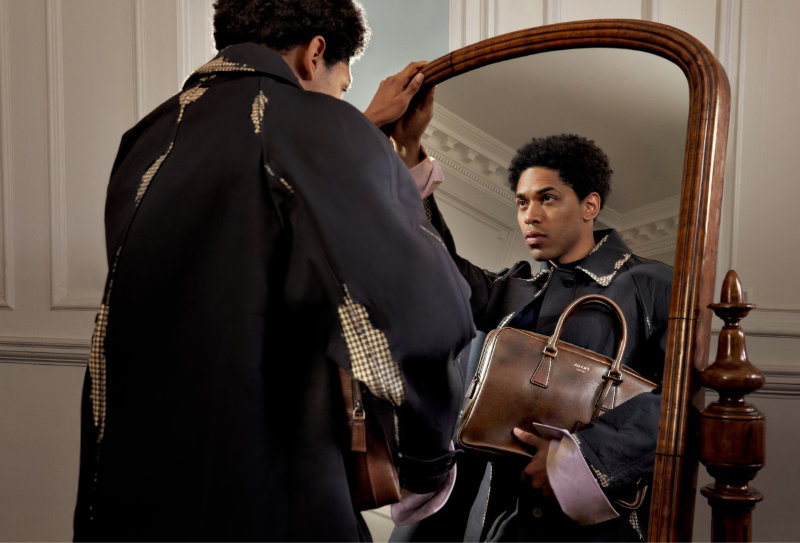
Studies consistently reveal a significant gap in fashion media’s portrayal of older demographics. Older individuals are either largely absent or depicted through reductive stereotypes, which can have a detrimental impact on their self-perception and relationship with fashion. This lack of authentic representation contributes to the perpetuation of unrealistic beauty ideals that disproportionately affect individuals across the lifespan, but which can be particularly isolating for older adults. The "Age Pride!" theme directly confronts this issue, positioning dress as a political tool to reclaim visibility and cultural value in a society that too often equates worth with productivity and youth.
The historical context of fashion’s relationship with age is complex. For decades, the industry has predominantly celebrated youth, often relegating older individuals to the sidelines. This has created a cultural blind spot, where the experiences, styles, and contributions of older generations are frequently overlooked. The Sustainable Challenge seeks to rectify this imbalance by providing a platform for new narratives and visual languages that reflect the diversity of lived experience.

Curatorial Vision and Application Details
This year’s Sustainable Challenge is curated by a distinguished panel: Hannah Swift, a psychologist specializing in ageism; Ana Murillas, a seasoned stylist; and Ainhoa Nagore, a creative director. Their collective expertise promises a rich and insightful experience for the participating students.

The program is open to design students from Spain and the Netherlands, with a limited number of places extended to students across Europe. Eligible disciplines include fashion styling, communication, art direction, photography, and related fields. Recognizing the importance of accessibility, participation in the challenge is free of charge. Organizers will cover accommodation, meals, and travel expenses for selected participants, ensuring that financial barriers do not impede creative engagement.

The application window closes on September 17th, with notifications for selected candidates scheduled for September 23rd. This timeline allows ample preparation for both the organizers and the aspiring designers. Prospective applicants are encouraged to visit the FAD website for full details regarding the program and to access the online application form. The program’s structure and the caliber of its curators underscore a serious commitment to fostering meaningful dialogue and impactful creative output.
Broader Implications: Reimagining Inclusivity in the Creative Industries
The "Age Pride!" initiative arrives at a critical juncture for the fashion and creative industries, which are increasingly being called upon to reflect the diversity of global society. The focus on ageism is particularly relevant given demographic shifts worldwide, with populations in many Western countries experiencing an increase in the proportion of older adults. This demographic reality necessitates a more nuanced and inclusive approach to representation in all forms of media, including fashion.
The Sustainable Challenge’s emphasis on empowering young designers to critically engage with these issues is crucial. By equipping the next generation of creative professionals with the tools and awareness to challenge ageist tropes, the program aims to foster long-term change within the industry. The creative outputs generated during the challenge—editorials and fashion films—will not only serve as educational tools for the participants but also contribute to a growing body of work that redefines perceptions of aging and beauty.
Furthermore, the collaborative nature of the challenge, bringing together students from various European countries, fosters cross-cultural understanding and exchange. This international perspective is vital in addressing a global issue like ageism, encouraging a shared commitment to developing more equitable and representative creative practices. The success of such initiatives can pave the way for broader industry-wide adoption of inclusive principles, moving beyond tokenistic gestures towards genuine systemic change.

The Sustainable Challenge, through its "Age Pride!" theme, is more than just an educational program; it is a catalyst for dialogue, a platform for artistic exploration, and a powerful statement about the need for greater inclusivity and respect for all ages within the fashion landscape and beyond. The event’s commitment to providing a supportive and resource-rich environment for young creatives underscores its potential to generate impactful work that resonates with contemporary societal values. As the fashion industry continues to evolve, initiatives like this are essential in shaping a more representative, equitable, and forward-thinking future.