Sustainable Footwear: A Comprehensive Guide to Ethical and Eco-Friendly Sock Brands for the Conscious Consumer

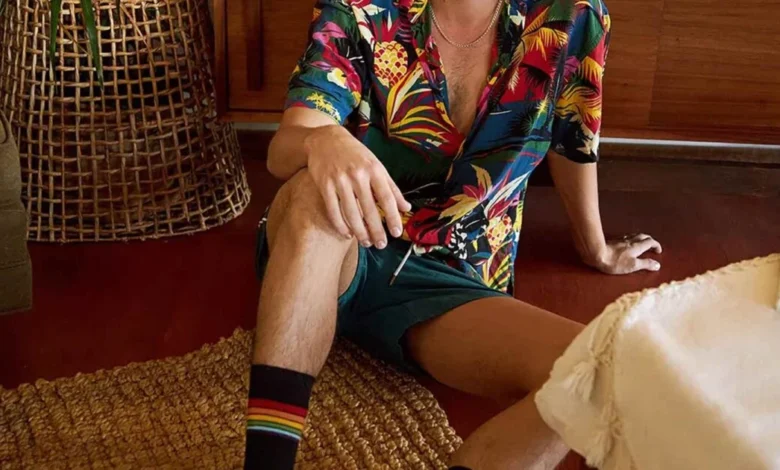
The global fashion industry has long been scrutinized for its environmental footprint and labor practices, yet the humble sock remains an overlooked staple in the pursuit of a sustainable wardrobe. As consumers increasingly prioritize the health of their feet—which is inherently linked to overall musculoskeletal well-being—the demand for ethically produced, durable, and environmentally conscious hosiery has surged. This transition toward conscious consumption is not merely a trend but a necessary shift in response to the climate crisis, as the textile industry accounts for an estimated 10% of global carbon emissions and 20% of global wastewater.
The Environmental Toll of Conventional Hosiery
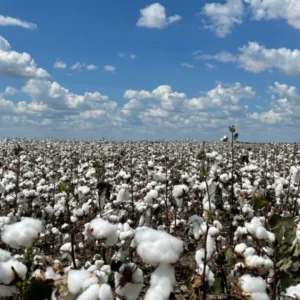
Traditional sock manufacturing often relies on synthetic fibers like polyester and nylon, which are derived from fossil fuels and are notorious for shedding microplastics into the ecosystem during laundering. Furthermore, conventional cotton cultivation is notoriously water-intensive, often requiring upwards of 2,700 liters of water to produce a single t-shirt—a scale that translates significantly to the production of high-volume basics like socks.
When evaluating the sustainability of a garment, experts consider the "triple bottom line": the impact on the planet, the treatment of the people within the supply chain, and the welfare of animals. Many conventional brands fail to provide transparency regarding dye toxicity, fair wages for factory workers, or the sourcing of raw materials. The shift toward sustainable brands, therefore, is an exercise in supply chain transparency.
A Chronology of Sustainable Fashion Integration
The movement toward sustainable basics began gaining institutional traction in the early 2010s, as third-party rating systems and NGOs began publicizing the opaque nature of global garment production. By 2015, the United Nations Sustainable Development Goals (SDGs), particularly Goal 12—Responsible Consumption and Production—provided a framework for brands to audit their impact.
Over the last decade, brands such as Boody, PACT, and tentree have evolved from niche startups into industry benchmarks. Their growth reflects a broader industry timeline: moving from the "fast fashion" explosion of the 2000s to a "slow fashion" model that emphasizes longevity, circularity, and ethical labor standards. Recent data indicates that the global ethical fashion market is projected to reach significant growth by 2030, driven by Gen Z and Millennial purchasing power.
Spotlight on Industry Leaders and Ethical Manufacturing
Several brands have distinguished themselves by integrating sustainable practices into their core operations. These companies serve as case studies for what is possible when environmental stewardship is prioritized over rapid, high-volume manufacturing.
1. Boody: The Bamboo Innovation
Australian-based Boody has become a primary example of material innovation. By utilizing organically grown bamboo, the brand leverages a fiber that requires significantly less water than conventional cotton and no pesticides. Their commitment to a closed-loop system—where water and solvents used in the processing of bamboo pulp are recycled—minimizes the chemical discharge often associated with textile manufacturing.
2. PACT and the Fair Trade Standard
PACT, a U.S.-based entity, focuses heavily on the social aspect of sustainability. By ensuring their entire supply chain is sweatshop-free and child-labor-free, and by certifying over 50% of their production as Fair Trade, they address the human rights component of fashion. Their reliance on organic cotton reduces the toxic pesticide load on the soil, benefiting both the farmers and the local biodiversity.
3. tentree: Reforestation as a Business Model
The Canadian brand tentree has effectively gamified sustainability. By planting ten trees for every item purchased, the company has created a tangible link between consumer purchase and environmental restoration. Beyond this, their use of circular fabrics and recycled polyester demonstrates a commitment to reducing the demand for virgin resources. Their impact report highlights the removal of significant volumes of CO2 from the atmosphere, proving that apparel companies can act as carbon-sequestering agents.
4. Harvest & Mill: Domestic Sourcing and Biodiversity
Harvest & Mill represents a localized approach to production. By keeping the growing, milling, and sewing processes within the United States, they drastically reduce the carbon footprint associated with international shipping. Furthermore, their decision to forgo bleach and chemical dyes preserves water quality and reduces energy expenditure. By cultivating different varieties of cotton, they contribute to agricultural biodiversity, which is essential for climate resilience.
Fact-Based Analysis: The Implications for Consumers
The decision to choose sustainable socks is rooted in the concept of "cost-per-wear." While ethical socks often carry a higher initial price point than mass-produced alternatives, the longevity of these products—often designed to resist pilling, stretching, and fraying—means they outlast cheaper counterparts.
However, consumers should remain vigilant regarding "greenwashing." The rise in demand for "eco-friendly" products has led some corporations to use vague marketing terminology. Genuine sustainability is marked by third-party certifications, such as GOTS (Global Organic Textile Standard), OEKO-TEX, or Fair Trade USA. Brands that are transparent about their factory locations and the true cost of production, such as the Portuguese label ISTO., provide the necessary data for consumers to make informed choices rather than emotional ones.
Official Responses and Industry Standards
Industry watchdogs and rating organizations, such as Good On You, play a critical role in this ecosystem. By evaluating brands based on thousands of data points—ranging from animal welfare policies (such as the use of non-mulesed wool) to energy efficiency in manufacturing—these organizations provide a standard of accountability.
In recent communications, representatives from these organizations have emphasized that there is no "perfect" brand. Instead, the focus is on "better" practices. For instance, the use of recycled marine plastic by brands like Bluebuck, or the adherence to the Bangladesh Fire and Building Safety Accord by manufacturers like NICO, represent incremental but essential progress in worker safety and waste management.
The Broader Impact: Why Socks Matter
The cumulative effect of individual purchasing decisions is profound. When thousands of consumers switch from mass-produced, chemically-treated polyester socks to organic cotton, bamboo, or recycled wool alternatives, the aggregate reduction in pesticide use, water consumption, and plastic pollution is measurable.
Furthermore, by supporting brands that are transparent about their labor practices, consumers exert pressure on the wider industry to standardize ethical treatment. The shift in the sock market is a microcosm of the systemic change required across the entire fashion industry. As consumers continue to demand traceability, brands that refuse to adapt will inevitably face market obsolescence.
Looking Toward the Future
The evolution of the sock industry is reflective of a wider societal shift. The focus is no longer just on the aesthetics of a garment, but on its entire life cycle—from the seed planted in the soil to the eventual end-of-life disposal. As technologies for textile recycling improve and regenerative agriculture becomes more widespread, the "sustainable sock" of the future may soon become the industry standard rather than the exception.
For the modern consumer, the path forward is clear: prioritize quality, verify claims through reputable rating systems, and recognize that every pair of socks purchased is a vote for the type of industry we wish to support. By aligning personal comfort with global responsibility, individuals can participate in a movement that protects the planet, supports fair labor, and ensures that the clothes we wear—down to our very feet—are part of the solution rather than the problem.