The modern wedding industry has seen a marked shift toward experiential events, with couples increasingly moving away from traditional ballroom receptions in favor of highly personalized, multi-day celebrations that reflect their shared hobbies and aesthetic preferences. Among the most creative iterations of this trend is the recent nuptials of Richard and Kitty, who opted for a dual-celebration approach: a legal ceremony in Las Vegas followed by a bespoke "Wedfest" extravaganza held at a private outdoor site. This event, which fused high-octane Vegas showgirl glamour with the rugged, DIY ethos of an American Western festival, serves as a case study in the growing popularity of immersive, themed wedding productions.
The logistics of the event, which took place in late 2026, underscored a meticulous commitment to design and guest experience. By prioritizing a "festival-first" atmosphere, the couple transformed a standard wedding reception into a curated environment reminiscent of a movie set, complete with dedicated stages, thematic decor, and interactive elements.
A Dual-Phase Approach to Nuptials
The planning process for Richard and Kitty was bifurcated to manage both the legal requirements of marriage and the social desire for a grand, immersive celebration. By choosing to formalize their union in Las Vegas, the couple embraced the city’s long-standing reputation for quick, iconic ceremonies. This allowed them the freedom to treat their subsequent festival wedding as an artistic expression of their relationship rather than a strictly formal legal procedure.
This trend of "split-ceremonies"—where couples separate the civil registration from the celebration—has become increasingly common in the post-2020 landscape. According to recent wedding industry data, approximately 15% of couples now choose to separate their legal filing from their public ceremony, citing cost efficiencies and the ability to hold the "big day" in locations that are otherwise difficult to license for civil marriages.
Chronology of the Wedfest Production
The festival-themed event was structured as an immersive narrative. The ceremony itself functioned as the opening act, utilizing a Western showdown motif. The sequence was carefully choreographed:
- The Prelude: The atmosphere was established with the iconic theme music from the 1966 film The Good, the Bad and the Ugly, signaling a departure from traditional wedding processional music.
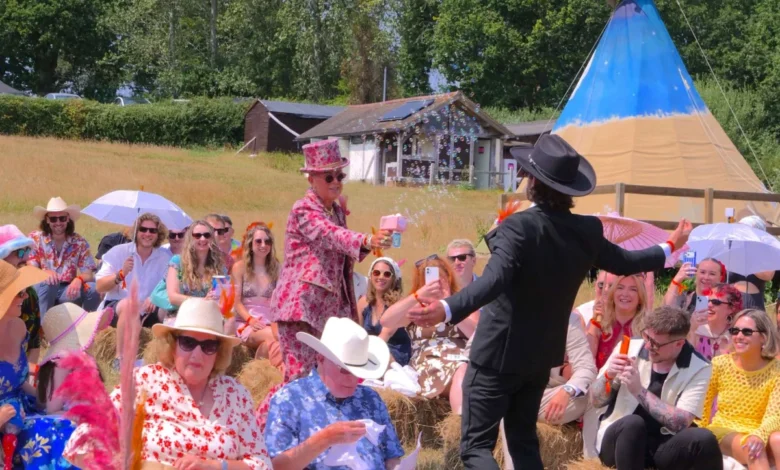
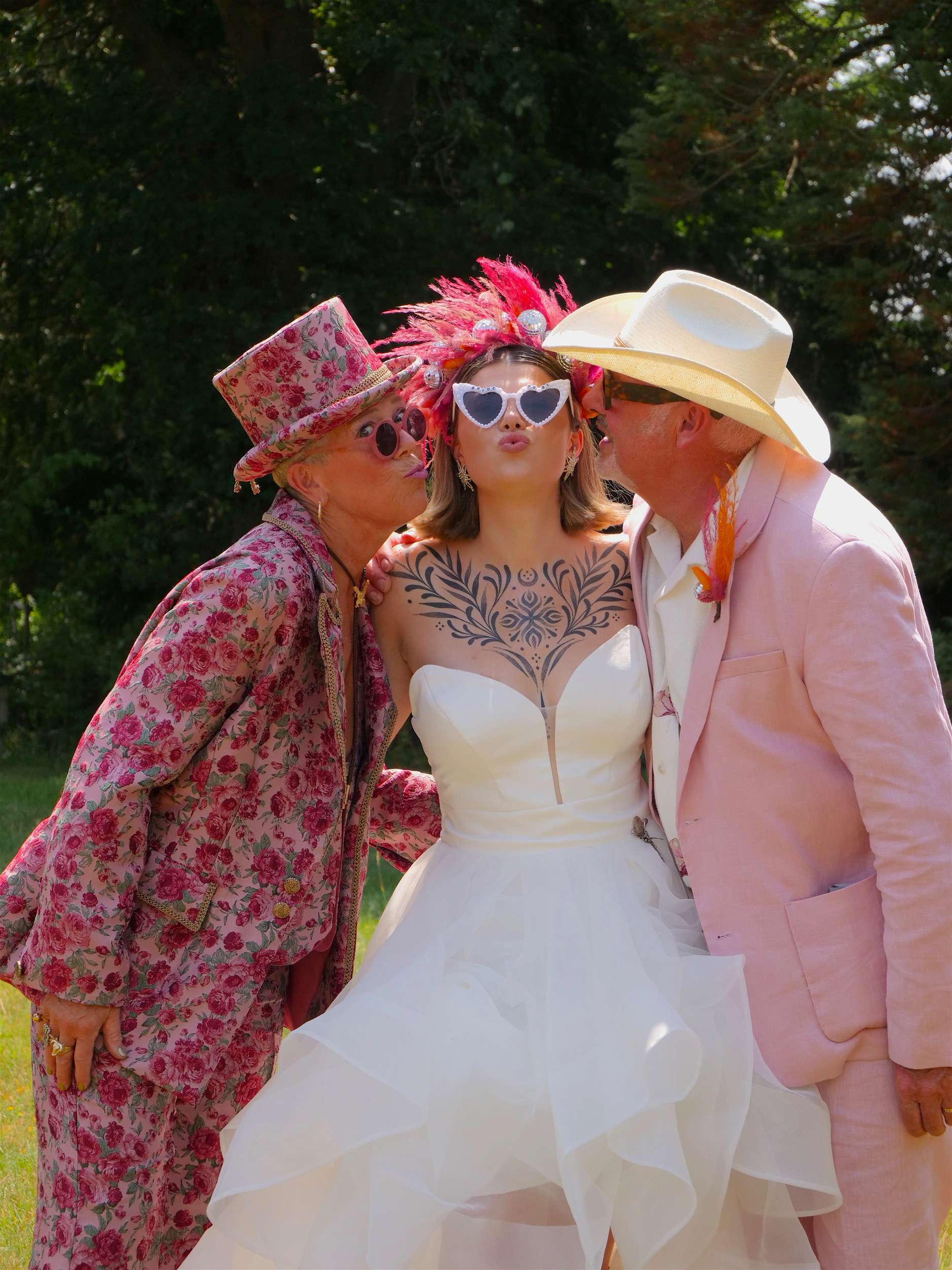
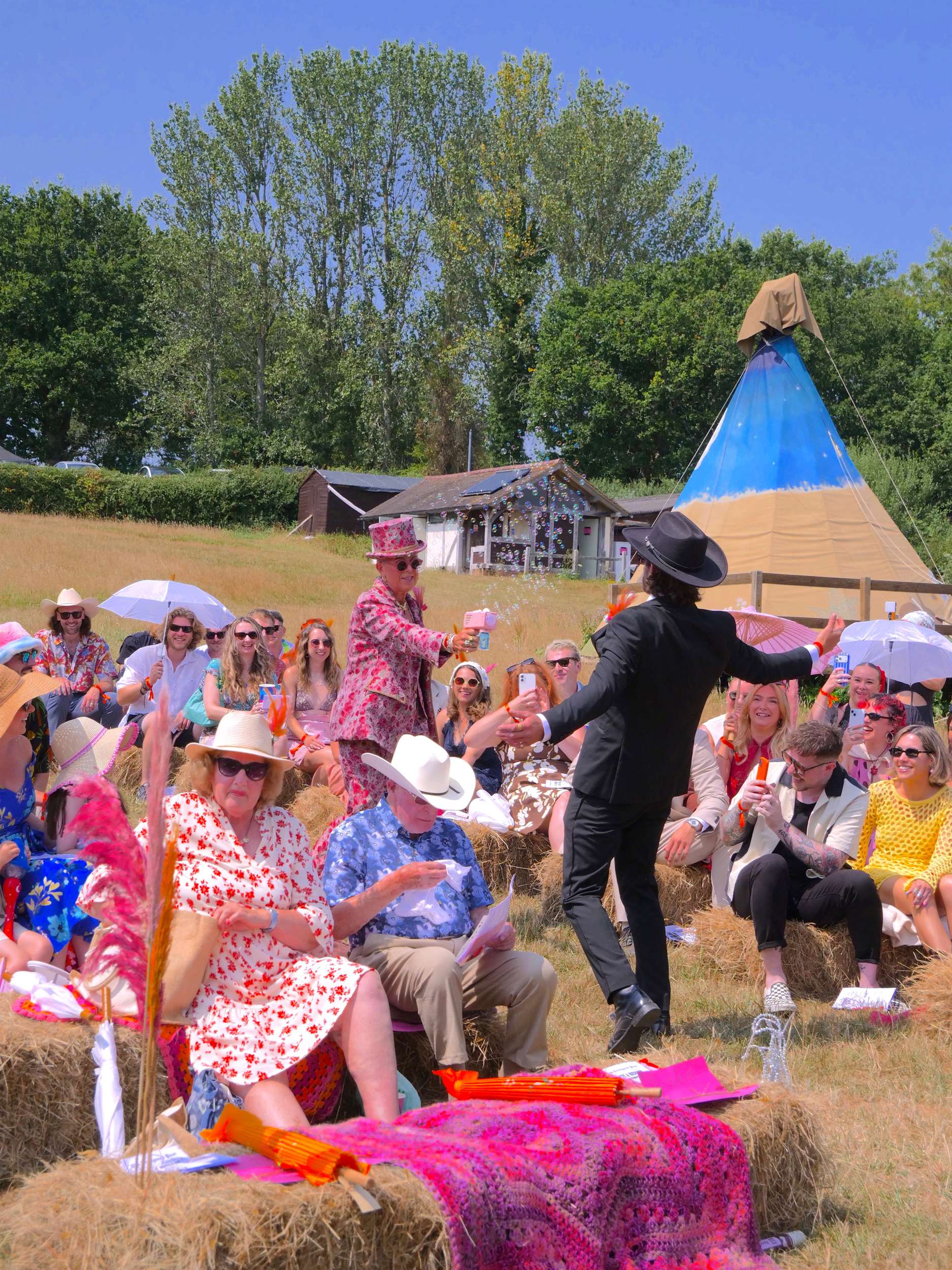
- The Entrance: The bride’s mother entered in a self-constructed three-piece suit and top hat, setting the tone for a DIY-centric event.
- The Interaction: A planned performance involving the bride’s brother and mother occurred halfway down the aisle, where they utilized bubble guns, breaking the tension of the formal procession with a playful, theatrical gesture.
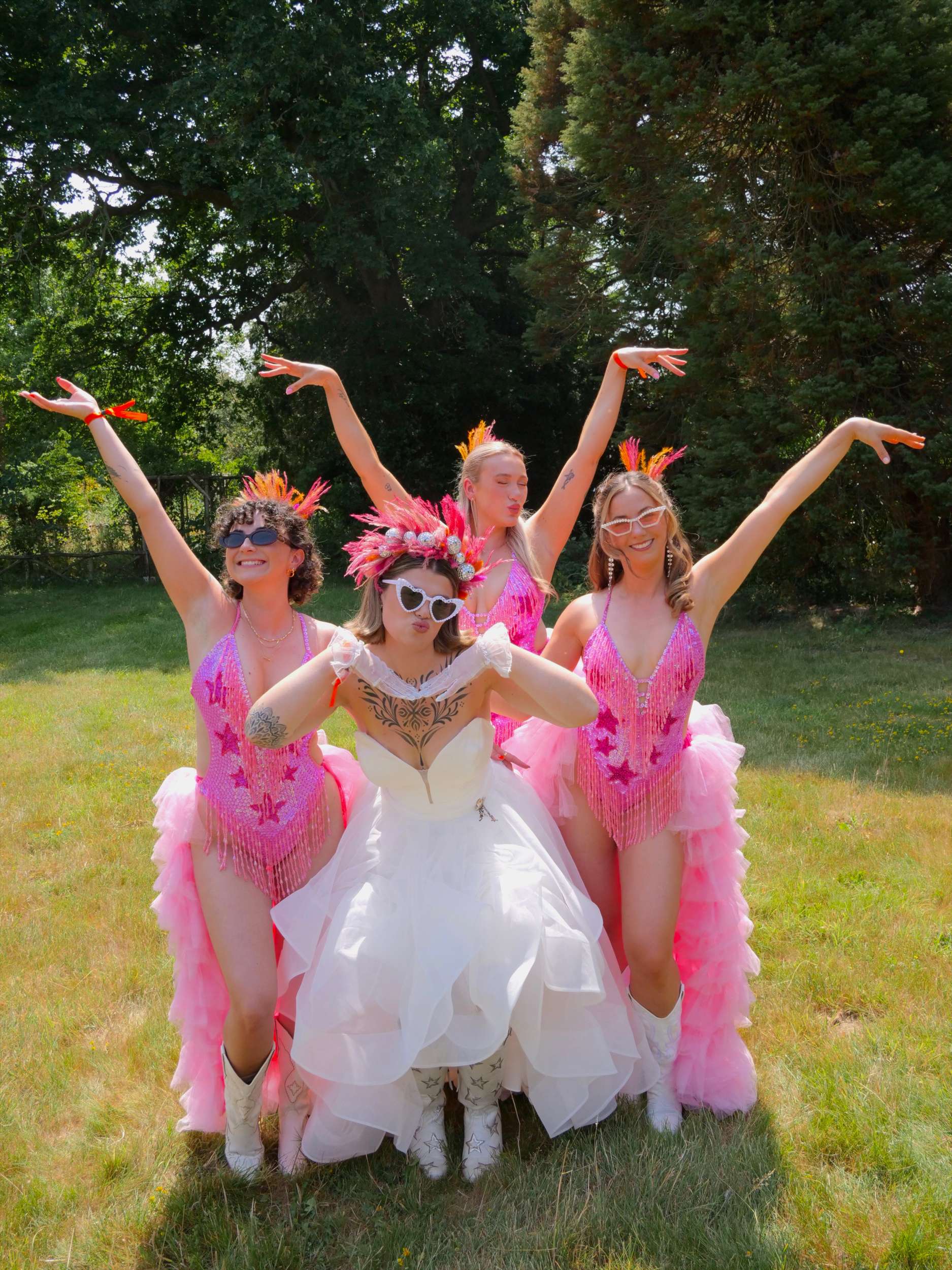
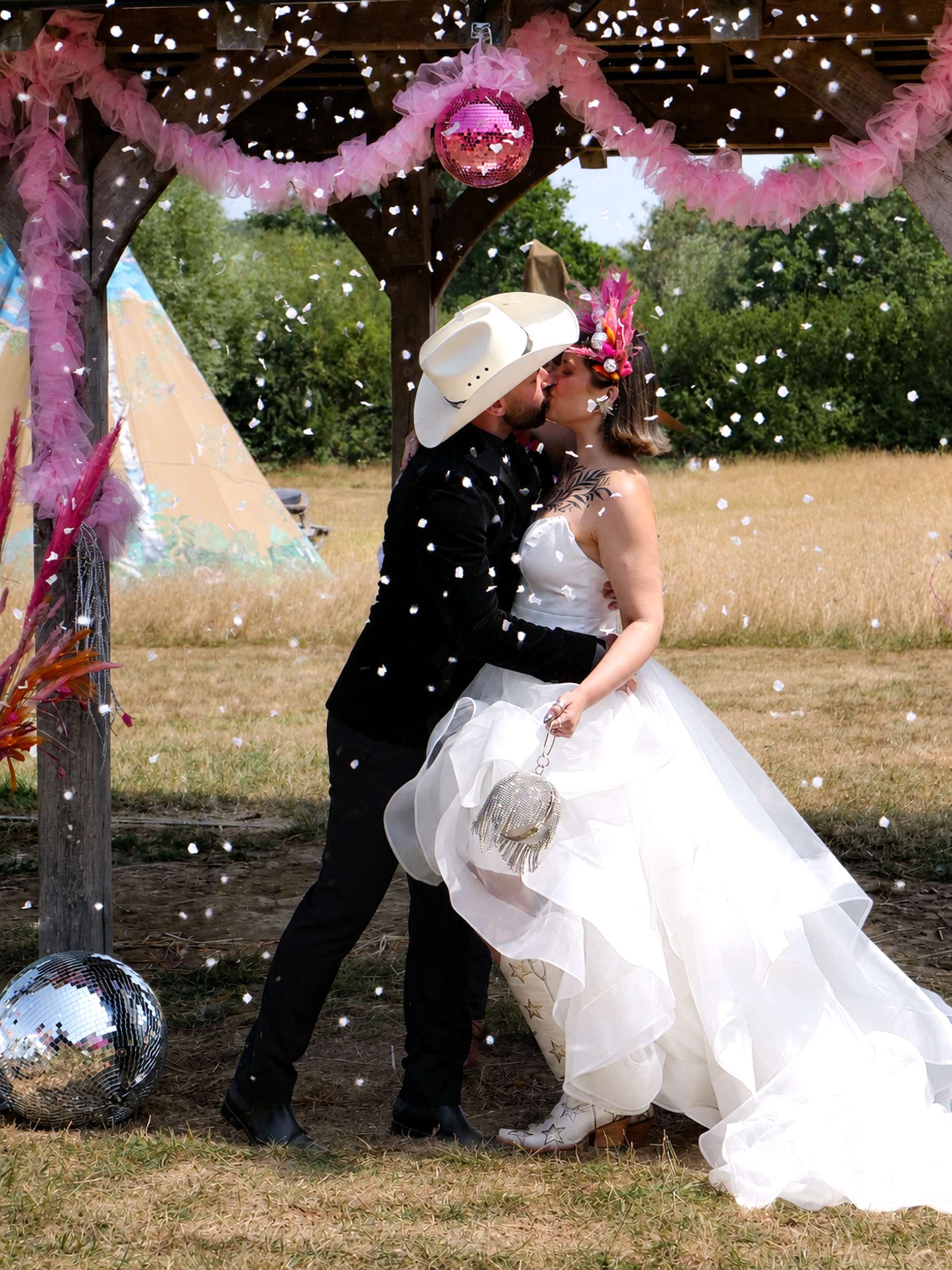
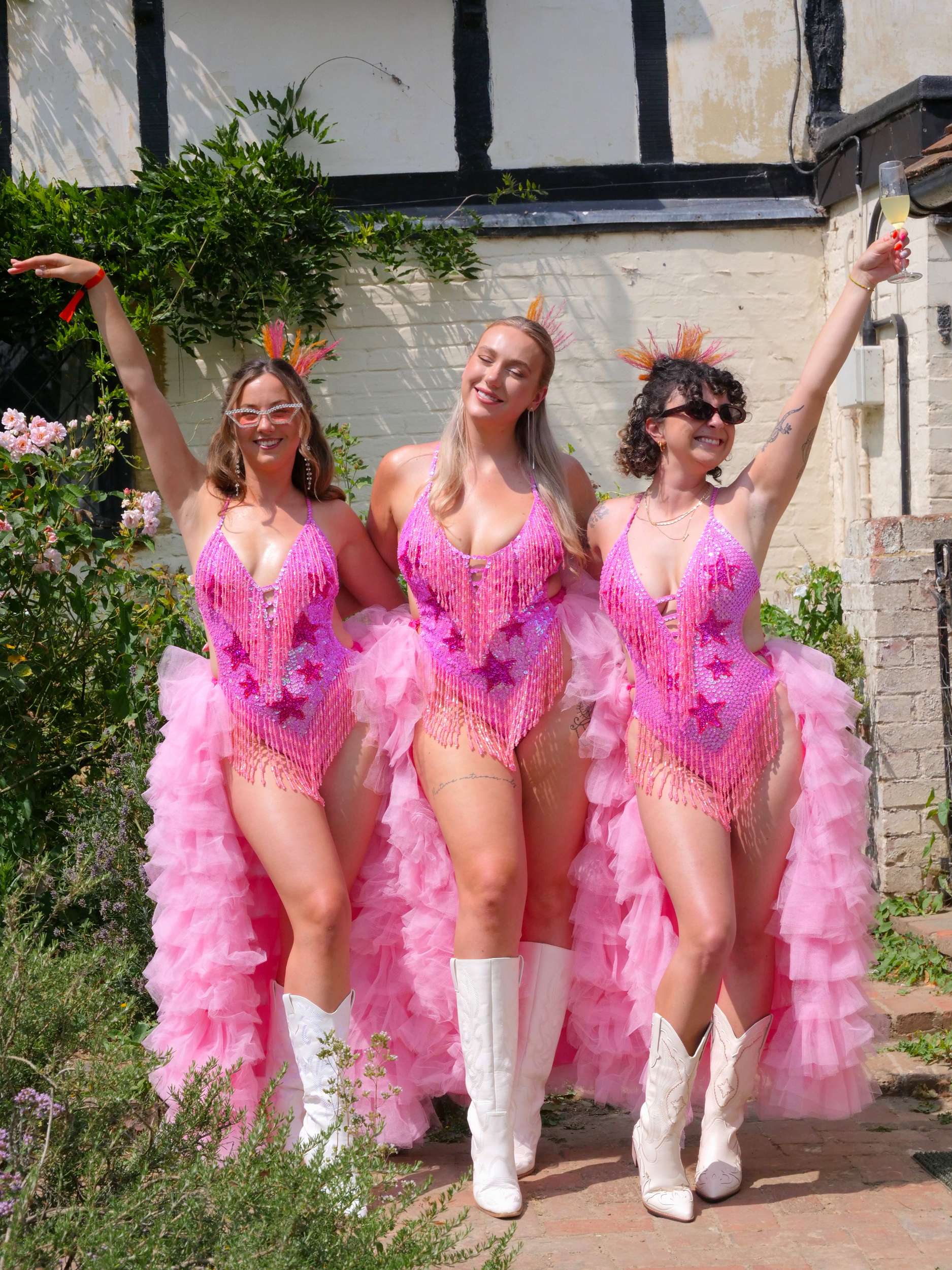
- The Transition: As the ceremony progressed, the theme shifted from Western to showgirl, with bridesmaids performing a choreographed routine wearing costumes sourced from the retailer Easy Tiger. The music transitioned to Sleep Token’s "Is It Really You?", bridging the gap between the theatrical entrance and the emotional core of the vows.
- The Celebration: Following the ceremony, the day transitioned into a full-scale festival, featuring a communal campfire and social spaces designed to foster interaction among guests throughout the evening.
The Role of DIY in Modern Event Planning
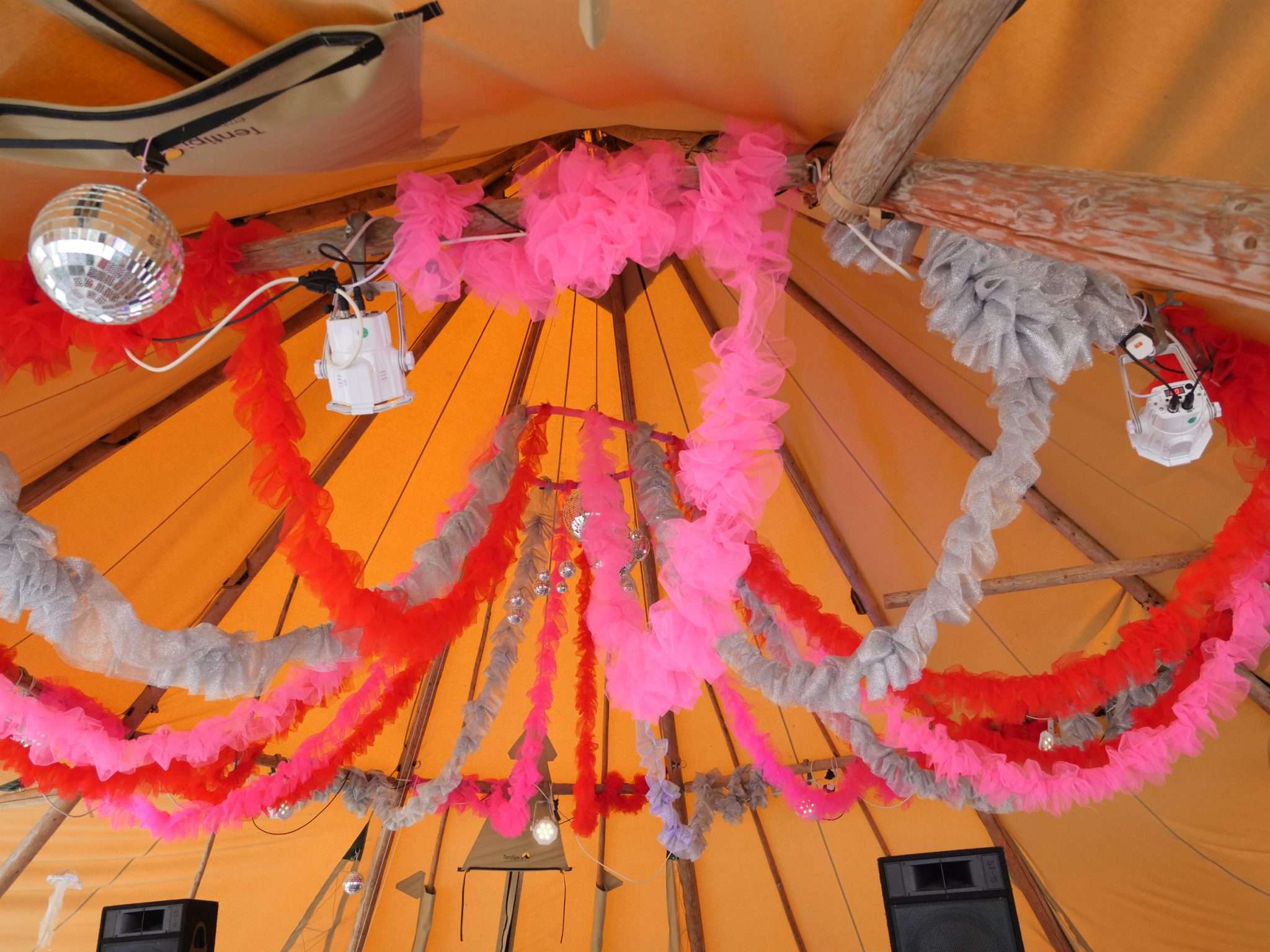
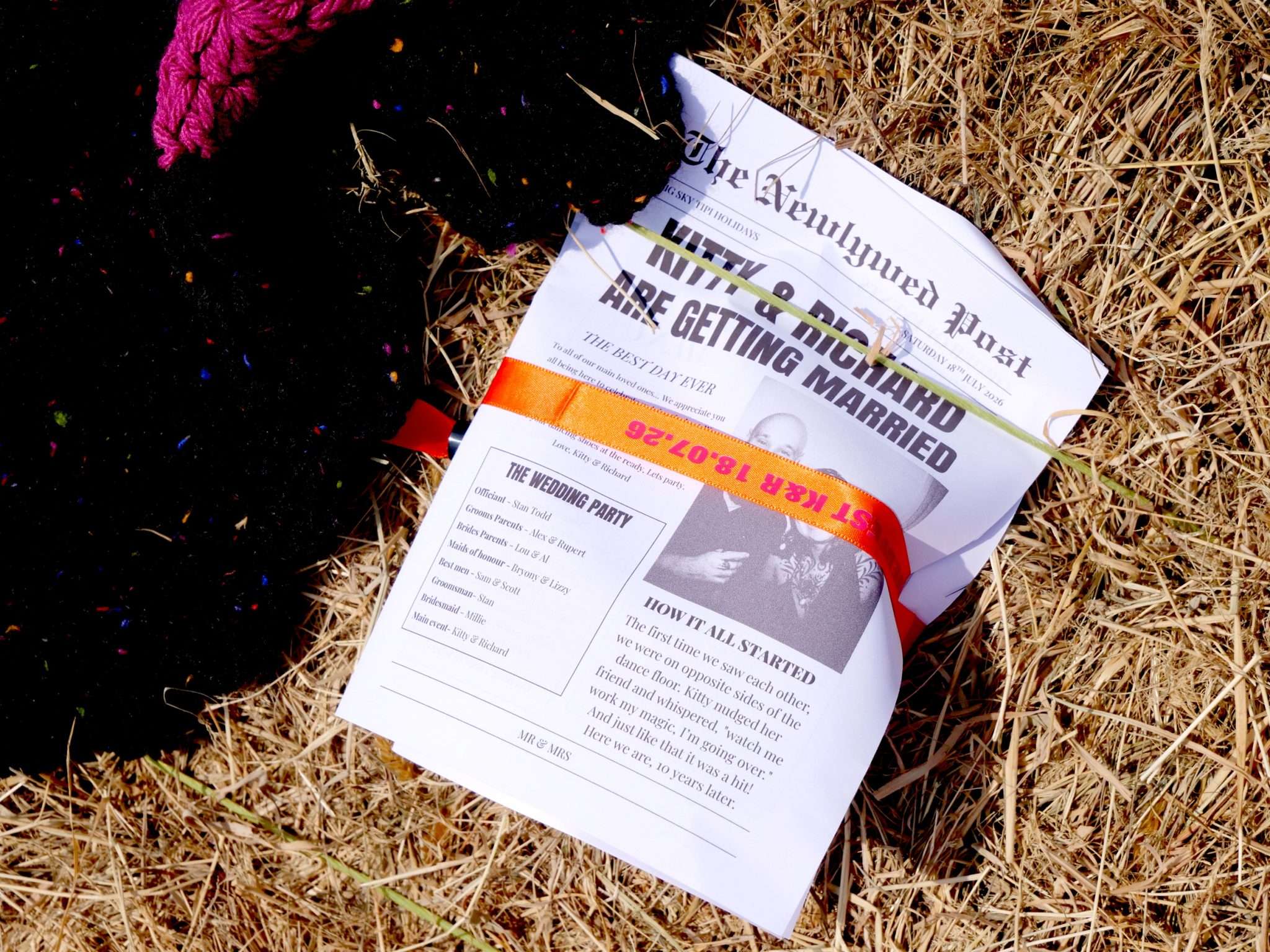
A defining feature of this wedding was the extensive use of DIY (Do-It-Yourself) elements, which required a significant investment of time—reportedly spanning over six months of preparation. The project scope included the creation of 12 custom crochet blankets, 12 table runners, and 38 lengths of ruffle garland designed specifically for the ceiling of the event’s tipis.
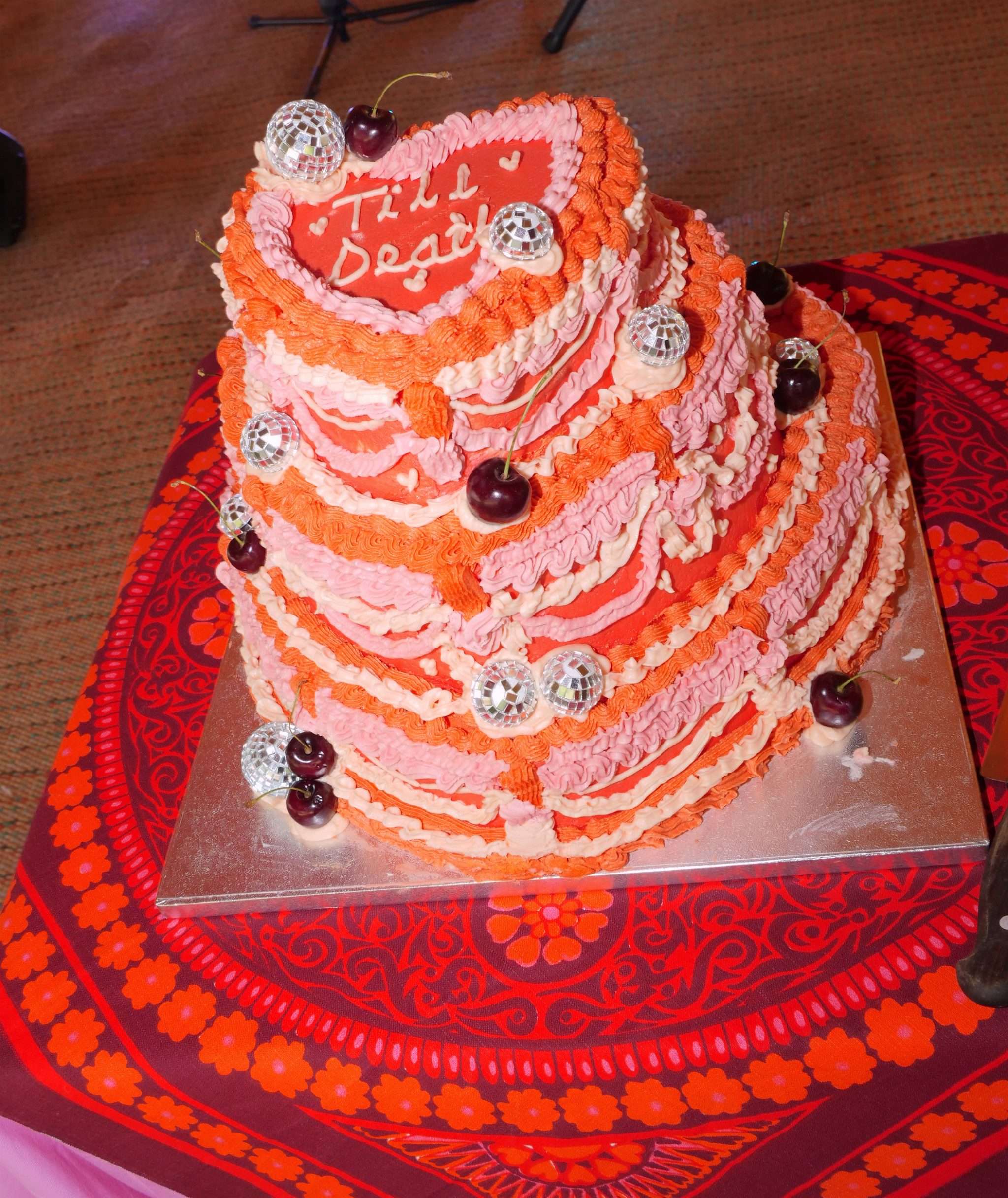
The economic and psychological implications of such an undertaking are substantial. While DIY projects are often viewed as a cost-saving measure, in the context of high-concept weddings, they represent a "labor of love" that can sometimes mirror the stress of professional event management. Industry experts note that the "Pinterest effect"—the pressure to curate a perfectly aesthetic, personalized environment—has led to an increase in burnout among couples who take on too much of the production burden themselves.
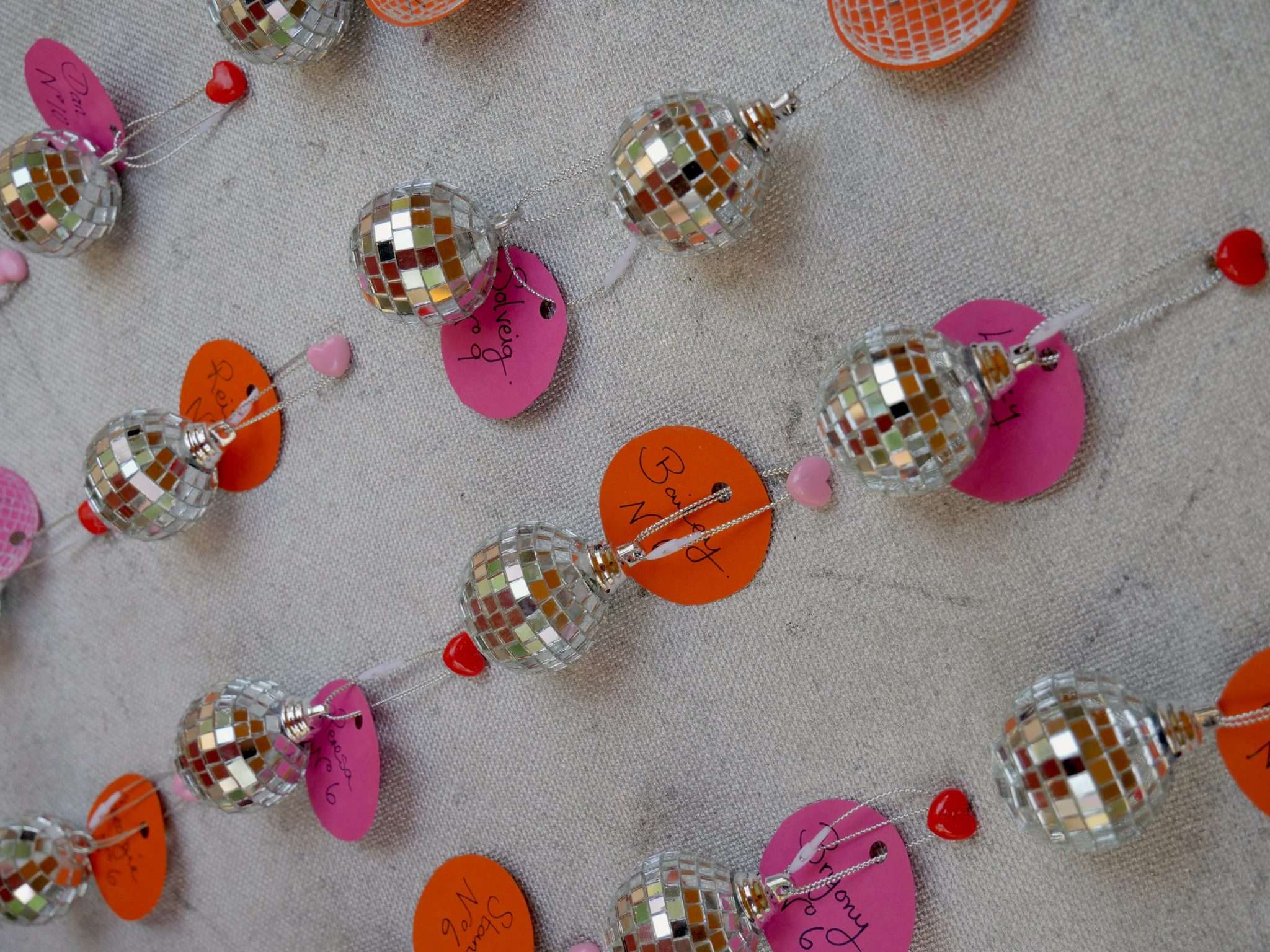
Kitty noted the paradox of this approach, stating that while the preparations were demanding, the final result provided a unique atmosphere that could not have been achieved through standard rental packages or conventional venue decor. The effort put into the custom festival cups, the disco ball arrangements, and the hand-painted decor effectively transformed the venue into a personalized "world" that reflected the couple’s identity as festival-goers.
Broader Industry Impact and Implications
The success of the "Wedfest" model highlights several key trends currently influencing the wedding sector:
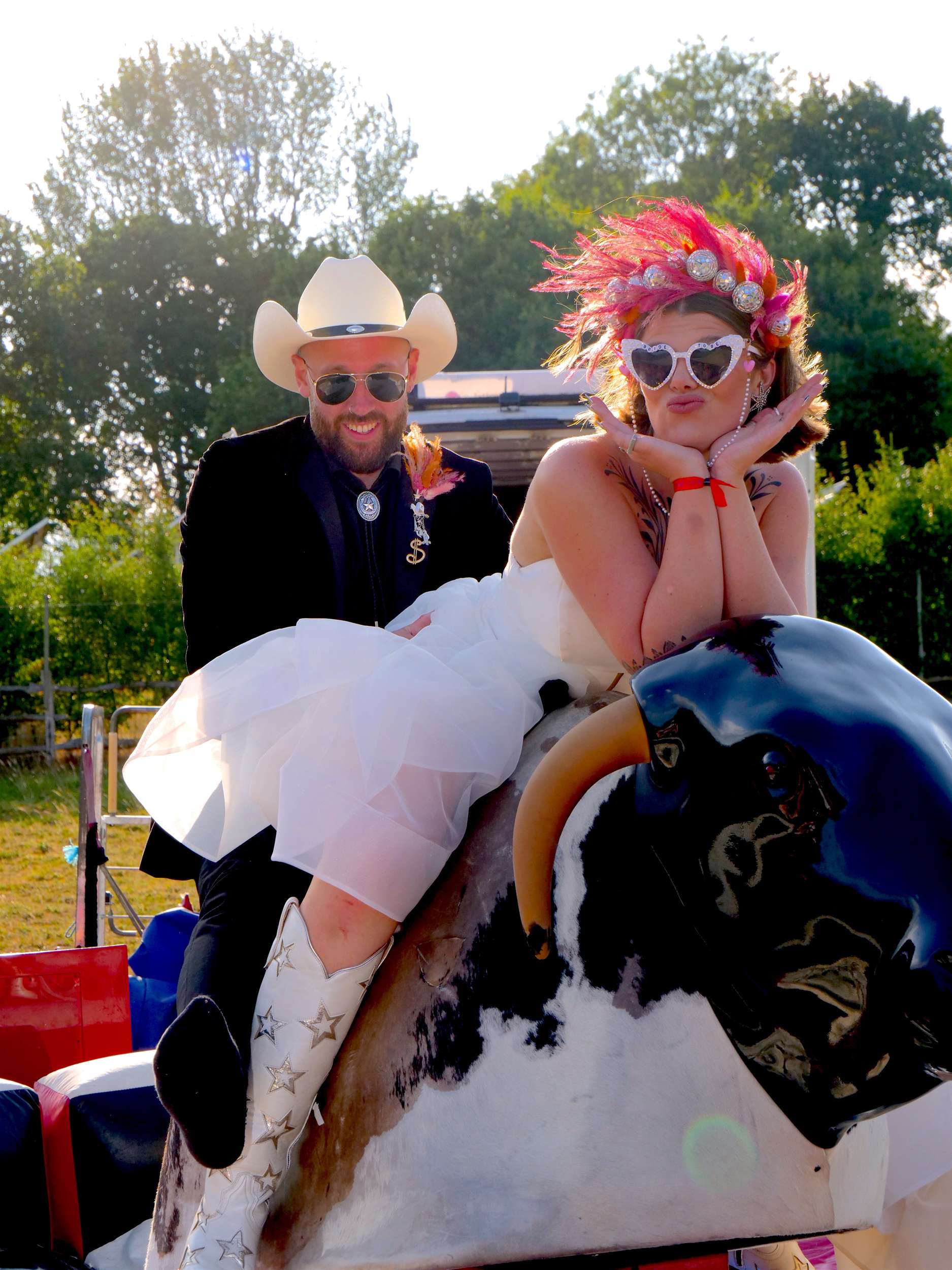
- Experiential Design: Couples are increasingly viewing their weddings as "productions" rather than static dinners. This includes the use of custom signage, theatrical lighting, and interactive music choices that are tailored to the couple’s specific cultural or subcultural interests.
- The Rise of "Festival" Culture: The integration of festival-style logistics—such as the use of tipis, hay bales for seating, and communal campfire spaces—reflects a desire for a relaxed, outdoor-centric social environment. This is a direct reaction against the formality of traditional banquet halls.
- Hyper-Personalization: By creating custom items, from the table plan to the specific props used during the ceremony, couples are asserting ownership over their narrative. The transition from a "Western" start to a "Showgirl" finish allowed the couple to showcase multiple facets of their personalities in a single day.
Analyzing the "Festival Wedding" Market
From a sociological perspective, the festival wedding represents a move toward communal celebration. Traditional weddings are often criticized for being overly rigid and structured; in contrast, a festival-themed event encourages movement, informal social interactions, and a sense of "play."
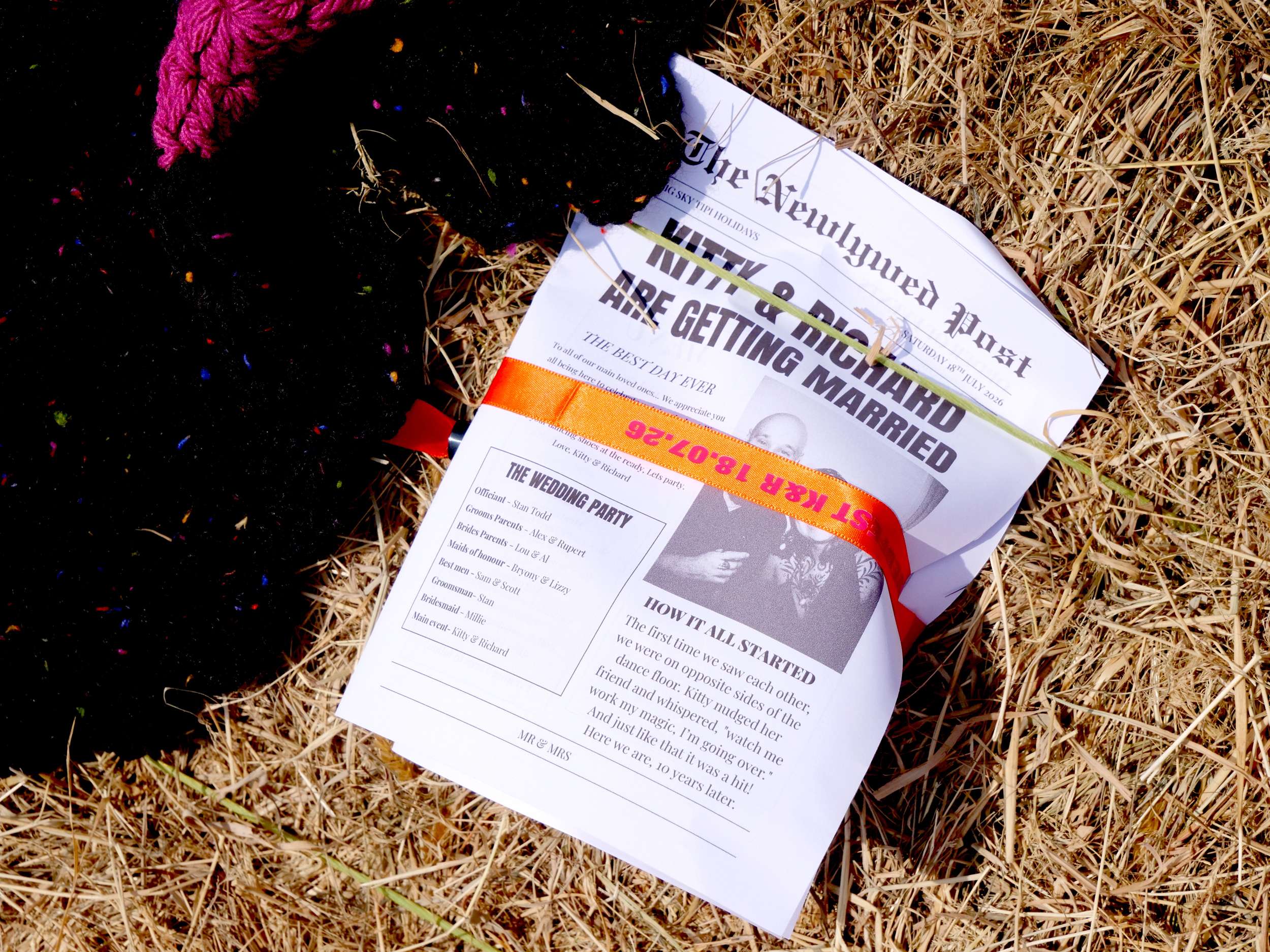
The logistical requirements of such an event—securing a site, managing power and sanitation for a remote location, and coordinating complex staging—suggest that this market is growing more sophisticated. Wedding planners who specialize in "dry hire" venues (where the couple rents the land and brings in all vendors) are seeing an uptick in demand, as more couples look for blank-canvas spaces to execute their vision.
Conclusion
The union of Richard and Kitty provides a clear illustration of how the modern wedding is evolving. By blending the legal efficiency of a Las Vegas elopement with the creative, labor-intensive production of a festival, they managed to craft an event that felt authentic to their personal history. While the logistical demands of a DIY event of this scale are significant, the resulting experience serves as a testament to the power of personalized, immersive event design. As the industry continues to move away from standardized packages, it is likely that we will see more couples following this path—turning their wedding day into a curated, theatrical, and deeply personal celebration that breaks the mold of traditional nuptial norms.
Related posts: