Beyond the Neon: Redefining the Las Vegas Wedding Aesthetic Through a Cultural Lens

The Las Vegas wedding industry, long synonymous with quick-fix chapels, neon-drenched facades, and the pervasive aesthetic of sequins and Elvis impersonators, is currently undergoing a subtle but significant evolution. While the city remains a global capital for spontaneous nuptials, a new movement is shifting the focus from mass-market kitsch to highly personalized, culturally resonant experiences. This shift is epitomized by a recent collaborative project spearheaded by Rare Hearts Studio, which has introduced a darker, more introspective, and deeply symbolic visual language to the desert landscape. By leveraging the iconography of the "sacred heart"—a motif deeply embedded in Latino heritage—the creative team behind this initiative has challenged the industry standard, offering an alternative for couples who seek to reconcile their cultural identity with the unique geography of Nevada.
A Departure from Tradition: The Sacred Heart Concept
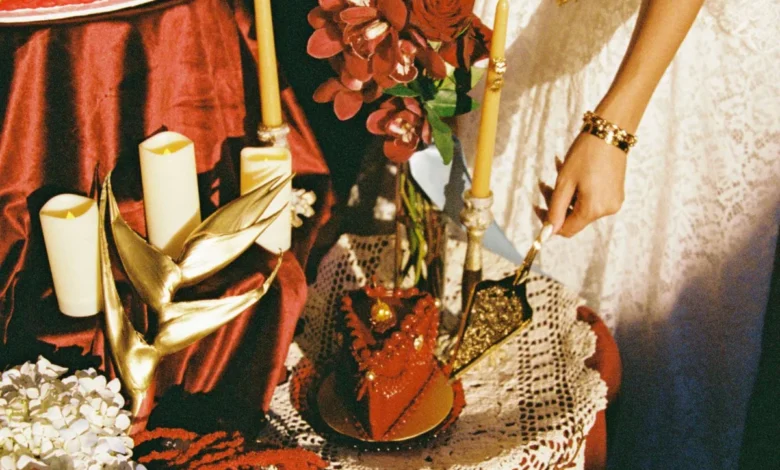
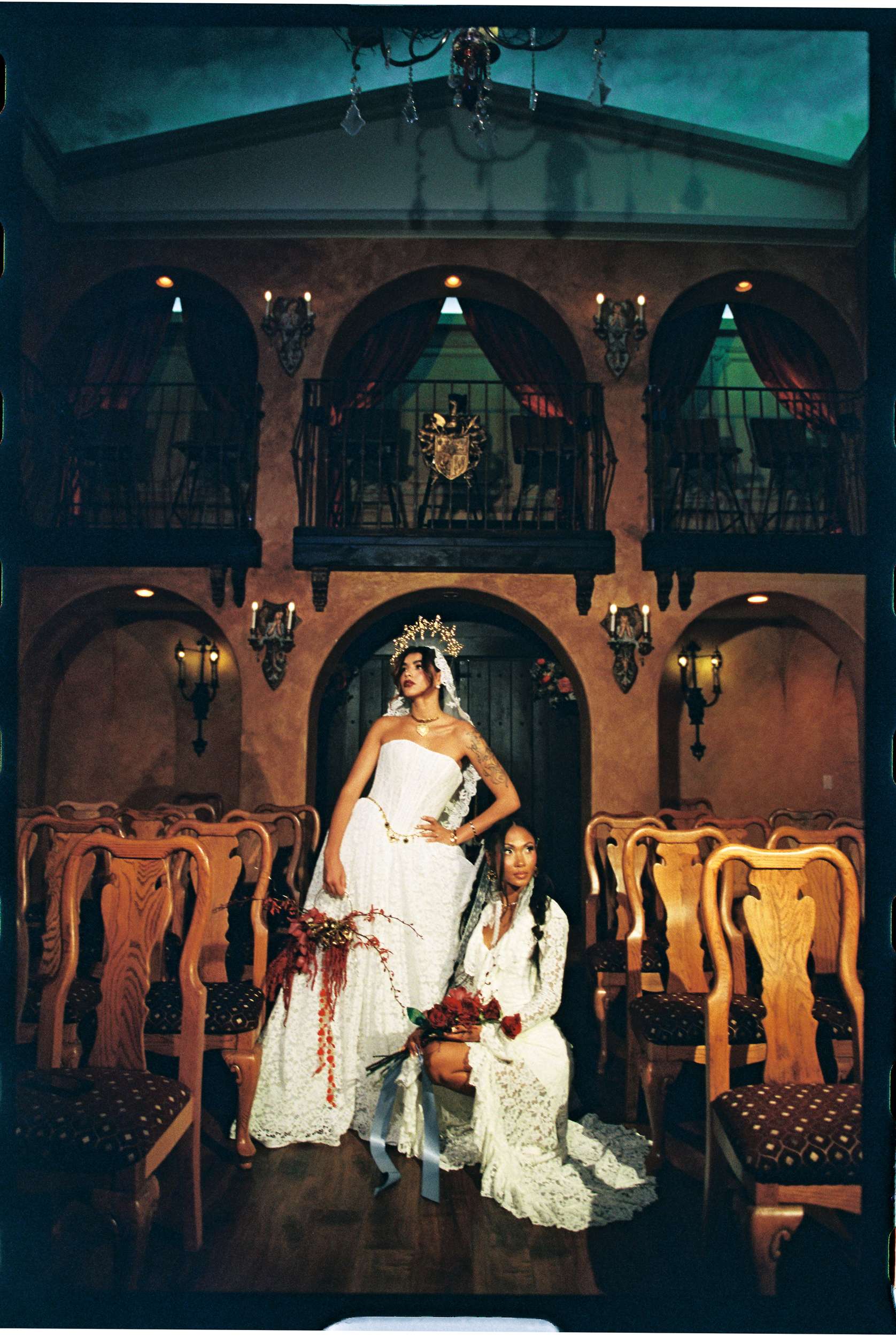
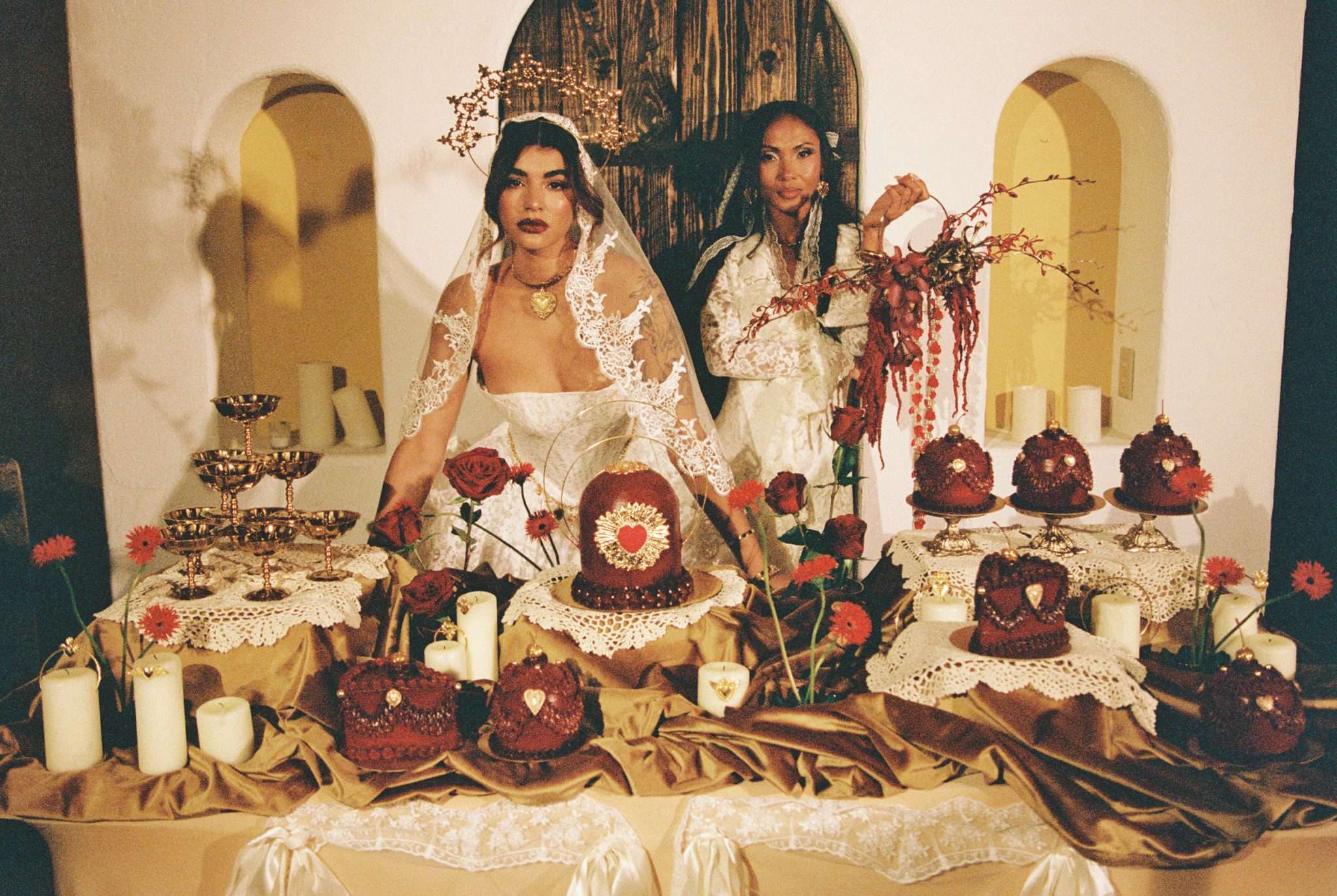
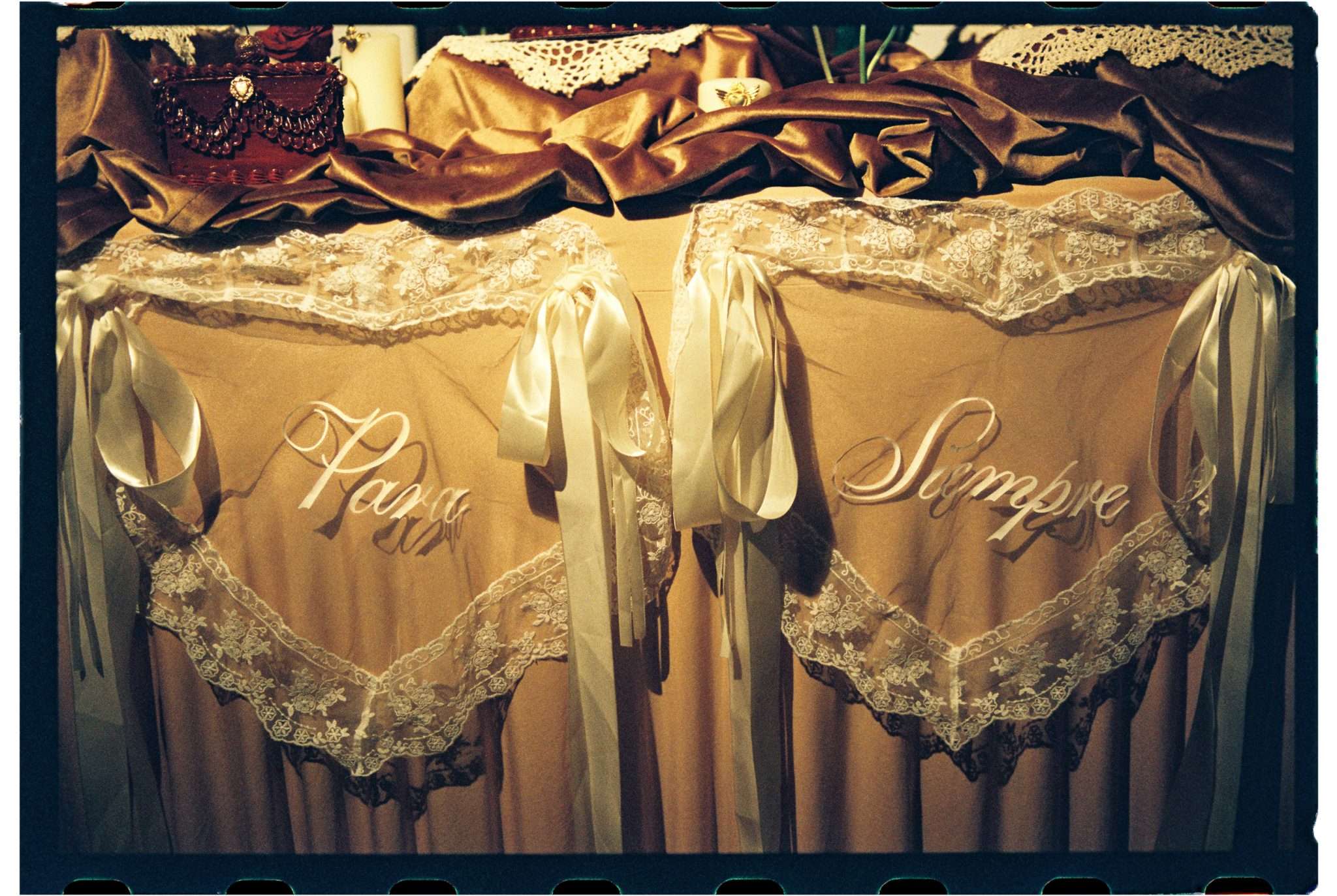
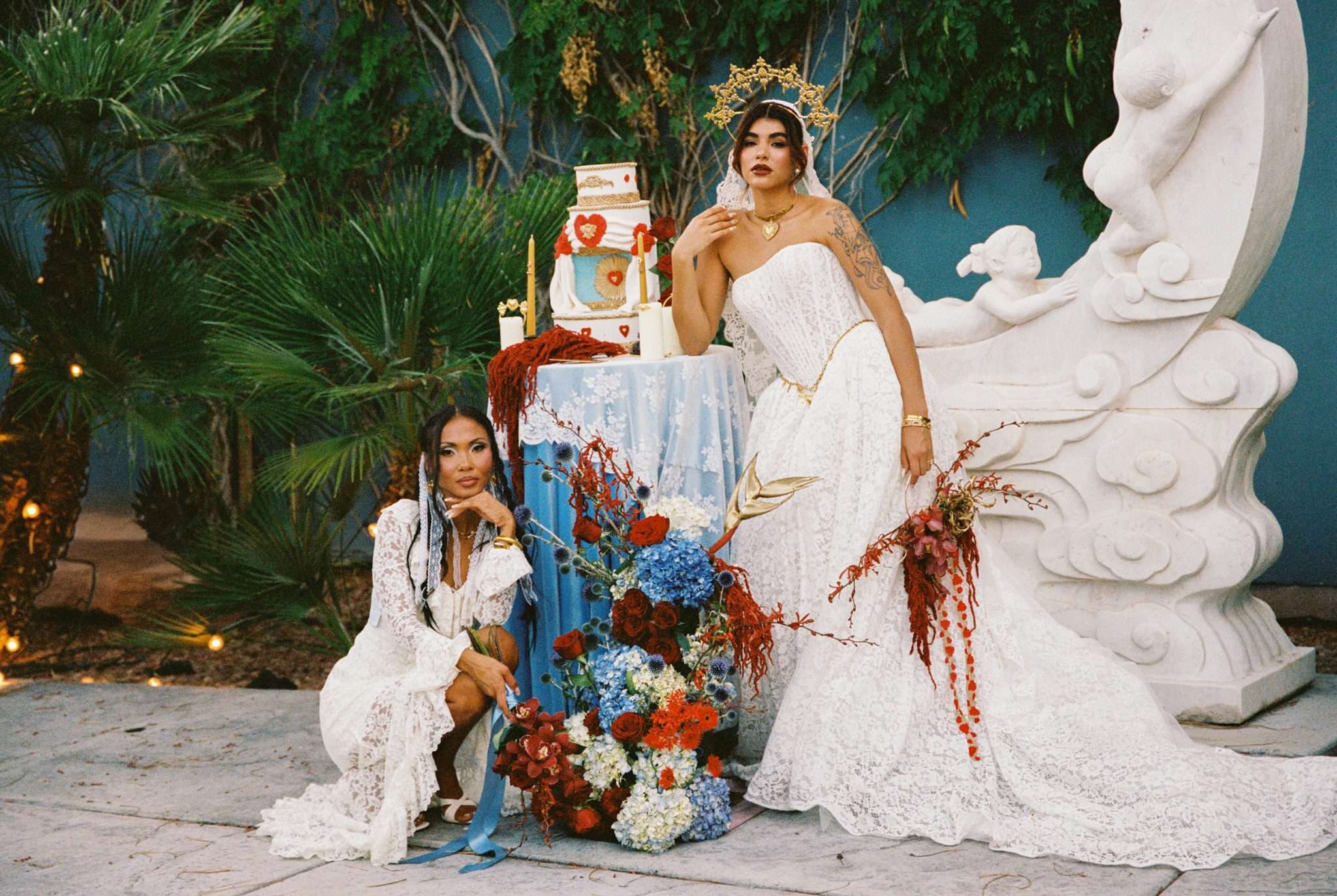
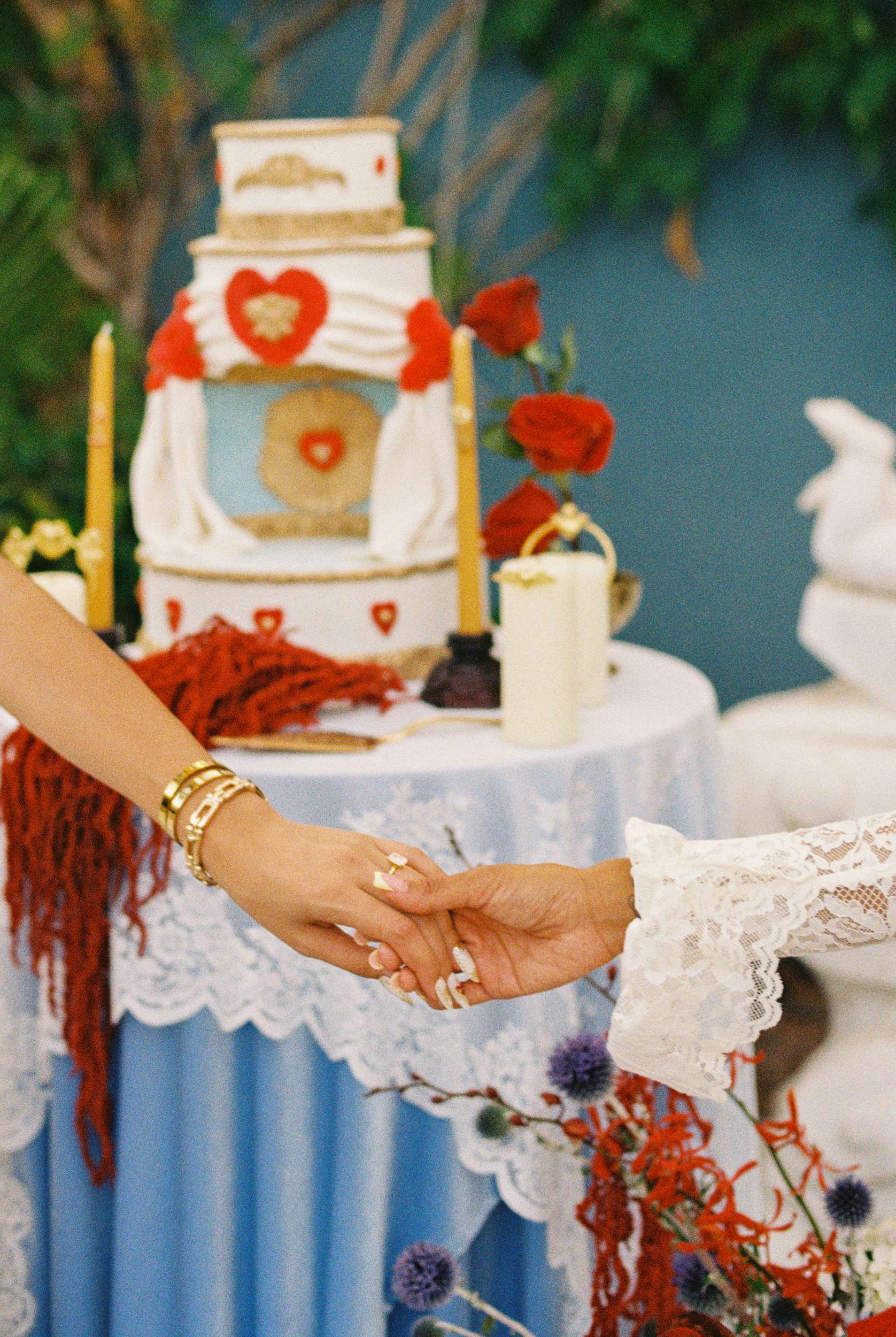
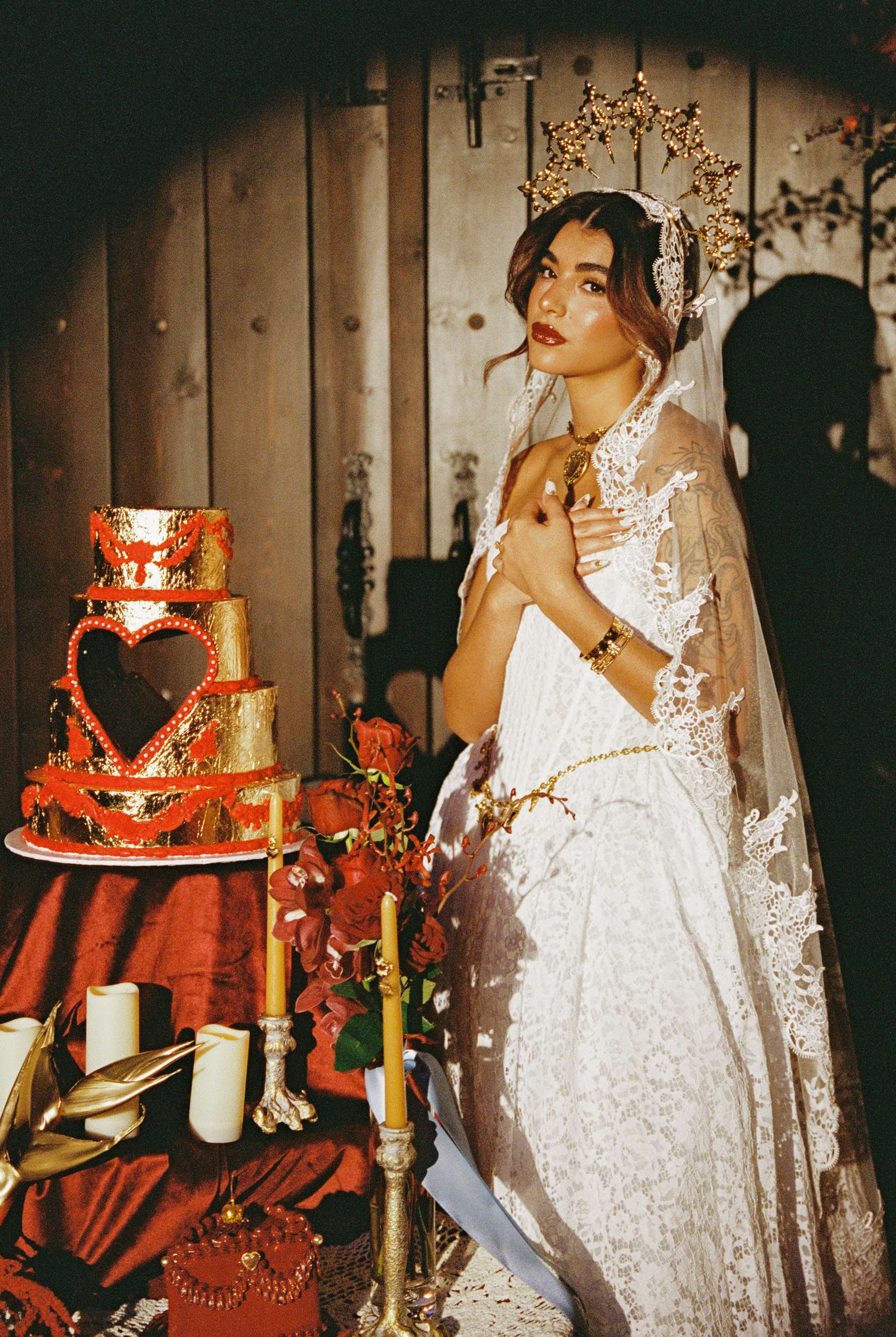
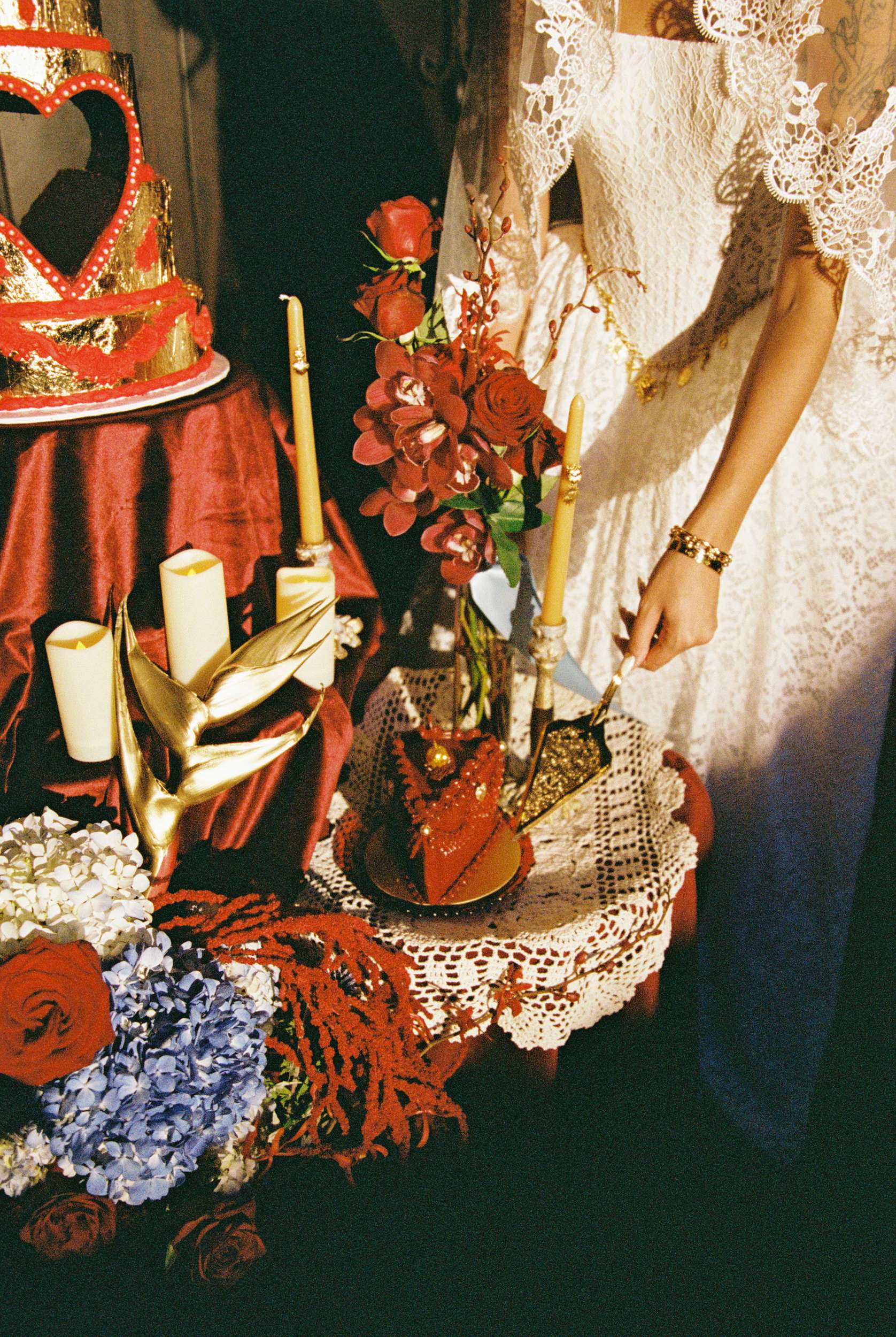
The conceptual framework of this project centers on the sacred heart, a devotional symbol prevalent in Catholic iconography that represents divine love and spiritual passion. In this reimagining, the symbol is stripped of its purely religious context and re-contextualized through a queer Latino lens. The creative process involved layering elements such as intricate lace textures, deep, blood-red floral arrangements, and elaborate artisanal cakes that mirror the solemn yet vibrant aesthetic of traditional altars.
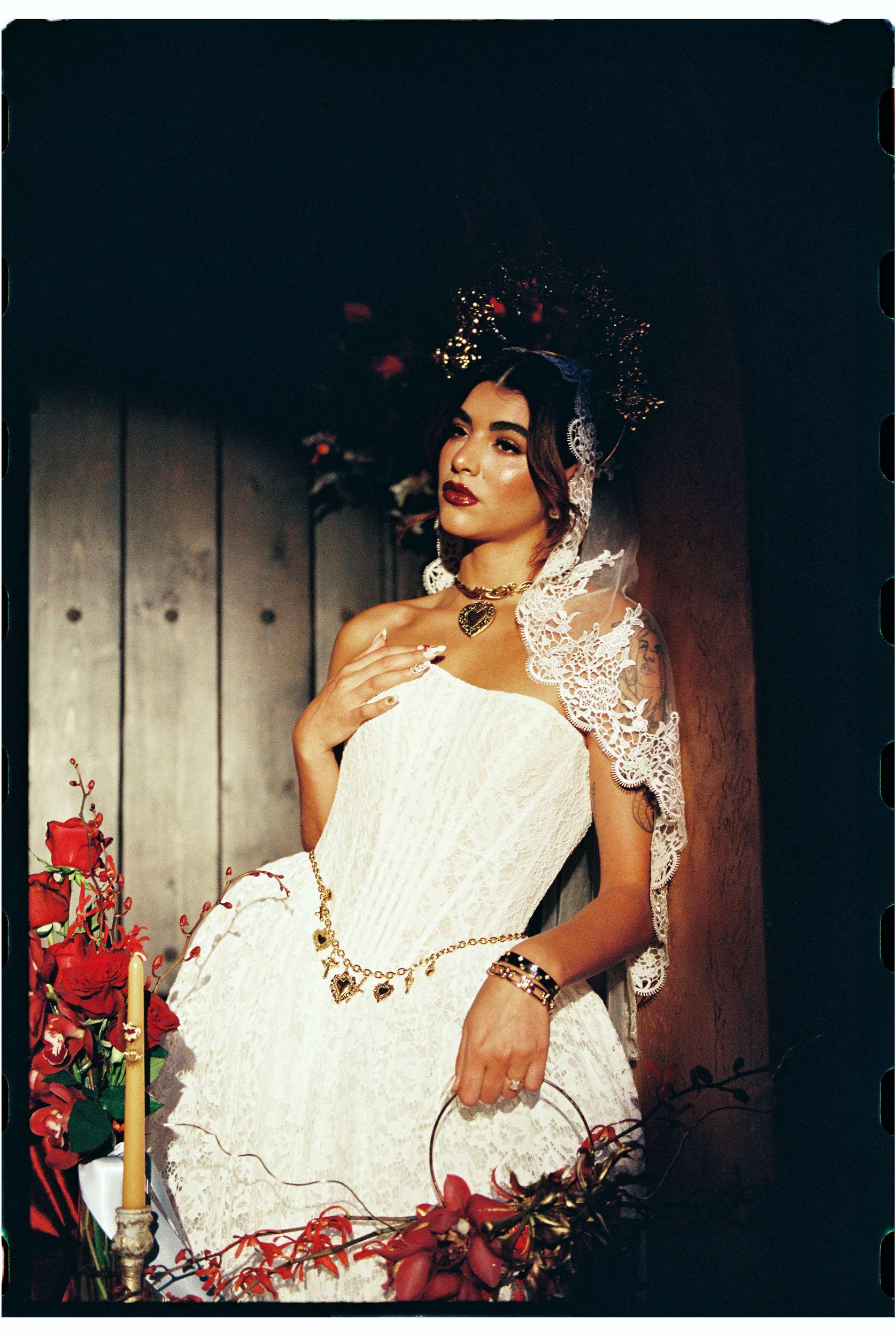
The primary objective was to address a growing demand among modern couples who feel disconnected from the standard "Vegas look." By incorporating elements that are historically and emotionally significant, Rare Hearts Studio has demonstrated that even within the ephemeral nature of a destination wedding, there is ample space for the expression of personal heritage. This movement signals a departure from the "cookie-cutter" wedding packages that have defined the city’s industry for decades, moving instead toward bespoke narratives that prioritize storytelling over spectacle.
Collaborative Execution: A Multi-Medium Approach
The production of this vision required the synergy of three distinct photography firms: Velvet Alchemy Photos, Cruz Valentin Photography, and Cactus Bloom Photography. The technical execution involved a blend of digital and film photography, a choice made to capture the moody, cinematic lighting that defines the "sacred heart" aesthetic. The use of film, in particular, adds a tactile, nostalgic quality that contrasts sharply with the high-contrast, over-saturated imagery often associated with commercial Vegas photography.
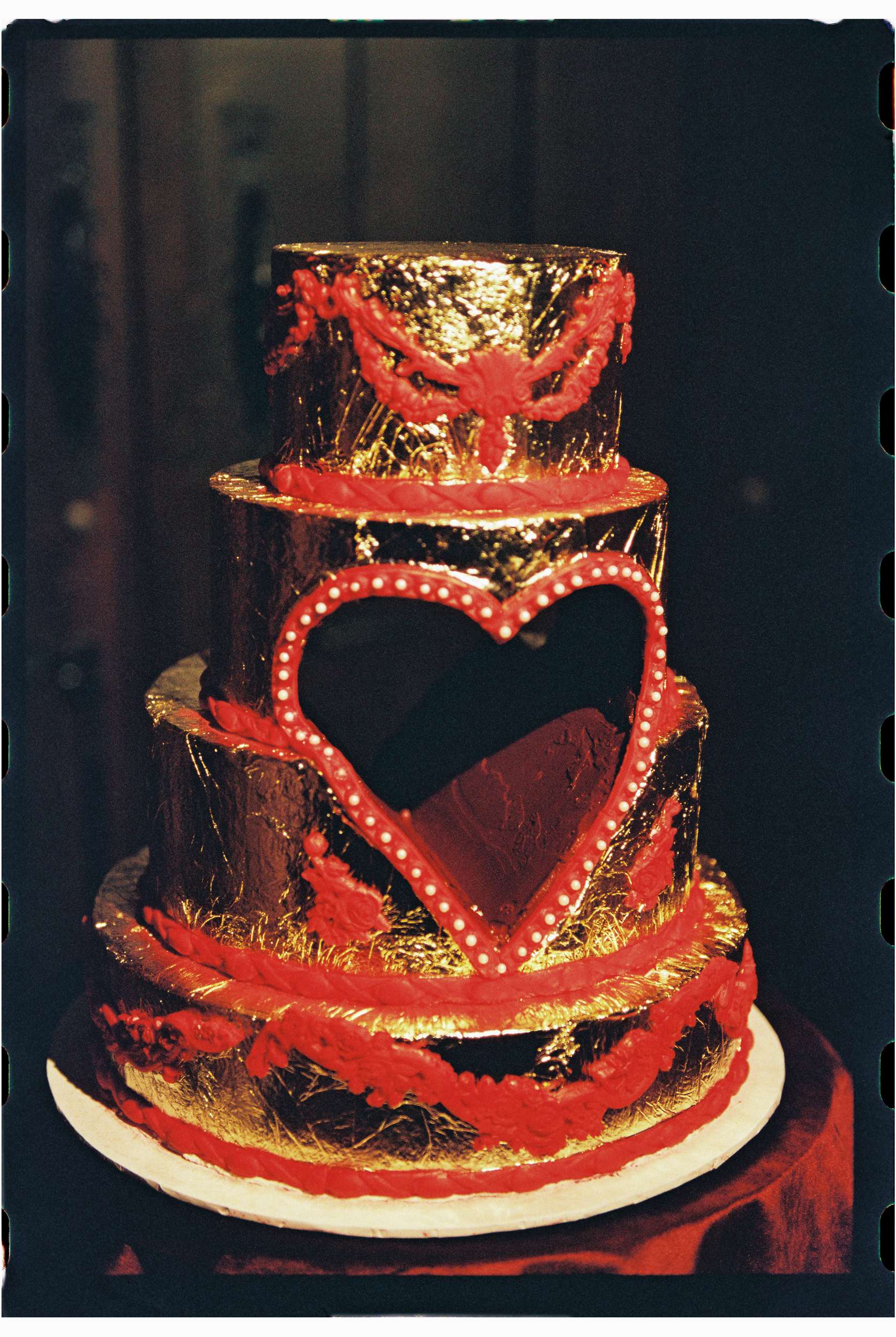
The timeline for the project followed an intensive, multi-day creative development phase, beginning with thematic research into the natural history of the sacred heart and culminating in an on-location shoot that utilized the unique environmental textures of the Las Vegas area. By moving away from the crowded Strip and into more intimate, controlled environments, the team was able to focus on the interplay of light and shadow, highlighting the complexity of their subjects.
The Las Vegas Wedding Market: Data and Trends
The wedding industry in Las Vegas is a multi-billion dollar economic engine. According to data from the Clark County Clerk’s Office, the region typically processes over 75,000 marriage licenses annually. Historically, this market has been dominated by high-volume, low-cost "express" ceremonies. However, recent market trends indicate a pivot toward "micro-weddings" and elopements that prioritize quality and customization.
A 2024 industry report by the Wedding Report and similar industry analysts suggests that nearly 40% of couples choosing destination weddings are now seeking unique, culturally specific themes that deviate from traditional event templates. This demographic shift is largely driven by millennial and Gen Z couples who value representation and personal identity in their wedding celebrations. The rise of these "intimate" ceremonies—often involving only the couple and a small group of immediate family—allows for greater creative freedom, as the logistical constraints of large-scale, 200-guest receptions are removed.
Implications for the Wedding Industry
The success of the Rare Hearts Studio project offers a blueprint for other local vendors looking to expand their offerings. As the industry matures, there is an increased expectation for vendors to demonstrate cultural competency. For queer Latino couples, in particular, the ability to find service providers who understand and respect their cultural and personal identities is not merely a stylistic preference; it is a necessity for a meaningful celebration.
Industry experts observe that this trend toward "culturally-conscious weddings" is likely to have long-term implications for the Las Vegas wedding market. As couples increasingly demand authentic, identity-affirming experiences, venues and planners will need to pivot away from generic themes. The integration of traditional symbols—like the sacred heart—into a modern wedding context suggests that the future of the Las Vegas wedding industry lies in its ability to act as a canvas for the diverse backgrounds of its visitors.
Official Perspectives and Creative Intent
The creative team has been explicit regarding their motivations, noting that the project serves as a form of representation. In a statement reflecting on the project, the team emphasized, "It was essential for us to showcase a vision that felt both romantic and authentic. We wanted to move past the superficiality of the typical Vegas wedding and create something that spoke to the history and the heart of our community."
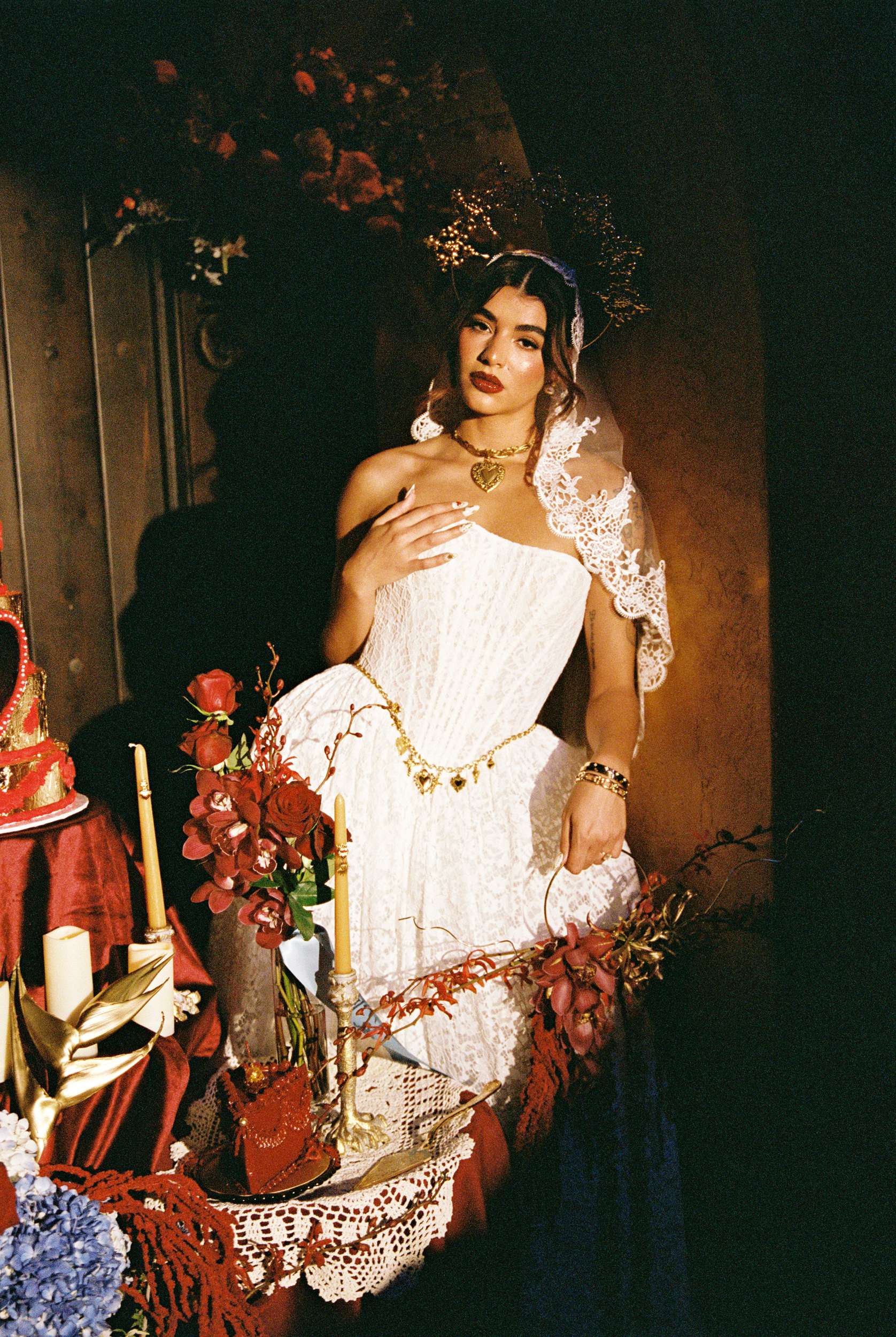
This sentiment is echoed by many in the creative sector who argue that the "Vegas aesthetic" has been artificially limited by the city’s own marketing. By demonstrating what is possible within an intimate setting, the team is encouraging other couples to reclaim the city for themselves. They argue that the difficulty for many couples lies not in the desire for a unique theme, but in the execution—specifically in finding vendors who can bridge the gap between abstract concepts and physical reality.
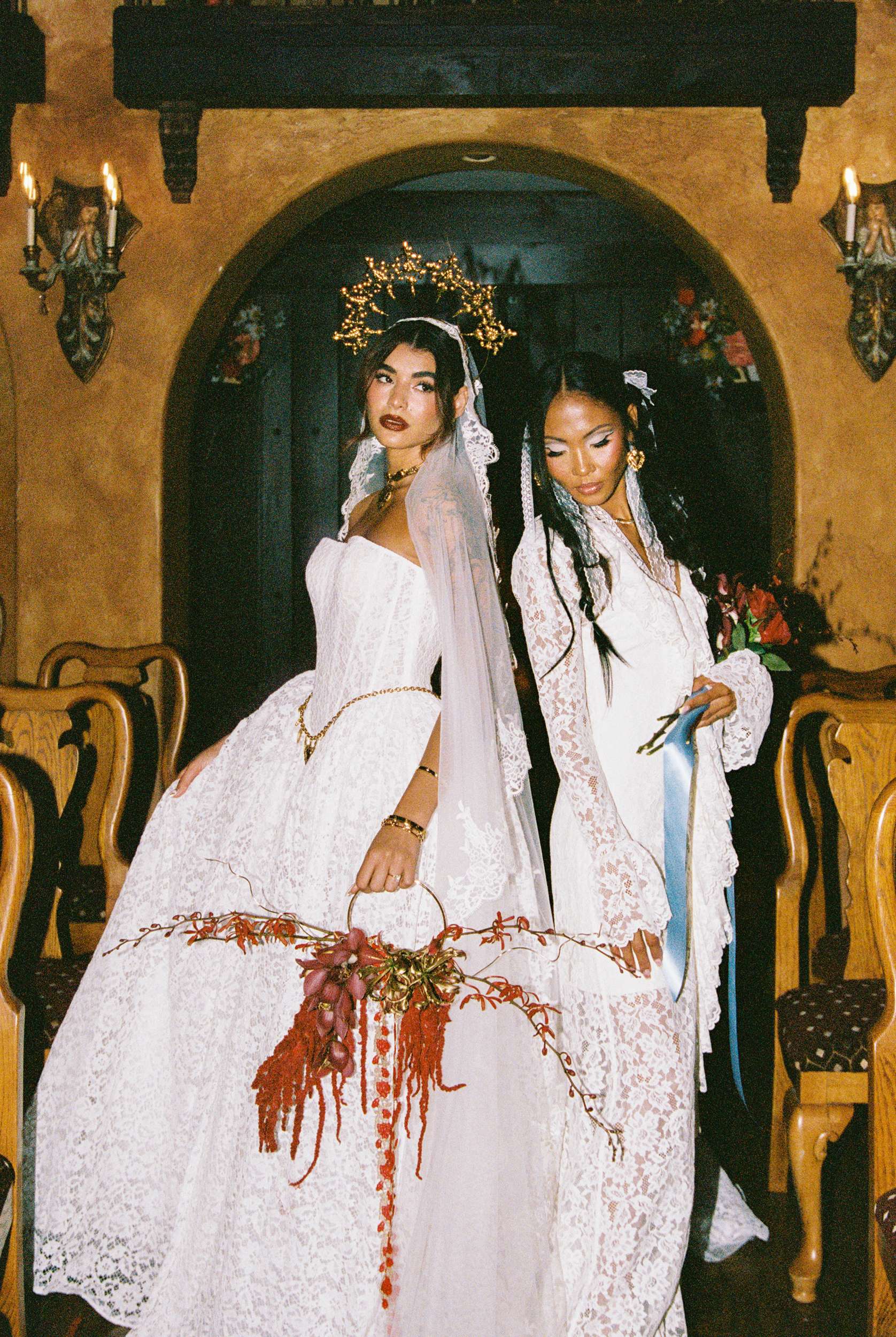
Broader Cultural Impact
The significance of this project extends beyond the aesthetic appeal of the imagery. It touches upon the broader societal discourse regarding the ownership of public spaces and the homogenization of cultural rituals. When a traditionally Catholic symbol is re-interpreted through a queer lens, it functions as a reclamation of identity. It asserts that there is room for diverse, non-traditional narratives in cities that are often characterized by consumerist tropes.
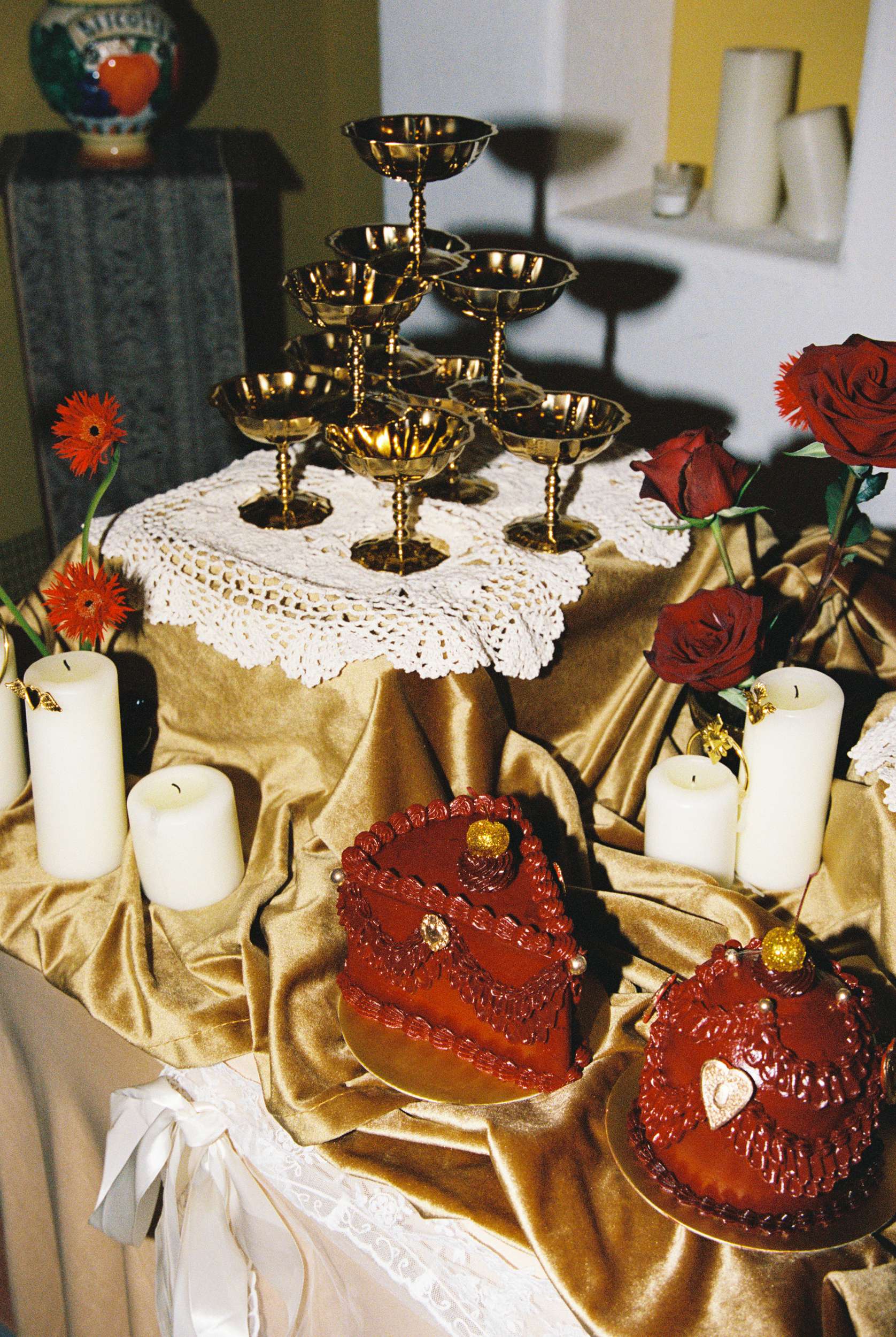
Furthermore, by documenting this process via both digital and film, the photographers have ensured that the narrative remains accessible. The deliberate choice of film, with its inherent imperfections and artistic depth, serves as a metaphor for the human experience—messy, beautiful, and deeply personal. As the wedding industry continues to recover and evolve post-pandemic, the demand for such authentic, high-quality, and meaningful experiences is projected to grow.
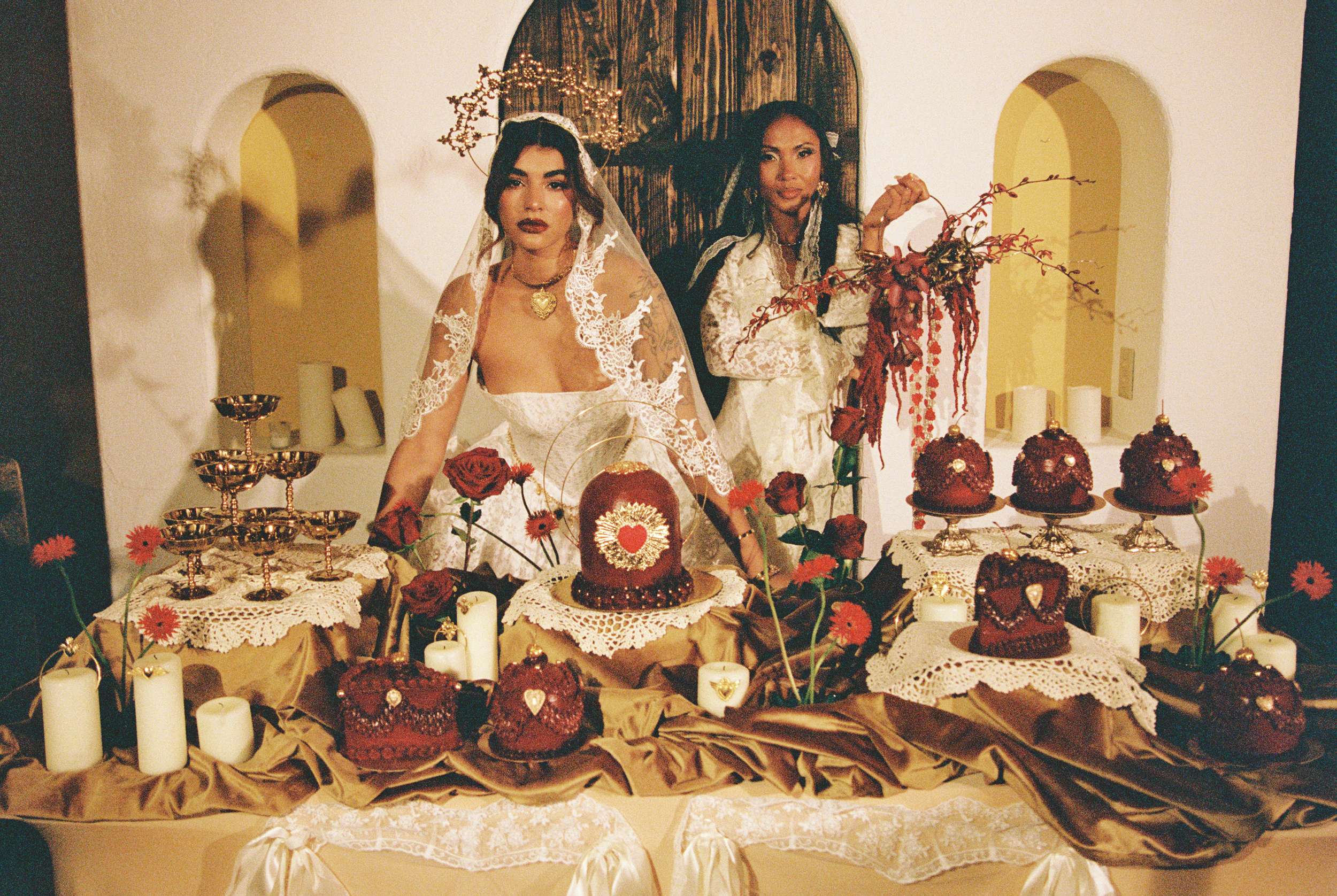
Conclusion
The work of Rare Hearts Studio and its collaborators marks a transformative moment for the Las Vegas wedding scene. It highlights a critical intersection between the city’s role as a global entertainment hub and the individual’s need for authentic self-expression. By moving beyond the neon lights and the superficiality of the "Vegas experience," they have provided a roadmap for a new generation of couples to create weddings that are not only visually striking but also deeply resonant.
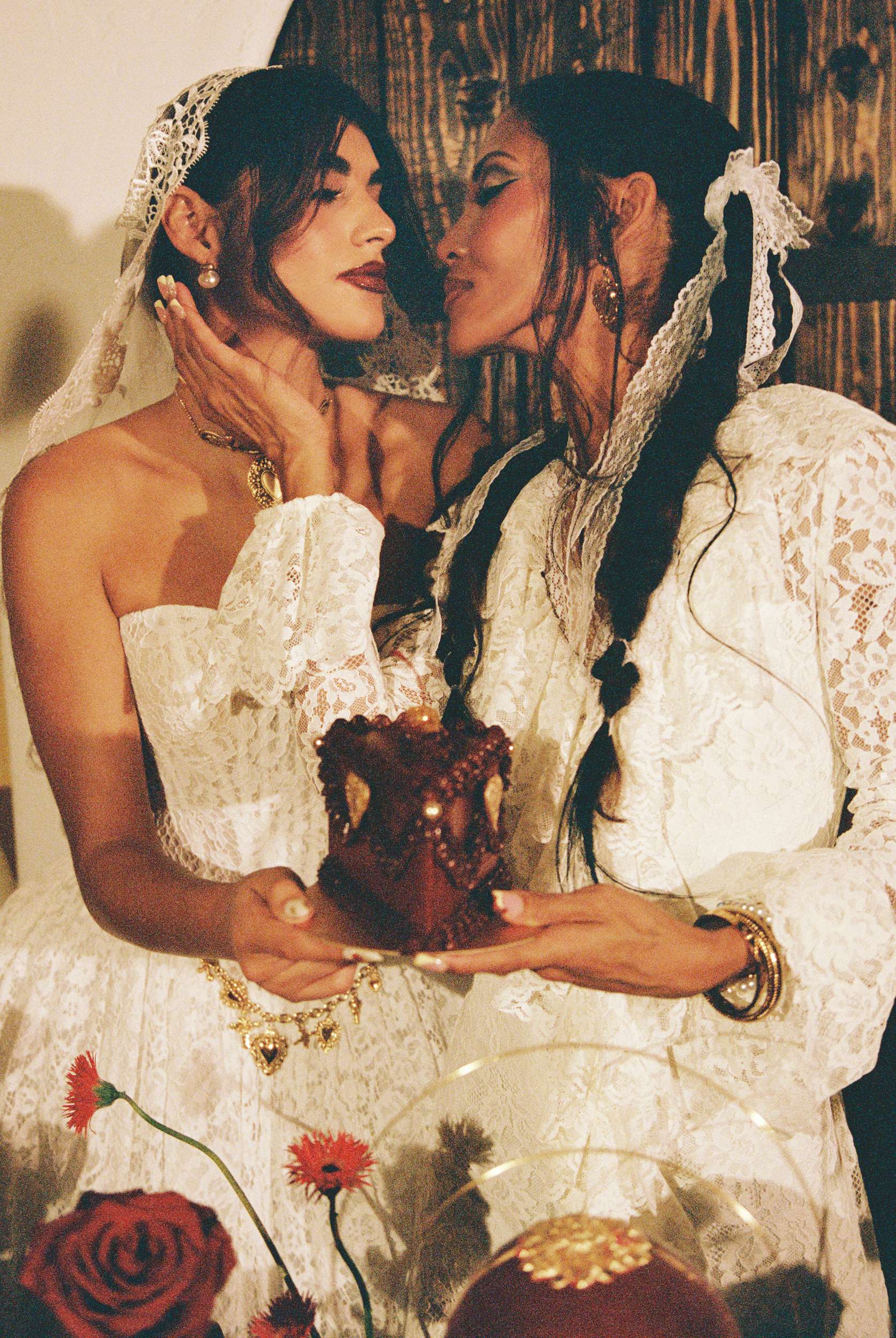
As the industry looks forward, the success of this project serves as a reminder that the most compelling narratives are often those that honor the past while fearlessly embracing the present. For those planning an intimate ceremony, the takeaway is clear: the city is not a static backdrop, but a dynamic environment that can be molded to reflect the depth, complexity, and beauty of one’s own identity. Whether through the integration of heritage-based motifs or the selection of non-traditional vendors, the future of the Las Vegas wedding is, above all, personal.