The Allure of Marrakech: Balancing Urban Exploration with Luxury Retreats for the Modern Traveler

Marrakech has long stood as a pinnacle of North African tourism, offering a dense, sensory-rich experience that juxtaposes ancient tradition with modern luxury. For the contemporary traveler—particularly those seeking a destination that accommodates both the desire for cultural immersion and the need for post-event recuperation—the city presents a unique logistical challenge. Recent industry analysis from the Hyatt Vows & Venues study highlights a shift in travel trends, with 20% of honeymooners now prioritizing city-based escapes over traditional beach holidays. This shift underscores a growing demand for travel destinations that offer high-energy exploration alongside exclusive, restorative accommodations.
The Dynamics of Modern Travel: City vs. Coastal Retreats
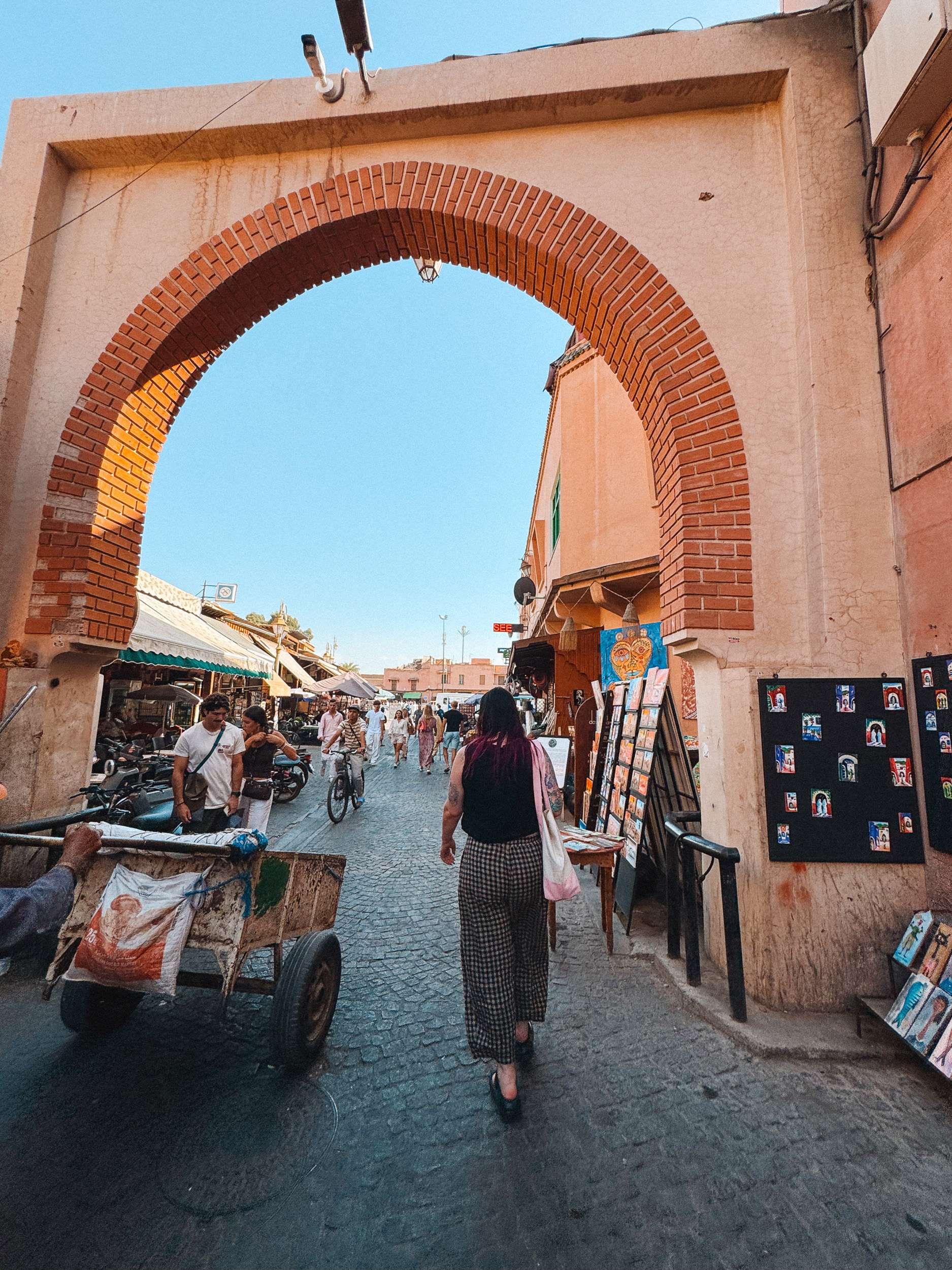
Data suggests that while 45% of travelers still opt for the "classic beach break," the appeal of cities like Marrakech lies in their multifaceted nature. Marrakech serves as a gateway to the Atlas Mountains, the desert, and the rich architectural history of the Maghreb. However, the intensity of the city’s medina—a UNESCO World Heritage site characterized by its labyrinthine alleys, bustling souks, and high-frequency foot traffic—necessitates a strategic approach to lodging.
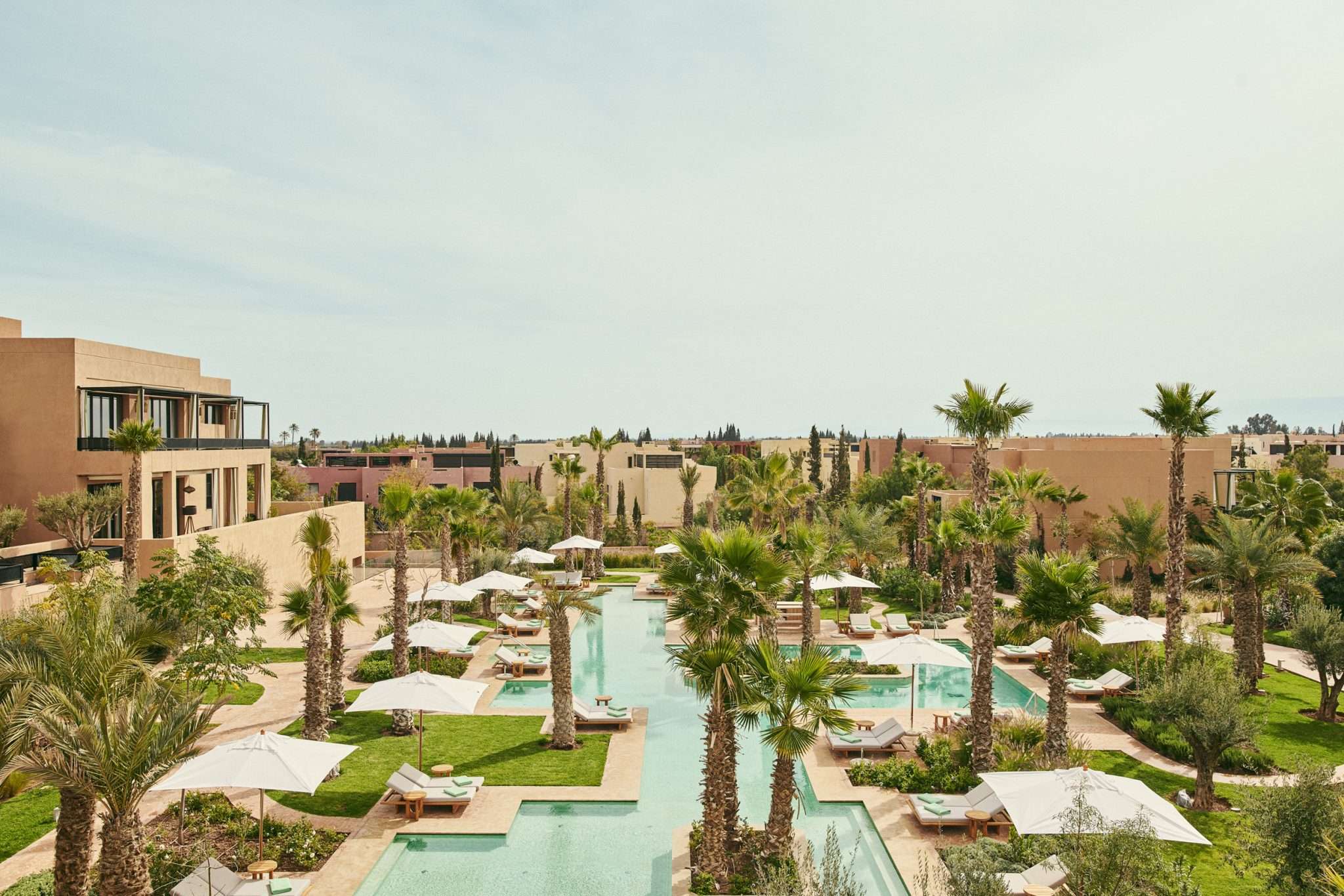
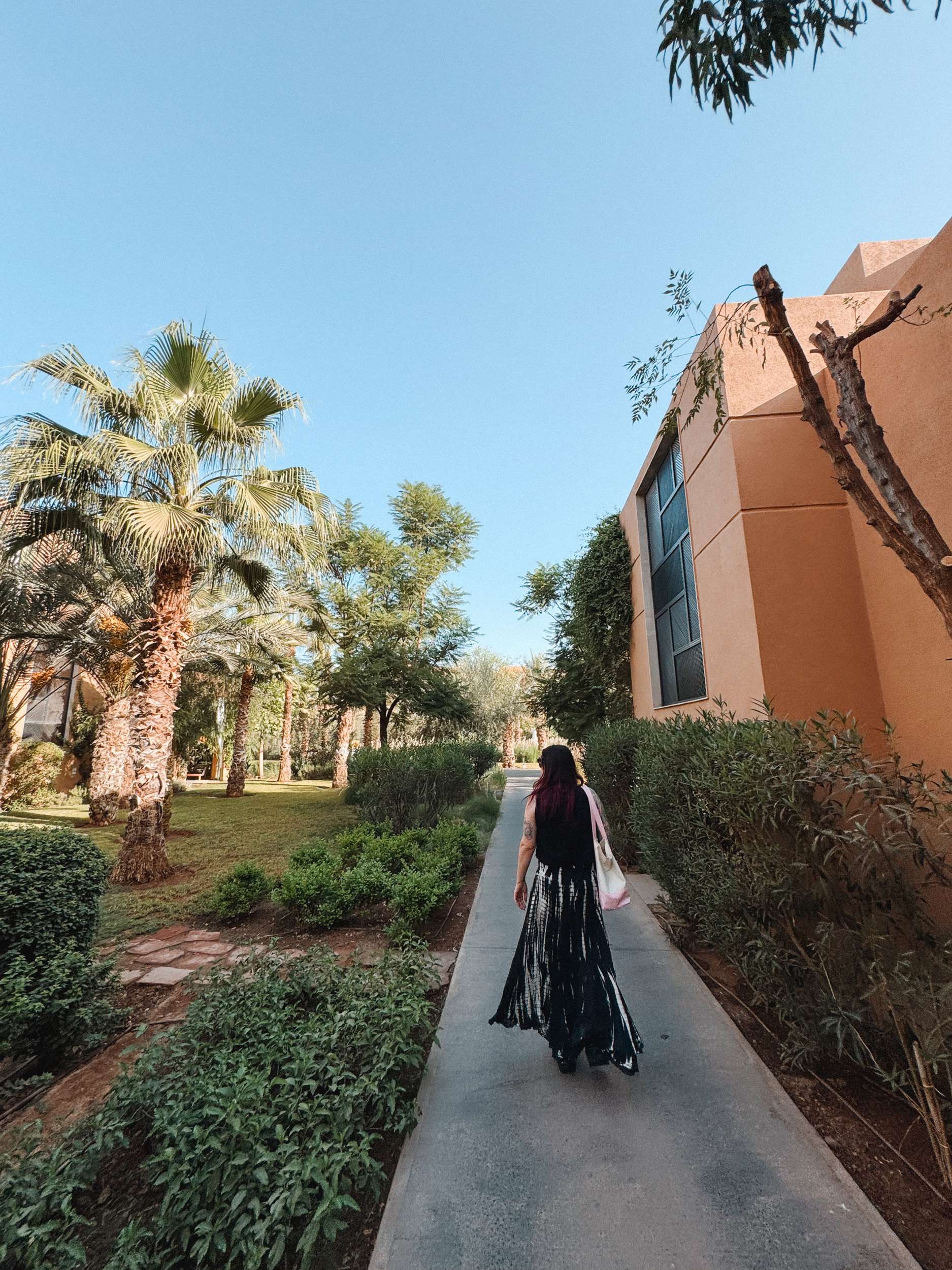
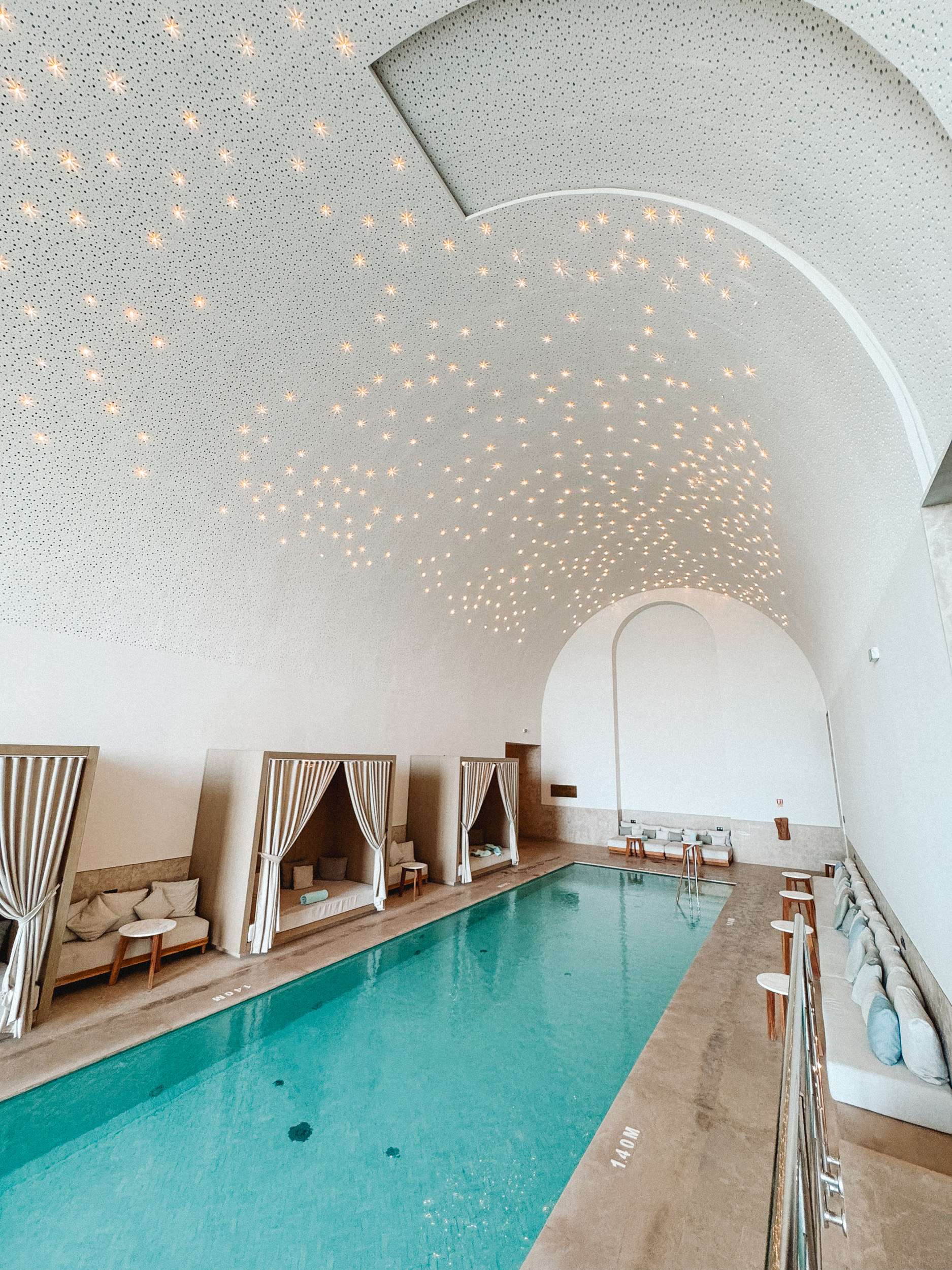
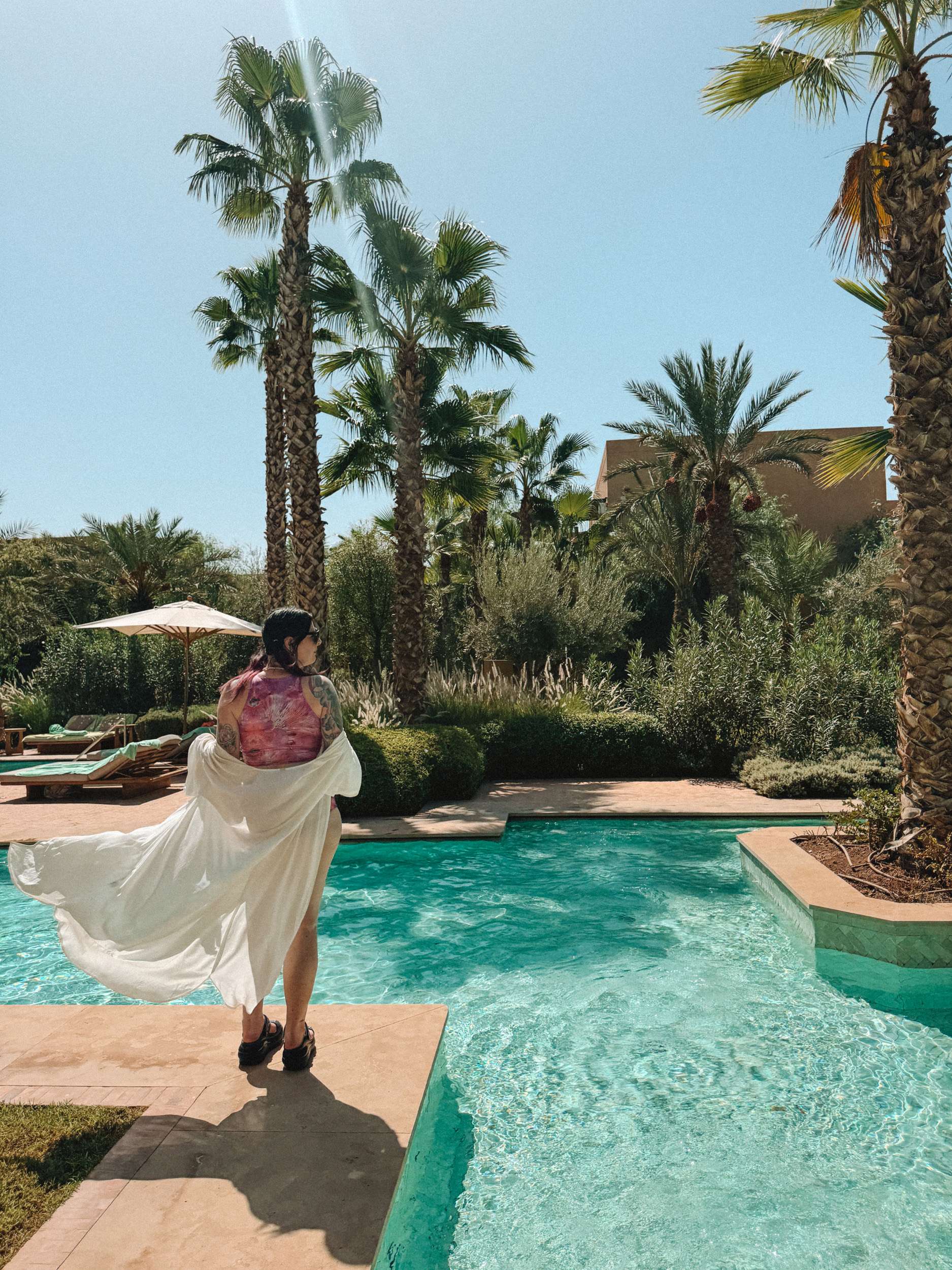
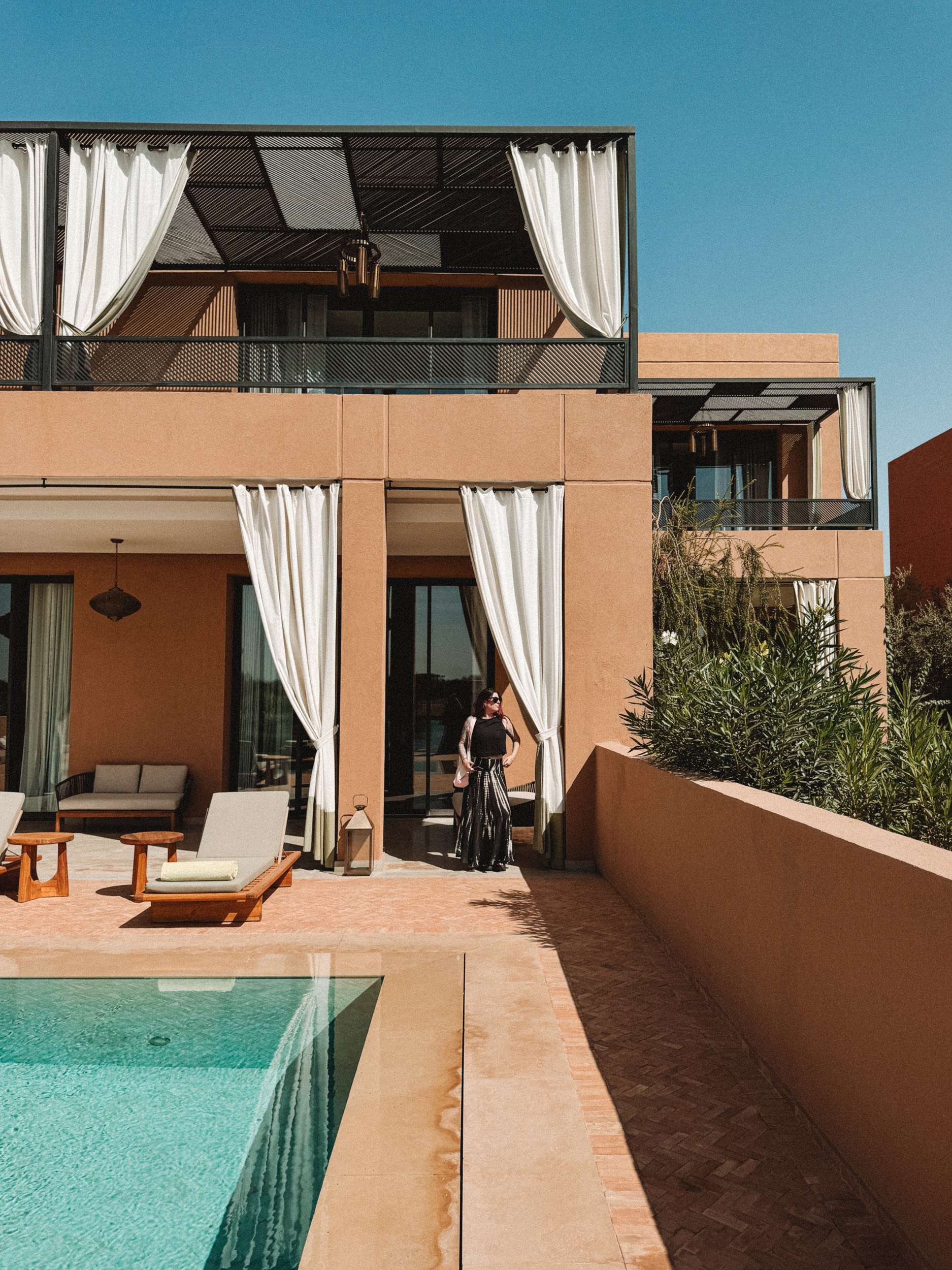
Staying outside the historic center, as exemplified by the Park Hyatt Marrakech, has become a preferred strategy for travelers seeking to mitigate the sensory overload inherent in the city’s core. By positioning high-end resorts on the periphery, operators are providing a necessary "de-escalation" zone. This structural separation allows guests to engage with the vibrant local economy during daylight hours while retreating to a controlled environment that features specialized amenities such as multi-pool complexes, integrated spa facilities, and fine dining, which are essential for long-term visitor comfort.
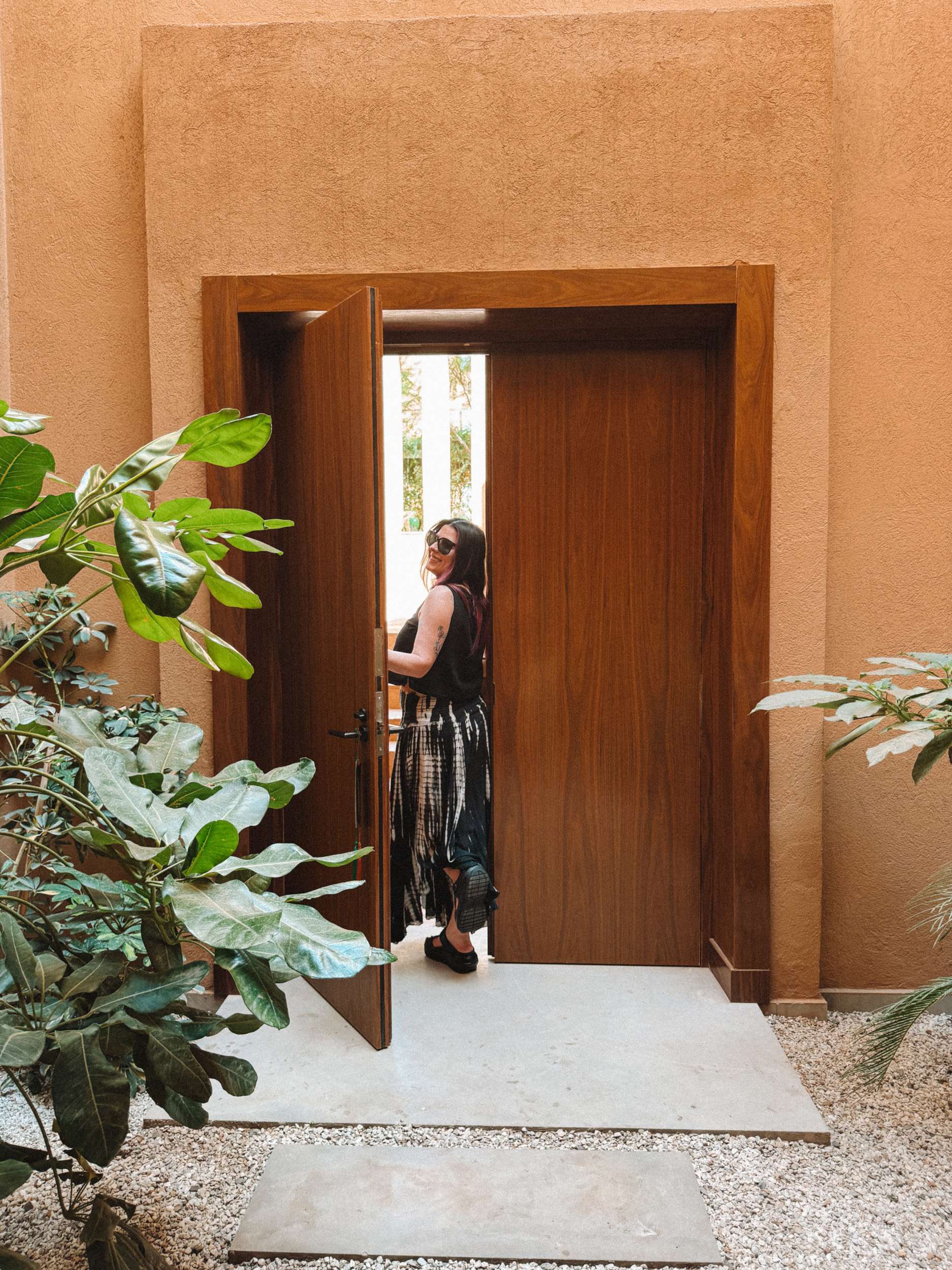
A Chronology of Exploration: A 48-Hour Case Study
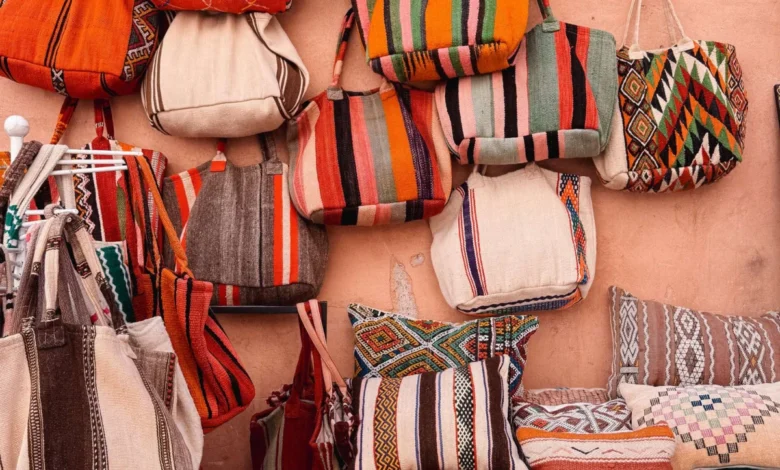
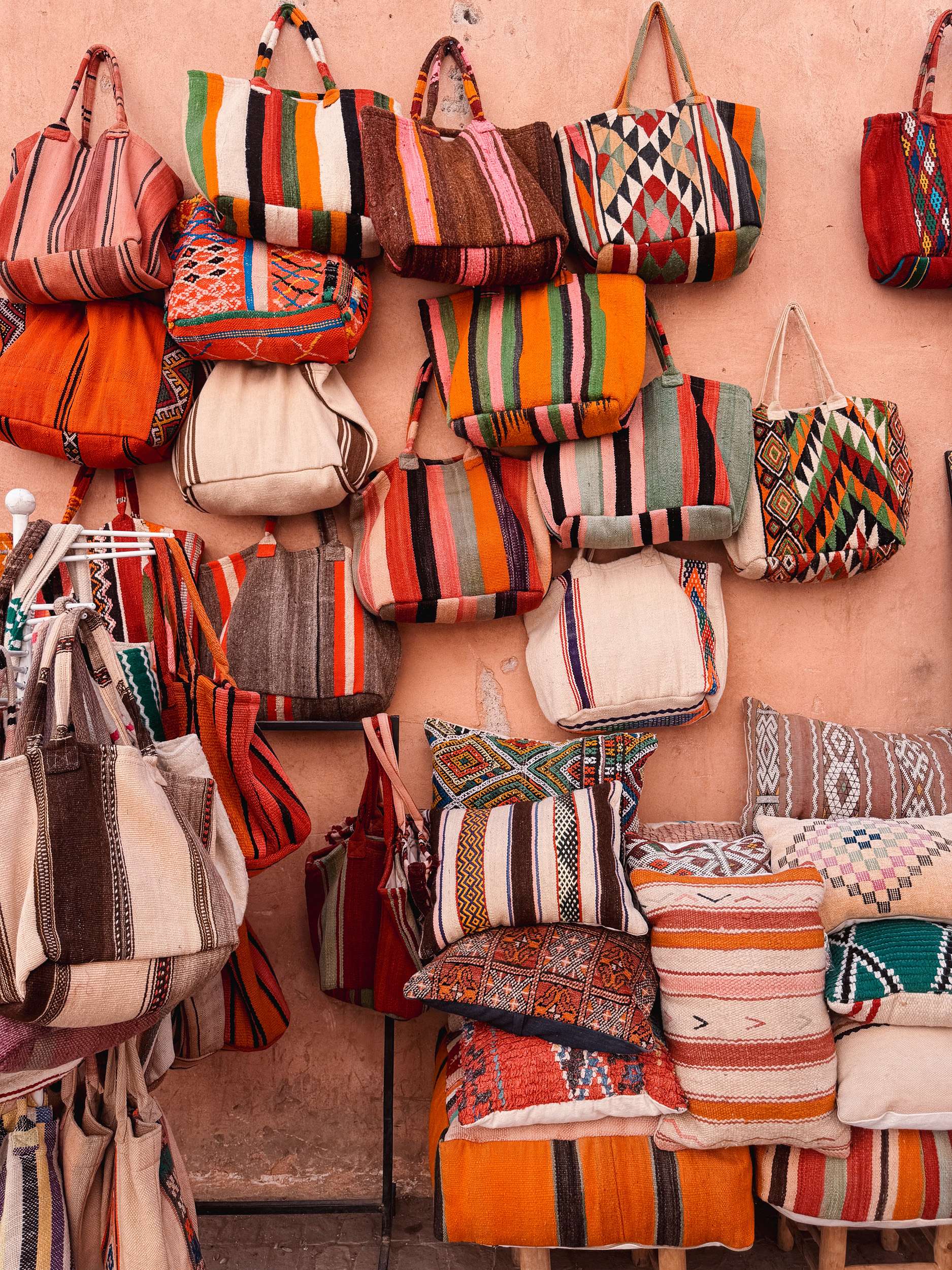
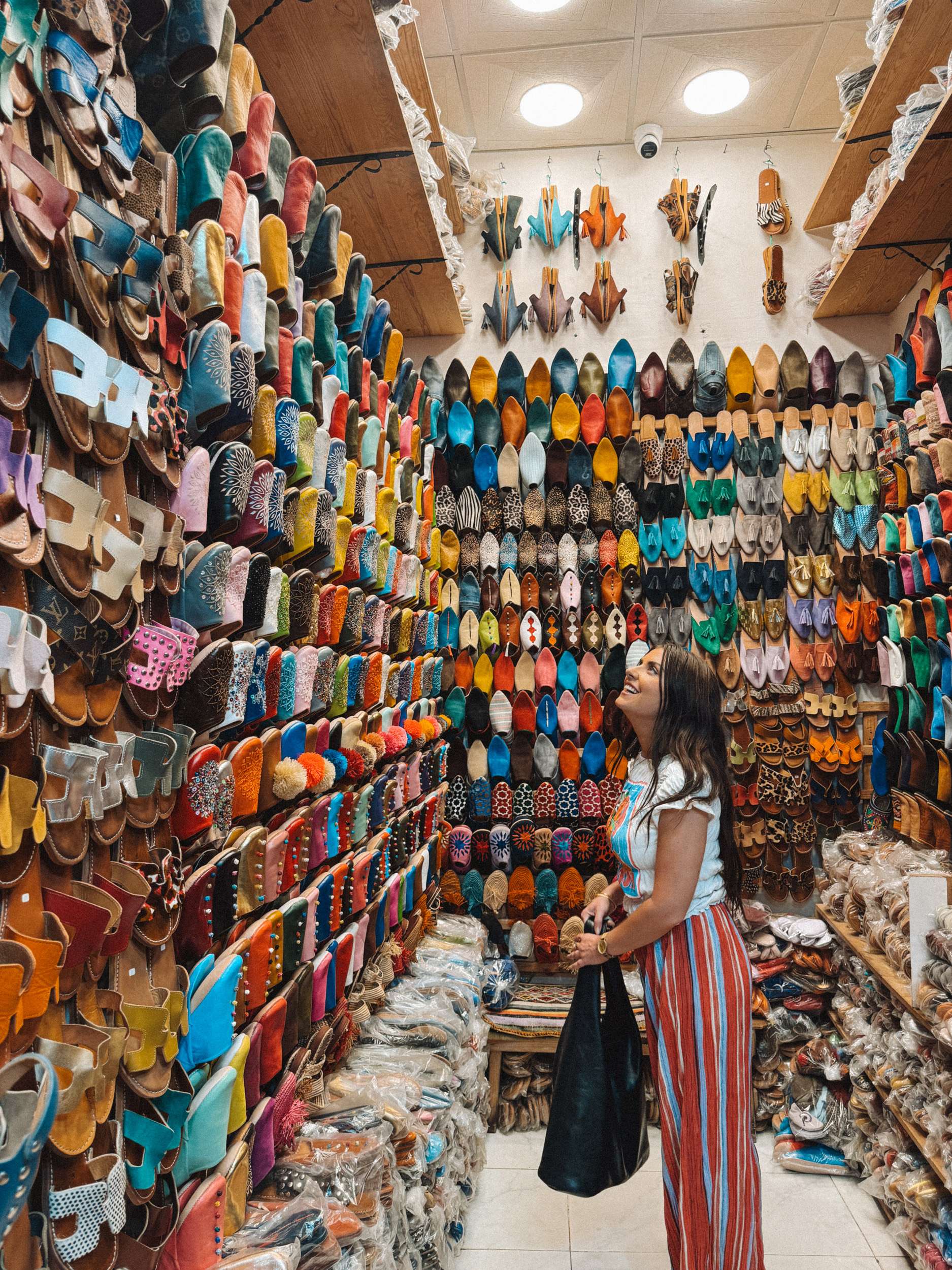
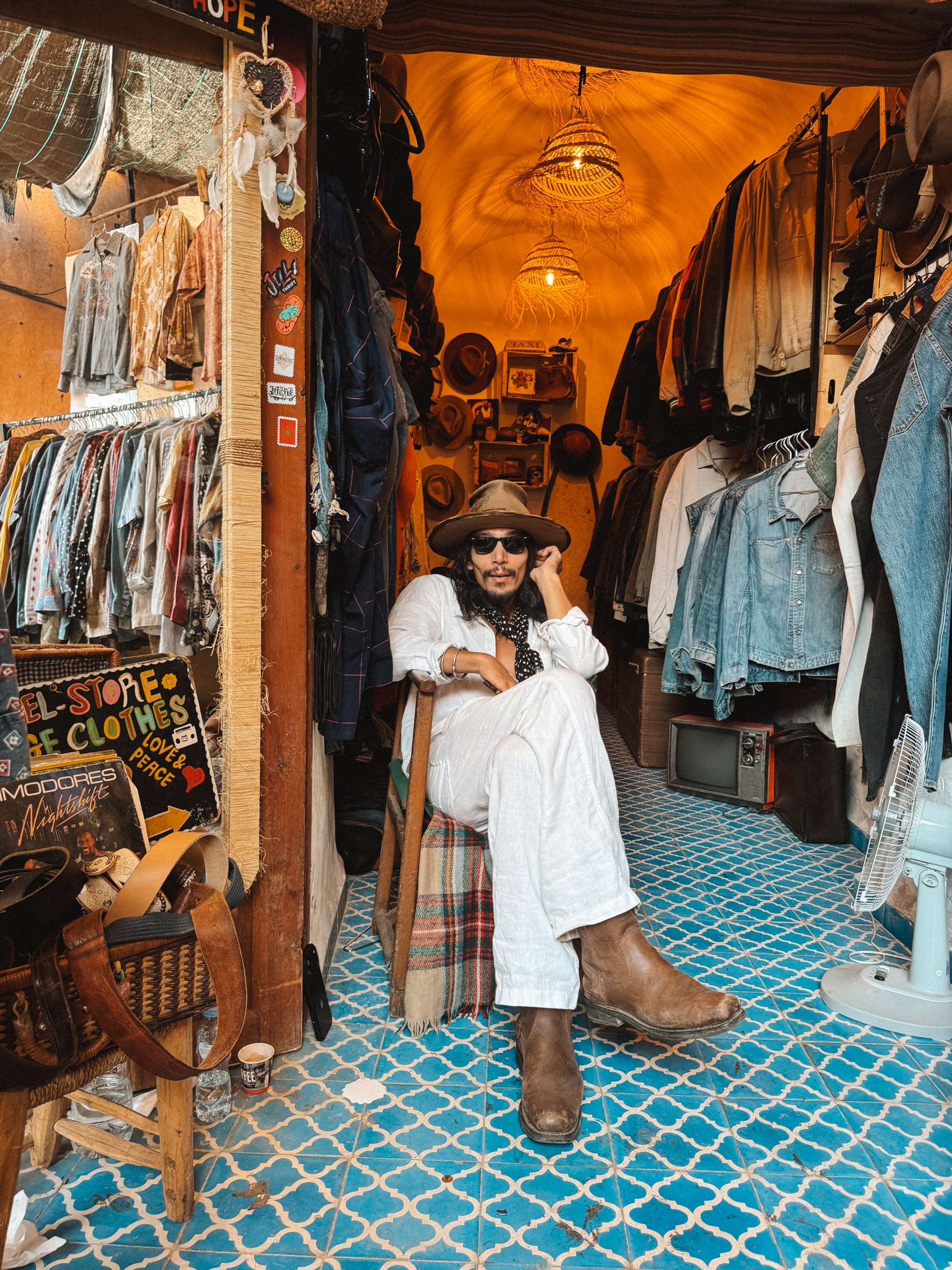
For the modern traveler, a 48-hour itinerary in Marrakech is often defined by a rigid balance of activity and rest. A typical schedule in the city begins with a deep dive into the souks. These markets are the heartbeat of the local economy, where artisan crafts, textiles, and metallurgy are on display.
- Morning – The Medina Immersion: Visitors typically begin in the early morning to avoid peak temperatures. Navigating the souks requires a nuanced understanding of local etiquette. While vendors are traditionally proactive, the interaction is largely transactional and friendly. Experts recommend a firm but polite communication style for those not intending to purchase.
- Midday – The Strategic Retreat: By midday, when temperatures—which can exceed 38°C in late summer—become prohibitive for outdoor activity, the focus shifts to rooftop establishments. Venues like NOMAD or Café Arabe provide elevated vantage points that offer a reprieve from the heat while allowing for a comprehensive view of the medina’s architectural density.
- Afternoon – Cultural Preservation: Visits to historical sites like the Jardin Majorelle, restored by Yves Saint Laurent and Pierre Bergé, have become mandatory stops. Given the high volume of foot traffic, advanced booking for timed entry is now a logistical requirement rather than a suggestion.
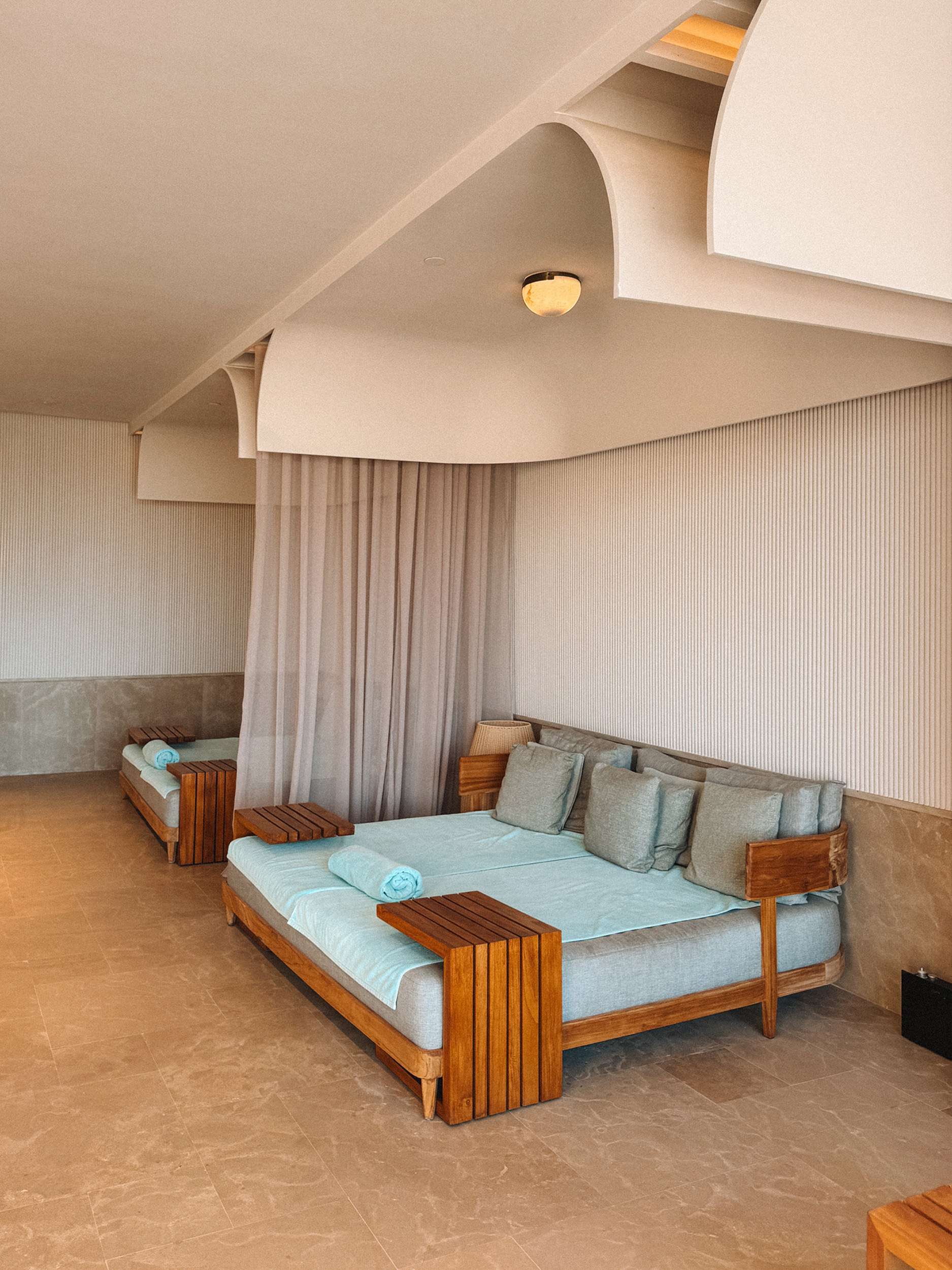
- Evening – Recuperation: The transition back to a resort-style hotel marks the end of the daily cycle. Modern amenities, such as the private steam showers and expansive gardens found at the Park Hyatt, serve as the final phase of the day, allowing for the processing of experiences in a quiet, climate-controlled environment.
Economic Implications of the Souk Economy
The bazaar culture of Marrakech is an integral part of the city’s GDP. The practice of haggling is not merely a social custom; it is a fundamental pillar of the local commercial model. However, for the uninitiated tourist, this can lead to significant price disparity.
Market analysis indicates that while there is no fixed pricing, visitors should observe local price benchmarks to ensure fair exchange. For instance, small handicrafts such as brass keychains generally retail for roughly 100 MAD, while larger leather goods or silver jewelry often command prices between 400 and 600 MAD. The key to a successful transaction, according to experienced travelers, is the establishment of a "ballpark figure" before serious negotiation begins. Attempting to negotiate after a commitment to a specific item has been signaled can lead to an impasse, as the seller’s leverage increases once the buyer expresses emotional attachment to the product.
Logistics and Infrastructure
Navigating Marrakech requires a reliance on the city’s taxi infrastructure. A critical piece of advice for travelers is the cultivation of a relationship with a single, reliable driver. Standardized pricing for intra-city transit is approximately 150 MAD per journey, though fluctuating demand at popular tourist sites can often lead to inflated quotes. Utilizing the same driver throughout a stay—often facilitated by direct communication via mobile messaging apps—ensures both price consistency and security.
From a macroeconomic perspective, the accessibility of Marrakech is bolstered by low-cost carriers providing direct, three-hour flights from major European hubs. This connectivity makes the city a viable option for short-term stays, though a stay of at least three to four days is recommended for a more thorough exploration of the surrounding regions, such as the Atlas Mountains or the coastal city of Rabat.
The Role of Luxury Hospitality in Sustainable Tourism
The role of major hotel groups in Marrakech is shifting from simple lodging providers to curators of the visitor experience. By offering comprehensive spa suites—specifically those designed for couples—and high-end culinary options, hotels are creating a "destination within a destination."
This model has broader implications for the tourism sector in Morocco. By providing a comfortable base, these properties encourage longer stays, which in turn benefits the local economy as travelers feel more rested and more likely to make subsequent forays into the city. Furthermore, the inclusion of local architectural aesthetics in modern hotel design helps preserve Moroccan craftsmanship, as large-scale developments often commission local artisans for interior finishes, such as zellige tilework and hand-carved woodwork.
Strategic Recommendations for Future Visitors
For those planning a trip, the following considerations are essential:
- Timing: While peak summer heat can be challenging, the autumn and winter months (October through March) offer moderate temperatures ranging from 23°C to 30°C, which are significantly more conducive to long-distance walking.
- Documentation: Digital mapping tools are vital. Marking the locations of favored stalls or restaurants is a necessary step, as the medina’s layout is intentionally complex.
- Budgetary Planning: While the city is generally affordable, the cost of luxury accommodation and high-end dining should be factored into the overall budget. Estimates for a premium experience suggest a daily spend that includes transportation, fine dining, and guided tours.
- Engagement: The cultural experience of Morocco is best accessed through direct engagement with the history and the people. Whether visiting the Ben Youssef Madrasa or simply spending time in the Jardin Secret, the depth of the experience is proportional to the time invested in learning the context of these sites.
As Marrakech continues to evolve as a premier global destination, the synthesis of its ancient roots and its modern, high-comfort hospitality will remain its greatest asset. The city demands both energy and patience, rewarding those who navigate its complexities with a balanced approach to exploration and leisure.