The Resurgence of Vintage Bridal Fashion A Comprehensive Analysis of Timeless Aesthetics and Market Trends in the Modern Wedding Industry

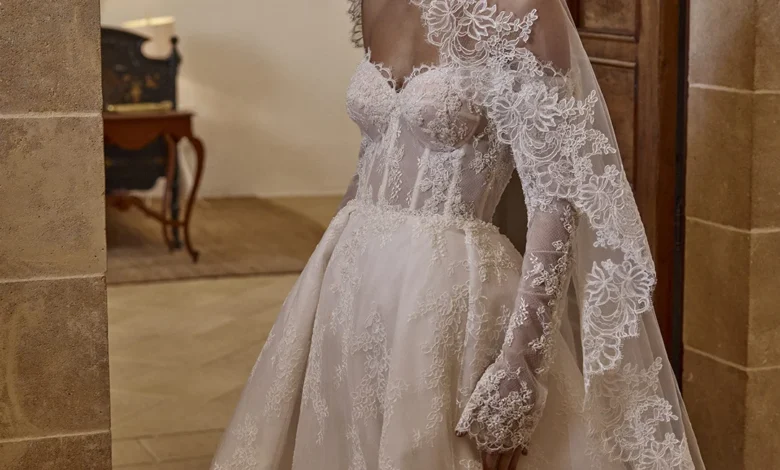
The global bridal wear market, currently valued at approximately $70 billion, is witnessing a significant pivot as modern brides increasingly reject fast-fashion trends in favor of vintage and vintage-inspired silhouettes. This shift, driven by a combination of nostalgic sentiment, a desire for individuality, and a growing commitment to sustainable fashion, has transformed the "vintage" label from a niche subculture into a dominant force in high-end couture. From the structured bodices of the Victorian era to the fluid, drop-waist silhouettes of the 1920s, vintage-inspired wedding dresses are defined by their historical depth, intricate craftsmanship, and use of luxury textiles such as Chantilly lace, silk taffeta, and organza.
Historical Chronology of Bridal Evolution
To understand the current appeal of vintage bridal wear, one must examine the chronological progression of the wedding gown, which has served as a mirror to societal shifts over the past two centuries.
In the mid-to-late 19th century, the Victorian and Edwardian eras established the "Basque waist" and high-neck silhouettes as the pinnacle of bridal modesty and regality. During this period, the wedding dress was a symbol of social standing, often featuring heavy silks and intricate hand-stitched embroidery. The subsequent 1920s marked a radical departure from these constraints. Following the end of the First World War and the rise of the "flapper" culture, bridal fashion embraced the Jazz Age. This era introduced the chemise silhouette, shorter hemlines, and lavish embellishments including Art Deco beadwork, fringes, and pearls.
By the mid-20th century, specifically the 1950s, the "New Look" popularized by designers like Christian Dior returned the focus to the hourglass figure, utilizing voluminous tulle skirts and sweetheart necklines. Today’s vintage-inspired market draws from all these distinct periods, allowing brides to curate a look that resonates with their personal aesthetic while paying homage to historical craftsmanship.
Materiality and Craftsmanship in Vintage Couture
The hallmark of a true vintage or vintage-inspired gown lies in its materiality. Unlike mass-produced modern garments, vintage aesthetics rely on textiles that offer both structural integrity and delicate visual appeal. According to industry experts at the bridal brand Innocentia, the most sought-after fabrics for these designs include satin and silk combined with high-grade laces such as Chantilly and Alencon.
Chantilly lace, originating from 17th-century France, remains a staple for brides seeking a romantic, "old-world" feel. It is characterized by its fine ground and outlined pattern, often used in sleeves and overlays to create a sense of ethereal lightness. In contrast, Brocade and velvet are increasingly utilized for winter weddings or "Old Money" themed ceremonies, adding a weight and luxury that defines the classic vintage bride.
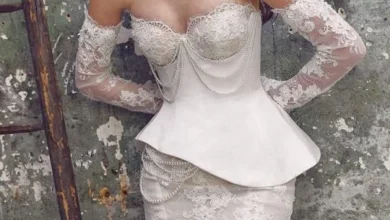
Technical details such as French Chantilly lace, Italian Brocade appliques, and Mikado silk over multilayered tulle skirts are essential components of the high-end vintage market. These materials not only provide the necessary "retro" aesthetic but also ensure the longevity of the garment, a key factor for brides interested in heirloom preservation.
Architectural Silhouettes: From Basque Waists to Corsetry
The architectural design of vintage gowns is a primary draw for the modern bride. Two specific styles—the Basque waist and the corset bodice—have seen a resurgence in recent runway collections.
The Basque waist features a fitted bodice that extends past the natural waistline, dipping into a distinctive V or U shape. This design, which rose to prominence during the Victorian era, is favored for its ability to elongate the torso and emphasize the natural curves of the wearer. When paired with full skirts of satin or tulle, the Basque waist creates a regal, timeless silhouette that bridges the gap between historical costume and modern elegance.
Similarly, the vintage corset has been reimagined for the 21st century. While historically used as a restrictive undergarment, the modern vintage-style corset serves as a structured bodice that celebrates the female form. Designers are now blending these traditional structural elements with contemporary "naked" dress trends, using sheer panels and exposed boning to create a look that is both nostalgic and avant-garde.
The Rise of Bohemian and 1920s Aesthetics
Beyond the structured "regal" looks, the bridal industry has seen a massive uptick in "Bohemian Vintage" and "Jazz Age" styles. Bohemian vintage dresses are frequently chosen for outdoor or destination weddings, such as those set in forests, vineyards, or mountains. These gowns prioritize movement and comfort, utilizing lightweight organza, embroidered leaves, and fringe details to evoke a free-spirited, nature-inspired vibe.
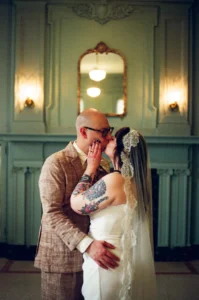
The 1920s "Great Gatsby" style remains a perennial favorite for evening and themed weddings. These gowns are characterized by their intricate beadwork and shimmering sequins, often featuring scalloped lace trains and fabric-covered buttons. This era’s influence is particularly strong in the accessory market, where over-the-face net blushers and hand-beaded pearl combs are becoming standard accompaniments to the main attire.
Expert Perspectives and Industry Responses
Industry professionals emphasize that a vintage bridal look is a holistic endeavor. Katie Yeung, the lead designer at Hera Couture, suggests that the integration of accessories is vital for authenticity. Yeung recommends that brides incorporate elements such as lace-brimmed cathedral veils or Art Deco hairpins to complement the gown.
Furthermore, the "nontraditional" bride is a growing demographic within this sector. These individuals often seek "simple elegant" vintage dresses—minimalist designs that focus on refined lace and gentle fabrics rather than flamboyance. This segment of the market reflects a broader cultural trend toward "quiet luxury," where the quality of the material and the precision of the cut take precedence over overt branding or excessive ornamentation.
Market Data and Economic Implications
The demand for vintage bridal wear has significant economic implications. The secondary market for authentic vintage gowns—those produced before the 1990s—has seen a 20% year-over-year increase in searches on luxury resale platforms. Meanwhile, "vintage-inspired" new gowns remain a staple of the $2,000 to $5,000 price bracket, with high-end designer pieces often exceeding $10,000.
This trend is also tied to the sustainability movement. By choosing authentic vintage or high-quality vintage-inspired pieces intended for preservation, brides are pushing back against the environmental impact of the "one-wear" wedding culture. The "slow fashion" approach of vintage bridal wear encourages the restoration and reuse of garments, which has led to a rise in specialized bridal preservation services.
Technical Care and Preservation of Archival Textiles
Maintaining the integrity of a vintage or vintage-inspired gown requires specialized knowledge. Because these dresses often feature delicate fibers and antique metalwork (such as zippers or stays), standard dry cleaning is frequently insufficient and potentially damaging.
Professional conservators recommend storing these garments in cool, dark, and dry environments. The use of breathable cotton garment bags is preferred over plastic, which can trap moisture and lead to yellowing or mold. Furthermore, handling these gowns requires clean hands or white cotton gloves to prevent the transfer of skin oils, which can degrade silk and lace over time. For brides purchasing authentic antique gowns, the restoration process can take several months, involving delicate stain removal and the reinforcing of aged seams.
Broader Impact on the Wedding Industry
The shift toward vintage aesthetics is more than a fleeting fashion trend; it represents a change in how the modern consumer views the "big day." The popularity of "Old Money," "Regencycore," and "Retro Glamour" themes indicates a desire for weddings that feel grounded in history and tradition, even as they embrace modern values.
This movement has also forced bridal retailers to diversify their offerings. Plus-size vintage collections have expanded significantly, ensuring that the "timeless elegance" of previous decades is accessible to all body types. By incorporating intricately detailed lace and romantic silhouettes into inclusive sizing, the industry is acknowledging that the appeal of the past is universal.
In conclusion, the vintage bridal movement is a sophisticated intersection of fashion history, textile artistry, and modern sustainability. Whether through the revival of the 1920s flapper dress or the structured grace of a Victorian Basque waist, brides are increasingly looking backward to move forward. As the market continues to evolve, the emphasis on quality, heritage, and individuality suggests that the "vintage" aesthetic will remain a cornerstone of the bridal industry for decades to come.