The Best Reformation Sun Dresses for 2025: A Guide to Sustainable Summer Fashion


As global temperatures rise and the demand for ethical consumerism reaches an all-time high, the fashion industry faces increased scrutiny regarding its environmental footprint. Among the brands navigating this shift is Los Angeles-based Reformation, which has successfully positioned itself at the intersection of high-end aesthetics and rigorous sustainability standards. With summer approaching, the label’s seasonal dress collections have become a focal point for consumers seeking to balance style with environmental responsibility.

Reformation’s rise to prominence is not merely a product of its celebrity endorsements—which include high-profile figures such as Meghan Markle, Hailey Bieber, and Emily Ratajkowski—but rather a result of its transparency-first business model. The company has moved beyond traditional retail by integrating data-driven sustainability metrics directly into its consumer-facing platform.
The Evolution of Sustainable Retail
Founded in 2009 by Yael Aflalo, Reformation was established with the explicit goal of minimizing the environmental impact of apparel production. The brand’s trajectory reflects a broader industry movement toward "slow fashion," a paradigm shift that encourages longevity, material innovation, and ethical labor practices.

Reformation’s commitment to sustainability is documented through its proprietary "RefScale," a tool that calculates the carbon dioxide, water, and waste footprints of every garment. By providing this information on product pages, the brand allows consumers to compare the environmental impact of a specific purchase against the industry average. For instance, the transition from conventional cotton to regenerative materials or TENCEL Lyocell is framed as a measurable reduction in resource extraction.
The company has set an ambitious internal deadline: to become fully circular by 2030. This initiative involves not only the reduction of virgin material use but also the expansion of "RefRecycling" programs, which aim to keep garments out of landfills through take-back schemes and resale marketplaces.

Material Innovation and Environmental Impact
The environmental efficacy of a dress is primarily determined by its fiber composition. Reformation’s current collections emphasize three specific pillars of sustainable textile sourcing:
- Regenerative Agriculture: The brand has increasingly utilized regenerative cotton, which focuses on soil health, carbon sequestration, and biodiversity. Unlike conventional cotton, which is often water-intensive and reliant on synthetic pesticides, regenerative practices aim to restore ecosystems.
- Cellulosic Fibers: The use of TENCEL, a wood-pulp-based fiber, is a cornerstone of the brand’s strategy. Reformation’s partnerships with organizations like Canopy—a non-profit that works to protect ancient and endangered forests—ensure that their viscose and lyocell are sourced from sustainably managed plantations.
- Deadstock Fabrics: A significant portion of the brand’s production utilizes "deadstock"—leftover fabric from other fashion houses or textile mills. By rescuing these materials, the brand prevents them from being discarded, effectively decoupling the production of new garments from the energy-intensive process of raw material creation.
Market Trends and Consumer Behavior
The demand for summer dresses in 2025 is characterized by a preference for natural, breathable fibers. Linen, which requires significantly less water and fewer pesticides than cotton, has seen a resurgence in popularity. Reformation’s linen dresses, such as the Tagliatelle and the Citron, have become benchmarks for this trend, offering both aesthetic appeal and environmental benefits.
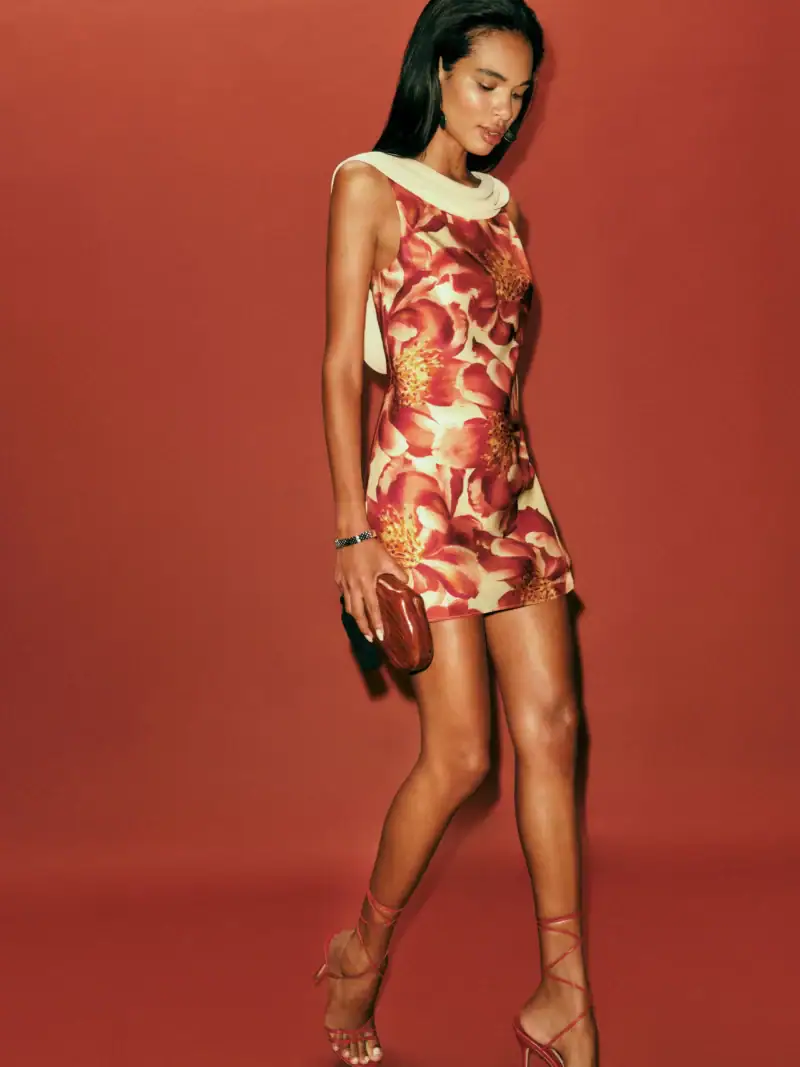
Market analysts note that the consumer demographic for Reformation—primarily Gen Z and Millennial shoppers—is increasingly prioritizing "cost-per-wear." This metric evaluates the value of a garment based on its versatility and durability over time. By focusing on classic silhouettes rather than hyper-seasonal trends, Reformation has successfully mitigated the risk of obsolescence, encouraging consumers to treat their purchases as long-term wardrobe investments rather than disposable items.
Curated Selections for the 2025 Season
When assessing the current catalog, several pieces stand out for their blend of design and sustainable manufacturing:
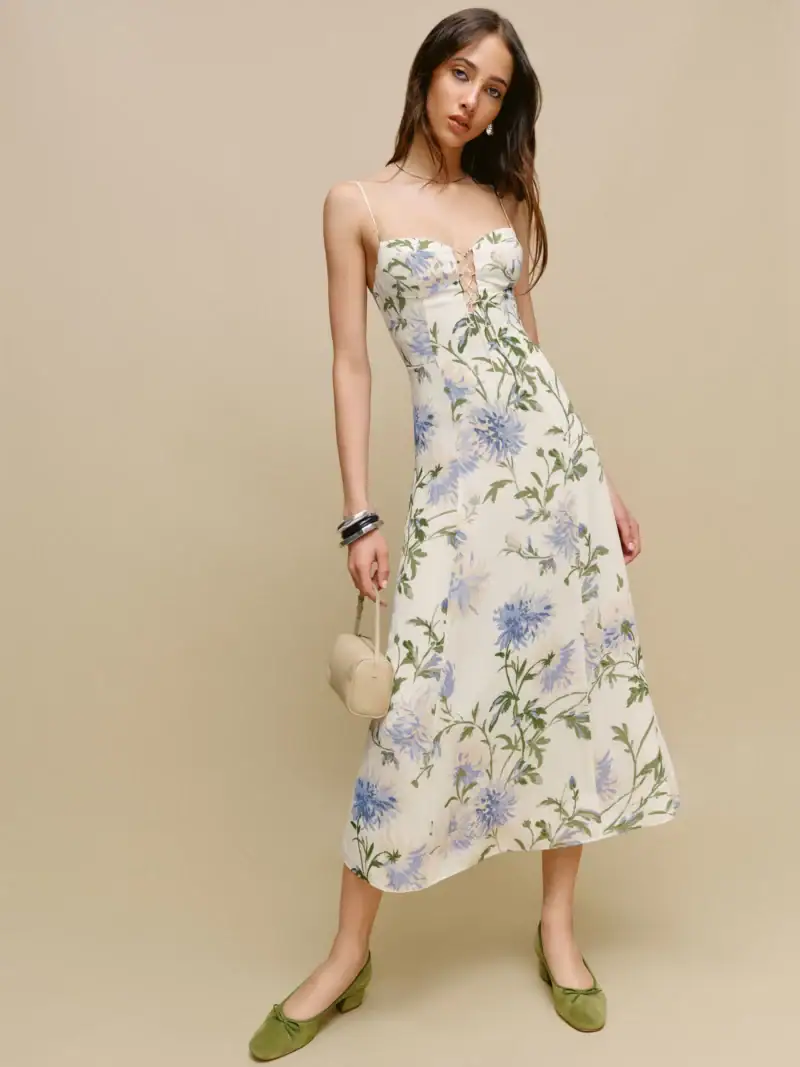
- The Tagliatelle Linen Dress: A staple of the collection, this midi-length piece utilizes 100% linen. Its design longevity is supported by a tiered skirt and a classic scooped neckline, features that appeal to a wide range of aesthetic preferences.
- The Citron Linen Dress: Exemplifying the "less is more" design philosophy, this piece is crafted from pure linen. Its neutral oatmeal palette ensures it remains relevant across multiple fashion cycles.
- The Jonelle Silk Dress: Demonstrating the potential for luxury-grade materials, this dress utilizes silk. The brand’s focus here is on the longevity of the garment, encouraging care and maintenance to ensure the material remains viable for years.
- The Emely Dress: Featuring 100% viscose, this dress highlights the brand’s collaboration with Canopy. The design focuses on structural integrity and classic floral motifs, emphasizing a "wear-anywhere" functionality.
- The Gabriella Denim Midi: This piece represents the brand’s push into regenerative cotton. Its design, which allows for layering, demonstrates how a summer staple can be adapted for multiple seasons.
- The Sara Linen Dress: Known for its versatility, the Sara model uses 100% linen and features a fitted bodice, reducing the need for additional garments such as undergarments or bras.
- The Amelia Knit Dress: Incorporating 88% TENCEL, this piece bridges the gap between athletic-inspired comfort and formal wear, reflecting a growing consumer interest in multifunctional apparel.
- The Oren Silk Dress: A prime example of minimalist design, this strapless dress is constructed from organically grown cotton, prioritizing breathability and skin-friendly textiles.
- The Woodson Dress: Utilizing 100% viscose, this "Little Black Dress" (LBD) is designed for high-frequency wear, featuring adjustable buttons that allow for both professional and social settings.
- The Janu Linen Dress: This piece utilizes 100% linen and focuses on a classic, romantic aesthetic. Its construction is designed to withstand the rigors of frequent laundering, provided specific care instructions are followed.
The Broader Implications for the Fashion Industry
The success of brands like Reformation serves as a case study for the wider fashion industry. By quantifying environmental impact, the brand has shifted the conversation from abstract sustainability goals to concrete, actionable metrics. However, critics of the "sustainable fashion" movement argue that consumption itself—regardless of the material source—remains the primary driver of environmental degradation.
To address these concerns, the industry is increasingly looking toward the circular economy. This involves not only the production of goods but the management of their entire lifecycle. For Reformation, this means that the "best" dress is one that is worn repeatedly and ultimately recycled or upcycled at the end of its life.

As the industry approaches 2030, the pressure to achieve full circularity will likely intensify. The adoption of new technologies, such as digital product passports (DPPs) which track the history of a garment from fiber to shelf, is expected to become the industry standard. For the consumer, this will mean unprecedented access to the supply chain, allowing for a more informed decision-making process.
In summary, the trend toward sustainable summer dresses is not merely a aesthetic preference; it is a response to a global environmental mandate. By selecting garments that utilize regenerative, natural, and deadstock fibers, and by focusing on pieces that offer long-term versatility, consumers are participating in a necessary evolution of the retail landscape. The transition to a more circular fashion economy is ongoing, and while no brand is currently perfect, the integration of radical transparency remains the most effective tool for driving systemic change.