The Childrens Place Faces Potential Liquidation and Bankruptcy Sale Amid Mounting Debt and Stiff Retail Competition

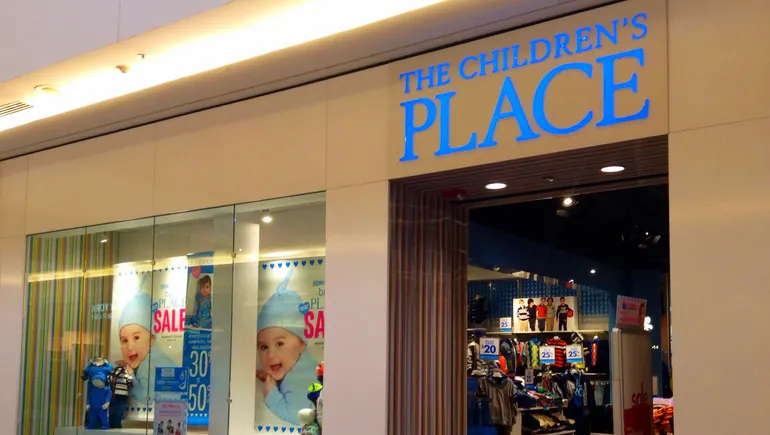
For nearly six decades, The Children’s Place has stood as a fixture of suburban strip malls and family shopping excursions across North America. Founded in 1969—the exact same year as retail heavyweight The Gap—the specialty apparel retailer carved out a lasting niche by outfitting generations of growing children. However, as the retail landscape shifts dramatically under the pressures of inflation, digital disruption, and aggressive competition, the future of the iconic brand has grown perilous. Court documents reveal that the company is grappling with over $881 million in total debts against approximately $742 million in assets, forcing leadership to pursue a court-supervised sale process that could ultimately result in the liquidation of its centuries-old operations.
The announcement of a formal restructuring process underscores a tumultuous period for a brand that, even recently, appeared to be pushing forward with physical expansion. During the second quarter of the fiscal year, the company opened 19 new brick-and-mortar storefronts, pointing to an underlying desire to maintain market share. Today, the enterprise operates approximately 500 retail locations across North America, manages two distinct digital storefronts for its core brands—The Children’s Place and Gymboree—and maintains an active wholesale presence through digital giants like Amazon. Furthermore, through a network of 10 international franchises, wholesale partnerships, and localized social media marketing, the company’s products have reached consumers in 13 global markets.
Yet, beneath this expansive operational footprint lay severe structural vulnerabilities that accumulated over several years. According to financial filings and expert commentary, the retailer experienced a sustained decline in net sales and profitability. This downturn was catalyzed by a confluence of macroeconomic headwinds, including persistent inflation, shifting consumer spending habits, fluctuating tariff costs, and an increasingly crowded marketplace for budget-friendly children’s apparel.
The Chronology of Decline: From Pandemic Boom to Financial Distress
The roots of the current crisis can be traced back to the immediate post-pandemic era. Following a significant sales boom in 2021—driven by government stimulus checks, pent-up consumer demand, and a rush to outfit children returning to physical classrooms—The Children’s Place made strategic decisions that leadership and financial analysts now view as critical miscalculations. Flush with temporary capital, the company opted to execute share buybacks and accumulate additional debt to reward shareholders.
However, the retail environment pivoted sharply in 2022 and subsequent years. As inflation began to strain household budgets, consumer demand for value-priced children’s clothing contracted. Simultaneously, retail giants such as Walmart, Target, Amazon, and off-price department stores aggressively upgraded the quality, design, and style of their private-label and branded children’s lines. By offering comparable or superior apparel at significantly lower price points, these general merchandise competitors steadily eroded the market share once dominated by specialty stores like The Children’s Place.
Compounding these external pressures, the retailer implemented customer-facing strategies that alienated portions of its core consumer base. Most notably, management raised the minimum spending threshold required for free shipping on online orders. In an era where e-commerce convenience and free delivery have become baseline expectations for modern parents, this barrier encouraged shoppers to migrate toward frictionless digital alternatives.
A lifeline appeared in early 2022 when Saudi investment firm Mithaq Capital acquired a majority ownership stake in the company. The capital infusion provided temporary relief and initiated a series of board-room shakeups and financing maneuvers. Despite these efforts, the underlying business model remained over-leveraged and under-optimized for a retail environment dominated by omnichannel giants. Industry analysts have noted that what the company ultimately required was a comprehensive financial restructuring and a complete operational overhaul long before it reached the precipice of Chapter 11 bankruptcy protection.
The Bidding Process and Liquidation Risks
The current court-supervised auction process has yielded a mixed bag of proposals, reflecting both the brand’s enduring heritage and the harsh realities of its balance sheet. Out of the nine initial bids submitted to the company, six focused on preserving the business as a going concern or acquiring its valuable intellectual property rights. However, three proposals explicitly called for equity liquidation involving substantially all of the retailer’s assets. Additionally, court records indicate that the company has received three fee-based bids specifically targeting the liquidation of remaining inventory and select physical assets.
Rudy Morando, co-chief restructuring officer of The Children’s Place, emphasized the company’s commitment to navigating the complex proceedings with transparency. In an official statement, Morando acknowledged the profound implications of the restructuring for the company’s workforce, loyal customers, vendor networks, and commercial partners. He noted that the ongoing sale process represents a critical and methodical step toward securing the most viable path forward for the enterprise.
As discussions with prospective buyers continue, a pivotal milestone looms on the horizon: the selection of a stalking horse bidder. This initial acquisition proposal will establish a floor price, requiring any competing bids to surpass its financial terms and structural commitments. Legal and financial advisors anticipate that this baseline bid will be formalized within a matter of days, setting the stage for a competitive auction.
Potential Suitors and Industry Implications
Despite the severe financial distress enveloping The Children’s Place, retail sector experts suggest that robust interest remains for its core intellectual property, proprietary brands—including Gymboree—established e-commerce platforms, and a curated selection of profitable retail stores.
Neil Saunders, managing director at GlobalData, pointed out that strategic interest is likely to emanate from major brand conglomerates and private equity firms specializing in retail turnarounds. These entities typically seek to acquire established nameplates to integrate them into broader multi-brand portfolios, leveraging existing supply chains and digital infrastructure to extract operational efficiencies.
Last month, reports from restructuring analysts at Debtwire indicated that The Children’s Place was actively preparing for a pre-holiday bankruptcy filing and had attracted the attention of prominent prospective buyers, including Catalyst Brands. According to those reports, Catalyst expressed specific interest in acquiring the retailer’s intellectual property portfolio alongside approximately 200 of its most viable store locations. Catalyst Brands—the parent company behind J.C. Penney, Brooks Brothers, Aéropostale, and Lucky Brand—has built a distinct business model around revitalizing legacy apparel brands that were previously rescued through formal bankruptcy auction processes. While Catalyst declined to provide immediate comments on the reports and representatives for The Children’s Place refrained from public speculation, the precedent set by Catalyst’s portfolio suggests a plausible blueprint for rescuing parts of the embattled children’s wear specialist.
Broader Industry Impact and Macroeconomic Context
The plight of The Children’s Place serves as a cautionary tale within the broader apparel sector, highlighting the unforgiving nature of modern specialty retail. For decades, mall-based specialty stores relied on dedicated footprints and brand loyalty to sustain profitability. However, the maturation of e-commerce, combined with the aggressive expansion of mass merchants and off-price powerhouses, has compressed margins across the entire mid-tier fashion ecosystem.
Furthermore, the situation underscores the systemic risks associated with aggressive capital allocation strategies during periods of economic volatility. When consumer discretionary spending patterns shift rapidly due to macroeconomic pressures like persistent inflation and fluctuating import tariffs, highly leveraged companies possess little margin for error.
If the ongoing bankruptcy auction results in a partial or total liquidation of The Children’s Place, the fallout will extend well beyond corporate balance sheets. Hundreds of retail leases will likely be terminated or renegotiated, leaving notable vacancies in regional shopping malls across North America. Thousands of retail employees will face displacement, and long-standing supplier relationships will be forced to absorb write-downs. Conversely, if a viable going-concern buyer emerges to streamline operations, pivot the digital strategy, and refocus on core brand strengths, the nearly 60-year-old institution may secure a second life in an increasingly consolidated retail marketplace.
As the court proceedings advance and the deadline for the stalking horse bid approaches, vendors, landlords, and millions of families who have relied on the brand for decades await a definitive resolution. The outcome of this restructuring will not only determine the destiny of The Children’s Place and Gymboree but will also provide a defining case study on the survival capabilities of legacy specialty apparel brands in an era dominated by omnichannel goliaths and discount retail dominance.
Related posts: