Target Accelerates National Expansion Strategy with New Store Openings and Billion-Dollar Investments

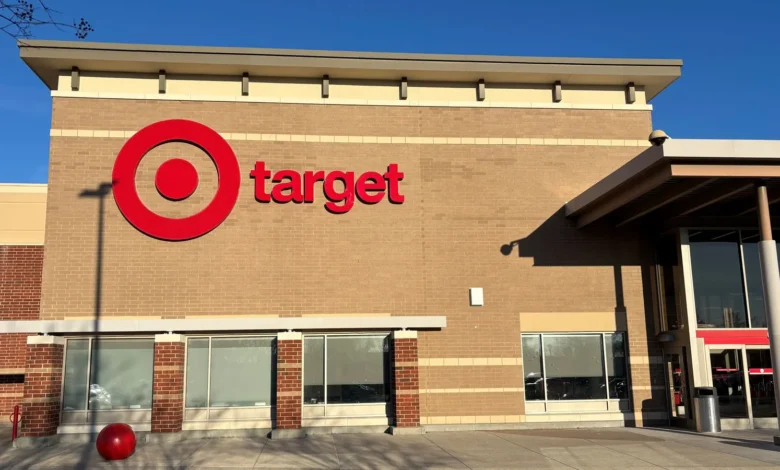
Retail giant Target is pushing forward with an aggressive physical footprint expansion, anchored by a strategic blueprint to launch more than 300 new stores by 2035. This ambitious real estate initiative encompasses diverse geographic markets, ranging from high-profile suburban communities like the Hamptons to rapidly growing regional hubs across the United States. Far from scaling back physical retail in the face of e-commerce pressures, Target is doubling down on brick-and-mortar investments, utilizing its store network as both a shopping destination and a crucial node for fulfillment operations.
The recent announcements highlight a multi-tiered approach to retail growth. Alongside the long-term goal of 300 new locations over the next decade, the company is executing immediate rollout phases. Notably, seven of the eight newly slated store openings feature spacious footprints exceeding 125,000 square feet. These larger formats allow the company to showcase its full suite of merchandising categories, from apparel and beauty to home goods and expanded food and beverage departments, creating an immersive, department-store-style experience for consumers.
Financial Commitment and Capital Allocation
This retail expansion is backed by substantial capital outlays. In addition to a baseline capital expenditure of approximately $5 billion designated for new store construction, remodels, technological upgrades, and supply chain enhancements, the company committed an extra $1 billion injection into its business operations. This capital infusion is designed to accelerate modernization efforts, enhance digital-physical integration, and provide store teams with advanced operational tools.
Adrienne Costanzo, Chief Stores Officer at Target, emphasized the operational philosophy driving these investments. “These new stores give our teams the tools and environments to bring our merchandising strengths to life, create easier and more inspiring shopping experiences, and use technology to move smarter and faster every day,” Costanzo stated.
The integration of technology is a central pillar of these store builds. Modernized point-of-sale systems, enhanced inventory tracking, and optimized layout designs help streamline the path to purchase for consumers while boosting efficiency for store associates. Furthermore, these investments support Target’s omnichannel fulfillment strategy, allowing newly constructed and remodeled stores to efficiently handle digital order pickups, drive-up services, and local shipping demands.
Chronology of Growth: Milestones Leading to the Expansion
Target’s current real estate momentum is the culmination of a multi-year strategy focused on localized optimization, store design evolution, and selective geographic expansion.
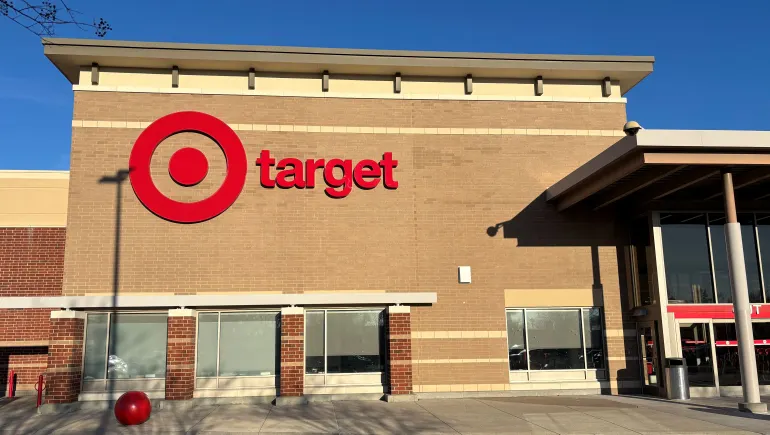
Earlier in the year, the retailer reached a significant milestone by opening its 2,000th store in Fuquay-Varina, North Carolina. This landmark location served as a blueprint for the brand’s modern store design, featuring an open-concept layout, widened aisles, sustainable architectural elements, and a food and beverage department roughly 30% larger than the chain-wide average. The emphasis on expanded grocery offerings reflects changing consumer habits, as shoppers increasingly look to consolidate their weekly errands into a single trip.
Building on that momentum, the company announced a wave of six additional store openings spanning Arizona, Missouri, New Jersey, and North Carolina. These diverse regional deployments demonstrated Target’s ability to tailor its site selection to both densely populated metropolitan peripheries and expanding suburban enclaves.
Parallel to building new locations from the ground up, the retailer launched a massive modernization campaign, committing to remodel 130 existing stores. These renovations focus on updating interior aesthetics, reconfiguring sales floors to highlight high-margin product categories such as beauty and wellness, and expanding dedicated spaces for digital order fulfillment. Alongside these physical updates, Target scaled its logistical capabilities, introducing next-day delivery options across an additional 20 metropolitan areas to better compete with dominant online-first delivery ecosystems.
Strong Financial Performance Powers Capital Projects
Target’s aggressive capital expenditure strategy is supported by robust financial health. The retail chain entered its current expansion phase on the heels of a highly successful second-quarter financial performance, which signaled renewed consumer confidence and operational efficiency.

During the second quarter, Target reported a net sales increase of 5.3% compared to the same period the previous year, bringing total net sales to $26.5 billion. Comparable sales—a critical retail metric tracking revenue from digital channels and stores open for at least 13 months—grew by 3.8%. More impressively, the company’s net earnings surged by over 100%, reaching nearly $1.9 billion.
This financial turnaround was largely driven by strength in high-margin merchandising categories. Growth in beauty, hardlines, and owned apparel brands resonated strongly with value-conscious shoppers navigating macroeconomic uncertainties. By maintaining competitive pricing while elevating product presentation through remodels and new store designs, Target successfully captured market share from competitors struggling with fluctuating consumer demand.
Implications for the Retail Landscape
Target’s ongoing rollout underscores a broader industry trend: the physical store remains an irreplaceable asset in modern retail, provided it evolves to meet changing consumer expectations. Rather than viewing e-commerce and brick-and-mortar retail as mutually exclusive, major retailers are increasingly treating them as complementary components of a unified ecosystem.
By expanding its footprint into affluent and high-growth markets like the Hamptons while simultaneously scaling accessible suburban locations, Target is capturing diverse demographics. The inclusion of larger footprints ensures that the brand can offer localized assortments tailored to regional preferences, particularly within high-demand categories like fresh grocery, specialized beauty, and trending home decor.
Furthermore, the expansion serves a dual operational purpose. Beyond driving direct retail sales, every new or remodeled store functions as a micro-fulfillment hub. This localized distribution model reduces shipping costs, shortens delivery times for online orders, and enhances the efficiency of curbside pickup programs such as Target Drive Up.
As the company progresses toward its goal of launching more than 300 new stores by 2035, industry analysts will be monitoring how effectively Target balances capital expenditure with sustained profitability. For now, the combination of stellar financial results, disciplined capital allocation, and a clear vision for physical retail positions the corporation for sustained market leadership in the competitive mass-merchandising sector.
Related posts: