The Creator Athlete Revolution: Why Women in Sports are Rewriting the Rules of Professional Longevity

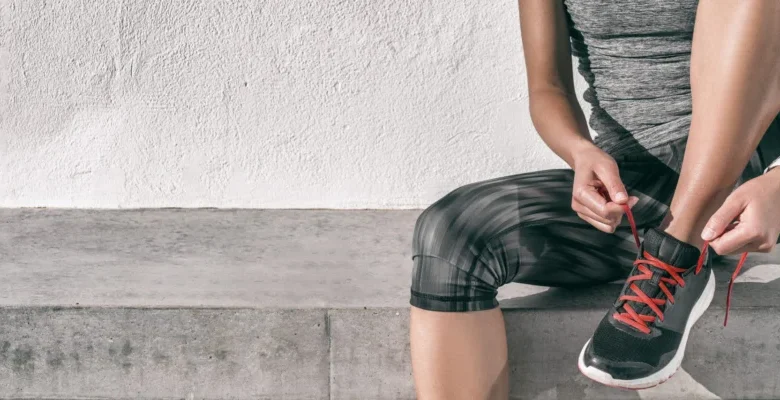
In 2026, the traditional definition of a professional athlete is undergoing a fundamental shift, evolving from a strictly competitive role into a hybrid career that demands mastery of the digital creator economy. For women athletes, in particular, the shift toward content creation is no longer a peripheral side project or a hobby for the offseason; it has become an essential pillar of financial independence, brand expansion, and long-term career stability. As the global landscape of women’s sports experiences a historic surge in revenue and viewership, athletes are leveraging their personal platforms to capture value that the broader market has historically failed to distribute equitably.
The current economic environment for women’s sports is paradoxical. While collective revenues, broadcast rights, and brand interest are hitting unprecedented heights—with elite women’s sports projected to reach a record $3 billion in total revenue by the end of 2026—the individual athlete’s share of that growth often remains disproportionate to their influence. To bridge this fiscal divide, athletes are increasingly adopting an entrepreneurial mindset, utilizing social media to build direct-to-consumer relationships that bypass traditional gatekeepers. By "owning the audience," athletes are transforming their personal brands into self-sustaining media companies, often with the guidance of specialized agencies and strategic cohorts.
A Chronology of the Creator Shift
The rise of the "creator athlete" can be traced back to a confluence of technological accessibility and a systemic pivot in how sports media is consumed. While the movement gained momentum in the early 2020s, the period between 2024 and 2026 marked a formalization of these efforts.
The launch of initiatives like the "Snap the Gap" cohort, a collaborative effort between Togethxr and Snapchat, provided a structured roadmap for professional athletes. This program, now in its second year, serves as a case study for the professionalization of athlete content. By providing production resources, mentorship, and data-driven feedback, the program transformed how athletes approach their digital presence. The results have been statistically significant: participants, ranging from NWSL soccer stars to NCAA gymnasts, have reported triple-digit growth in audience engagement within months of joining the initiative.
For instance, Houston Dash forward Michelle Alozie’s transformation illustrates this trend. Through consistent, authentic engagement—ranging from sports analysis to candid lifestyle commentary—Alozie saw her Snapchat following balloon from 127,000 to over 204,000 in a single quarter. Similarly, collegiate athletes like Temple University gymnast Kyrstina Johnson and Michigan State distance runner Mia Rogan experienced explosive growth, proving that the appetite for behind-the-scenes access and individual personality-driven content is immense, regardless of the sport’s traditional television footprint.
Data-Driven Growth and the Multiplier Effect
The financial implications of this shift are underscored by robust market research. A 2026 study from WPP revealed that advertisements placed within live women’s sports content deliver a 20% higher return on investment compared to standard non-sports cable programming. This data has not gone unnoticed by major leagues. The Professional Women’s Hockey League (PWHL), for instance, has seen a 77% year-over-year increase in YouTube viewership, while the National Women’s Soccer League (NWSL) reported a 42% rise in the same metric.
This growth is not accidental; it is a direct result of athletes acting as conduits for their respective leagues. Sarah Nurse, an Olympic hockey star and PWHL standout, exemplifies the intentionality behind modern athlete branding. By working with management to align her content calendar with game schedules, industry trends, and data analytics, Nurse has effectively funneled her personal audience toward the league. Her experience confirms that beauty and lifestyle content on platforms like TikTok and Instagram often serve as the "gateway" for fans who might not have otherwise engaged with professional hockey.
The synergy between individual brand building and league growth creates a "multiplier effect." When an athlete like Nurse shares content, she is not merely promoting herself; she is creating a new entry point for fans who encounter her content through algorithmic discovery. As Andrew Perlmutter, CEO of NBA Take-Two Media, notes, the creator economy grants athletes a level of autonomy that was previously unavailable, allowing them to dictate how they show up and who they reach.
Strategic Infrastructure and Professionalization
The transition to full-time creator status requires more than just a smartphone; it demands a sophisticated infrastructure. Today’s elite athletes are increasingly treating their social channels as business units. This involves:
- Brand Pillars: Defining specific areas of interest—such as performance, lifestyle, advocacy, or fashion—to ensure consistent messaging.
- Data Analysis: Regularly reviewing engagement metrics to adjust strategy, a practice that has moved from the boardroom to the locker room.
- Professional Support: Engaging agents and content managers to handle the logistical demands of multi-platform distribution, including YouTube, Snapchat, and Instagram.
This professionalization is a strategic response to the precarious nature of professional sports. Because careers can be shortened by injury or market fluctuations, the creator muscle acts as a hedge against future uncertainty. By building a "moat" of credibility and expertise, athletes are positioning themselves for long-term success in broadcasting, consulting, or entrepreneurship.
The Role of Industry Partners and Mentorship
The involvement of companies like Togethxr and Gupta Media represents a broader trend of institutional support for the athlete-as-creator model. By offering "Snap schools" and monthly progress reviews, these entities are teaching athletes that the most effective content is often the most authentic. Michelle Alozie’s realization—that a video of her and her teammates reacting to a reality television show performed better than highly produced promotional clips—highlights a key tenet of modern media: audiences prioritize relational connection over polished marketing.
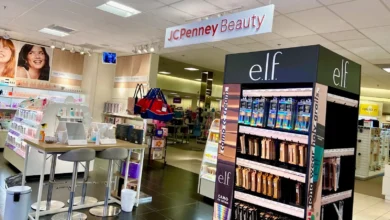
This approach has also opened doors for non-endemic partnerships. When athletes like Alozie collaborate with brands like e.l.f. Cosmetics, they are tapping into lifestyle categories that allow them to expand their influence beyond the athletic sphere. Cayley Stonehouse, a senior social media strategist at Gupta Media, emphasizes that these partnerships are critical because they allow athletes to enter cultural conversations that are not inherently tied to their sport, thereby diversifying their revenue streams and increasing their marketability.
Looking Toward 2027 and Beyond
As the industry looks ahead to the 2027 FIFA Women’s World Cup, the lessons learned from the current cycle of content creation will be put to the test. The "creator-first" approach is expected to become the industry standard for athlete marketing during global events. Athletes who have spent years building their own, independent audiences will be the primary drivers of engagement, far outperforming legacy media campaigns that rely solely on top-down broadcast strategies.
The implications for the broader sports economy are profound. We are witnessing a fundamental redistribution of influence, where the athlete, rather than the broadcaster or the network, acts as the primary curator of the fan experience. This, in turn, is forcing leagues to reconsider how they support their players. Rather than viewing personal branding as a distraction from the game, teams and leagues are beginning to recognize that an athlete’s individual platform is the most valuable asset in their marketing portfolio.
Ultimately, the ability to build a personal brand is becoming a requirement for long-term survival in the professional arena. As Anthony Baldini, CEO of Athlete Strategies, suggests, the goal is to align content with a "larger ambition beyond the ball." By developing multiple content mediums and establishing expertise in various fields, athletes are building careers that will outlast their playing days. The creator revolution is, at its core, a movement toward sovereignty—a way for women in sports to claim the value they create, on their own terms, and ensure that their influence continues to pay dividends long after they have left the field. As the data continues to demonstrate, the future of sports media is personal, and the athletes who embrace this reality are the ones who will define the next generation of athletic success.