A Departure from the Promotional Era
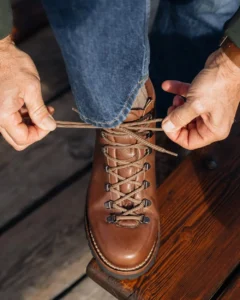
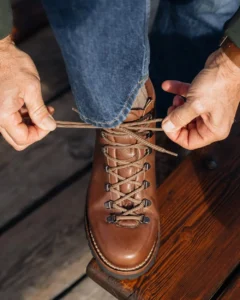
For the better part of the 2010s and early 2020s, J. Crew was defined by its "champagne taste on a lemonade budget" appeal. Consumers grew accustomed to constant promotional cycles, where essential wardrobe items were rarely purchased at their sticker price. This strategy served to drive high volumes of traffic but simultaneously conditioned shoppers to wait for markdowns. The current season, however, marks a pivot. Flagship items, such as the company’s signature broken-in t-shirts and premium Spanish-made leather footwear, are increasingly excluded from promotional events, remaining at full retail price for significantly longer durations than in previous years.

This shift coincides with a challenging macroeconomic environment for the fashion retail sector. Since 2024, consumer discretionary spending has faced downward pressure due to inflationary costs and fluctuating interest rates. In response, many mid-market retailers have been forced to re-evaluate their margins. By tempering their reliance on deep discounts, J. Crew appears to be prioritizing brand equity and profit margins over the high-volume, low-margin model that characterized its previous growth phase.

Chronology of the Strategic Pivot
The move away from permanent sales did not occur overnight. Analysts point to a slow transition beginning in early 2025, where the brand began testing stricter exclusion lists on its digital storefronts. By the spring of 2026, the strategy became more overt. The launch of the Essex line of Goodyear-welted dress shoes, manufactured in Spain, set the tone. While similar footwear offerings in the past were often marked down shortly after release, these premium items have maintained their list price of $475 for the oxfords and $450 for the derbies since their debut.

As of September 2026, the rollout of the Fall/Winter collection further cements this trajectory. While seasonal pieces like the 1983 Barn Jacket ($188) and the Quilted Jacket with PrimaLoft ($248) are entering the market at traditional price points, the frequency of site-wide "extra percentage off" codes has notably dwindled. The brand is opting instead for targeted, smaller-scale markdowns on select legacy items, rather than broad, store-wide liquidation events.

Market Data and Consumer Behavior
Retail industry data suggests that J. Crew is not an outlier. According to recent retail intelligence reports, the "discount fatigue" phenomenon—where consumers grow wary of perpetual sales—has pushed several major apparel brands to normalize pricing. By establishing a firmer price floor, J. Crew aims to protect the perceived value of its goods.

However, this comes with risks. The current price points for the brand’s new outerwear, such as the Balmacaan coat at $298 and the Scottish wool sportcoat at $698, represent a significant financial commitment. These figures place the retailer in direct competition with higher-end heritage brands. Whether the brand’s core demographic—which has spent years expecting 30% to 40% discounts—will accept these new price floors remains a critical question for the upcoming holiday quarter.

Product Highlights and Pricing Analysis
The Fall 2026 collection leans heavily into the "quiet luxury" aesthetic that has dominated recent runway cycles. Key pieces include:

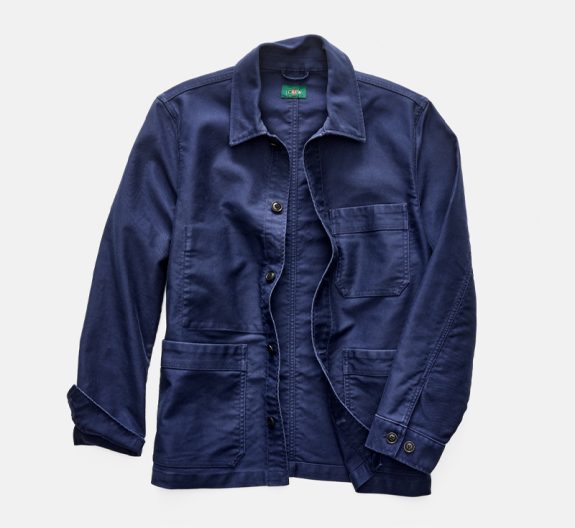
- 1983 Barn Jacket ($188): A heritage-inspired piece that maintains the brand’s commitment to classic Americana. Analysts expect this to be a core volume driver, though its sale potential is currently viewed as moderate.
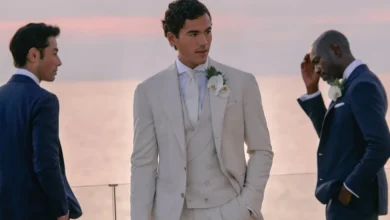
- Traveler Suit Separates ($676): Featuring Italian stretch wool, these items address the modern demand for travel-friendly, crease-resistant tailoring. Their return to stock after selling out in 2025 highlights the brand’s success in high-performance menswear.
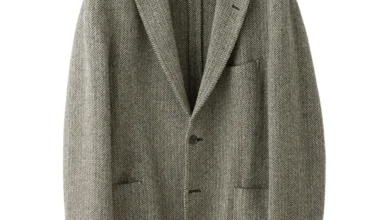
- Scottish Wool Sportcoats ($698): This high-end addition represents the brand’s attempt to capture a more affluent consumer segment. With a price point significantly higher than historical averages for the brand, the success of this item will be a litmus test for the company’s premium rebranding efforts.
- Barbour x J. Crew Collaboration ($425): The return of this long-standing partnership remains one of the brand’s most reliable revenue generators. Due to the nature of the collaborative agreement, these items remain strictly excluded from most promotional codes, reinforcing their status as premium, full-price assets.
Official Stance and Corporate Strategy
While J. Crew has not released an official statement regarding the specific mechanics of their new pricing algorithm, executive leadership has previously alluded to a "simplified" shopping experience. In recent investor calls, the focus has been placed on inventory discipline and the "elevated core" strategy. By producing smaller batches of seasonal goods and reducing the amount of excess inventory, the company minimizes the need for drastic end-of-season clearance sales, which historically eroded brand prestige.

This strategy aligns with the broader restructuring efforts the company undertook following its 2020 reorganization. The goal is to move the brand away from the "fast fashion" perception and closer to a "timeless staples" identity. For the consumer, this means that while the sticker price may appear higher, the items are intended to have a longer lifecycle and higher quality construction.

Broader Implications for the Retail Landscape
The implications of this strategy are significant for the broader fashion industry. If J. Crew successfully navigates this shift without a massive exodus of its customer base, it could trigger a "race to the top" among other mall-based retailers. Conversely, if the lack of promotions leads to stagnating inventory, the brand may be forced to revert to its old habits, potentially damaging its long-term efforts to reposition itself as a premium entity.
Furthermore, the integration of technology—specifically using predictive analytics to determine which items need markdowns—suggests that future sales will be less predictable than they were in the past. Consumers can no longer rely on the calendar to dictate when a specific item will go on sale. Instead, markdowns will likely be handled with surgical precision, targeting only specific slow-moving SKUs rather than the entire collection.

Conclusion
As the industry moves through the latter half of 2026, the retail environment remains volatile. J. Crew’s decision to hold firm on prices during a critical product launch period is a bold statement of intent. The brand is essentially betting that its design evolution and improved material sourcing are sufficient to justify higher prices. While the days of the ubiquitous "50% off everything" banner may be fading, the retailer is gambling on the hope that its customers value brand consistency and product longevity over the thrill of the hunt. Whether this strategy will resonate in a price-sensitive market remains the definitive question for the remainder of the 2026 fiscal year. For the time being, shoppers are advised to evaluate purchases based on current value rather than the anticipation of future discounts, as the traditional pricing cycle of the past decade appears to be firmly in the rearview mirror.
Related posts: