The Essential Guide to Wedding Dress Preservation and Long-Term Garment Care

For many couples, the wedding gown represents one of the most significant financial and emotional investments of their lives. Yet, once the final dance concludes and the last guest departs, the fate of the garment often defaults to a closet floor or a plastic garment bag—a storage method that professional textile conservators warn is detrimental to the longevity of fine fabrics. As the wedding industry continues to see a rise in the average cost of bridal couture, the professional preservation of these garments has evolved from a niche luxury service into an industry-standard practice for maintaining the integrity of heirloom textiles.
The chemical reality of post-wedding garment damage is often invisible to the naked eye. While a dress may appear pristine after a reception, the presence of latent stains—specifically those caused by sugar-based substances like champagne, cake, or perspiration—poses a significant threat. These substances are organic and, if left untreated, will oxidize over time. Oxidation is a chemical reaction that causes once-clear stains to turn brown or yellow, eventually becoming permanent as the fibers begin to degrade. This process is exacerbated by high-humidity environments and temperature fluctuations, which can trigger the breakdown of delicate synthetic and natural fibers alike.
The Chronology of Fabric Degradation
The timeline of garment degradation is critical for any bride or owner considering preservation. In the immediate aftermath of a wedding, the "stain window" is narrow. Textile experts suggest that the most effective intervention occurs within the first six weeks following the event. During this phase, organic particles have not yet fully bonded with the fabric’s molecular structure.
If a garment is neglected for six months to a year, the risk of "setting" increases substantially. Once a spill, particularly one containing sugar, dries and adheres to the fibers, the removal process becomes significantly more aggressive. If left for several years, the fibers may become brittle, and the structural integrity of lace or tulle can be compromised to the point where professional cleaning could cause the fabric to tear. This is particularly relevant for vintage-inspired designs that utilize antique-style lace, which is inherently more fragile than modern, machine-made netting.
Distinguishing Between Cleaning and Preservation
A common misconception among consumers is that standard dry cleaning and professional preservation are synonymous. They are not. Standard dry cleaning is a surface-level service intended to remove visible soil and odors for items meant for regular wear. It rarely addresses the deep-set, invisible chemical residues that cause long-term fabric yellowing.
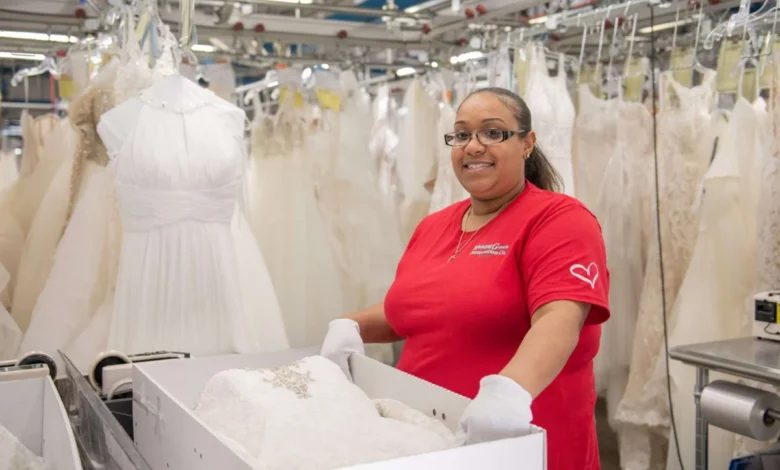
Professional wedding dress preservation is a specialized, multi-stage archival process. It begins with a comprehensive physical assessment, where a technician examines the gown under high-intensity ultraviolet or halogen lighting. This allows them to identify stains that are invisible to the naked eye. Following the assessment, the cleaning process is customized based on the gown’s unique construction—separating beadwork, delicate embroidery, and boning to ensure that mechanical stress is minimized.
The final stage of preservation is the transition from cleaning to archival storage. This involves the use of acid-free, buffered tissue paper, which acts as a barrier against the migration of dyes and prevents the fabric from creasing in ways that could create permanent folds. The gown is then placed in an archival-grade, pH-neutral box. These containers are specifically engineered to be breathable, preventing the buildup of trapped moisture while shielding the garment from light, dust, and insects.
Economic and Industry Data
In the United Kingdom, the market for bridal garment care currently reflects a tiered pricing structure, with professional preservation typically ranging between £130 and £400 depending on the complexity of the gown’s design. In the United States, similar services range from $250 to $600. These figures are often viewed by consumers as a fraction of the total cost of the wedding gown, which, according to various bridal industry reports, averages between £1,500 and £3,000 in the UK and upwards of $2,000 in the US.
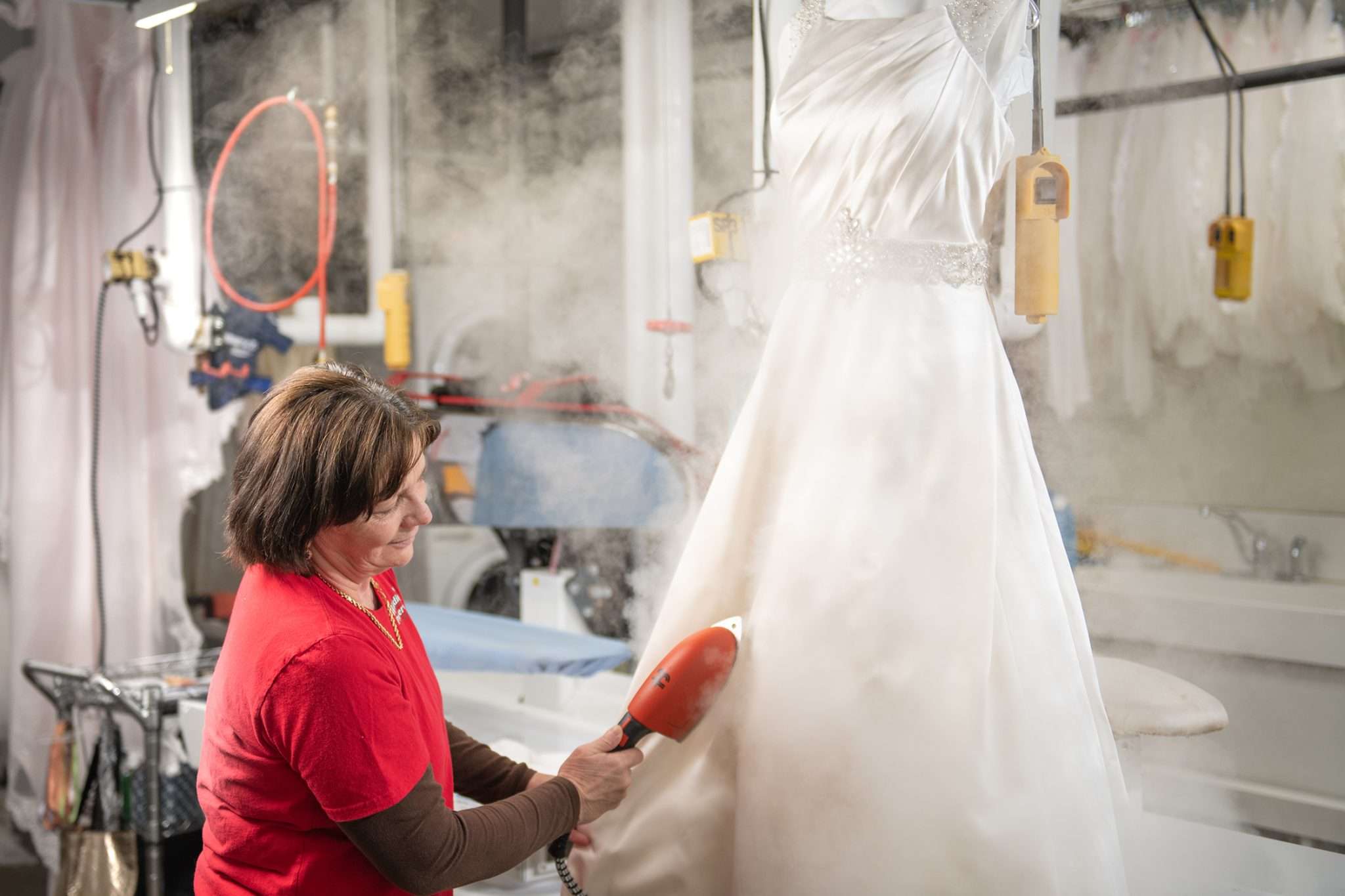
The investment in preservation is increasingly viewed as an asset-protection strategy. For gowns featuring intricate beadwork, expensive silk organza, or hand-applied lace, the cost of preservation acts as a form of insurance. Without such intervention, the resale value of a high-end designer gown can plummet by over 70% within a few years due to visible yellowing or fiber thinning. Conversely, properly preserved garments retain their secondary market appeal for years, allowing for potential resale or repurposing into secondary garments like christening gowns or heirloom accessories.
Expert Perspectives on Archival Standards
Conservationists emphasize that the storage environment is as critical as the cleaning process itself. The most common error reported by professional preservationists is the storage of gowns in basements or attics. These areas are prone to extreme temperature shifts and high humidity, both of which are catalysts for mold and mildew growth.
"The goal is to maintain a stable, climate-controlled environment," explains one industry consultant specializing in textile preservation. "Even with the highest quality archival box, if the room temperature fluctuates between 10 and 30 degrees Celsius, the fabric will expand and contract, putting stress on seams and delicate embellishments."
Professional services recommend that owners of preserved gowns conduct a biennial inspection. By opening the archival box in a clean, dry environment every two years, owners can check for any signs of moisture or discoloration. This regular monitoring allows for early detection of issues, which is far easier to rectify than damage that has been allowed to fester for a decade.
Broader Implications: Sustainability and Legacy
The rise of the "circular economy" in the fashion sector has influenced the way brides approach their wedding gowns. There is a growing trend toward viewing the wedding dress not as a disposable item for a single day, but as a durable good that should be maintained for potential future use. Whether this means passing the gown down to a future generation or modifying the bodice and skirt for a second celebration, the longevity of the garment is central to its utility.
Furthermore, the environmental impact of wedding fashion has come under increased scrutiny. By extending the lifespan of a garment through professional preservation, owners are effectively reducing the demand for new production. This aligns with broader industry shifts toward more sustainable practices, where the "buy-once, keep-forever" philosophy is replacing the rapid-consumption cycle that previously defined the bridal market.
Strategic Decision-Making for Recent Brides
For those evaluating whether to invest in professional preservation, the decision should be dictated by the intended "end-of-life" plan for the garment.
- Retention for Sentiment or Heritage: If the garment is intended to remain in the family for decades, professional preservation is highly recommended. The archival materials ensure the gown does not yellow or lose its structural integrity.
- Resale Value: If the goal is to recoup a portion of the wedding budget, preservation provides the necessary certification and condition reports required by high-end bridal consignment platforms.
- Repurposing or Modification: If the gown is scheduled for significant alterations, such as turning it into a cocktail dress or a christening gown, immediate cleaning is vital. However, full archival preservation may be redundant if the fabric is to be cut or altered in the immediate future.
Ultimately, the choice to preserve a wedding dress is a commitment to the maintenance of an object that carries both significant financial value and sentimental weight. While the process requires an upfront investment, the cost is relatively nominal when measured against the potential loss of a garment that represents a milestone in a family’s history. As professional cleaning and preservation technologies continue to advance, the ability to safeguard these textiles has never been more accessible, provided that owners act with intention and prioritize climate-stable storage as a fundamental component of their post-wedding planning.