The Evolution of Jewelry Foundation Pieces: Why Modern Manufacturing Is Transforming the Chain Market

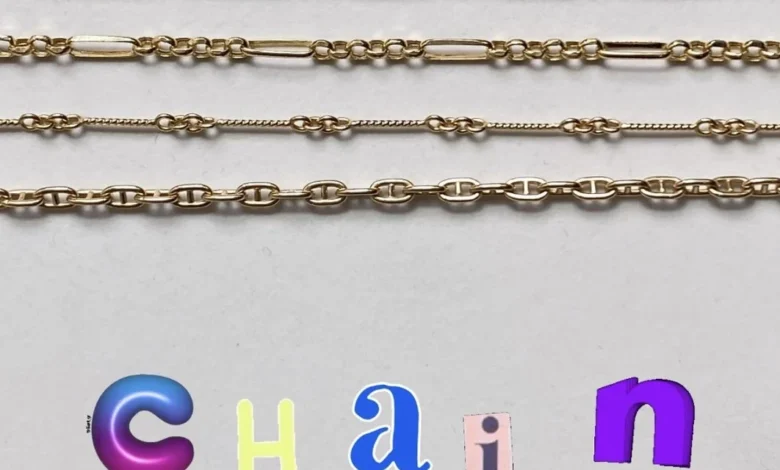
The jewelry industry is undergoing a significant transition as consumer demand shifts from the acquisition of vintage, pre-owned chains toward brand-new, ethically sourced, and structurally verified metalwork. This change in purchasing behavior is driven by a growing awareness of the mechanical vulnerabilities inherent in antique jewelry, as well as the desire for reliable pieces capable of supporting the modern trend of charm-heavy "neck stacks." As the market for everyday luxury items continues to expand, jewelers are pivoting to address the gap between vintage aesthetic appeal and modern structural integrity.
The Structural Fragility of Antique Chains
For decades, the secondary market for gold and silver chains relied on the allure of historical provenance. However, professional inspection of these items often reveals significant degradation. A microscopic analysis of vintage chains frequently exposes thinning links, stress fractures, and uneven wear patterns that are invisible to the naked eye. These structural weaknesses pose a high risk of failure, particularly when these chains are used to hold valuable pendants or charms.
Historically, the cost of restoring an antique chain—requiring specialized soldering, link replacement, and professional polishing—often exceeds the value of the piece itself. When the integrity of the base metal is compromised, even extensive repairs cannot guarantee longevity. This realization has prompted retailers to favor new manufacturing processes that utilize modern metallurgical techniques to ensure consistent tensile strength and durability. By moving toward brand-new production, jewelers can provide consumers with products that have undergone rigorous quality control, ensuring that every link meets uniform standards of density and thickness.
Chronology of Chain Design and Market Shifts
The trajectory of the chain market can be traced through several distinct phases of consumer interest:
- 1990s–2000s: The market was dominated by mass-produced "cable" chains, often included as an afterthought with pendant purchases. These were frequently low-weight and prone to snapping.
- 2010s: The rise of the "curated ear" and the "neck stack" began. Consumers moved toward vintage, high-karat gold chains, prioritizing the look of antique gold over structural performance.
- 2020–2022: A period of heightened market scrutiny. As the cost of precious metals reached record highs, consumers began demanding more value for their investment, shifting focus toward pieces that could withstand daily wear.
- 2023–Present: The "New Foundation" era. Manufacturers are now producing heritage-style designs—such as Mariner, Box, and Figaro links—using modern casting and assembly techniques. This period marks a definitive split between the collector’s market (for rare, non-functional items) and the daily-wear market (for high-durability jewelry).
Data Analysis: The Durability Metric
Jewelry experts define "durability" through several key metrics: metal hardness (Vickers scale), link geometry, and soldering method. Modern manufacturing allows for high-precision laser welding, which creates a seamless join in the link that is structurally superior to traditional torch-soldering.

Industry data suggests that solid-link chains—such as the Mariner or Box link—experience a 40% lower failure rate in daily use compared to hollow or stamped counterparts. The shift toward these specific designs is not merely aesthetic; it is a calculated response to the wear-and-tear expectations of the modern consumer. A 3mm solid Mariner chain, for instance, provides a high weight-to-surface-area ratio, ensuring that it remains resistant to deformation even when supporting multiple heavy gold charms.
Essential Profiles: The Industry Standard for Daily Wear
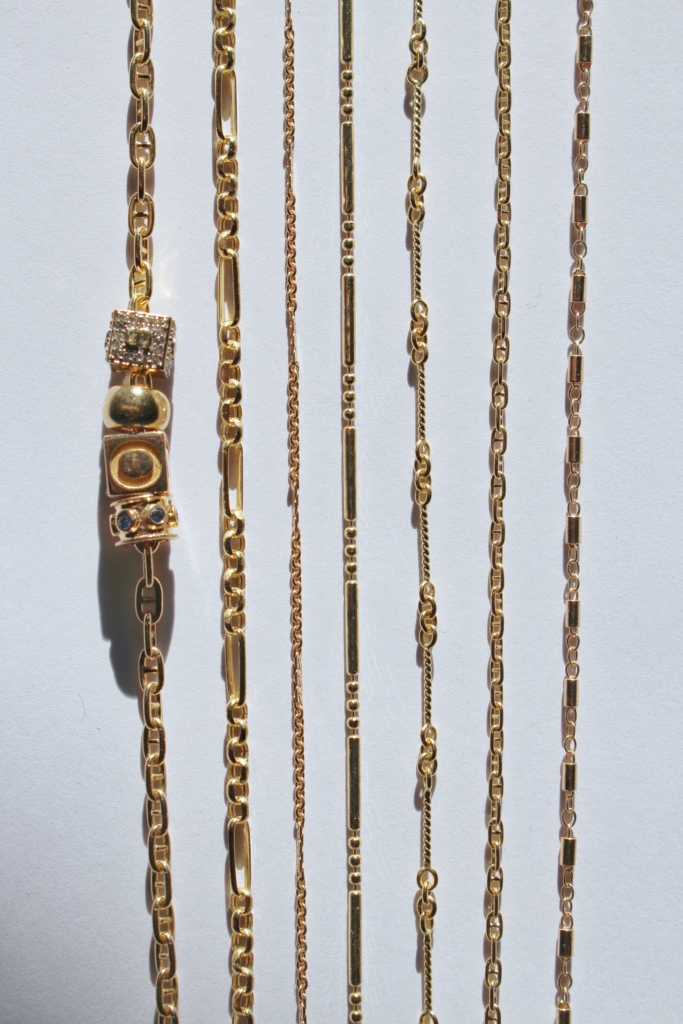
Retailers and gemologists have identified five primary chain profiles that now form the backbone of a functional jewelry collection. These designs have been selected based on their structural reliability and stylistic versatility:
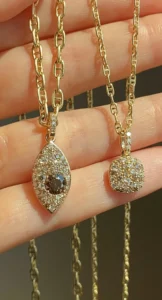
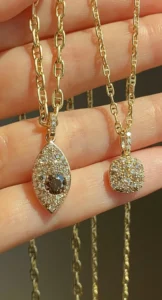
- The Mariner Link: Distinguished by its central bar, this design is renowned for its strength. Because each link is reinforced, the chain is less likely to kink or snap, making it the industry preference for heavier pendants.
- The Box Link: A hallmark of minimalist design, the box chain offers a high degree of flexibility and resistance to tangling. Its square profile provides a modern aesthetic that remains stable against the skin.
- Large-Link Variations (Trombone, Oval, Bar): These designs are currently trending due to their ability to add architectural dimension to a necklace stack. They serve as "statement" pieces that offer both visual weight and mechanical stability.
- The Mini Figaro: As a replacement for the ubiquitous, fragile cable chain, the Mini Figaro offers a more refined look with a higher degree of structural complexity. It is frequently cited as the ideal "entry-level" upgrade for consumers looking to move away from low-quality factory-included chains.
- Specialty Unique Links: Innovation in this sector focuses on textures, such as bead-and-bar or twisted stick designs. These chains leverage modern casting to create intricate patterns that were previously too labor-intensive or technically difficult to produce in volume.
Broader Economic and Environmental Implications
The move toward new, durable chains also aligns with broader economic trends in the luxury goods sector. As the price of gold continues to fluctuate, consumers are increasingly viewing their jewelry as an investment. A chain that requires frequent repair is an eroding asset; a durable, well-manufactured chain is a stable one.

Furthermore, the environmental impact of sourcing new gold has led to increased demand for manufacturers that utilize recycled precious metals. By integrating recycled gold into modern chain production, the jewelry industry is addressing both the consumer’s demand for high-quality, long-lasting products and the global imperative for more sustainable sourcing practices.
Expert Outlook and Future Trends
The consensus among jewelry professionals is that the focus on "foundation pieces" will continue to dominate the market for the foreseeable future. The objective is to remove the "fear of loss" associated with wearing fine jewelry. By providing chains that have been tested for daily endurance, retailers are encouraging a culture of daily wear rather than jewelry storage.
"The goal is to create a seamless integration between the wearer and the jewelry," notes an industry consultant. "If a piece requires constant caution, it has failed its primary function as an accessory. The current trend is about empowerment—providing the wearer with the confidence that their pieces are as resilient as they are beautiful."

As production technologies advance, particularly in the realm of 3D printing and automated link assembly, the variety of available designs is expected to grow. Consumers can anticipate more intricate, high-durability options that marry the aesthetic complexity of historical designs with the engineering precision of the 21st century.
Conclusion: The Shift Toward Reliable Luxury
The jewelry industry’s pivot toward high-durability, newly manufactured chains represents a maturation of the consumer market. By prioritizing structural integrity alongside design, the market is moving away from the vulnerabilities of the past and toward a more reliable, sustainable future. Whether it is the classic Mariner or the modern, unique-link chains gaining popularity, the focus remains on creating a foundation that supports the wearer’s lifestyle, ensuring that the jewelry of today is built to last for generations to come. The era of the "fragile antique" is being supplanted by the "durable essential," signaling a permanent change in how fine jewelry is both produced and valued.