The Evolution of Modern Antiquarianism and the Rise of the Curated Talismanic Jewelry Market as Exemplified by Cyndi of TheFabNab

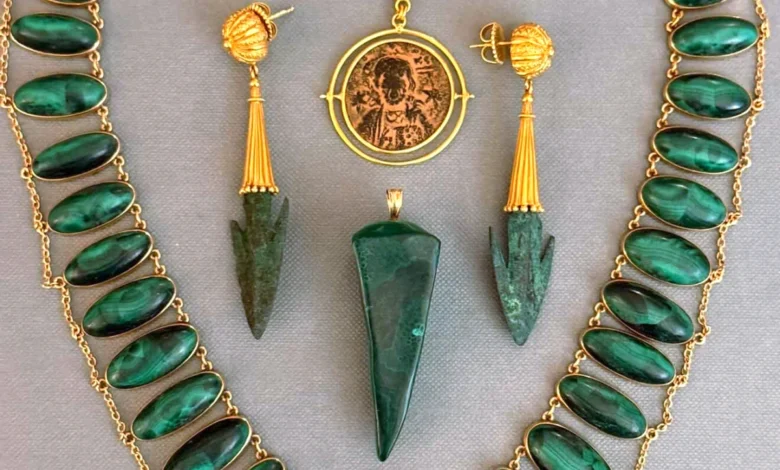
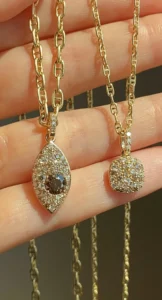
The contemporary landscape of jewelry collecting has undergone a significant transformation over the last decade, moving away from mass-produced luxury toward a highly personalized, "talismanic" approach to curation. This shift is epitomized by the work and collection of Cyndi, the curator behind the digital platform TheFabNab. Her journey from a casual collector to a prominent figure in the antique jewelry community reflects broader market trends: the rising value of Victorian and Art Deco components, the popularity of "conversions" (repurposing antique fragments into wearable modern pieces), and the critical role of social media in fostering a global trade network. By analyzing the trajectory of Cyndi’s collection, which spans thirteen years of acquisition and design, one can observe the intricate intersection of historical preservation and modern aesthetic innovation.
The Genesis of a Collection: From Stick Pins to Precious Metals
The narrative of Cyndi’s collection began approximately 13 years ago, a period that coincides with a burgeoning interest in "small gold" among niche collectors. Her initial entry point into the market was the acquisition of antique stick pins—long, decorative pins originally used to secure neckties or cravats. In the early 2010s, these items were often overlooked by major auction houses and could be acquired at a lower price point than more substantial Victorian or Edwardian jewelry.

Cyndi’s strategy involved recognizing the latent potential in these diminutive objects. By converting stick pins into rings or charms, she pioneered a form of "upcycling" that has since become a staple of the independent jewelry market. This practice allows collectors to access high-quality precious metals and gemstones from the 19th and early 20th centuries without the prohibitive costs of intact, museum-grade sets. This methodology eventually led to the development of her "Lucky Numbers + Talismans" collection, which utilizes Edwardian and Art Deco components to create personalized, symbolic jewelry. This transition marks the evolution from a hobbyist’s curiosity to a structured design philosophy centered on "destiny numbers" and personal "juju," or spiritual energy.
Motifs and Eras: The Architectural Language of the Collection
A hallmark of a sophisticated jewelry collection is a consistent aesthetic language. In the case of TheFabNab, this language is defined by a preference for edgy, vintage aesthetics, specifically medallions, religious iconography, serpents, and rubies. The collection draws heavily from several key historical movements:
The Celestial Influence and H. Stern
A significant portion of the collection is dedicated to celestial motifs—moons, stars, and galactic patterns. Cyndi highlights the H. Stern "Genesis" line as a modern benchmark for celestial design. H. Stern, a world-renowned Brazilian jewelry house, launched the Genesis collection to celebrate its 70th anniversary, drawing inspiration from antique star maps and Victorian-era star jewelry. However, the collection remains anchored by true antiques featuring old mine cut diamonds set in "darkened silver" (oxidized silver) atop gold—a classic Victorian technique that provides a high-contrast, moody backdrop for the stones’ brilliance.

Egyptian Revival and the Golden Age of Serpents
The collection also features a deep engagement with the Egyptian Revival movement. This style first gained popularity in the 19th century following Napoleon’s Egyptian campaigns and saw a massive resurgence in the 1920s after the discovery of Tutankhamun’s tomb. Key elements in Cyndi’s collection include "juicy" winged scarabs and "buttery gold" snakes. The serpent, a motif that gained massive popularity after Prince Albert gifted Queen Victoria a snake engagement ring, represents eternal love and wisdom. The use of brushed gold in these pieces reflects a specific preference for the rich, high-karat alloys often found in 19th-century European craftsmanship.
The Conversion of Victorian Rubies
One of the most distinctive aspects of the collection is the "Victorian ruby spike," a piece converted from an antique brooch. Rubies have historically been associated with power, protection, and passion. In the context of modern curation, the transformation of a traditional Victorian brooch into a "spike" pendant represents a shift toward "toughness" in jewelry design. This "edgy" aesthetic serves as a visual reminder of strength and resilience, bridging the gap between the delicate craftsmanship of the past and the bold self-expression of the present.
The Global Sourcing Network: A Chronology of Acquisition
The growth of the TheFabNab collection is intrinsically linked to the geography of the global antique trade. Cyndi’s sourcing history provides a roadmap for how modern collectors navigate the market:

- The Digital and Local Phase: The journey began with eBay and local antique shops, which served as the primary entry points for many collectors before the saturation of the online marketplace.
- The Paris Flea (Marché aux Puces de Saint-Ouen): As the collection matured, sourcing moved to international hubs. The Paris Flea is widely considered the world’s most prestigious location for antique hunting, offering access to rare European components that rarely reach the American retail market.
- Portobello Road, London: A pivotal moment in the collection’s history was the exploration of London’s Portobello Road. This location is a cornerstone of the global jewelry trade, known for its high concentration of specialist dealers. It was here that the importance of community and professional relationships became paramount.
- The Trade Show Circuit: The final stage of the collection’s evolution involved active participation in major trade shows, including the Hillsborough Show, the Miami Antique Show, and the Las Vegas Antique Jewelry & Watch Show. These events are not merely transaction hubs but are essential for networking with industry leaders like Lenore Dailey and Ishy of Ishy Antiques.
The Role of Social Media in the Jewelry Industry
The rise of Instagram (IG) has fundamentally altered the jewelry industry, particularly for independent curators and "selective collectors." The platform has moved beyond a simple gallery of images to become a primary marketplace and a community hub.
For Cyndi, Instagram allowed for the creation of a recognizable brand identity. Her "selective collective" approach—where her aesthetic is so distinct that followers can identify her posts without seeing the handle—is a powerful form of digital branding. Furthermore, the platform has facilitated "mutual unending support" among a global "jewelry gang." This network of dealers and collectors (such as @parkavenueantiques and @treasuresforliesel) provides the market intelligence and emotional support necessary to navigate a competitive and often opaque industry.
Analysis: The Psychology of the Modern Talisman
The success of collections like those featured by TheFabNab suggests a deeper psychological trend in consumer behavior. In an era of mass production and digital transience, there is a growing demand for "talismanic" objects—items that offer a sense of protection, history, and personal narrative.

Jewelry is no longer viewed solely as a display of wealth or a superficial accessory. Instead, it is increasingly treated as a "layer of love" or a "shield." This is particularly evident in the trend of "self-gifting" to commemorate personal victories or goals. The conversion of an antique piece—taking something "stale" and making it "fresh"—mirrors the collector’s own journey of self-reinvention. By "re-dreaming" a Victorian brooch into a modern spike, the curator provides the "discerning collector" with a tangible symbol of their own "inner badass goddess."
Market Implications and Future Outlook
The market for antique conversions and curated vintage jewelry is expected to remain robust. Several factors contribute to this outlook:
- Scarcity: Original Victorian and Art Deco pieces are increasingly rare. As Cyndi notes, some items are now "rarer than hens’ teeth," driving up the value of even fragmented components that can be repurposed.
- Sustainability: The "circular economy" of the antique trade appeals to environmentally conscious consumers who prefer recycled gold and stones over newly mined materials.
- Personalization: The move toward "lucky numbers" and custom talismans aligns with the broader retail trend of hyper-personalization.
In conclusion, the story of Cyndi and TheFabNab is more than a chronicle of personal acquisition; it is a case study in the modern antiquarian movement. By blending historical scholarship with a contemporary, edgy aesthetic, Cyndi has demonstrated how the jewelry of the past can be reinvented to serve as a powerful tool for modern empowerment. As the community continues to reunite at trade shows and collaborate via digital platforms, the influence of these selective collectors will likely continue to shape the aesthetic and economic future of the jewelry industry.