Reflections on Summer 2026: A Seasonal Analysis of Trends, Personal Branding, and Consumer Jewelry Shifts

As Nashville transitions into the academic rhythm of the new school year, the seasonal shift provides a critical juncture for reflection on the consumer trends that defined the summer of 2026. For small business owners and curators in the high-end jewelry and artisanal goods sector, the past three months were characterized by a departure from muted, monochromatic aesthetics toward a more saturated, color-forward design philosophy. This shift is not merely a stylistic preference but appears to be part of a broader consumer movement toward individualized color palettes and tactile, artisanal craftsmanship.
The Rise of Color Analysis in Consumer Behavior
The summer of 2026 saw a measurable pivot in personal styling, driven largely by the mainstream adoption of professional color analysis. This practice, which categorizes individuals into seasonal palettes to determine which hues best complement their skin tone, eye color, and hair, has moved from a niche beauty practice to a significant driver of retail choices.
The "Bright Spring" designation, characterized by high-contrast, vibrant, and clear colors, emerged as a dominant influence. This shift necessitated a re-evaluation of inventory for many boutique retailers. The move away from traditional black—a perennial staple in luxury jewelry—toward gemstones like turquoise, red coral, and angel skin coral represents a departure from the "minimalist luxury" aesthetic that dominated the early 2020s. From an analytical perspective, this suggests that consumers are increasingly prioritizing personal identity and "dopamine dressing" over standard industry trends that favor uniformity.

Artisanal Collaboration and Supply Chain Innovation
A notable trend this summer was the collaborative effort between independent jewelry curators and specialized glass artisans. The demand for glass beads, particularly those with specific internal dimensions, highlights a gap in the existing jewelry findings market. Previously, mass-produced beads often failed to accommodate the larger, high-quality gold chains favored by modern jewelry enthusiasts.
By bridging the gap between artisan production and commercial jewelry needs, curators were able to introduce entry-level price points—such as the $25 bead market—without diluting the perceived value of their larger, more expensive collections. This "accessible luxury" model allows brands to maintain engagement with their audience while providing entry points that do not require the capital commitment of fine jewelry.

Evolution of the "Key" Motif in Fine Jewelry
The motif of the "key"—a historic symbol in jewelry representing guardianship, legacy, and unlocking potential—saw a resurgence in 2026. The evolution of the "In the Light of Day" key and the re-release of the "Danielle Seashell Key" indicate a consumer preference for narrative-driven pieces.
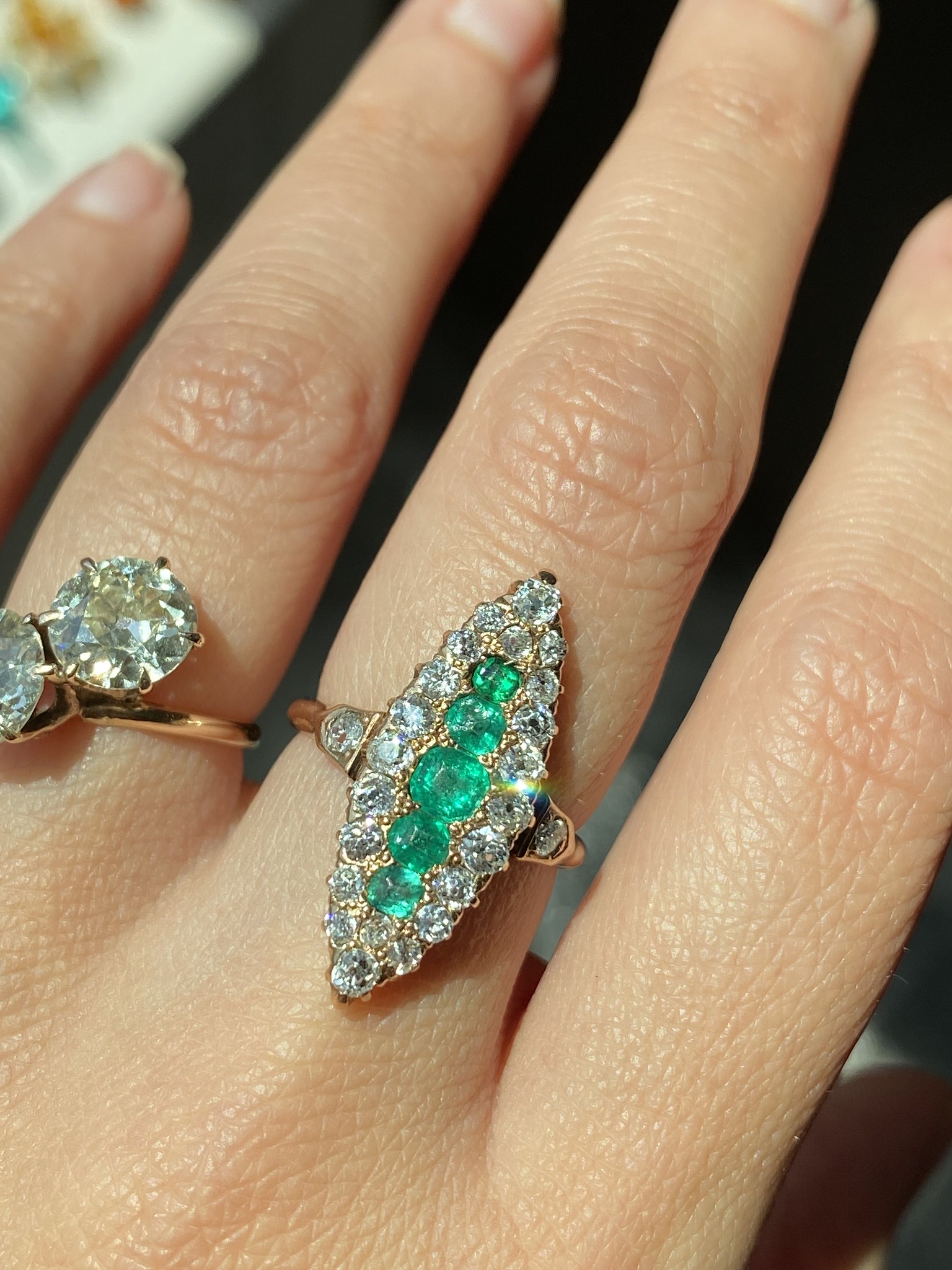
Data from the jewelry sector suggests that collectors are moving toward "heirloom-quality" items that feature mixed-media elements, such as the pairing of organic, hand-crafted gold wafers with traditional precious stones. The focus on "perfectly imperfect" designs, where no two pieces are identical, signifies a rejection of the hyper-precision often found in computer-aided design (CAD) jewelry manufacturing. Consumers are increasingly willing to pay a premium for evidence of the human hand in the production process.

Preservation and Cultural Nostalgia
Beyond retail, the summer of 2026 underscored the importance of historical preservation within the domestic sphere. The trend of "attic clearing" and the reorganization of childhood artifacts serves as a proxy for a larger cultural desire to reconnect with physical history. In an era dominated by digital archives, the tactile nature of childhood toys—such as those utilizing sand or specific color-saturated materials—provided a psychological grounding for many individuals.
This domestic trend mirrors the jewelry market’s fascination with vintage and antique items. The act of cataloging one’s own collection alongside new acquisitions creates a continuous timeline of personal value. For many, the preservation of these items is not merely about storage but about maintaining a tangible link to one’s upbringing, a practice that directly informs the aesthetic choices made in adult life.

Market Analysis: The Ombre Brown Diamond
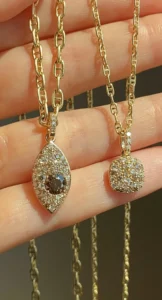
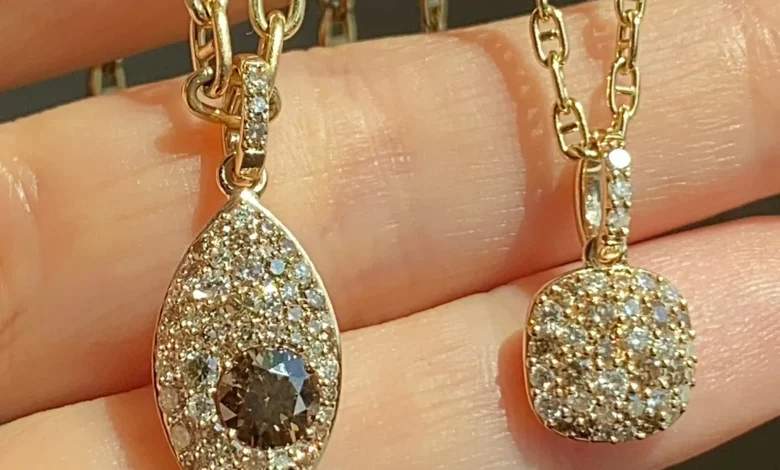
One of the most distinct product-level trends of the summer was the emergence of ombre-colored brown diamonds. Historically, brown diamonds (often referred to as "chocolate" or "champagne" diamonds) were viewed as lower-tier alternatives to colorless stones. However, the 2026 market saw a significant re-branding of these stones.
By utilizing ombre gradients, jewelers were able to highlight the complexity of the stone’s color spectrum rather than attempting to mask it. This shift reflects a sophisticated maturity in the diamond market, where the unique inclusions and off-center settings are celebrated as design features rather than flaws. This trend is likely to influence the pricing of secondary-market diamonds, as the appreciation for earth-toned, non-traditional stones continues to rise.

Broader Economic and Logistical Implications
The logistics of small-scale jewelry retail remain complex. The challenges of maintaining a business in a climate-sensitive environment—such as the extreme heat of Tennessee, which affects both inventory storage and logistical efficiency—are often overlooked in broader retail reporting. The transition to climate-controlled storage solutions and the subsequent reorganization of inventory reflect the operational hurdles that small business owners face in an increasingly volatile climate.
Furthermore, the integration of global supply chains, such as the sourcing of Ukrainian glass art, demonstrates the resilience of independent creators in the face of international instability. By maintaining these partnerships, curators not only provide unique products to the market but also support specialized craft economies that might otherwise struggle to find a global audience.

Future Outlook and Consumer Expectations
As the market heads toward the final quarter of 2026, the focus will likely remain on personalization and the "storytelling" aspect of jewelry. The success of the past summer indicates that consumers are no longer satisfied with passive participation in trends. They are seeking:
- Customized Color Palettes: A continued reliance on professional color analysis to inform wardrobe and accessory investments.
- Tactile Authenticity: A preference for handmade, organic shapes over standardized, mass-manufactured components.
- Narrative Value: An increased demand for jewelry that serves as a conversation piece, often tied to specific designers, historical motifs, or collaborative projects.
- Accessible Entry Points: The integration of lower-cost accessories into higher-end collections to facilitate broader consumer participation.
The summer of 2026 serves as a case study for the modernization of the jewelry industry. By prioritizing human-centric design, celebrating the imperfections of artisanal work, and embracing the psychological impact of color, the industry is successfully navigating the transition from traditional, static retail to a more dynamic, relationship-based model. Whether it is through the curation of glass animals or the engineering of a perfectly sized gold bead, the focus remains on the intersection of individual expression and technical craftsmanship. As the school year begins and the industry looks ahead, the lessons learned from this summer will undoubtedly inform the design and procurement strategies for the upcoming holiday season and beyond.