The Evolution of Sustainable Plus-Size Fashion: UK Brands Catering Up to Size 32

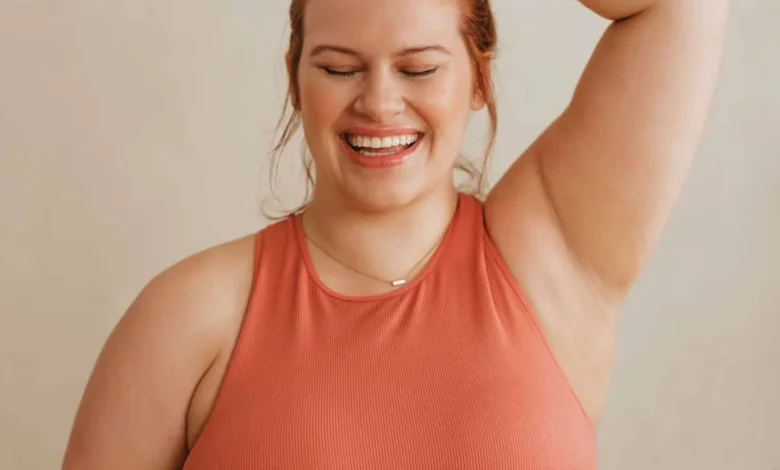
The landscape of sustainable fashion in the United Kingdom has undergone a significant, albeit gradual, transformation over the past decade. When consumer demand for ethically manufactured plus-size apparel first began to surface around 2013, the market presented a starkly limited selection. At a time when statistical data consistently demonstrated that the average British woman wore a size 16, the domestic ethical clothing sector failed to reflect this demographic reality. Initial industry inquiries revealed a complete absence of UK-based brands offering extended sizing under ethical production models, leaving consumers with virtually no domestic options.
Historical Context and Market Evolution
Throughout the early 2010s, the intersection of sustainability and body inclusivity remained largely neglected by independent British labels. Mainstream fast-fashion retailers readily captured the plus-size market, often utilizing exploitative labor practices and synthetic materials to keep costs low. Conversely, early pioneers of the slow-fashion movement frequently capped their size ranges at a UK 14 or 16, occasionally mislabeling standard measurements as "extra-large."

Market analysts point to a rigid adherence to traditional manufacturing templates as a primary driver of this exclusion. Smaller ethical brands cited high overhead costs and the complexities of grading patterns across diverse body shapes as barriers to expanding their size matrices. Consequently, consumers seeking transparent supply chains and earth-conscious fabrics were systematically alienated if their body measurements exceeded conventional parameters.
By the early 2020s, mounting consumer pressure and shifting cultural attitudes began to dismantle these barriers. Activists and advocacy groups successfully reframed size inclusivity not merely as an aesthetic preference, but as an essential component of social justice within the broader environmental movement. Slowly, a new generation of British sustainable labels emerged, proving that eco-friendly garments could be successfully scaled to accommodate body types up to a UK size 32.
Leading UK Brands Championing Inclusive Sizing
Today, the market features several notable brands bridging the gap between ethical manufacturing and extended sizing. These companies employ diverse strategies—ranging from deadstock utilization to organic material sourcing—to minimize environmental degradation while serving a broader spectrum of body shapes.
Seasalt: High-Street Accessibility
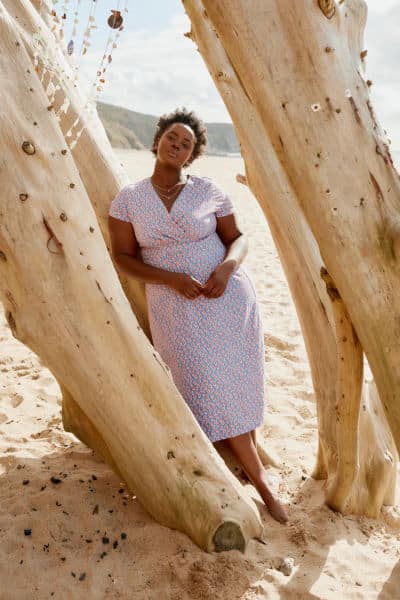
Seasalt has established itself as a prominent high-street option offering inclusive sizing at accessible price points, catering to consumers up to a UK size 28. Historically, the brand achieved a significant milestone in 2005 by becoming the first fashion company to secure Soil Association Global Organic Textile Standard (GOTS) certification. Much of its current collection utilizes GOTS-certified organic cotton and recycled fibers. Despite its widespread availability and commitment to environmental standards, industry observers have noted a distinct lack of plus-size representation within the brand’s digital marketing imagery, highlighting an area where traditional retail practices still require modernization.
The Spark Company: Activism and Slow Fashion
Operating at the intersection of social advocacy and slow fashion, The Spark Company produces size-inclusive, vegan-friendly apparel. Specializing in organic cotton T-shirts, hoodies, and loungewear featuring progressive feminist and LGBTQ+ messaging, the brand maintains a strict adherence to ethical manufacturing. Company mandates explicitly prohibit sweatshops and child labor, supported by operational policies that incorporate zero-waste practices, vegan dyes, and biodegradable packaging. Furthermore, the brand maintains a corporate partnership with Bloody Good Period, allocating a portion of every purchase to support menstrual equity among displaced and vulnerable populations.

Not Basics: Circular Design Through Deadstock
Addressing the foundational layers of the wardrobe, Not Basics offers a comprehensive range of essentials, including undergarments, leggings, and knitwear up to a UK size 22. The brand’s operational model emphasizes circularity by repurposing unsold deadstock fabrics sourced from external manufacturers, textile mills, and independent brands. This practice directly diverts usable material from municipal landfills while mitigating the resource-intensive production cycles associated with virgin textiles. Garments not constructed from deadstock utilize soft, breathably spun organic cotton cultivated without synthetic pesticides.
The Nearly New Cashmere Co.: Premium Circular Knitwear
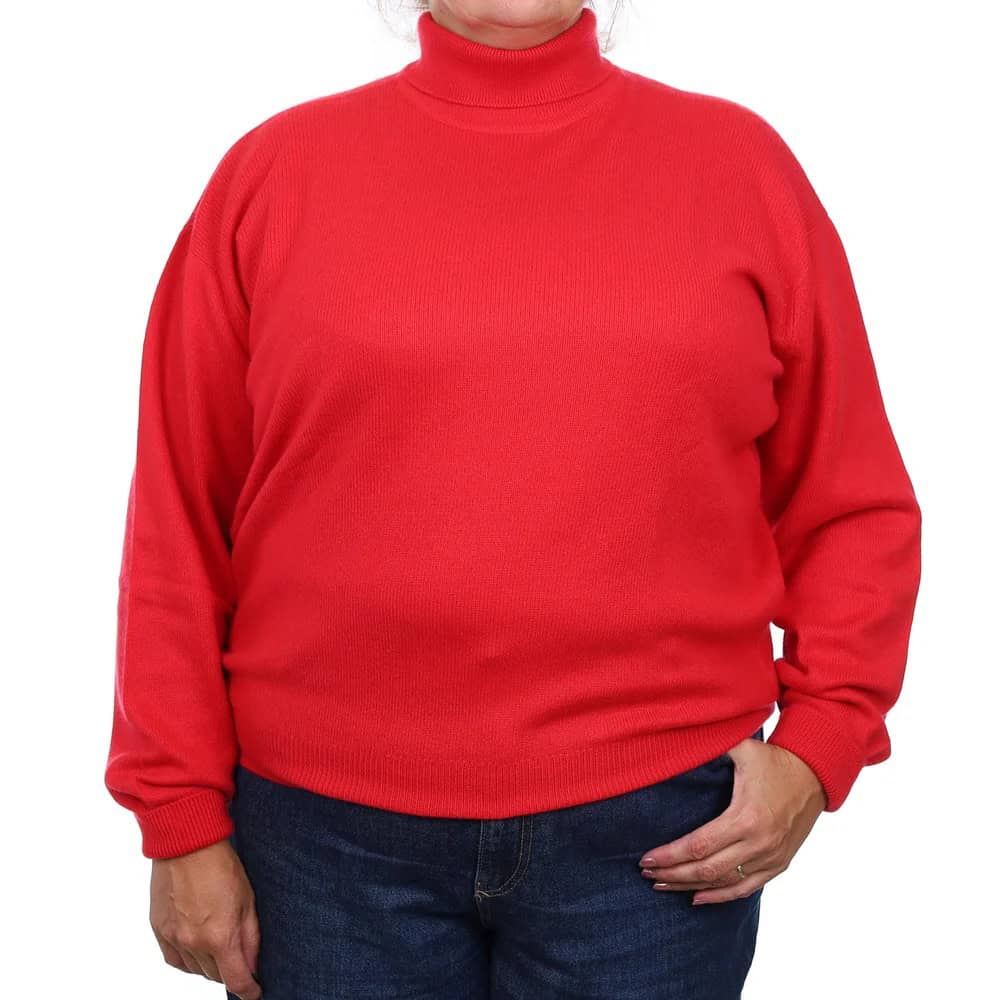
Specializing in luxury knitwear, The Nearly New Cashmere Co. operates on a restorative business model based in Yorkshire. The enterprise rescues, restores, and refurbishes preloved, 100% pure cashmere garments, returning them to a near-new condition. Catering to consumers up to a UK size 26, the brand offers an array of cardigans, polo necks, and jumpers. To maximize garment lifespans and reinforce circular economy principles, the company provides an accessible repair service, ensuring that luxury textiles remain in active circulation for extended periods.
Lucy & Yak: Transparency and Material Innovation
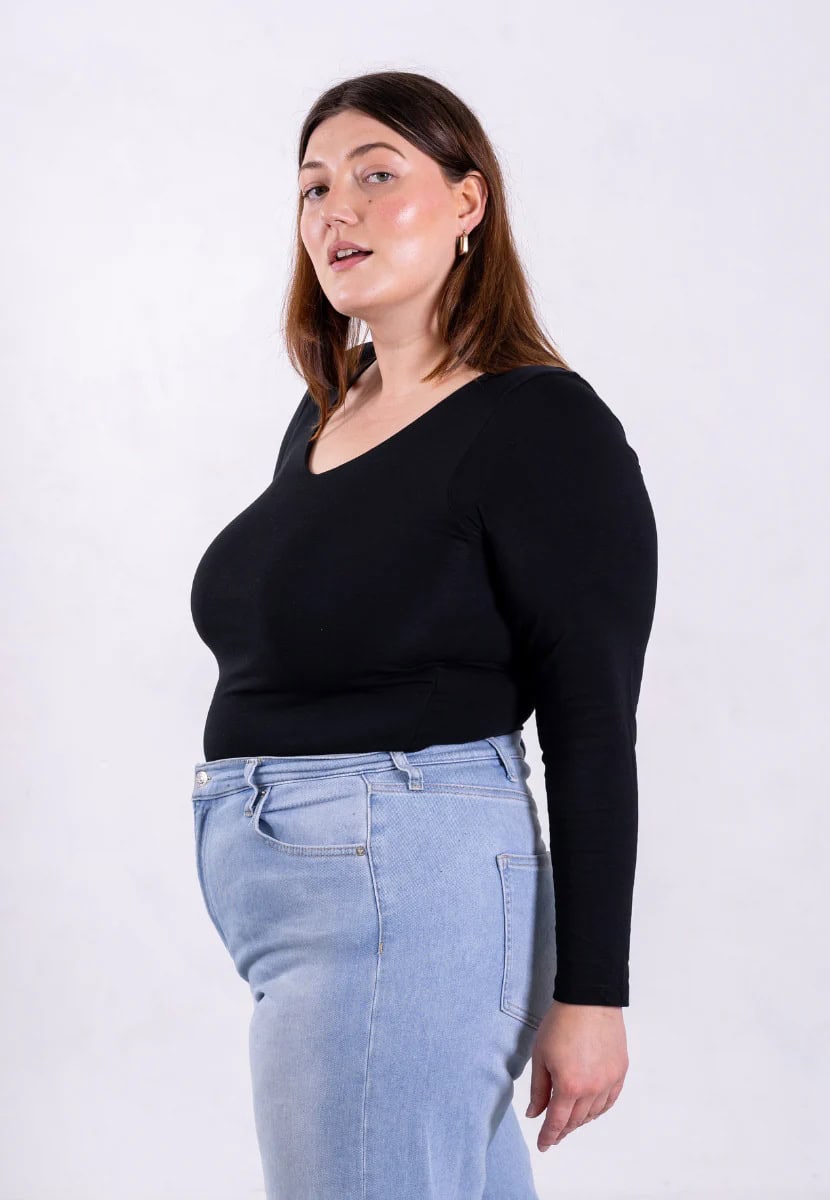
Recognized widely within the UK slow-fashion community, Lucy & Yak provides distinctive styles—including dungarees, trousers, and jumpsuits—extending up to a UK size 32. The brand prioritizes alternative and recycled textiles, incorporating organic cotton, linen, and regenerated fibers into its production lines. Operating exclusively through independently audited factories, Lucy & Yak maintains transparent oversight of its supply chain, emphasizing fair compensation and safe working environments for all garment workers.
Girlfriend Collective: Closed-Loop Activewear
For consumers seeking high-performance activewear, Girlfriend Collective delivers inclusively sized options extending to a UK size 30. Available through select UK stockists, the brand constructs its core athletic lines from post-consumer recycled plastic bottles, while tops are fashioned from Cupro, a regenerated cellulose fiber derived from cotton industry waste. Manufacturing operations take place within SA8000-certified facilities, guaranteeing adherence to stringent labor standards regarding fair wages and safe working conditions. Additionally, the brand operates the "ReGirlfriend" take-back scheme, facilitating the recycling of worn garments directly into new apparel streams rather than downcycling them into lower-grade industrial insulation.
Implications and the Path Forward
Despite notable advancements, sector analysts emphasize that the ethical fashion industry must address persistent systemic gaps. Representation of diverse body types in promotional campaigns remains disproportionately low, and numerous certified sustainable brands continue to enforce arbitrary size limits below a UK size 18.
Consumer advocacy groups encourage direct engagement with brands, noting that documented customer demand frequently influences corporate inventory expansion. For individuals facing financial barriers to purchasing newly manufactured ethical clothing, industry experts stress that supporting the broader movement does not strictly rely on point-of-sale transactions. Consumer advocacy—encompassing pressure for supply chain transparency, the challenging of corporate greenwashing, and solidarity with global garment worker unions—remains a vital component of structural reform within the modern fashion economy.