The Evolving Creator Economy: Expert Insights from Glossy Pop NYC on the Future of Influence and Brand Strategy

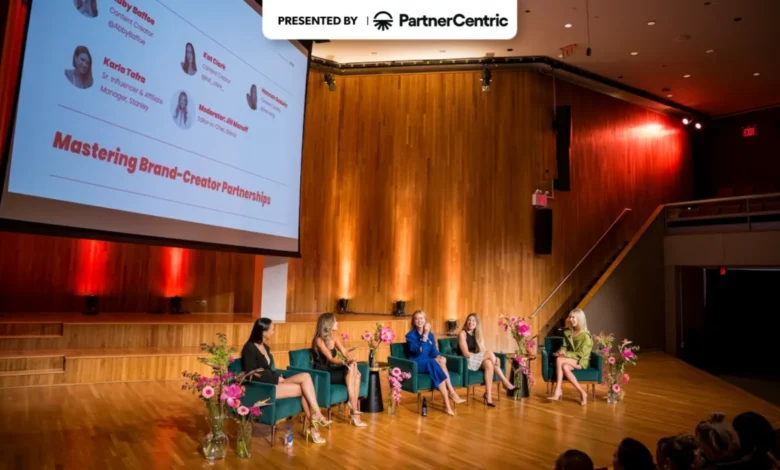
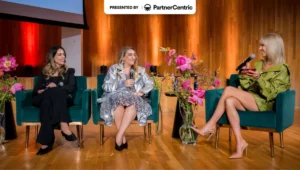
The creator economy is undergoing a profound structural shift, moving away from the era of hyper-niche influencers toward a more complex ecosystem defined by professional expertise, strategic brand co-creation, and the professionalization of personal brands. This transformation served as the central theme at Glossy Pop NYC, an industry-leading event held earlier this month that convened brand executives, veteran PR experts, and prominent content creators to dissect the forces reshaping the fashion and beauty industries. As artificial intelligence, shifting consumer demographics, and economic pressures converge, the standards for what constitutes "influence" are being rewritten in real-time.
A Timeline of Transformation in the Creator Space
To understand the current state of influencer marketing, one must examine the rapid progression of the sector over the last decade. The industry has moved through three distinct phases: the "discovery" phase (2010–2015), characterized by early bloggers and YouTubers; the "saturation" phase (2016–2021), marked by the rise of Instagram and TikTok and the emergence of the "micro-influencer"; and the current "professionalization" phase (2022–present).
In the early years, creators were often viewed by brands as mere distribution channels—low-cost alternatives to traditional advertising. Today, the dynamic has inverted. Brands now seek creators who act as consultants, creative directors, and product developers. This evolution is particularly visible in the career trajectories of creators like Abby Baffoe. Beginning her digital journey in 2019 with a focus on hair tutorials, Baffoe has since transitioned into a lifestyle-centric model. Her experience highlights a broader trend: the "niche trap." While early creator advice focused on becoming the go-to authority in a single vertical, many established creators are now finding that broad lifestyle integration allows for more authentic and sustainable long-term brand relationships, such as her ongoing work with legacy beauty brands like TRESemmé and L’Oréal.
The Rise of the Athlete-Creator
Perhaps the most significant disruption in the influencer space is the entry of professional athletes into the digital marketing arena. As sports marketing intersects with lifestyle branding, athletes are no longer content to serve as static brand ambassadors. WNBA star Hailey Van Lith, speaking at the event, emphasized that modern athletes are increasingly demanding a seat at the table.
For years, the athlete-as-billboard model was the industry standard. Today, that model is viewed as outdated by a new generation of sports stars who view their personal brand as a business asset. Van Lith noted that her interest lies in the creative process—deciding the aesthetic of a campaign, shaping the messaging, and ensuring that brand partnerships align with her personal identity. This shift is highly beneficial for marketers, who view athletes as a gateway to younger, highly engaged demographics that are often resistant to traditional celebrity endorsements. Data from recent industry reports suggests that engagement rates for athlete-led campaigns are 15-20% higher than those featuring traditional lifestyle influencers, primarily due to the parasocial trust built during live athletic performances.
Navigating the Tension Between Authenticity and Corporate Compliance
Despite the industry’s incessant calls for "authenticity," a paradoxical tension remains between the creator’s need to feel genuine and the brand’s need for strict compliance. This is especially true when comparing luxury fashion houses with mass-market consumer goods.
Tessa Brooks, a prominent creator with a combined following of over 25 million across Instagram and TikTok, provided a candid look at this dichotomy. She noted that when partnering with non-luxury brands, the emphasis is often on viral potential—quick, engaging, and highly sharable content. However, when working with high-end luxury labels, the creative latitude is significantly restricted. These brands operate under rigorous guidelines, often requiring creators to mirror the specific brand image that the house has cultivated over decades. This suggests a bifurcated market: creators who want to thrive must become adept at toggling between the raw, unpolished "authentic" aesthetic demanded by the TikTok algorithm and the highly curated, restrictive standards of high fashion.
The Crisis of Meaning: Expertise vs. Influence
One of the most provocative segments of Glossy Pop NYC involved fashion PR veteran Kelly Cutrone, who challenged the very utility of the term "influencer." Cutrone argued that the democratization of content creation—while empowering—has led to a dilution of expertise.
"There is a difference between an opinion and experience," Cutrone remarked. Her critique centers on the ease with which individuals can establish a platform. The ability to purchase professional equipment and secure a high-end aesthetic background has lowered the barrier to entry so significantly that the title of "expert" has become untethered from actual industry experience. This is a critical inflection point for the fashion and beauty sectors. As consumers become more skeptical of sponsored content, the market is beginning to favor creators who possess verifiable credentials.
This sentiment is bolstered by the success of professionals like Mary Phillips, the celebrity makeup artist and founder of M.ph by Mary Phillips. Phillips’ trajectory illustrates that industry longevity remains the ultimate currency. When she approached Sephora with a business proposal, the retail giant was receptive not because of her social media follower count alone, but because of her decades-long reputation in the professional beauty world. Her experience suggests that the future of the creator economy may belong to the "expert-creator"—those who were successful in their fields long before they stepped in front of a ring light.
Data-Driven Implications for the Future
Industry analysis indicates that the creator economy is projected to reach a valuation of nearly $500 billion by 2027. However, the internal composition of this market is shifting. Brands are increasingly moving away from the "spray and pray" method of influencer marketing, where they pay for reach across thousands of micro-influencers. Instead, they are consolidating their budgets toward fewer, more integrated, long-term partnerships with creators who can demonstrate measurable ROI (Return on Investment) and a high level of brand affinity.
Furthermore, the integration of AI in influencer marketing is expected to accelerate this trend. As AI-generated content becomes more prevalent, the value of human experience—the "real-life skills" championed by Cutrone—will likely command a premium. Brands are beginning to prioritize creators who can offer a "human-in-the-loop" approach, where the creator provides the strategic oversight and emotional resonance that AI currently cannot replicate.
Broader Industry Impact and Strategic Takeaways
The conversations at Glossy Pop NYC underscore that the influencer landscape is maturing into a legitimate, albeit volatile, business sector. For aspiring creators, the takeaway is clear: longevity requires more than just a viral moment. It requires the development of a unique skill set, a consistent professional reputation, and the ability to navigate the complex demands of corporate partnerships.
For brands, the lesson is equally profound. The era of treating influencers as mere mouthpieces is effectively over. The most successful brands of the next decade will be those that treat creators as genuine collaborators. This involves moving past the transactional nature of influencer marketing and building long-term, iterative relationships that leverage the creator’s unique understanding of their audience.
As the industry moves forward, the divide between "content creators" and "industry experts" will likely continue to blur. The winners in this space will be those who can bridge the gap, combining the technical, fast-paced nature of modern social media with the deep, foundational knowledge of the fashion and beauty industries. As Kelly Cutrone noted, this is a lifestyle that demands total commitment. For those who view it merely as a shortcut to fame, the industry’s current shift toward substance and expertise may prove to be an insurmountable hurdle. Conversely, for those who invest in their craft, the opportunities within this rapidly evolving economy have never been greater. The professionalization of influence is not just a trend; it is the new baseline for survival in a crowded digital marketplace.