The Growing Imperative for Sustainable Men’s Underwear: Health, Environment, and Ethical Production Drive Consumer Choices

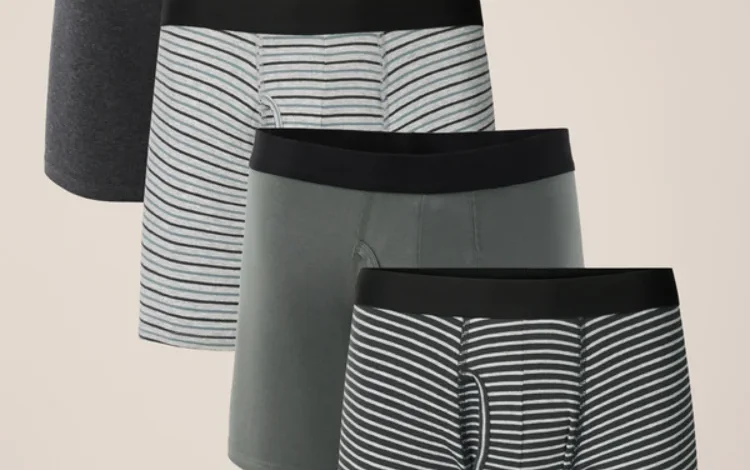
The landscape of men’s apparel is undergoing a significant transformation, driven by a burgeoning consumer awareness regarding environmental sustainability, personal health, and ethical manufacturing practices. Increasingly, men are seeking out underwear made from natural, organic, and non-toxic materials, moving away from conventional options that often carry hidden costs for both the planet and personal well-being. This shift reflects a broader trend in the fashion industry towards greater transparency and responsibility, prompting brands to innovate with materials and production methods that prioritize longevity, comfort, and minimal ecological footprint. The move towards sustainable undergarments is not merely a niche preference but a growing imperative, underscored by compelling data on the impact of textile production and the subtle yet significant effects of clothing choices on human health, particularly male reproductive health.
The Environmental and Health Imperatives Driving Change
The production of conventional underwear, particularly those made from non-organic cotton or synthetic blends, is fraught with environmental and health concerns. Conventional cotton farming is notoriously resource-intensive, consuming vast quantities of water and relying heavily on synthetic pesticides and herbicides. Globally, cotton cultivation is estimated to account for approximately 16% of the world’s insecticides and 7% of its pesticides, despite occupying only about 2.4% of the world’s cultivated land. This chemical dependency leads to significant ecological damage, including soil degradation, contamination of waterways through runoff, and adverse health effects for farm workers.
Beyond cultivation, the processing of conventional textiles involves numerous chemical treatments. Fabrics are often bleached, dyed with synthetic colorants containing heavy metals or azo compounds, and treated with finishes for properties like wrinkle resistance (using formaldehyde) or water repellency (using per- and polyfluoroalkyl substances, or PFAS). These chemicals can persist in the finished garments and may be absorbed through the skin, especially in sensitive areas where underwear maintains prolonged contact. Public health experts and toxicologists have raised concerns about the potential for these residues to act as irritants, allergens, or even endocrine disruptors, substances that can interfere with the body’s hormonal system.
In contrast, organic underwear offers a compelling alternative. Certified organic cotton, for example, is grown without synthetic pesticides, GMOs, or chemical fertilizers. This approach not only reduces chemical pollution and water usage but also fosters healthier soil, which is crucial for carbon sequestration and biodiversity. Natural fibers like Modal (derived from beechwood pulp) and bamboo viscose, when processed responsibly in closed-loop systems, also present sustainable alternatives, offering excellent breathability and softness. The benefits extend to the end-user: organic and natural fibers are often softer, more breathable, and hypoallergenic, making them ideal for individuals with sensitive skin, allergies, or conditions like eczema. The breathable nature of these fabrics also helps to minimize moisture buildup, reducing the risk of skin irritation and fungal infections in intimate areas.
The Fertility Connection: Underwear, Temperature, and Endocrine Disruptors
One of the most significant, yet often overlooked, health implications of underwear choice pertains to male fertility. Scientific research has consistently highlighted the importance of optimal temperature regulation for spermatogenesis, the process of sperm production. The testicles are located outside the body in the scrotum precisely because sperm production requires a temperature cooler than the core body temperature. Tight-fitting underwear styles, such as briefs or compression shorts, made from non-breathable synthetic materials, can trap heat, elevate scrotal temperature, and potentially impair sperm production, leading to reduced sperm count and motility issues. For this reason, looser styles like traditional boxers or relaxed boxer briefs, which allow for greater airflow and temperature regulation, are generally recommended by reproductive health specialists.
Furthermore, the materials and chemical treatments in conventional underwear pose a direct threat to male reproductive health through exposure to endocrine-disrupting chemicals (EDCs). Synthetic fabrics like polyester, nylon, and spandex, as well as various textile finishes, can contain EDCs such as phthalates, bisphenol A (BPA), formaldehyde, and perfluorinated chemicals (PFCs). These compounds are known to mimic or interfere with the body’s natural hormones, potentially leading to disruptions in testosterone levels, impaired sperm quality, and other reproductive health problems. Studies have linked exposure to certain EDCs to decreased sperm count and motility. For instance, research published in environmental health journals has detailed how phthalates, commonly used as plasticizers in synthetic textiles, can leach out and be absorbed through the skin, affecting the delicate hormonal balance required for healthy reproduction.
Even dyes and finishing agents can contribute to this chemical load. Many commercial textile dyes contain heavy metals or azo compounds, which have been implicated in skin irritation and potential hormonal disruption. Flame retardants, often applied to various fabrics, are another class of chemicals with documented health risks, including endocrine disruption. This underscores the importance of choosing underwear from brands that prioritize non-toxic dyes and finishes, and transparently disclose their production practices.
Navigating the Market: Key Certifications and Consumer Empowerment
For consumers seeking truly non-toxic and sustainable underwear, understanding relevant certifications is paramount. These labels provide a reliable means of verifying a product’s environmental and social credentials:
-
Global Organic Textile Standard (GOTS): Widely recognized as the leading processing standard for textiles made from organic fibers, GOTS certification ensures that the entire supply chain, from the harvesting of raw materials to environmentally and socially responsible manufacturing, adheres to strict ecological and social criteria. This includes prohibitions on hazardous chemicals, ensuring fair labor practices, and requiring a minimum percentage of organic fiber content. GOTS provides comprehensive assurance of both organic material integrity and ethical production.
-
OEKO-TEX Standard 100: This certification focuses specifically on the safety of the finished textile product, ensuring it is free from harmful substances. It tests for a wide range of chemicals, including heavy metals, pesticides, and formaldehyde, certifying that the materials are safe for human contact. While OEKO-TEX Standard 100 does not guarantee organic cultivation or environmental production processes, it is a crucial indicator for non-toxic end products, applicable to both natural and synthetic fibers.
-
Fair Trade Certification: This certification addresses the social aspect of sustainability, ensuring that farmers and factory workers involved in the supply chain receive fair wages, work in safe conditions, and benefit from community development initiatives. In the textile industry, Fair Trade certification is vital for promoting equitable practices and combating exploitation prevalent in global supply chains.
These certifications empower consumers to make informed choices, moving beyond superficial claims to select products that genuinely align with health and ethical values.
Pioneering Brands in the Sustainable Underwear Sector
The growing demand for sustainable men’s underwear has spurred a number of brands to prioritize natural materials, ethical production, and non-toxic processing. These companies are setting new benchmarks for responsible manufacturing:
Pact: Renowned for its focus on organic cotton, Pact offers a comprehensive range of men’s underwear, including boxer shorts, boxer briefs, and trunks. Their products are made from breathable and soft organic cotton blends and are manufactured in Fair Trade certified factories. This commitment ensures not only comfort and durability but also fair labor practices throughout their supply chain. Customer feedback frequently highlights the exceptional softness and comfort, with many noting a significant upgrade from conventional options.
Quince: Positioned as a provider of luxury-quality products at accessible prices, Quince’s men’s underwear collection includes options made from ultra-soft, breathable micromodal, a sustainable fiber derived from beech trees known for its moisture-wicking and shrink-resistant properties. They also offer organic cotton choices and even luxurious mulberry silk boxers. Quince is notable for its range of inseam lengths, catering to diverse preferences, and receives commendation for its material quality and value.
Organic Basics: This brand specializes in multipacks of boxers, briefs, and trunks crafted from 95% organic cotton. Their designs emphasize a soft, stretchy fit and lasting comfort, engineered for everyday wear. Organic Basics incorporates advanced textile technologies like Real Cool™ Cotton for sweat-wicking properties and Real Lasting™ Cotton to resist pilling, ensuring garments remain smooth and soft over time. Reviews consistently praise the support and freedom of movement their underwear provides.
Boody: Focusing on bamboo underwear, Boody offers hypoallergenic boxer briefs and briefs made from a bamboo viscose blend. The brand highlights bamboo’s rapid growth and minimal water requirements compared to cotton, making it an eco-friendly choice. Boody’s products are celebrated for their supportive, lightweight, and stretchy feel, with customers particularly appreciating the seamless construction and mid-thigh length options for extended coverage.
Tomboyx: This brand stands out for its commitment to gender-inclusive apparel and extensive size range (3XS to 6X). Tomboyx prioritizes sustainable materials such as OEKO-TEX certified cotton and TENCEL Modal. Their production adheres to high ethical standards, with apparel sewn in women-owned factories that guarantee living wages. The brand also innovates with eco-conscious details like anti-microbial coatings derived from leftover crab shells, reflecting a holistic approach to sustainability.
NADS: Designed with health as a primary consideration, NADS underwear is crafted from 95% GOTS certified organic cotton and 5% BPA-free elastane. Their products are meticulously free from harsh chemicals, microplastics, and hormone-disrupting toxins common in conventional underwear. NADS utilizes non-toxic OEKO-TEX certified dyes and includes a 100% organic cotton package liner, underscoring their dedication to hormone-safe materials and athletic performance. Users consistently report superior comfort and a noticeable difference from traditional stretchy boxers.
Industry of all Nations (IOAN): IOAN celebrates ancestral craftsmanship and ecological integrity through its garments. Their boxer shorts are made from 100% unbleached, undyed organic cotton, cultivated and sewn in Tamil Nadu, India, by master artisans, many of whom are third-generation textile workers. By eschewing bleaching and synthetic dyeing (opting for natural dyes for colored options), IOAN significantly reduces toxic waste and conserves water, addressing critical environmental concerns in textile-producing regions. Each purchase supports a fully traceable and ethical supply chain.
Broader Implications and Future Outlook
The rise of sustainable men’s underwear signals a broader awakening within the fashion industry and among consumers. This trend is not merely about individual product choices but reflects a demand for systemic change in how clothing is produced and consumed. As more consumers prioritize health and environmental impact, mainstream brands are likely to face increasing pressure to adopt similar sustainable and ethical practices. This could lead to greater investment in organic farming, the development of innovative eco-friendly fibers, and more transparent supply chains across the entire textile sector.
Moreover, the emphasis on hormone-safe and non-toxic materials in intimate apparel could drive further research into the cumulative effects of chemical exposure from clothing on human health, potentially influencing future regulatory frameworks for textile manufacturing. The movement towards sustainable underwear exemplifies how conscious consumerism can be a powerful force for driving positive change, fostering an industry that respects both human well-being and planetary health. The future of fashion, even for something as fundamental as underwear, appears increasingly intertwined with principles of sustainability, ethics, and health.