The Hidden Cost of Glamour: Why London Fashion Week Must Confront the Global Crisis of Modern Slavery

As London Fashion Week (LFW) descends upon the capital from 19 to 23 February, the event serves as a high-profile showcase of British ingenuity, creativity, and the avant-garde spirit that defines the industry. Designers, retailers, and high-profile influencers are gathering to celebrate the latest trends, with an increasingly vocal emphasis on sustainability and ethical branding. However, beneath the veneer of runway lights and couture collections, a stark reality persists: the global fashion industry remains inextricably linked to a web of human rights abuses and environmental degradation that voluntary corporate pledges have consistently failed to dismantle.
While the discourse around sustainability has matured—moving from a niche concern to a central pillar of corporate strategy—the human cost of the garment industry remains staggering. According to recent estimates from the Walk Free foundation, approximately 50 million people currently live in conditions of modern slavery. A significant, often invisible, proportion of these individuals are trapped within the fashion industry’s complex, multi-tiered supply chains. The UK Modern Slavery & Exploitation Helpline reported that in 2021 alone, 10% of all cases related specifically to the garment sector, a figure that suggests the problem is not merely a historical relic but an ongoing operational feature of contemporary fashion.
The Myth of the Fast Fashion Monopoly
For years, the public narrative has framed labour exploitation as a "fast fashion" problem—a byproduct of ultra-low-cost, high-volume retail models. While the relentless production cycles of fast fashion giants undoubtedly exacerbate the risk of forced labour, this framing is dangerously reductive. Recent investigations, including the high-profile court administration of Loro Piana’s Italian suppliers, have exposed that luxury brands are not immune to these systemic failings.
The misconception that a high price tag guarantees ethical production has long allowed premium brands to evade the same scrutiny applied to mass-market retailers. Yet, the reality of the supply chain is that whether a garment retails for £20 or £2,000, the raw materials are often sourced from the same global pools. As of 2024, the garment industry employs between 25 and 60 million people globally, many of whom work in regions with weak regulatory oversight and a history of suppressing labour rights.
A Chronology of Supply Chain Opaque Systems
The crisis in the fashion supply chain is not a new phenomenon, but its complexity has evolved alongside the globalization of trade.
- 1980s – 1990s: The era of mass offshoring. Major retail conglomerates began shifting production to regions with minimal labour costs and, crucially, minimal environmental or labour governance.
- 2015: The passage of the UK Modern Slavery Act, which mandated that large companies report on their efforts to combat slavery. However, the legislation lacked the "teeth" of mandatory enforcement, leading to a "check-the-box" culture of compliance rather than substantive change.
- 2020: Investigations into Leicester-based garment factories provided a jarring reminder that exploitation is not an "overseas" issue. Reports emerged of workers receiving as little as £3 per hour, operating in conditions that violated basic health and safety regulations, all while supplying major high-street retailers.
- 2023 – 2025: Increased focus on raw material traceability. Research by Sheffield Hallam University identified that over 100 major brands were at high risk of utilizing cotton sourced from the Uyghur Region of China, where state-imposed forced labour programmes have been documented.
The Cotton Conundrum: From Harvest to High Street
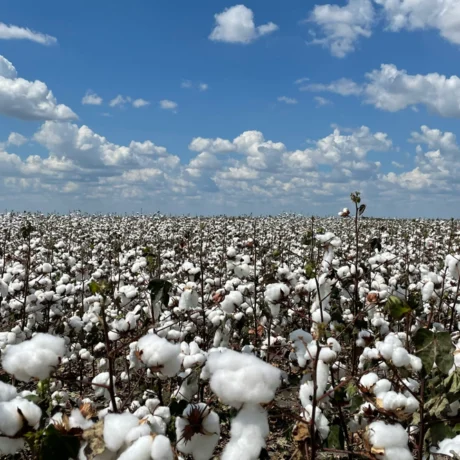
The foundational material of the industry—cotton—remains the most difficult to trace. The supply chain for cotton is intentionally obscured, moving from farms in regions like Turkmenistan and the Uyghur Region through multiple processing stages before reaching fabric mills.
In Turkmenistan, the state continues to mobilize public sector workers for annual cotton harvests. Refusal to participate is often met with the threat of fines, dismissal from employment, or other punitive measures. Once this cotton enters the global market, it is woven into threads that are indistinguishable from those produced ethically. Despite corporate commitments to eliminate forced labour, the sheer volume of "laundered" cotton entering the international market remains a significant challenge for human rights auditors.
Environmental Collateral Damage
Labour exploitation and environmental destruction are two sides of the same coin. The fashion industry is responsible for an estimated 3.3 billion tonnes of CO2e annually—a footprint comparable to the combined emissions of all 28 EU member states.
The pressure to produce at scale drives not only the abuse of workers but also the depletion of natural resources. Cotton farming, for instance, has been linked to the catastrophic drying of the Aral Sea basin, a man-made ecological disaster. Furthermore, the reliance on synthetic fibres leads to the shedding of microplastics into global waterways, while the chemical-heavy dyeing processes poison the water tables of the communities where factories are situated. The workers are the first to suffer from these environmental externalities, often handling toxic substances without adequate personal protective equipment or safety training.
The Legal Lag: Why Voluntary Measures Fail
For decades, the fashion industry has operated under a regime of "Corporate Social Responsibility" (CSR). These voluntary initiatives have allowed brands to manage their reputations through sustainability reports without being held accountable for the realities on the ground. Analysis consistently indicates that voluntary action is insufficient; when profit margins are the primary driver, companies will inevitably prioritize cost-cutting measures that rely on the exploitation of the most vulnerable.
While the United States has taken a more aggressive stance—most notably through the Uyghur Forced Labor Prevention Act (UFLPA), which allows for the detention of goods suspected of being produced with forced labour—and the European Union has adopted the Corporate Sustainability Due Diligence Directive, the United Kingdom finds itself at a crossroads. The current UK framework is largely passive, relying on transparency rather than mandatory accountability.
Anti-Slavery International and other advocacy groups have consistently argued that the UK requires a comprehensive Business, Human Rights, and Environment Act. Such legislation would move beyond reporting to mandate that companies conduct rigorous due diligence, identifying and mitigating risks of abuse within their entire supply chain, with clear penalties for failure to comply.
Official Responses and the Path Forward
The political appetite for change appears to be shifting, albeit slowly. During a parliamentary debate on 12 February, Minister Chris Bryant highlighted the government’s ongoing Responsible Business Conduct review. There is growing consensus among policymakers that the current "soft" approach to regulation is failing both the workers and the reputation of the British fashion industry.
"The UK needs to decide if it wants to be a leader in ethical fashion or a safe harbor for opaque supply chains," says one industry analyst. "The transition to a mandatory due diligence model is not just a moral imperative; it is a competitive necessity. As global markets tighten their standards, companies that fail to account for their supply chains will find themselves excluded from trade."
A Call for Structural Transformation
As London Fashion Week continues, the industry stands at a pivotal moment. The goal is no longer just to "be more sustainable" in a marketing sense, but to fundamentally restructure the economic relationship between brands and their workers.
Emerging brands are already demonstrating that circular models—where production is transparent, waste is minimized, and workers are treated as stakeholders rather than disposable assets—can be profitable. However, these models cannot scale to meet global demand without systemic legislative support.
The industry’s cultural power, which LFW celebrates annually, must be matched by a commitment to accountability. If fashion is to remain a relevant and respected industry, it must strip away the layers of exploitation that underpin its glamour. Consumers, for their part, have a role to play in demanding that human rights be treated as a non-negotiable aspect of every garment sold.
Ultimately, the future of the fashion industry will be defined not by the trends on the runway, but by the legal and ethical standards established in the halls of government and the boardrooms of the world’s largest retailers. Until those standards are mandated and enforced, the true cost of our clothing will continue to be paid by the millions of workers trapped in the shadows of the global supply chain. Change is possible, but it requires the recognition that respect for human life is not a seasonal trend—it is a timeless necessity.