The Quest for Sustainable Soles: Navigating the Ethical Landscape of Summer Sandals

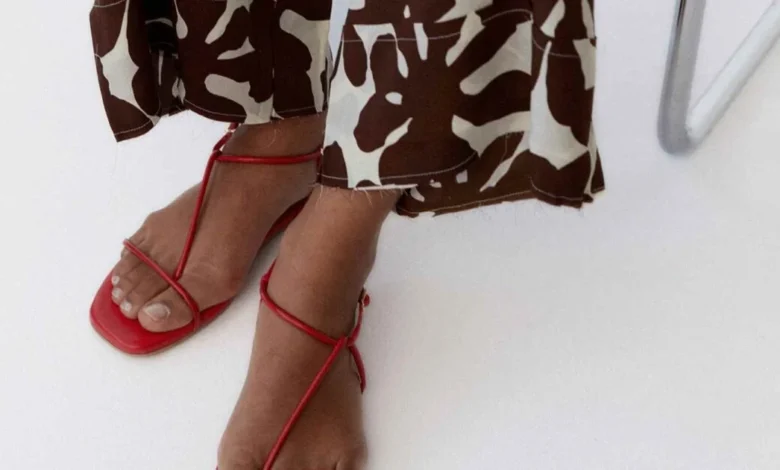
As the warmer months beckon, the quintessential summer sandal emerges as an indispensable wardrobe item, promising comfort and style for a myriad of warm-weather pursuits, from leisurely beach strolls to vibrant park picnics and relaxed backyard gatherings. However, the seemingly simple act of acquiring a new pair of sandals is increasingly imbued with a complex layer of consideration for the conscientious consumer. Beyond aesthetics and comfort, a growing imperative exists to choose footwear that aligns with principles of environmental stewardship, social equity, and animal welfare. This report delves into the evolving landscape of sustainable and ethical footwear, spotlighting brands that are actively striving to minimise their impact on people, the planet, and animals, thereby empowering consumers to make informed choices.
The Global Shift Towards Sustainable Fashion
The fashion industry, including footwear, has long been recognised as one of the most resource-intensive and polluting sectors globally. From raw material extraction to manufacturing, transportation, and disposal, its ecological and social footprint is substantial. The production of conventional footwear alone contributes significantly to greenhouse gas emissions, water pollution, and waste generation. For instance, a single pair of leather shoes can have a carbon footprint equivalent to driving 30 miles, and the tanning process for leather often involves hazardous chemicals that pollute waterways and pose health risks to workers.
In response to this escalating crisis, a paradigm shift towards sustainable and ethical practices has gained considerable momentum over the past decade. This movement is driven by increased consumer awareness, growing scientific evidence of climate change impacts, and the tireless advocacy of non-governmental organisations. What began as a niche concern for a dedicated segment of activists has matured into a mainstream discussion, prompting brands, large and small, to re-evaluate their supply chains, material sourcing, and production methodologies. This chronological evolution reflects a broader societal recognition that economic growth cannot come at the expense of ecological health or human dignity.
Defining Sustainable Footwear: Materials and Practices
Identifying truly sustainable and ethical footwear requires a multifaceted approach, extending beyond superficial claims to a thorough examination of materials, manufacturing processes, and labor practices. Key indicators for sustainability in sandals, and footwear generally, include:
- Lower-Impact Materials: Brands committed to sustainability often prioritise materials that minimise environmental harm. This includes natural resources like cork, known for its renewable harvesting and shock-absorbing properties, and responsibly sourced natural rubber, which avoids the destructive practices associated with conventional rubber plantations. Recycled materials, such as recycled polyester derived from plastic bottles or recycled rubber, play a crucial role in diverting waste from landfills and reducing the demand for virgin resources. The use of organic cotton, free from harmful pesticides and synthetic fertilisers, also contributes to a cleaner production cycle.
- Innovative Vegan Alternatives: For consumers seeking animal-free options, the landscape of vegan leather has diversified significantly beyond petroleum-based synthetics. Cutting-edge innovations now include materials derived from agricultural waste products such as grape and apple skins, pineapple leaves (Pinatex), mushroom mycelium (Mylo), and even cactus. While these alternatives offer a compelling ethical choice, vigilance is still required regarding the composition of some "vegan leathers," which may still contain a high proportion of plastics. Brands transparent about their material composition empower consumers to make the most informed choices.
- Responsible Production and Supply Chains: Ethical footwear production extends to the factories and communities where shoes are made. This encompasses fair wages, safe working conditions, and the absence of forced or child labor. Brands committed to ethical production often engage in rigorous auditing of their supply chains, striving for transparency and accountability from raw material sourcing to the final product. Some brands also adopt circular economy principles, designing products for longevity, repairability, and eventual recycling, or operating on a made-to-order basis to reduce overproduction and waste.
- Energy Efficiency and Waste Reduction: Sustainable manufacturers often invest in renewable energy sources for their facilities and implement low-waste cutting techniques to minimise material scrap. Water conservation practices and responsible chemical management are also critical components of a holistic sustainability strategy.
Organisations like Good On You play a pivotal role in demystifying these complexities, offering a comprehensive ratings system that assesses brands’ impact across three key pillars: people (labor conditions, fair wages), planet (environmental footprint, material choices), and animals (use of animal products, animal welfare). This allows consumers to easily identify brands that align with their specific values, whether prioritising fair wages, vegan certifications, or reduced environmental impact. Furthermore, embracing pre-loved shoes through second-hand resale platforms or charity shops remains one of the most impactful ways to reduce the environmental footprint of fashion consumption.
The Environmental and Social Imperative: Data & Context
The footwear industry produces over 20 billion pairs of shoes annually, a figure projected to rise. Each pair leaves an indelible mark. A 2018 study by MIT found that the production of a single pair of running shoes generates about 13.6 kilograms of carbon dioxide equivalent emissions. While materials like rubber and textiles are major contributors, the manufacturing processes, often reliant on fossil fuels, also bear significant responsibility. Water consumption is another critical issue; cultivating cotton, for example, is highly water-intensive, and the dyeing and finishing processes for textiles can lead to significant water pollution if not properly managed.
Socially, the footwear supply chain frequently faces scrutiny over labor practices. Many manufacturing hubs are located in countries with weak labor protections, leading to issues such as low wages, excessive working hours, and unsafe environments. The drive for fast fashion and low costs often exacerbates these conditions, putting pressure on factories to cut corners. However, a growing number of brands are actively challenging this status quo, demonstrating that it is possible to produce high-quality, fashionable footwear while upholding human rights and environmental standards. This commitment is not merely philanthropic but increasingly seen as a strategic imperative, responding to consumer demand for transparency and ethical sourcing. A 2021 study by McKinsey & Company found that 61% of consumers consider sustainability when making purchasing decisions, and 34% are willing to pay more for sustainable products. This consumer shift is a powerful catalyst for change within the industry.
To address the demand for comfortable, stylish, and responsibly-made sandals, our editors have curated a selection of highly-rated brands. These brands exemplify dedication to reducing their impact, offering diverse options from practical thongs and flip-flops to chic heeled sandals and versatile slip-on flats.
Spotlight on Ethical Sandal Innovators
Our rigorous ratings system assesses brands based on their impact on people, the planet, and animals. The following brands represent some of the best choices for sustainable and ethical sandals, each with a unique approach to fostering a more responsible fashion industry.
ESSÄN: Crafting Classics with Minimal Impact
Founded in 2016 by Marre Muijs, ESSÄN emerged as a direct response to a fashion cycle characterised by overproduction, fleeting trends, and significant waste. Muijs articulated her vision, stating, "I founded ESSÄN in 2016 as a response to a fashion cycle that overproduces more than it carefully crafts, chases trends more than it determines classics, and wastes more than it sustains." This philosophy underpins the brand’s commitment to limited production runs and the eschewing of seasonal fashion calendars in favour of a permanent collection of timeless pieces. ESSÄN employs low-waste cutting techniques, optimising material usage and minimising textile scrap, a significant contributor to landfill waste in conventional manufacturing. By focusing on quality over quantity and designing for longevity, ESSÄN encourages a more mindful approach to consumption, reducing the overall environmental footprint associated with frequent purchasing and disposal. Their dedication to thoughtful craftsmanship and resource efficiency makes them a standout in the ethical footwear space.
See the rating.
Shop ESSÄN.
Agazi: Pioneering Vegan Alternatives
Agazi, a vegan footwear brand based in Poland, is at the forefront of material innovation, offering a diverse range of sneakers, sandals, heels, and flat shoes crafted entirely from non-animal-derived materials. Their commitment to ethical sourcing is evident in their use of materials such as hemp, which is known for its durability and low environmental impact, requiring less water and pesticides than conventional cotton. Agazi also extensively utilises cutting-edge alternative leathers derived from apple and grape skins, transforming agricultural waste into high-quality, fashionable footwear. These plant-based leathers offer a compelling cruelty-free option, reducing the demand for conventional leather production, which is often associated with significant environmental pollution and ethical concerns. Agazi’s dedication to innovative, animal-free materials positions them as a leader in the vegan fashion movement, providing stylish and responsible choices for conscious consumers.
See the rating.
Shop Agazi.
Spell: Blending Bohemian Style with Responsible Production
Spell, an Australian fashion brand, infuses its designs with a bohemian spirit, drawing inspiration from global travels, vintage aesthetics, and nostalgic childhood memories. While primarily known for clothing, their approach to responsible production extends to their footwear collections, including sandals. Proudly designed and sampled in Byron Bay, Spell collaborates with factories around the world that are committed to ethical manufacturing practices. The brand focuses on building long-term relationships with its suppliers, fostering transparency and accountability throughout its supply chain. Spell’s commitment to sustainability includes efforts to reduce its environmental impact through material choices and waste reduction strategies, aligning its creative vision with a responsible business model. By offering garments and footwear in a wide range of sizes (2XS-2XL), Spell also champions inclusivity, ensuring that sustainable fashion is accessible to a broader audience.
See the rating.
Shop Spell.
Bhava: Vegan Footwear with a Conscience
BHAVA is an innovative vegan women’s footwear brand founded by designer Francisca Pineda, dedicated to creating stylish shoes without compromising ethical or environmental principles. The brand stands out for its meticulous material selection, incorporating environmentally friendly options such as organic cotton, which is cultivated without harmful chemicals, and recycled materials, which divert waste from landfills. BHAVA goes a step further in its commitment to health and safety by explicitly avoiding a range of harmful substances in its vegan leather production, including aromatic amines, PCP, formaldehyde, PVC, phthalates, azo-dyes, and chrome. This rigorous standard ensures that their footwear is not only animal-free but also free from chemicals commonly associated with environmental pollution and human health risks. BHAVA’s holistic approach to vegan and non-toxic design offers a truly conscious choice for discerning consumers.
See the rating.
Shop Bhava.
Nisolo: Fair Wages and Climate Action in Every Step
Nisolo, an American brand, distinguishes itself through a profound commitment to social equity and environmental responsibility, particularly by prioritising living wages throughout its intricate supply chains. Recognising that fair compensation is a cornerstone of ethical production, Nisolo ensures that the artisans crafting their shoes receive wages that enable a dignified standard of living, often exceeding local minimum wage standards. This commitment directly addresses the pervasive issue of exploitation in global manufacturing. Beyond social impact, Nisolo is also actively engaged in combating climate change. The brand implements practices aimed at reducing its carbon footprint, from sustainable material sourcing to efficient production methods. Their transparency in reporting their impact and their dedication to empowering workers in regions like Peru make Nisolo a beacon of responsible business. With shoes available in EU sizes 35-42, Nisolo combines timeless design with profound ethical values.
See the rating.
Shop Nisolo.
Up-Fuse: Upcycling for Social Impact
Up-Fuse, a Cairo-based social enterprise, embodies the philosophy that "one’s trash is another’s fabric." This innovative brand promotes an eco-conscious lifestyle by transforming waste materials into unique and functional products, including their distinctive sandals. At the heart of Up-Fuse’s mission is its social impact model: the brand actively collaborates with Syrian, Ethiopian, and Sudanese female refugees in Egypt. Through this partnership, Up-Fuse provides meaningful employment opportunities, skill development, and economic empowerment to vulnerable communities, demonstrating how circular economy principles can be intertwined with social justice. By upcycling materials that would otherwise contribute to landfill waste, Up-Fuse not only reduces environmental pollution but also creates a tangible positive impact on the lives of its artisans. Their products are a testament to the power of creative reuse and social entrepreneurship, offering consumers a way to support both environmental and humanitarian causes.
See the rating.
Shop Up-Fuse.
Etiko: Advocating for Human Rights in Supply Chains
Etiko, an Australian designer of organic fair trade clothing and shoes, has consistently set a high bar for ethical practices within the fashion industry. The brand is a staunch advocate for upholding and campaigning for the human rights of individuals working in traditionally exploitative industry supply chains. Etiko’s commitment to fair trade principles ensures that its products are made under transparent and equitable conditions, with workers receiving fair wages, safe working environments, and the right to organise. Their use of organic materials, such as organic cotton and natural rubber, further minimises environmental harm by avoiding synthetic pesticides and harmful chemicals. Etiko’s dedication extends beyond its own production to active campaigning for systemic change, challenging the broader industry to adopt more responsible practices. Offering clothes in AU sizes 8-20 and shoes in UK sizes 3-13, Etiko provides a comprehensive range of ethically produced fashion items.
See the rating.
Shop Etiko.
Vesica Piscis: Zero Waste and Renewable Energy Focus
Vesica Piscis, a vegan footwear brand based in Spain, is a pioneer in sustainable manufacturing, with a strong emphasis on reducing waste and utilising renewable energy. The brand incorporates a high proportion of lower-impact materials, carefully selected for their environmental benefits and durability. A cornerstone of their sustainability strategy is a made-to-order production model. By producing shoes only when an order is placed, Vesica Piscis dramatically reduces overproduction and inventory waste, a pervasive issue in the conventional fashion industry. Furthermore, the brand powers its manufacturing processes with renewable energy, significantly lowering its carbon footprint and demonstrating a commitment to climate action. Their holistic approach to sustainable production, combining responsible materials, waste reduction, and clean energy, positions Vesica Piscis as a leader in eco-conscious footwear. Most of their shoes are available in sizes 36-46, catering to a broad customer base.
See the rating.
Shop Vesica Piscis.
The Future of Footwear: Innovation and Consumer Demand
The growing demand for sustainable sandals and ethical footwear reflects a broader transformation within the fashion industry. As consumers become more aware of the environmental and social costs of their purchases, they are increasingly seeking alternatives that align with their values. This shift is not merely a trend but a fundamental re-evaluation of consumption patterns. The brands highlighted in this report exemplify the innovation and commitment required to meet this evolving demand. They demonstrate that style, comfort, and sustainability can coexist, challenging the notion that ethical choices necessitate compromise.
The implications for the industry are profound. Manufacturers are being compelled to invest in research and development for new, sustainable materials and processes. Supply chains are becoming more transparent, driven by consumer scrutiny and regulatory pressures. The broader impact includes a reduction in textile waste, lower greenhouse gas emissions, decreased water pollution, and improved working conditions for millions of people globally. While challenges remain, particularly in scaling sustainable practices across the entire industry and ensuring affordability, the momentum for change is undeniable. The future of footwear is poised to be more innovative, more responsible, and more aligned with the urgent need for a healthier planet and a more equitable society.
Editor’s note: Feature image via ESSEN. Good On You publishes the world’s most comprehensive ratings of fashion and beauty brands’ impact on people, the planet, and animals. Use our directory to search thousands of rated brands. Buying through our links may earn us a commission—supporting the work we do. Learn more. We updated this article on 5 May 2026. Our editors frequently make updates to articles to ensure they’re up to date. We refreshed our selection of products to include brands with recent ratings.