Google I/O 2026: A Critical Examination of AI’s Reshaping of the Internet, Search, and Fashion Commerce

The Interline, known for its pragmatic and often critical lens on the intersection of technology and fashion, finds itself once again evaluating the implications of a major tech shift that promises to redefine the internet experience. This week, the spotlight fell on Google’s annual I/O developer conference, an event that traditionally showcases the company’s ambitious vision for the future of technology. While The Interline’s forthcoming AI Report 2026 aims to present a balanced view of AI’s value-add in apparel, footwear, accessories, and beauty workflows, the announcements from Google I/O 2026 demand immediate and critical scrutiny, particularly concerning the future of online discovery and commerce. The overarching theme from Google was clear: AI is not just a feature, but the very fabric of the internet’s next iteration, a perspective that raises profound questions about content creation, brand visibility, and consumer interaction.
Google’s AI Leap at I/O 2026: A New Internet Paradigm
Google I/O 2026, headlined by CEO Sundar Pichai, was presented as a pivotal moment, laying out Google’s comprehensive strategy for an AI-first future, not merely for its own products but for the internet itself. The sheer scale of AI adoption within Google’s ecosystem was a headline figure: the company is now processing an astonishing 3.2 quadrillion tokens per month across its various AI surfaces, a dramatic increase from 9.7 trillion just two years prior. While these numbers are almost unfathomable in their magnitude, their distilled meaning is clear: given the opportunity, users will engage with AI at an immense scale, especially when alternatives are progressively minimized. This surge in AI interaction underscores a fundamental shift in user behavior and Google’s strategic direction.
The event, which took place in mid-May 2026, served as a platform for Google to unveil its latest advancements in artificial intelligence, integrating sophisticated AI models across its core services. From enhanced search capabilities to new agentic features and a revolutionary Universal Cart, Google articulated a vision where AI acts as an omnipresent intermediary, streamlining information access and purchasing decisions. This vision, however, has ignited a debate about the autonomy of the internet user and the future viability of an open web.
The Evolution of Search: From Gatekeeper to Oracle

To fully grasp the implications of Google’s latest announcements, it is crucial to recall the company’s foundational role in shaping the internet. Google’s origin story, particularly the genesis of its search engine in the late 1990s, reveals how a nascent, chaotic web required a mechanism to organize, rank, and navigate its vast collection of pages. This early curation, whether human-directed or algorithmic, inevitably led to a narrowing of the digital horizon. The web transitioned from a sprawling, unindexed wilderness to a landscape largely mediated by Google’s "ten blue links." For content creators and businesses, appearing on the first page of search results became paramount; anything beyond that often faded into obscurity.
This initial narrowing was largely tolerated, even embraced, because Google simultaneously facilitated the web’s explosive growth as an application platform. Over the subsequent decades, the web browser evolved into a de facto operating system for an entire generation, becoming the primary interface for shopping, socializing, and countless other essential life activities. Reading traditional web content, even from The Interline’s perspective, became just one facet of a much broader internet experience dominated by interactive applications.
However, unlike the increasingly fragmented landscape of social media, online selling and advertising have remained significantly tethered to Google’s influence. Although Meta briefly surpassed Google as the world’s largest digital advertiser in April of this year, a substantial portion of global retail ad spend continues to flow through Google Shopping. The symbiotic relationship between search and shopping is further evidenced by Google’s Shopping Graph, a backend index now comprising over 50 billion product listings. This immense database, coupled with Google’s control over the interface through which users discover products and brands, positions the company uniquely at the nexus of online commerce.
Redefining Search: The "Biggest Upgrade in 25 Years"
Google I/O 2026 heralded what Google proudly termed "the biggest upgrade in 25 years" for its search engine. This overhaul transforms the search experience from a list of links into an interactive, AI-driven environment. The new frontend integrates tools for building mini-applications, dynamic data visualizations, and, most notably, proactive agentic features. These agents, building on concepts like Google Alerts, empower users to delegate information-gathering tasks to AI, sending out digital proxies to search, monitor changes, or track specific stories and then report back with synthesized results.
A compelling, albeit concerning, demonstration involved a footwear example: a user could instruct an AI agent to monitor for new collaborations between a favored celebrity or athlete and a sportswear company, receiving notifications when such a release occurs. While seemingly innocuous, this functionality is emblematic of a deeper philosophical shift: the idea that users no longer wish to actively engage with the internet, preferring instead to outsource their digital interactions to AI.

Implications for Content and Discovery
The Interline has consistently voiced concerns about the decline of the open web and its potential impact on the fashion industry. Google’s new search paradigm significantly amplifies these anxieties. By interposing multiple AI layers between users and original content – be it articles, videos, or product detail pages (PDPs) – Google is, by design, nudging users towards AI-mediated interactions. The convenience of a direct answer, generated by AI, inherently reduces the incentive for users to click through to external websites, thereby diminishing traffic, engagement, and ultimately, the economic viability of content creation.
This concern is not unique to The Interline. Business Insider, in a piece provocatively titled "Google Is About To Ruin The Internet," articulated a similar fear with a poignant subheading: "A personalised internet isn’t the internet." This critique highlights the narrowing effect of Google’s new philosophy. If the initial era of Google aimed to organize the web’s wilderness, this next era, powered by AI, seeks to curate it to an unprecedented degree. Users will, by default, see what Google thinks they want to see, with the underlying content potentially obfuscated to such an extent that the incentive for its creation evaporates. For brands and publishers, this means a drastic reduction in organic discovery and direct audience engagement, pushing them further into Google’s walled garden.
Universal Cart: Google’s Ambitious Foray into Commerce
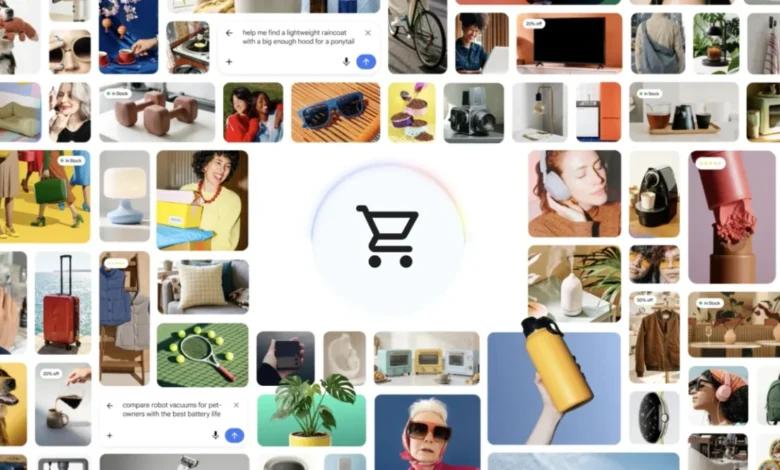
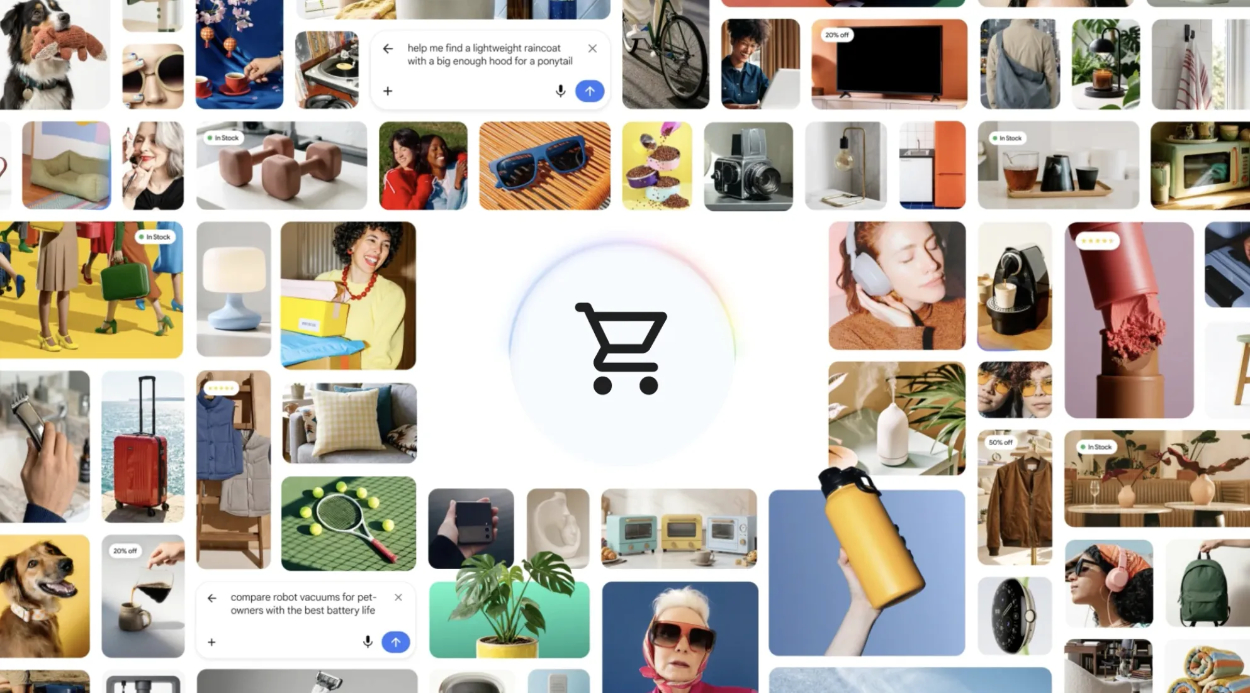
Perhaps the most alarming announcement for brands and retailers at I/O 2026 was the introduction of "Universal Cart." Billed as "bringing superpowers to your shopping," Universal Cart represents Google’s most aggressive move yet to disintermediate sellers and centralize the online purchasing journey.
According to Google’s official blog, the moment a product is added to a user’s cart, AI springs into action "in the background – finding deals and price drops, giving you insights on price history, and alerting you when an item is back in stock." This functionality suggests a future where the traditional path to purchase – navigating to an e-commerce storefront, browsing, adding to cart, and checking out – is superseded by an AI agent that handles searching, monitoring, and even purchasing on the user’s behalf. While initially rolling out within Search and the Gemini app, Google has made it clear that Universal Cart will eventually integrate across its vast ecosystem, including YouTube and Gmail.

For brands and retailers, this development feels like the "marketplace devil’s bargain" taken to its extreme. Historically, many brands have experimented with selling through major marketplaces like Amazon, only to retreat upon realizing the profound loss of control over their customer relationships and brand narrative. They often then reconsidered these retractions due to distribution pressures. Universal Cart, however, presents a scenario with even fewer avenues for opting out, given Google’s pervasive influence over search and digital advertising. It fundamentally shifts the point of transaction, potentially obscuring the brand’s identity and direct relationship with the consumer behind a Google-controlled interface.
The Agentic Commerce Landscape: A Fork in the Road
The rise of agentic shopping is undeniable, and data released this week confirms its growing prevalence. A new report from The Payments Association reveals that nearly a third of UK shoppers would allow an AI agent to make purchases for them, a figure that rises to 45% among younger demographics. Furthermore, close to 60% of UK retailers have already observed agent activity on their platforms, indicating that AI agents are independently browsing and interacting with e-commerce sites. A similar percentage of retailers believe that "AI-initiated transactions" are already occurring, regardless of their own preparedness.
This emerging landscape, however, presents a "fork in the road" regarding the form agentic commerce will take. In stark contrast to Google’s seemingly all-encompassing approach, ASOS and OpenAI announced their own collaboration this week, launching the "ASOS Stylist app in ChatGPT." This initiative is "designed to be highly visual" and, crucially, aims to drive customers to the ASOS storefront after the AI interaction. This model positions AI as a new discovery channel, an assistant that guides and inspires, rather than an agent that fully disintermediates the brand-consumer relationship. It emphasizes engagement and exploration, maintaining the brand’s direct presence in the final purchase decision.
The Fashion Industry at a Crossroads
For the fashion, apparel, footwear, and beauty sectors, Google’s aggressive push into AI-mediated discovery and commerce poses unique challenges. These industries thrive on storytelling, brand identity, visual appeal, and emotional connection. If AI agents become the primary interface for product discovery and purchase, the rich context, creative campaigns, and carefully constructed brand narratives that define fashion could be significantly diminished. The ability to differentiate through unique content and direct engagement might be severely hampered, reducing brands to mere product listings within Google’s vast, algorithmically optimized shopping graph.
This development also casts a long shadow over the fate of direct-to-consumer (DTC) brands, a cohort that defined the early digital age of retail. This week, in a twist of irony, SHEIN confirmed its acquisition of a majority stake in Everlane, a brand that pioneered the concept of "radical transparency." This news follows Allbirds’ pivot to a "GPU-for-hire" business model, signifying what many observers, including The Guardian, have called a "death knell" for this generation of DTC brands. These companies were built on direct customer relationships and compelling narratives, precisely the elements threatened by Google’s new AI-driven strategy. If brands cannot effectively tell their stories or cultivate direct relationships with consumers online, the very foundation of the DTC model is undermined.
The Interline’s Stance and Future Outlook
The Interline acknowledges the inevitability of agentic interactions with web content. As an open-access publication, fully agent-parsable and open-crawl, we understand the technical advancements driving this shift. Our upcoming AI Report 2026 will indeed land in an optimistic place regarding AI’s potential for fashion workflows. It is also clear that this model of "use the computer for you" interaction is crucial for turning the operation of large language models (LLMs) into a profitable exercise, as evidenced by companies like Anthropic anticipating their first profitable quarter. Many users genuinely dislike certain aspects of traditional computer interaction, and automating processes like reading product details or monitoring prices offers undeniable convenience.
However, The Interline firmly believes there is a fundamental distinction between the agentic age of the web and the vision Google showcased this week. Google’s model risks transforming the internet into a passive, non-participatory environment where one company controls much of the channel between creator and consumer, potentially eroding the incentive for original content creation and vibrant brand storytelling. This perspective is shared by many analysts and observers, who question the premise that users are entirely content with turning the web from a dynamic system brimming with content and interaction into an anodyne application environment where all the work of shopping, socializing, or storytelling is done for them.
Such a shift appears contradictory to the massive investments currently being made in generative content pipelines and programmatic advertising stacks. If none of this content is destined to be seen or directly interacted with by human users, its purpose becomes moot. While this trend aligns with fashion’s broader preoccupation with personalization, the cost of achieving that personalization by allowing AI to entirely commandeer the path to purchase, under the purview of a single corporate entity, feels prohibitively high.
Optimizing the sales funnel is a legitimate business goal. But accepting that this optimization necessitates draining all the texture, context, and direct human engagement from the internet is a dangerous proposition. If Google’s vision of an AI-mediated internet comes to full fruition, the vibrant, diverse, and open web that we know today is likely to transform, or diminish, far more quickly than many in the fashion industry, or indeed, the broader digital ecosystem, anticipate. The Interline, and we believe the fashion industry at large, must actively push back against the notion that the open, participatory web is no longer something people want or need.