The Sony FX5 Marks a Significant Evolution in the FX Series Cinema Camera Lineup

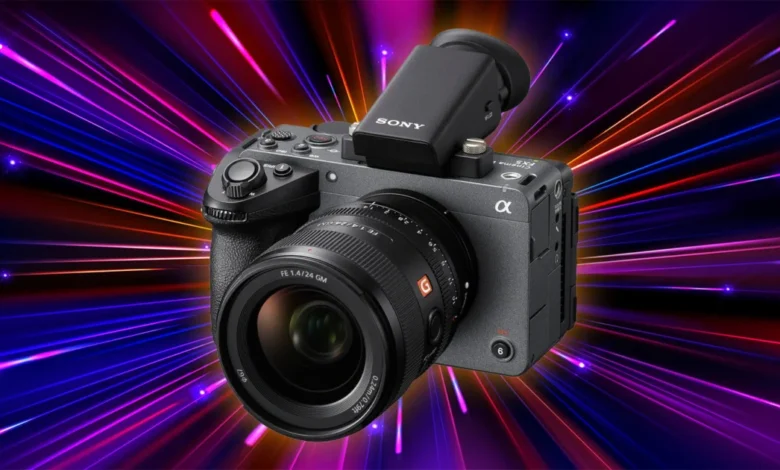
The unveiling of the Sony FX5 represents a pivotal moment for Sony’s acclaimed FX Series of cinema cameras, directly addressing long-standing user feedback and perceived limitations that have fueled discussions within the filmmaking community. This new model arrives with a suite of advanced features, including a novel sensor, Open Gate recording capabilities, and internal RAW video, positioning it as a formidable contender in the professional video production landscape. The camera’s release is not merely an incremental update but a strategic recalibration, signaling Sony’s renewed commitment to meeting the sophisticated demands of modern filmmakers.
Sony’s development cycle for professional camera equipment is inherently complex. Each new iteration involves extensive research and development, balancing cutting-edge technology with practical considerations such as performance, power consumption, heat dissipation, and cost. The company’s characteristic discretion in pre-release announcements, while standard industry practice to safeguard intellectual property and market strategy, can sometimes lead to a perception of stagnation among eager users. For years, the FX line has been praised for its compact form factor and robust performance, but persistent critiques have highlighted the absence of key functionalities like Open Gate recording and internal RAW video capture, alongside a perceived lack of mid-range resolution options between 4K and 8K. The FX5 directly confronts these criticisms, aiming to bridge the gap between user expectations and technological feasibility.
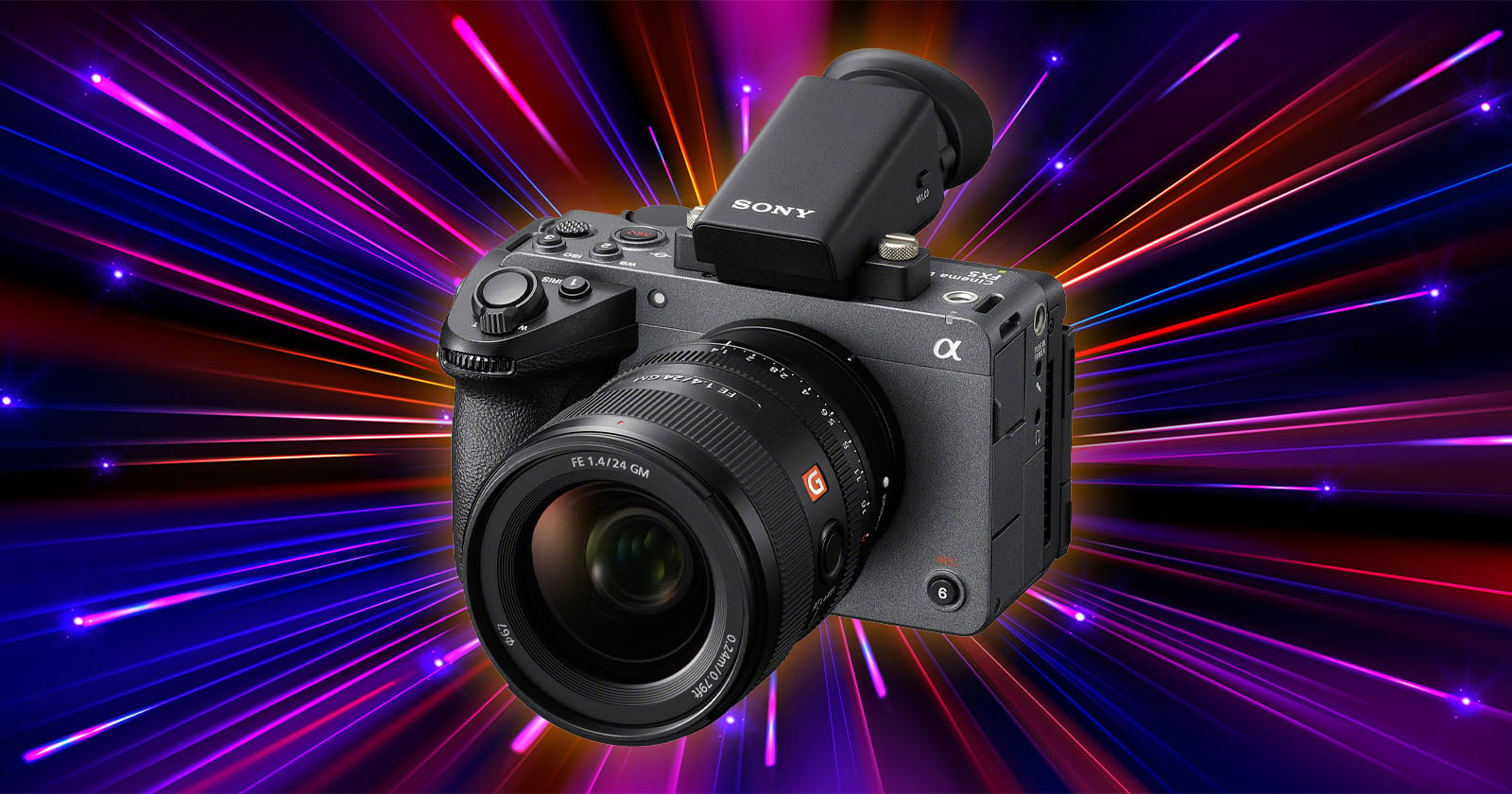
The FX5 distinguishes itself with a newly engineered 16.6-megapixel image sensor, paired with Sony’s latest Bionz XR2 processor. This combination signifies a generational leap for the FX Series, carving out a distinct product segment rather than simply iterating on existing models like the FX3 or FX6. Industry analysts suggest this strategic positioning allows Sony to cater to a broader spectrum of professional needs, offering a compelling alternative for those who found previous FX models either too limited or too specialized. The introduction of the FX5 is being hailed as Sony’s most consequential video camera release in recent memory, capable of satisfying a wide array of professional client requirements, from high-end filmmaking as a primary camera to agile run-and-gun operations as a versatile B or C camera.
Addressing Key User Demands: Open Gate and Internal RAW
The most impactful advancements in the Sony FX5 are undoubtedly the inclusion of Open Gate recording and 16-bit internal RAW video capture. For a considerable period, competitors like Canon, Nikon, and Panasonic have offered internal RAW recording to varying degrees, making Sony’s absence in this domain a frequent talking point. The FX5 now rectifies this oversight by providing 16-bit X-OCN (eXtended Optimal eXtreme Color Narrowband) files internally, a format renowned for its exceptional dynamic range and color fidelity, crucial for post-production flexibility.
Open Gate recording, a feature that allows the sensor to capture footage in its native aspect ratio without cropping, is another significant addition. Previously, this functionality was conspicuously absent from Sony’s FX lineup, despite its critical importance for a multitude of professional applications. The FX5 now offers Open Gate, albeit currently limited to RAW recording. This capability is invaluable for filmmakers seeking to adapt content across various aspect ratios, whether for social media, television broadcast, or cinematic release. Furthermore, Open Gate is particularly beneficial for those employing anamorphic lenses, providing the necessary flexibility in post-production to achieve the desired widescreen cinematic look. The growing trend and commercial viability of anamorphic cinematography make this feature a direct economic advantage for FX5 users.
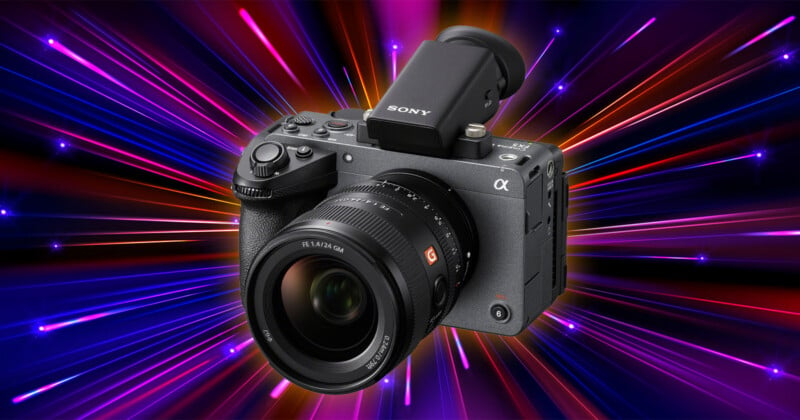
These two features alone are poised to silence many of the most vocal critics of Sony’s prior FX camera offerings. Beyond appeasing user demand, their inclusion directly enhances the professional utility of the camera, potentially preventing filmmakers and camera operators from losing lucrative projects due to technical limitations. The ability to deliver footage in formats and qualities previously unattainable with Sony’s compact cinema line opens new doors for creative professionals and strengthens their competitive edge in an increasingly demanding market.
Enhanced Imaging Capabilities and Workflow Enhancements
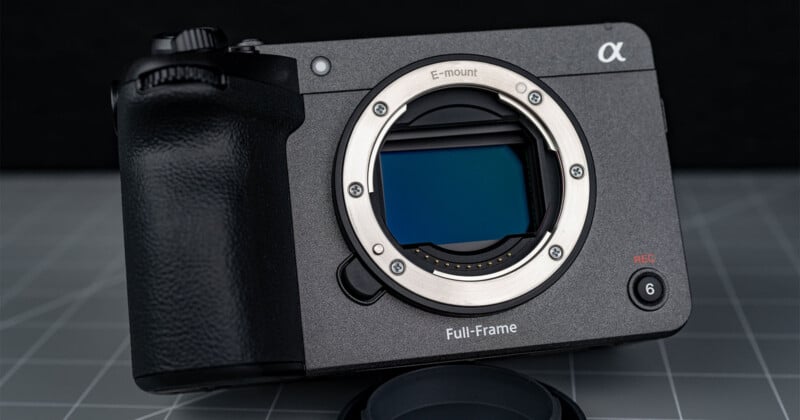
The new 16.6-megapixel sensor in the FX5 is a sophisticated piece of technology, reportedly a derivative of Sony’s advanced 66-megapixel sensor found in models like the a7R VI, adapted with a Quad Bayer pattern. This configuration aims to strike an optimal balance between resolution and operational speed. While Sony’s Dynamic Range Boost mode might introduce some speed trade-offs, the sensor is generally expected to perform exceptionally well, rarely becoming a bottleneck in typical production scenarios. For users who require resolutions exceeding 5K, the FX5 will not be the ideal choice, but achieving such high resolutions within its compact form factor and at its $4,900 price point would present significant engineering and cost challenges.
The FX5 also introduces a host of other substantial improvements that enhance its overall usability and professional appeal. These include a more robust battery system, advanced AI-powered autofocus capabilities, and significantly improved image stabilization. The camera boasts three native base ISO settings – 800, 4000, and 12800 – providing exceptional low-light performance and flexibility across diverse shooting conditions. A new user interface, inspired by Sony’s flagship CineAlta line, incorporates essential monitoring tools such as waveforms and vectorscopes. These additions, while perhaps less attention-grabbing than Open Gate or internal RAW, are arguably more fundamental to the daily workflow of a broader range of professional users.
Ergonomics and User Experience: A Detachable EVF and More
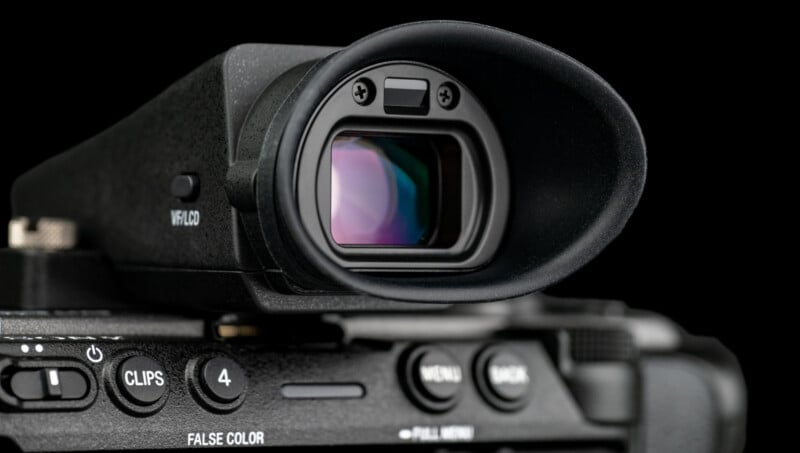
A notable ergonomic enhancement is the inclusion of a detachable Electronic Viewfinder (EVF). This feature, along with a larger rear display, is designed to cater to a wider range of user preferences and shooting styles. The flexibility offered by a detachable EVF is particularly beneficial for various shooting scenarios, allowing for more comfortable operation in different environments. However, a minor trade-off exists: the EVF’s attachment mechanism obstructs the Multi Interface (MI) shoe, which is necessary for the camera’s advanced 32-bit float audio recording capabilities. Despite this, the overall consensus is that the added flexibility of the EVF is a worthwhile compromise. The success of tilting EVFs on cameras like the Sony FX2 has demonstrated their value in video-centric camera designs, and the FX5’s implementation is expected to follow suit.
The camera’s design philosophy appears to prioritize user adaptability. While it may not possess every high-end professional feature of its larger sibling, the FX6, it delivers a substantial upgrade in core video performance and workflow tools, all within a more accessible and compact package. This makes it a compelling option for a broader audience than its predecessors.
Who is the Sony FX5 For? Expanding the Audience
The Sony FX5 is strategically positioned to appeal to a wider demographic of filmmakers than the FX3. Its blend of advanced features, including Open Gate, internal RAW, a high-performance sensor, and enhanced workflow tools, makes it a versatile camera capable of handling a significant portion of professional video production needs. For independent filmmakers, documentary crews, and commercial production houses, the FX5 offers a powerful and relatively compact solution. It can serve as a primary camera for projects that do not necessitate resolutions beyond 5K or as a high-quality B or C camera for larger productions, complementing existing camera systems.
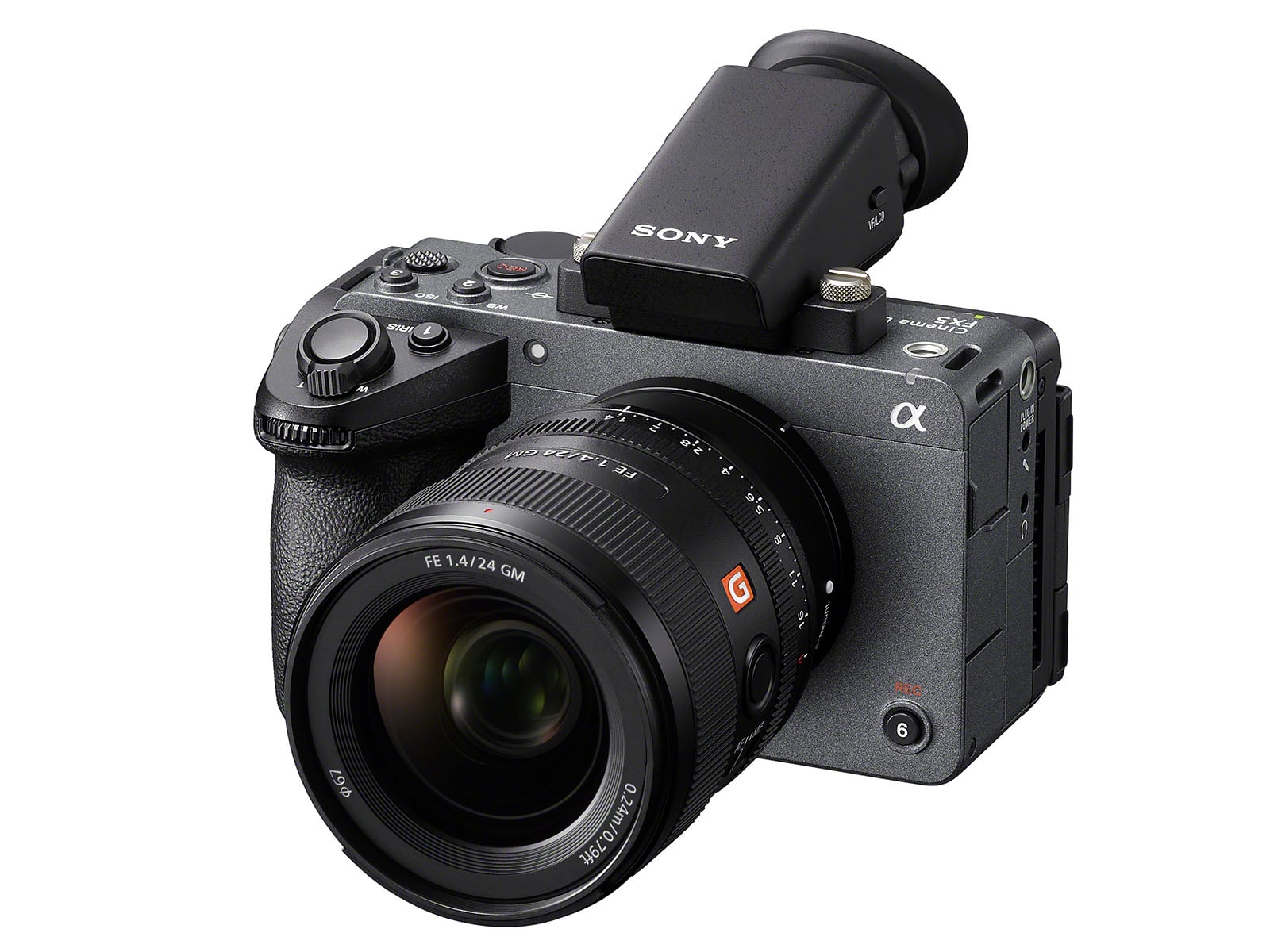
However, it is crucial to acknowledge that no camera is universally perfect. The FX5, while significantly improved, still has certain limitations that might steer some users towards other options. A key missing element is an integrated electronic neutral density (ND) filter. The FX6’s internal ND system has proven to be an exceptionally convenient and effective feature for rapid shooting scenarios, and its absence on the FX5 means users will need to rely on external filters for aperture control in bright conditions.
Furthermore, the FX5 does not incorporate all the pro-oriented workflow advantages found on the FX6, such as Genlock and SDI connectivity. The FX6’s larger chassis also provides more extensive expansion options, reinforcing its position as Sony’s top-tier, full-featured cinema camera. These distinctions ensure that the FX6 retains its relevance within Sony’s product portfolio, even as the FX5 introduces compelling new capabilities. The prospect of a future FX6 model incorporating the advancements seen in the FX5 is an exciting one for industry observers.
Broader Industry Implications and the Future of the FX Series
The release of the Sony FX5 is more than just the introduction of a new camera; it is a strong signal to the entire industry. For years, professionals have opted for Sony’s FX cameras for valid reasons, but often with the understanding that certain compromises were being made. The FX5 appears to signal an end to many of these compromises, or at least a significant reduction in their impact. This launch undoubtedly marks the beginning of a new chapter for Sony’s FX Series, building a more robust foundation for its popular and influential lineup.
In the five years since the FX3 and FX6 were introduced, the competitive landscape for professional cinema cameras has intensified considerably. Competitors have continued to innovate, pushing boundaries in sensor technology, internal recording formats, and workflow integration. Sony’s introduction of the FX5 demonstrates its responsiveness to this evolving market and its commitment to maintaining a leading position. By addressing critical user demands and integrating advanced features into a more accessible form factor, Sony has strategically positioned the FX5 as its most important cinema camera release to date, reaffirming its dedication to empowering filmmakers with cutting-edge technology.
The FX5’s $4,900 price point positions it as a professional tool accessible to a wider range of creators while still representing a significant investment. This strategic pricing, coupled with its comprehensive feature set, suggests that Sony aims to capture a larger share of the professional video market, particularly among those who value portability and advanced imaging capabilities without the full scale and cost of higher-end rigs. The camera’s success will likely depend on its real-world performance and how effectively it integrates into existing professional workflows, but its potential to redefine expectations for compact cinema cameras is undeniable.