The UK Guide to Sustainable and Ethical Towels for an Eco-Friendly Bathroom


The movement toward sustainable household management has expanded far beyond kitchen recycling bins and energy-saving lightbulbs. In recent years, consumers across the United Kingdom have turned their attention to the bathroom, adopting bamboo toothbrushes, solid shampoo bars, and refillable liquid soaps. However, a significant component of the domestic footprint often goes overlooked: home textiles. Traditional towel manufacturing involves heavy resource consumption, extensive pesticide application, and complex global supply chains that frequently obscure labor conditions. As households seek to replace worn-out linens, demand has surged for verified, eco-friendly alternatives that balance performance with environmental stewardship.
Navigating the market for sustainable textiles remains a complex challenge for consumers, largely due to prevalent greenwashing within the retail sector. Marketing terminology frequently obscures the true ecological and social cost of production. To address this information gap, industry analysts and sustainability experts have established clear benchmarks to help buyers distinguish genuinely responsible manufacturing practices from superficial marketing claims.

Understanding Textile Certifications and Material Impacts
When evaluating the environmental credentials of a towel, the choice of raw material serves as the primary indicator of sustainability. Conventional cotton cultivation is notoriously resource-intensive, accounting for a disproportionate share of global agricultural chemical usage. Pesticides and synthetic fertilizers applied to conventional cotton crops frequently contaminate adjacent topsoil, disrupt local ecosystems, and leach into municipal water supplies.
To mitigate these impacts, independent third-party certifications have emerged as the gold standard for verified sustainable agriculture. The Global Organic Textile Standard (GOTS) remains the most rigorous benchmark in the industry. GOTS certification mandates that fibers are grown without synthetic pesticides or genetically modified seeds, while also enforcing strict environmental and social criteria across the entire post-harvest supply chain. This comprehensive oversight ensures that every stage of processing—from spinning and weaving to dyeing and finishing—meets rigorous ecological standards.
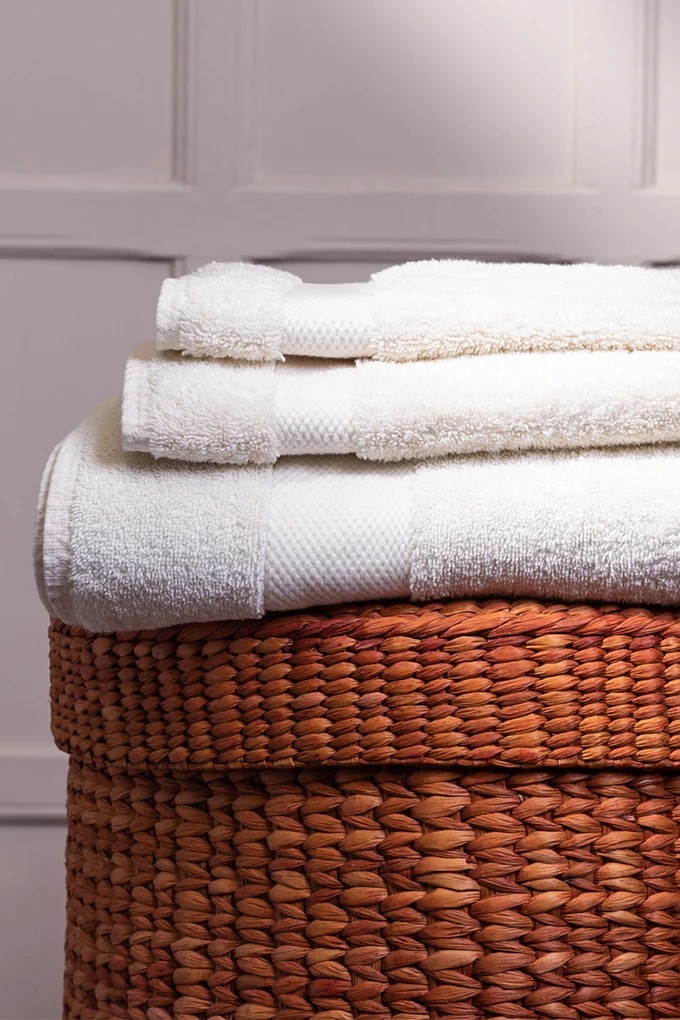
Similarly, the OEKO-TEX Standard 100 certification provides vital consumer assurance by testing finished textile products for harmful chemical residues. This certification protects end-users while guaranteeing that factory workers operate in safe environments free from toxic airborne pollutants, and ensures that manufacturing runoff does not introduce hazardous chemicals into local waterways.
Conversely, newer industry initiatives, such as the Better Cotton Initiative (BCI), have faced scrutiny from independent environmental watchdogs. Critics note that BCI standards often permit practices that fall short of true organic or regenerative agriculture, making it a less reliable choice for consumers prioritizing absolute ecological integrity.
The Nuance of Alternative Fibers: Bamboo and Recycled Synthetics

While bamboo has gained popularity as a supposedly green fabric, its environmental profile is more complex than marketing campaigns suggest. Although bamboo plants grow rapidly and require minimal irrigation compared to cotton, the industrial transformation of rigid woody bamboo into luxuriously soft rayon or viscose typically relies on chemically intensive processing methods. Unless manufacturers employ closed-loop systems that capture and recycle toxic solvents, the resulting wastewater can severely impact local aquatic environments. Due to widespread difficulties in verifying responsible chemical management across the bamboo supply chain, many sustainability purists advise caution when purchasing bamboo linens.
In contrast, innovative approaches involving recycled materials have gained traction. Several forward-thinking manufacturers utilize post-consumer waste, transforming discarded plastic bottles into durable, fast-drying bathroom and beach textiles. Certified by frameworks such the Global Recycled Standard (GRS), these products divert waste from landfills and oceans. However, environmental scientists emphasize the importance of mitigating microplastic shedding during laundering by utilizing specialized filtration bags or wash-guards. Furthermore, zero-waste initiatives that repurpose leftover yarn remnants from other textile operations offer a compelling low-impact alternative that minimizes industrial waste without synthetic reliance.
Curated Overview of Verified Sustainable Towel Brands in the UK
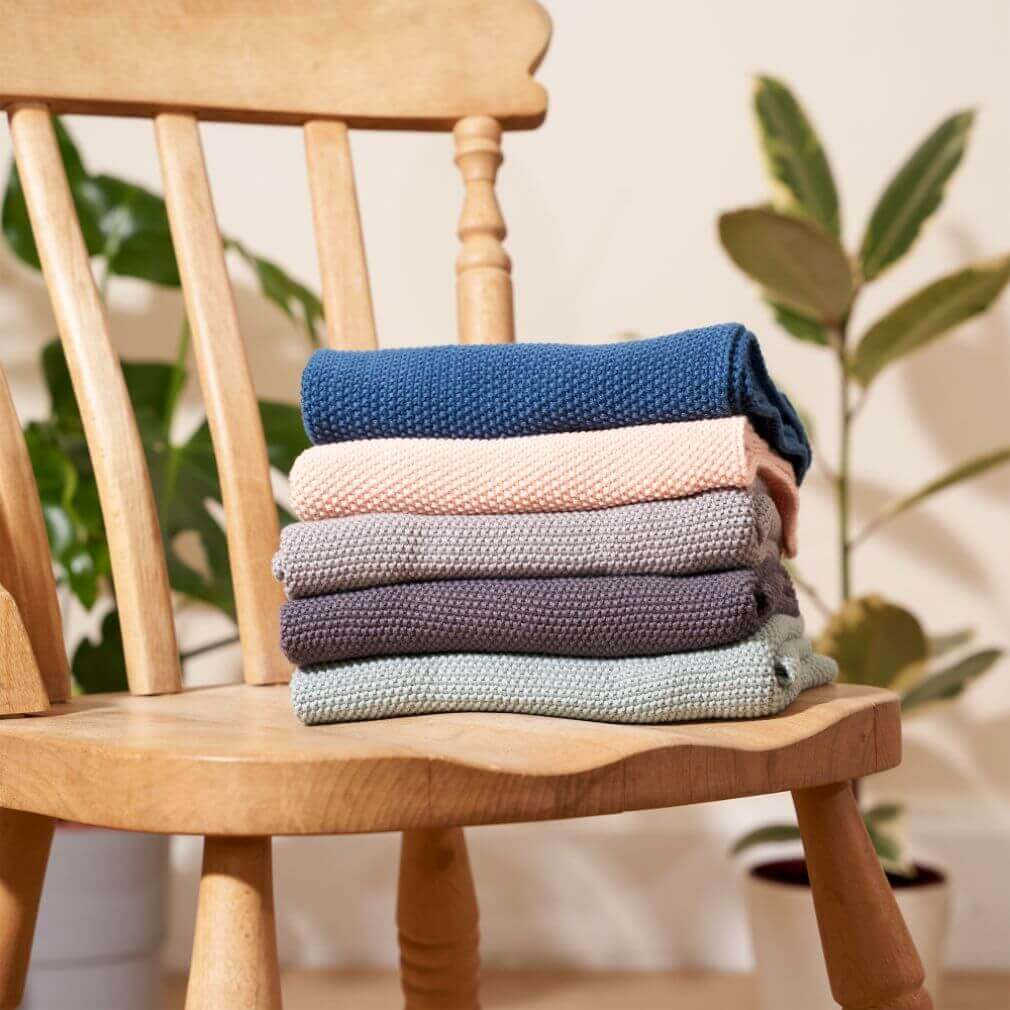
To assist consumers in cutting through greenwashed marketing, industry reviews highlight several standout brands available in the United Kingdom that demonstrate genuine commitment to environmental and ethical standards.
Cottsbury leads the market with collections crafted entirely from 100% GOTS-certified organic cotton, utilizing long-staple fibers to ensure superior softness, high absorbency, and long-term durability. Manufactured within Fairtrade Certified facilities in India, the brand relies on independent audits to guarantee equitable wages and safe working conditions. Additionally, Cottsbury minimizes packaging waste by utilizing reusable storage bags fashioned from leftover fabric scraps.
Dock & Bay approaches the market from a circular economy perspective. As a certified B Corporation, the company specializes in lightweight bath and beach towels woven from yarns derived from post-consumer recycled plastic bottles. Each product meets Global Recycled Standard specifications, ensuring supply chain transparency and measurable diversion of plastic waste from marine environments.

Wild & Stone focuses on hand towels produced in India from dual-certified organic cotton, holding both GOTS and OEKO-TEX Standard 100 accreditations. To curtail its operational carbon footprint, the company mandates maritime freight shipping over carbon-intensive air cargo and packs all shipments in plastic-free, recyclable materials, while contributing a portion of proceeds to the Marine Conservation Society.
House of Hampton addresses the budget-conscious segment by utilizing recycled cotton remnant threads. By weaving discarded textile scraps into multicolored, striped designs, the brand creates durable, one-of-a-kind bath and hand linens that prevent usable materials from entering the waste stream.
Dip & Doze offers a comprehensive range of premium bath linens sourced from small-scale family farming cooperatives. Operating under Fairtrade certification, the brand guarantees that its supply chain supports sustainable agricultural practices, abstaining from synthetic chemical inputs and genetically modified crops from the initial seed planting to the final stitched hem.

Natural Collection curates super-soft bath linens manufactured in Turkey using GOTS-certified organic cotton. Available in an array of coordinating colorways, these products allow consumers to build cohesive domestic aesthetics while supporting localized, ethical manufacturing traditions in a region renowned for textile heritage.
Luks provides an alternative to traditional, heavy plush towels by specializing in lightweight, handcrafted peshtemal linens made from GOTS-certified organic cotton in Turkey. While thin towels require an adjustment period for users accustomed to heavy pile fabrics, their rapid-drying properties effectively prevent the bacterial growth and damp odors associated with conventional bathroom linens. Furthermore, their compact profile reduces storage requirements in urban properties and minimizes laundering energy demands. Backed by durability guarantees through platforms like Buy Me Once, these textiles emphasize longevity over fast-consumption cycles.
Broader Economic and Environmental Implications

The structural shift toward sustainable domestic textiles reflects a broader maturation of the ethical retail sector. As international supply chains face increased regulatory scrutiny and consumer demand for transparency intensifies, textile manufacturers are increasingly compelled to adopt verifiable certifications rather than relying on self-regulated claims.
The economic implications for developing economies—where the majority of organic cotton and textile processing is concentrated—are profound. Increased demand for Fairtrade and GOTS-certified goods directly supports safer working conditions, fairer wages, and community-level investments in agricultural regions. By voting with their purchasing power, UK consumers play a critical role in incentivizing global textile manufacturers to transition away from environmentally degrading industrial practices, proving that domestic sustainability efforts can drive meaningful, systemic change across international borders.