The Ultimate Guide to Mother of the Bride Dresses 2027: Trends, Styles, and Expert Etiquette

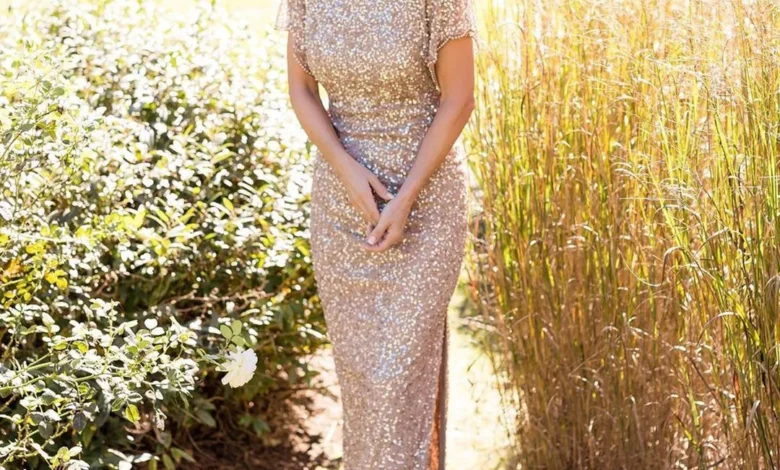
Choosing the right attire for one of the most significant family milestones requires a careful balance of personal style, wedding formality, and seasonal appropriateness. As wedding fashion evolves into 2027, the market for mother of the bride and mother of the groom dresses has expanded to offer an unprecedented variety of silhouettes, fabrics, and functional designs. Modern mothers are no longer restricted to traditional, stiff outfits; instead, they can choose from contemporary jumpsuits, elegant floral prints, minimalist slip styles, and structured velvet gowns tailored to every conceivable venue and dress code.
Understanding the timeline of wedding preparation is critical for anyone shopping for a mother of the bride dress. Industry experts consistently advise beginning the search six to nine months prior to the wedding date. This window allows adequate time for browsing collections, placing special orders, and accommodating multiple rounds of professional tailoring. Because fabric availability and manufacturing lead times can fluctuate, securing the garment early prevents unnecessary stress leading up to the ceremony.
The 2027 Fashion Landscape: Key Trends and Silhouette Innovations
The upcoming year introduces a sophisticated shift in mother of the bride fashion, emphasizing versatility, comfort, and quiet luxury. Designers are prioritizing clean architectural lines, lightweight yet structured fabrics, and subtle textural details such as tonal embroidery and delicate beadwork. Rather than relying on overwhelming embellishments, current collections focus on expert tailoring that flatters diverse body types while ensuring all-day wearability.
Long dresses remain a perennial favorite for formal and semi-formal celebrations. These floor-sweeping silhouettes offer a balanced, elegant aesthetic that complements traditional church ceremonies and evening ballroom receptions. However, styling a long gown requires careful consideration of the venue terrain, particularly for outdoor garden or beach weddings where heavy fabrics or excessive pooling can hinder mobility. Conversely, short and tea-length dresses have surged in popularity for spring and summer events, offering a youthful, breathable alternative that allows for easier movement on the dance floor.
For mothers seeking a contemporary alternative to traditional dresses, tailored jumpsuits have emerged as a dominant trend. Constructed from luxurious crepe, satin, or lace-accented fabrics, a well-fitted jumpsuit elongates the frame and projects modern sophistication. These pieces are particularly favored for destination weddings, rooftop ceremonies, and city-hall nuptials where traditional gowns might feel overly formal.
Fabric Selection and Seasonal Adaptability
Selecting the appropriate fabric is just as critical as choosing the silhouette. Different textiles perform uniquely depending on the climate, venue temperature, and duration of the event.
- Chiffon: Lightweight, airy, and flowing, chiffon is the premier choice for spring and summer outdoor weddings. While it offers romantic movement, it can develop creases, making proper steaming essential prior to the ceremony.
- Crepe: Known for its smooth drape and clean lines, crepe is ideal for year-round minimalist and fitted silhouettes. It provides a sleek, polished finish that suits both indoor and outdoor venues.
- Satin: Smooth and lustrous, satin ranges from fluid to highly structured. It is a staple for formal evening celebrations, though lighter weights are increasingly utilized for warmer-weather galas.
- Lace: Delicate and textured, lace adds timeless romance to gowns, sleeves, and overlays. Depending on the backing and lining, lace can be adapted for any season.
- Velvet: Plush, rich, and naturally heavier, velvet is the definitive choice for autumn and winter weddings. Its deep pile catches light beautifully, making it well-suited for formal evening affairs.
- Mikado: Structured, firm, and shape-retaining, Mikado holds architectural silhouettes and defined waists exceptionally well, making it a favorite for structured winter or air-conditioned formal venues.
Navigating Wedding Etiquette: Colors, Coordination, and Prohibitions
Etiquette surrounding the mother of the bride’s attire involves several foundational guidelines designed to honor the couple while ensuring the mother feels confident. Historically, the mother of the bride selects her dress first, after which she communicates her choice of color and formality to the mother of the groom to ensure a balanced wedding party aesthetic.
Color coordination is paramount. While matching the bridesmaids’ dresses is generally discouraged, selecting a hue that complements the overall wedding palette creates visual harmony in formal photographs. Popular traditional choices include navy, champagne, silver, and muted jewel tones. Black has also become widely accepted for formal evening and contemporary weddings, provided it aligns with the couple’s aesthetic and does not clash with the season. Conversely, wearing solid white, ivory, or champagne shades that mimic the bridal gown remains strictly avoided unless explicitly requested by the bride.
When incorporating prints, subtle floral patterns and understated geometrics add personality without overwhelming the overall visual hierarchy of the event. Mothers should avoid ultra-bright, high-contrast prints that draw undue attention or clash with the wedding’s established theme.
Tailoring to Body Shape and Venue Specifications
Achieving an impeccable fit relies on understanding how specific cuts interact with individual body proportions. Plus-size mother of the bride collections frequently utilize strategic ruching, draping, and A-line cuts to create balanced, hourglass silhouettes without adding unwanted volume. Petite frames benefit from vertical lines, V-necklines, and properly proportioned hemlines that elongate the figure rather than overwhelming it with excess fabric.
Venue logistics should directly inform footwear and accessory choices. Outdoor settings featuring grass, sand, or cobblestones require wedge heels, block heels, or sophisticated flats to prevent sinking or tripping. Similarly, fluctuating seasonal temperatures necessitate layering pieces such as matching boleros, tailored shawls, or structured wraps, ensuring the mother remains comfortable during transitions between air-conditioned indoor spaces and open-air receptions.
Investing time in thoughtful planning, professional alterations, and adherence to comfort will ensure that the mother of the bride steps into her role with poise, elegance, and unforgettable style.