The Ultimate Men’s Fall Capsule Wardrobe: Essential Pieces for Transitional Weather

As the scorching temperatures of summer gradually yield to the brisk, crisp air of autumn, the landscape of menswear undergoes a profound seasonal shift. Fall is widely regarded by style historians and tailoring experts alike as the definitive season for sartorial expression, offering a unique convergence of tactile fabrics, structural layering, and functional versatility. Unlike the minimalist demands of summer or the heavy insulation required by deep winter, the autumn months require a carefully curated capsule wardrobe capable of navigating rapidly fluctuating weather patterns.
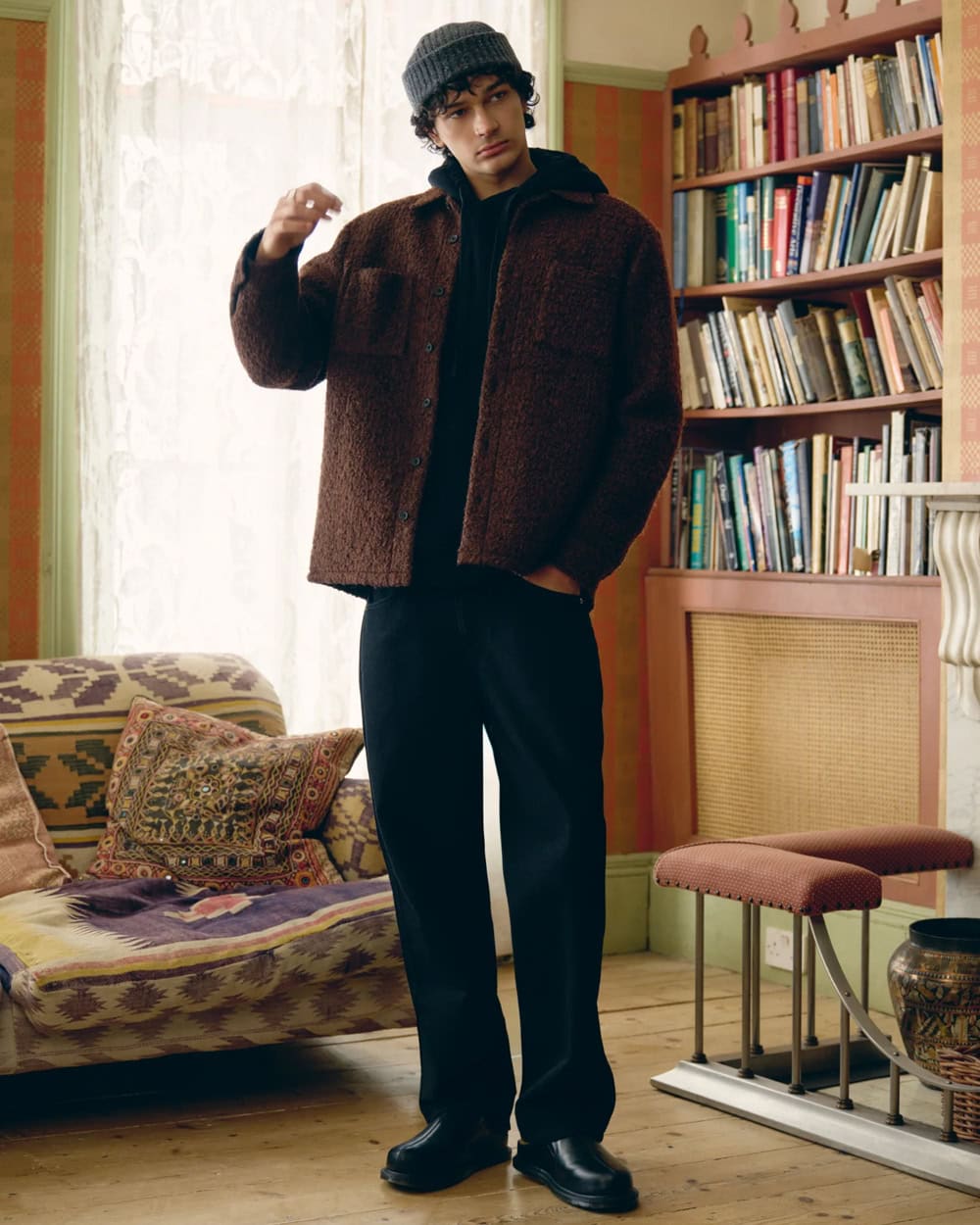
Historically, the concept of a capsule wardrobe emerged in the 1970s as a method to streamline daily dressing through a small, interchangeable collection of timeless garments. Applied to modern autumn menswear, this philosophy emphasizes adaptability, durability, and evergreen design. Whether an individual leans toward classic tailoring, contemporary streetwear, or rugged heritage workwear, a well-structured autumn inventory bridges the gap between aesthetic appeal and practical necessity. Industry analysts note that consumer spending on transitional outerwear and layering staples consistently peaks during the third quarter, reflecting a collective cultural pivot toward intentional, long-lasting wardrobe investments.
The Evolution of Transitional Outerwear: Overshirts and Shell Jackets
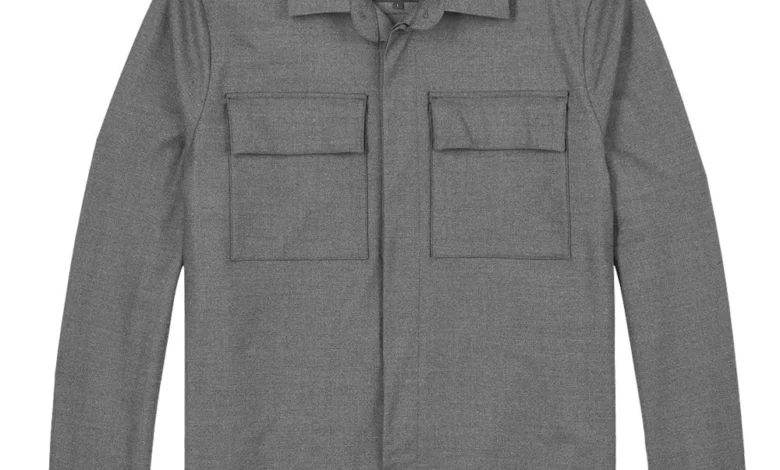
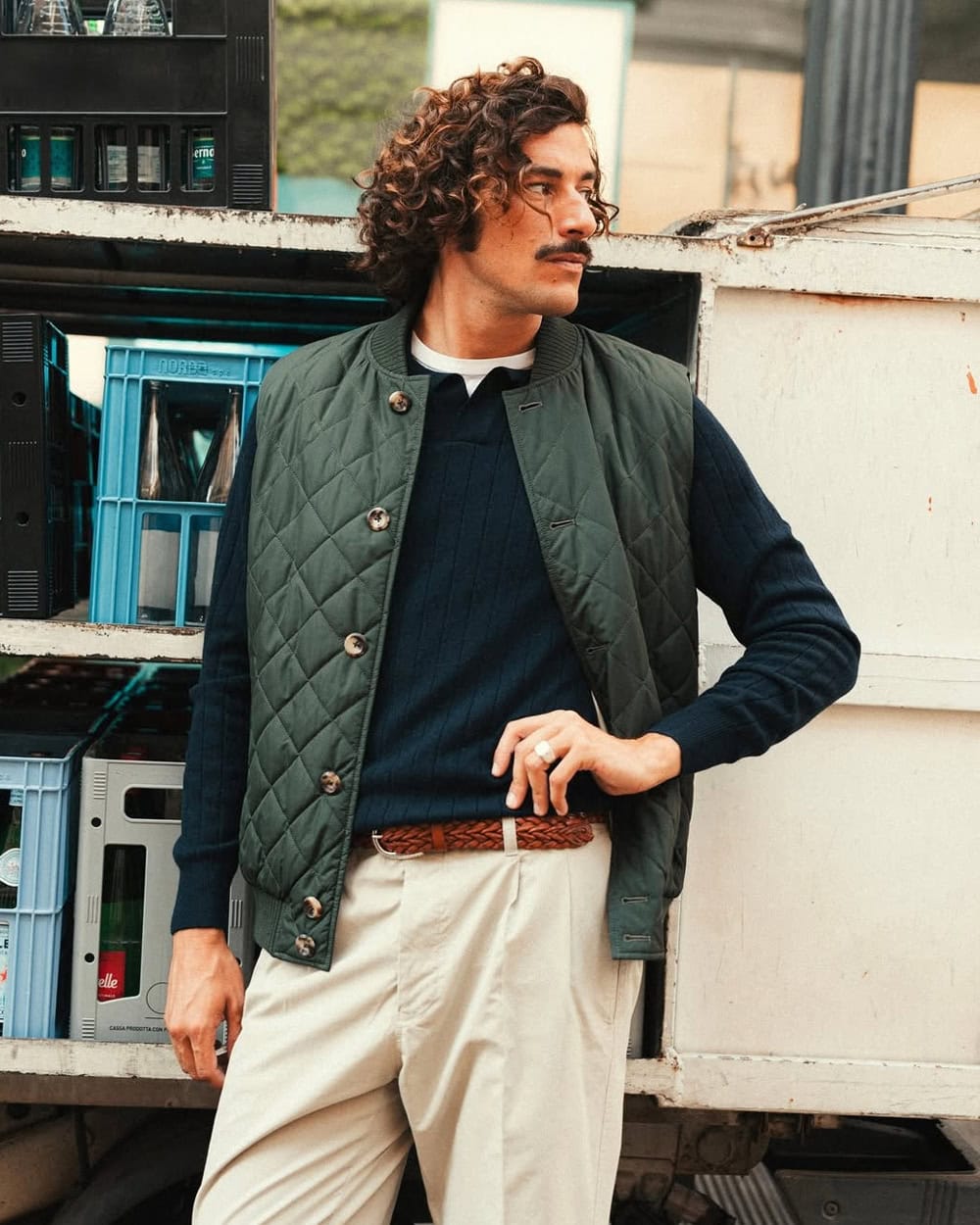
At the core of any functional autumn rotation is the overshirt—a garment that has evolved from a niche utility piece into a foundational pillar of modern style. Typically constructed from robust, heavy-weight fabrics such as brushed wool, robust canvas, or structured corduroy, the overshirt provides optimal thermal regulation without the cumbersome volume of a traditional heavy winter coat. This makes it an ideal sartorial solution for unpredictable autumnal afternoons, functioning seamlessly as an outer layer over a heavyweight tee or as a thermal mid-layer beneath a broader overcoat.
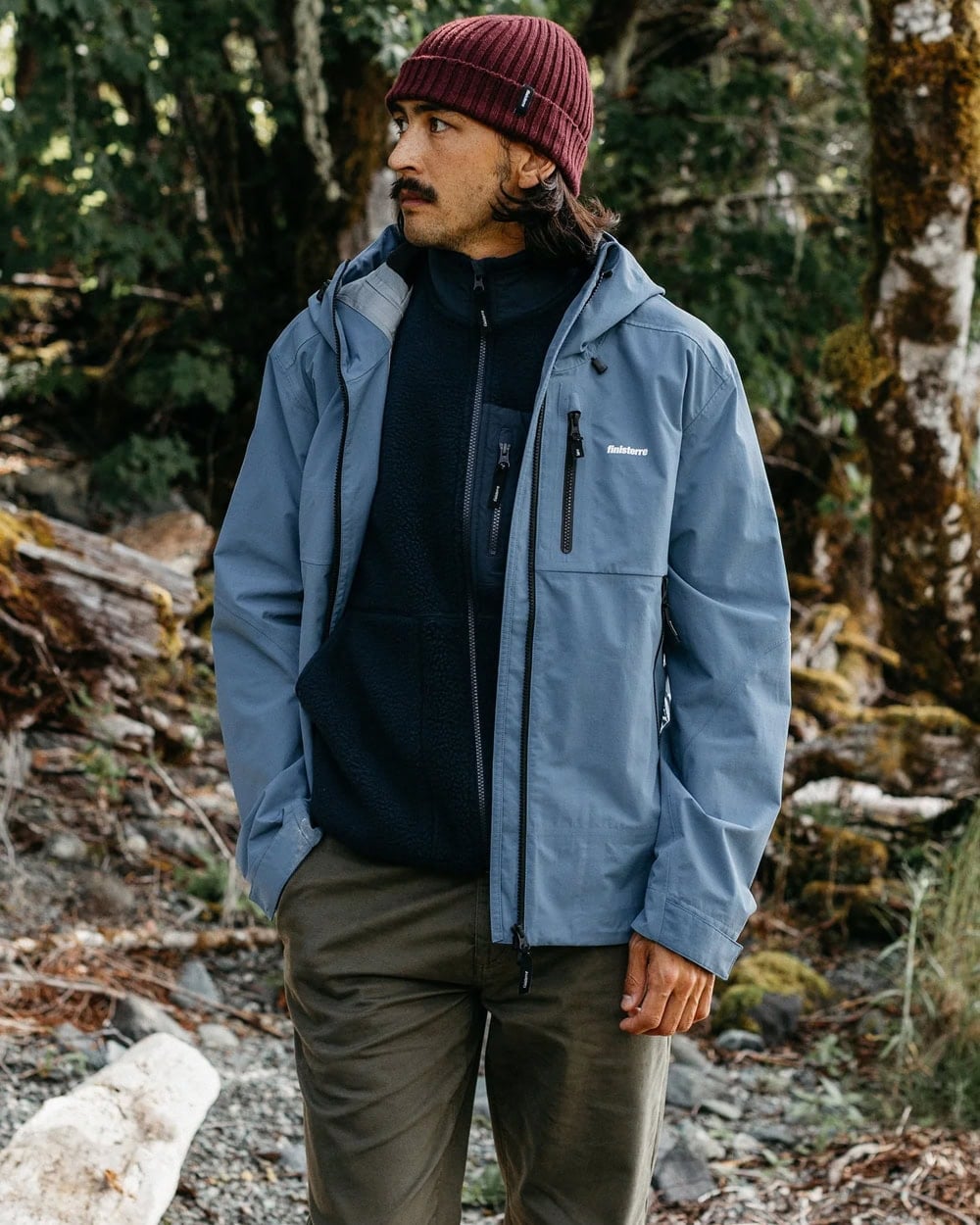
Complementing the overshirt is the technical shell jacket, a garment heavily influenced by the rise of "gorpcore" and outdoor-utility aesthetics. Designed explicitly to combat persistent rainfall and biting winds, modern technical shells utilize advanced moisture-wicking membranes and waterproof coatings. According to retail market research, demand for performance-driven outerwear has surged by over thirty percent year-over-year as urban commuters increasingly prioritize weather resistance alongside minimalist, clean-lined design. These jackets offer a sharp juxtaposition when paired with casual flannel shirts or tailored trousers, proving that high-performance engineering and high fashion are no longer mutually exclusive.
Heritage Fabrics and Textures: Suede, Denim, and Flannel
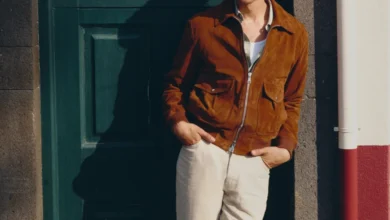
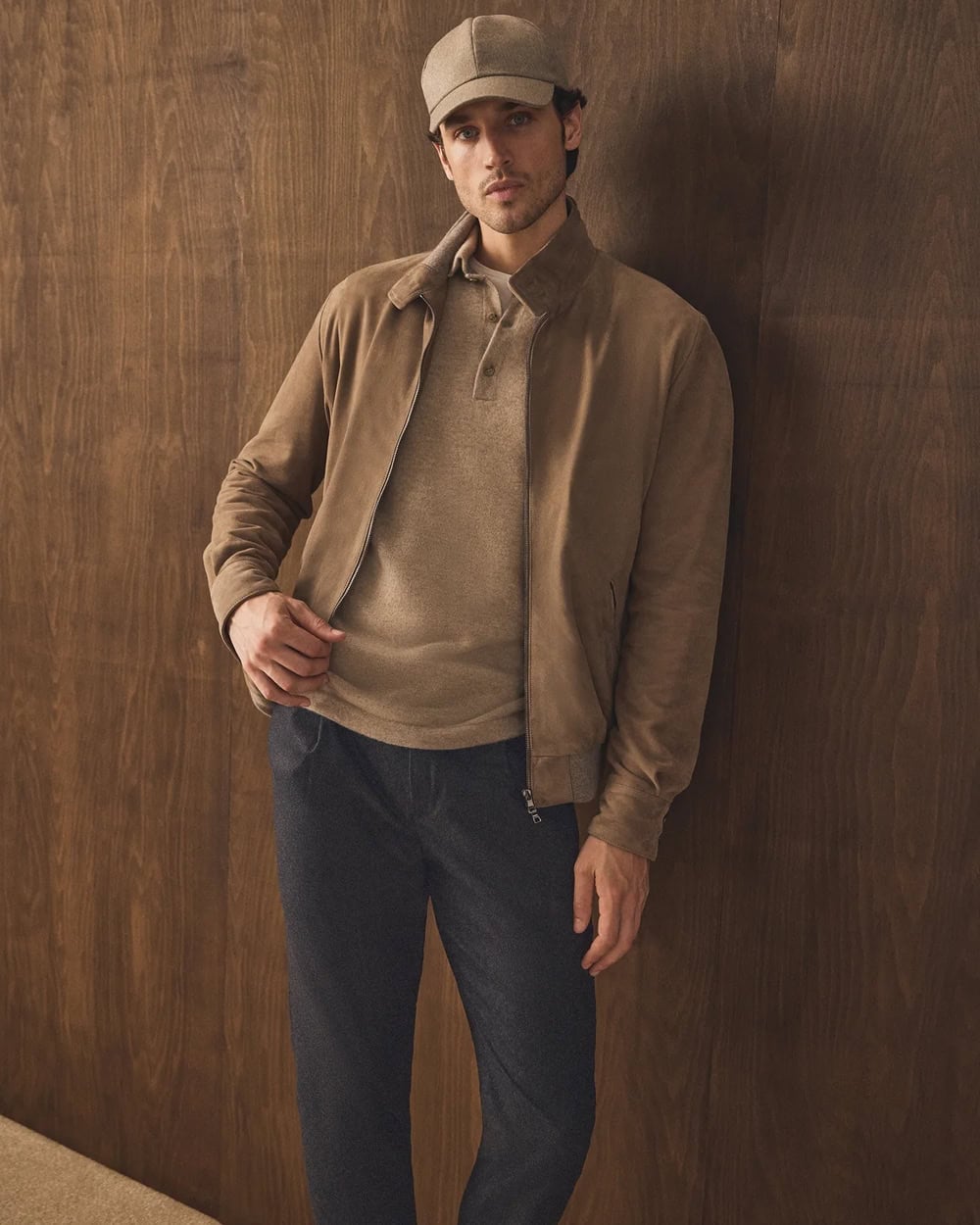
Autumn texture is a defining characteristic of cold-weather menswear, introducing depth and visual interest through tactile materials. The suede jacket, for instance, remains an elite investment piece. While historically scrutinized for its perceived fragility, contemporary tanning and treatment processes have enhanced the durability of suede, allowing it to weather the elements while developing a rich, individualized patina over time. Industry experts emphasize that a properly maintained suede bomber or trucker jacket bridges the gap between rugged masculinity and refined dandyism, pairing effortlessly with everything from raw denim to fine-gauge knitwear.
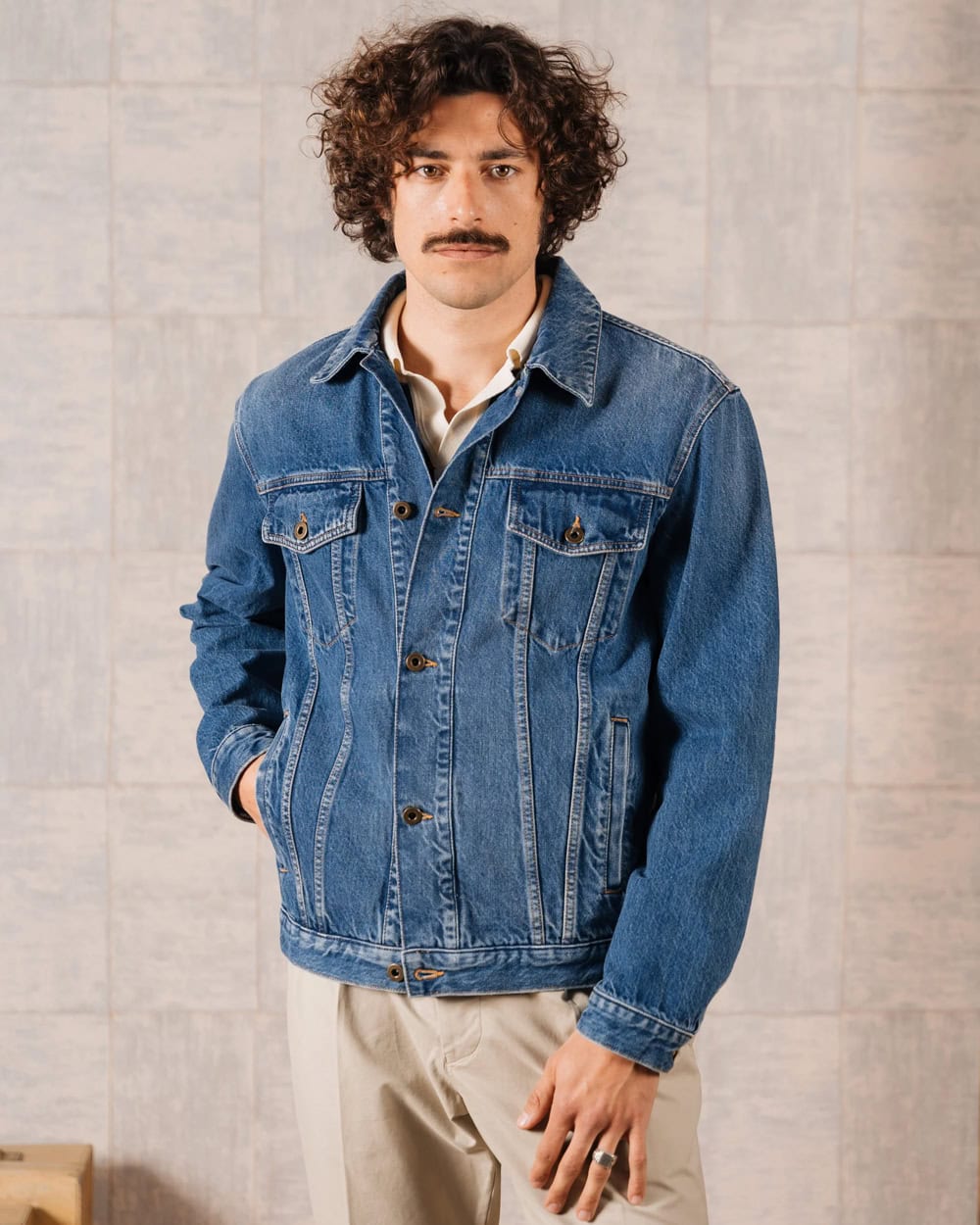
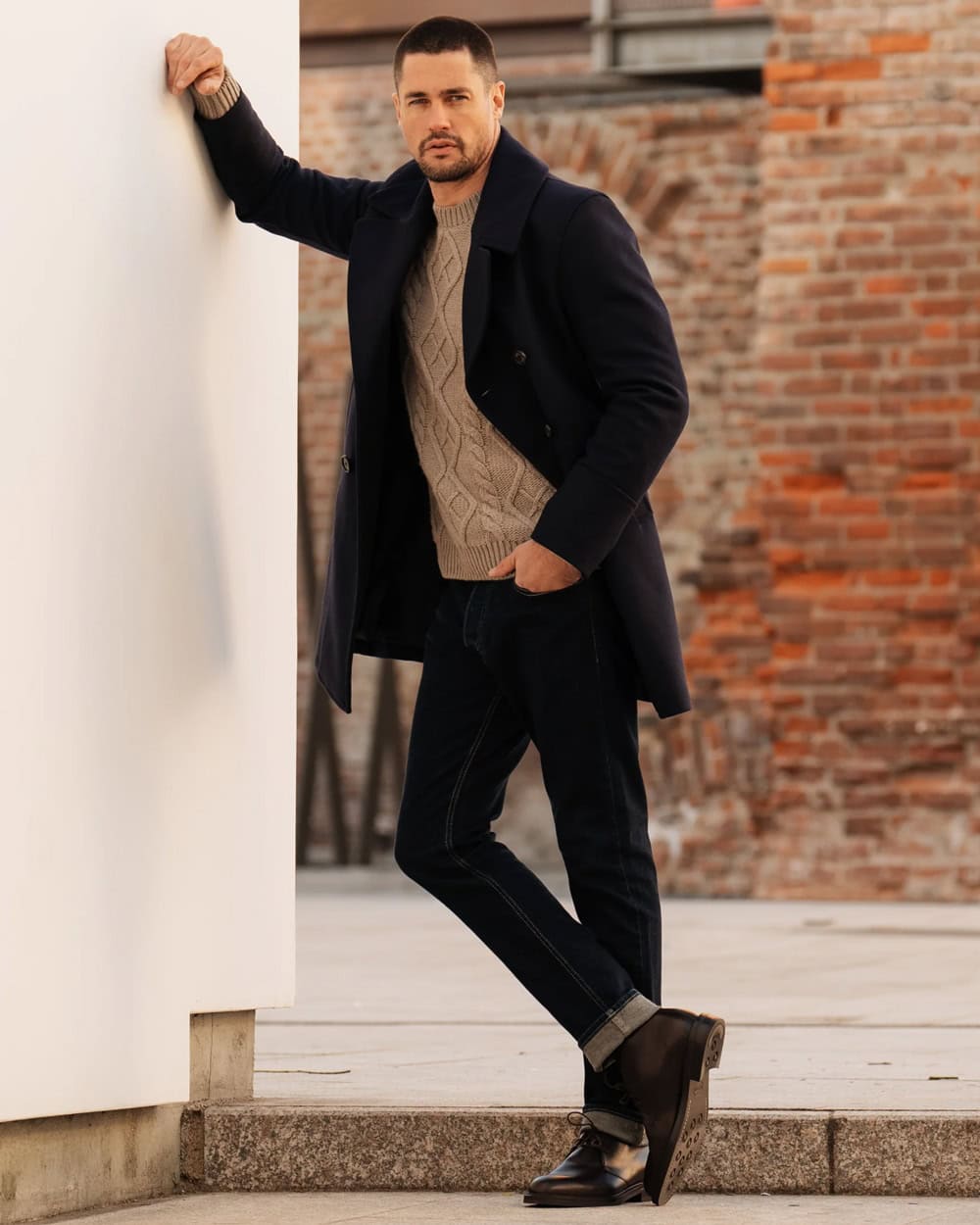
Simultaneously, the classic denim jacket retains its status as an immutable menswear staple. Originating as durable workwear for miners and railroad workers in the American West, the denim jacket has transcended its blue-collar roots to become a canvas for personal style. Its rigid structural silhouette introduces clean lines to soft autumn layers, looking equally appropriate worn independently during mild September afternoons or layered strategically beneath a heavy wool trench coat when November temperatures plummet.
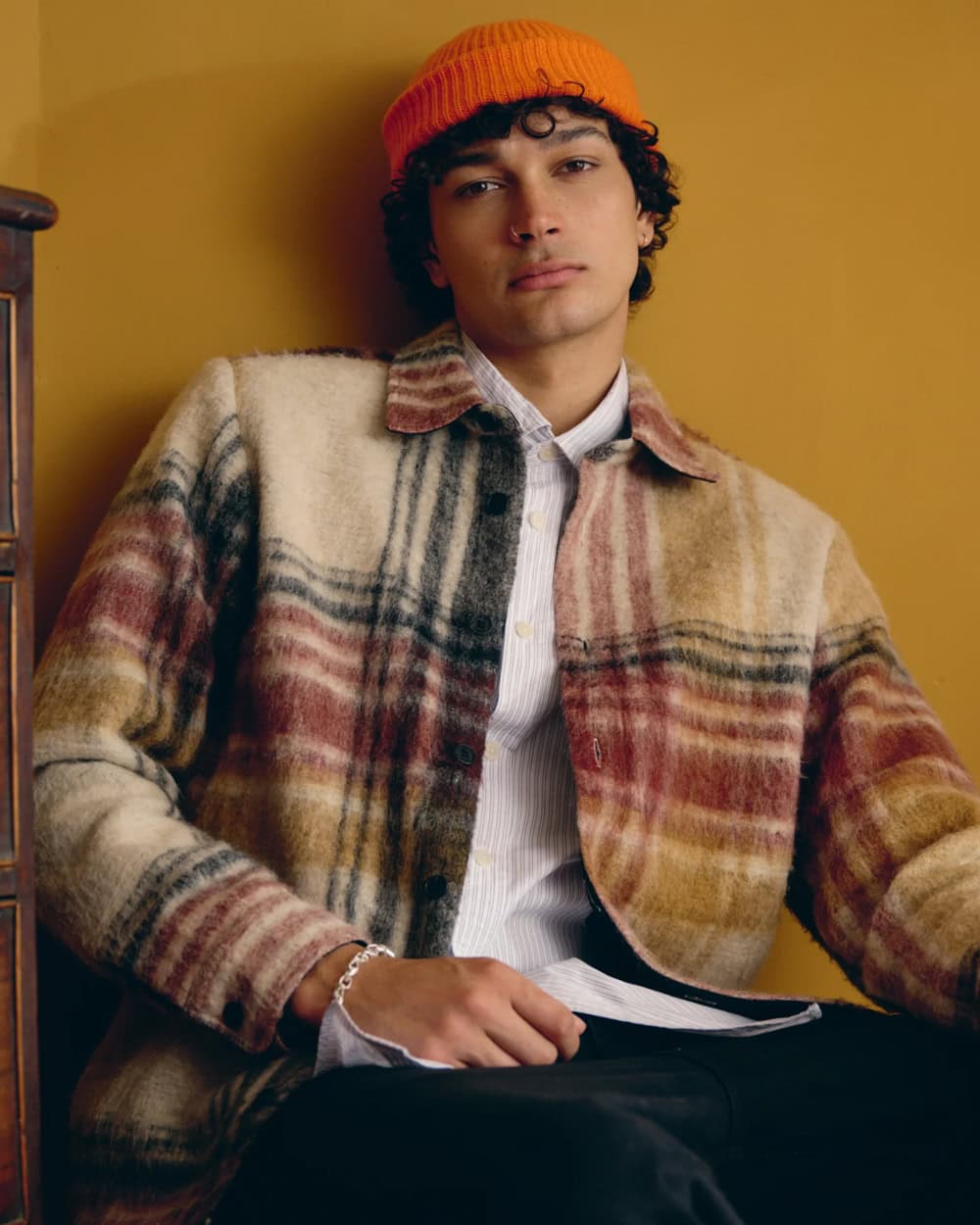
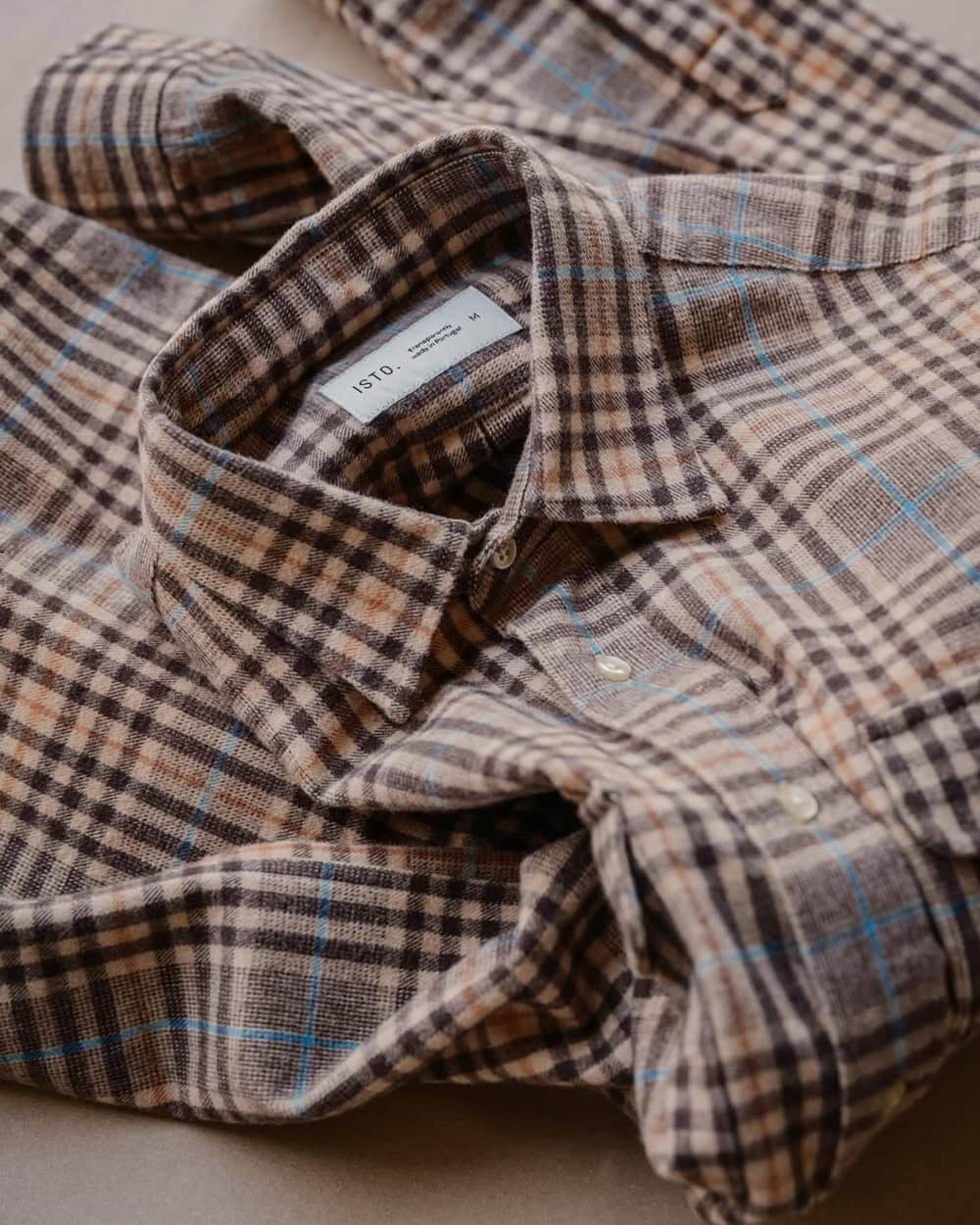
No discussion of autumn texture is complete without acknowledging the enduring dominance of the flannel shirt. Crafted from brushed cotton or specialized wool-blend textiles, traditional flannel offers exceptional thermal insulation while maintaining breathability. Its signature plaid patterns and earthy colorways pay homage to historical outdoor heritage, anchoring urban wardrobes with a rugged sensibility that pairs seamlessly with heavy-duty footwear.
Redefining Bottoms: Wide-Leg Chinos and Worker Pants
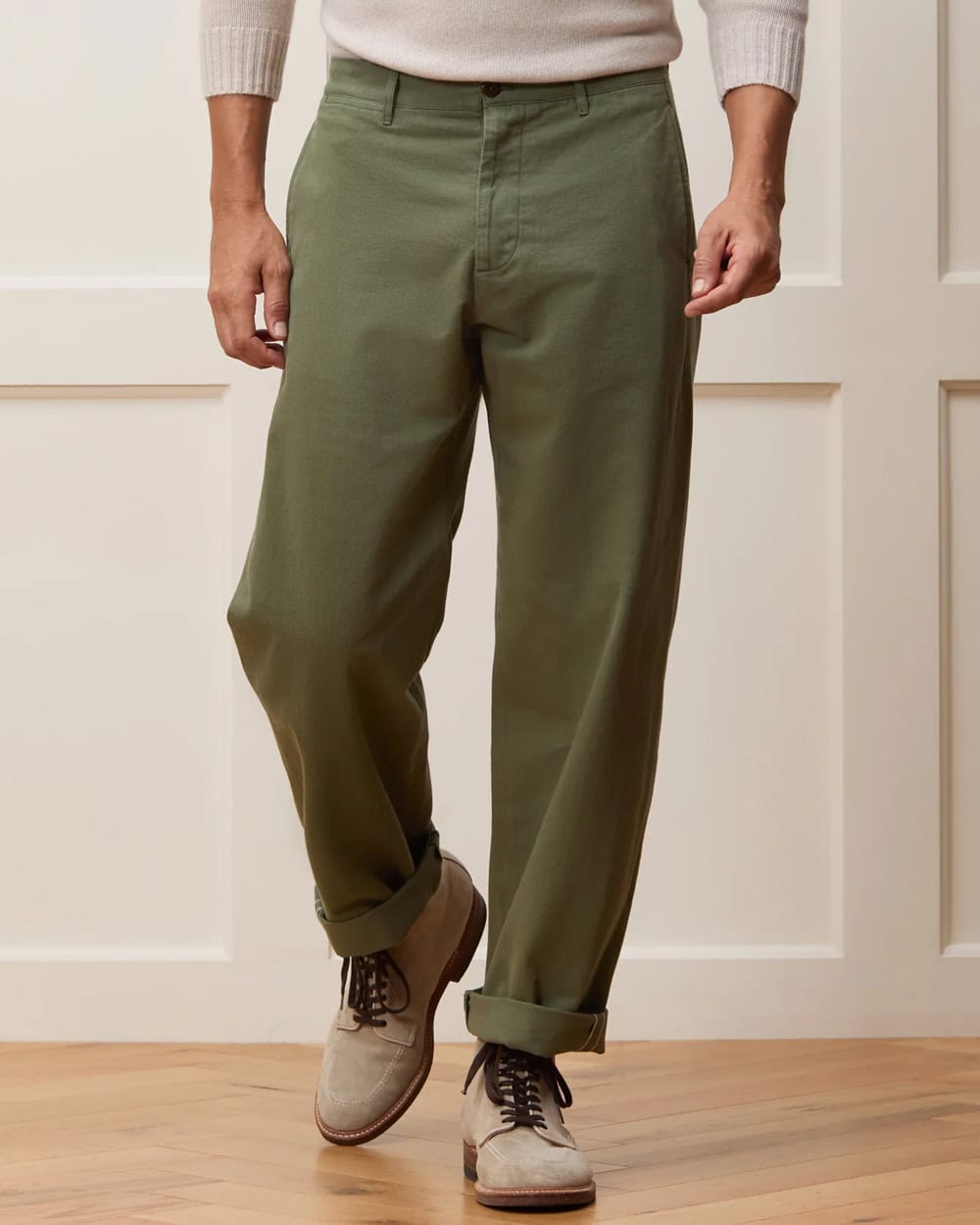
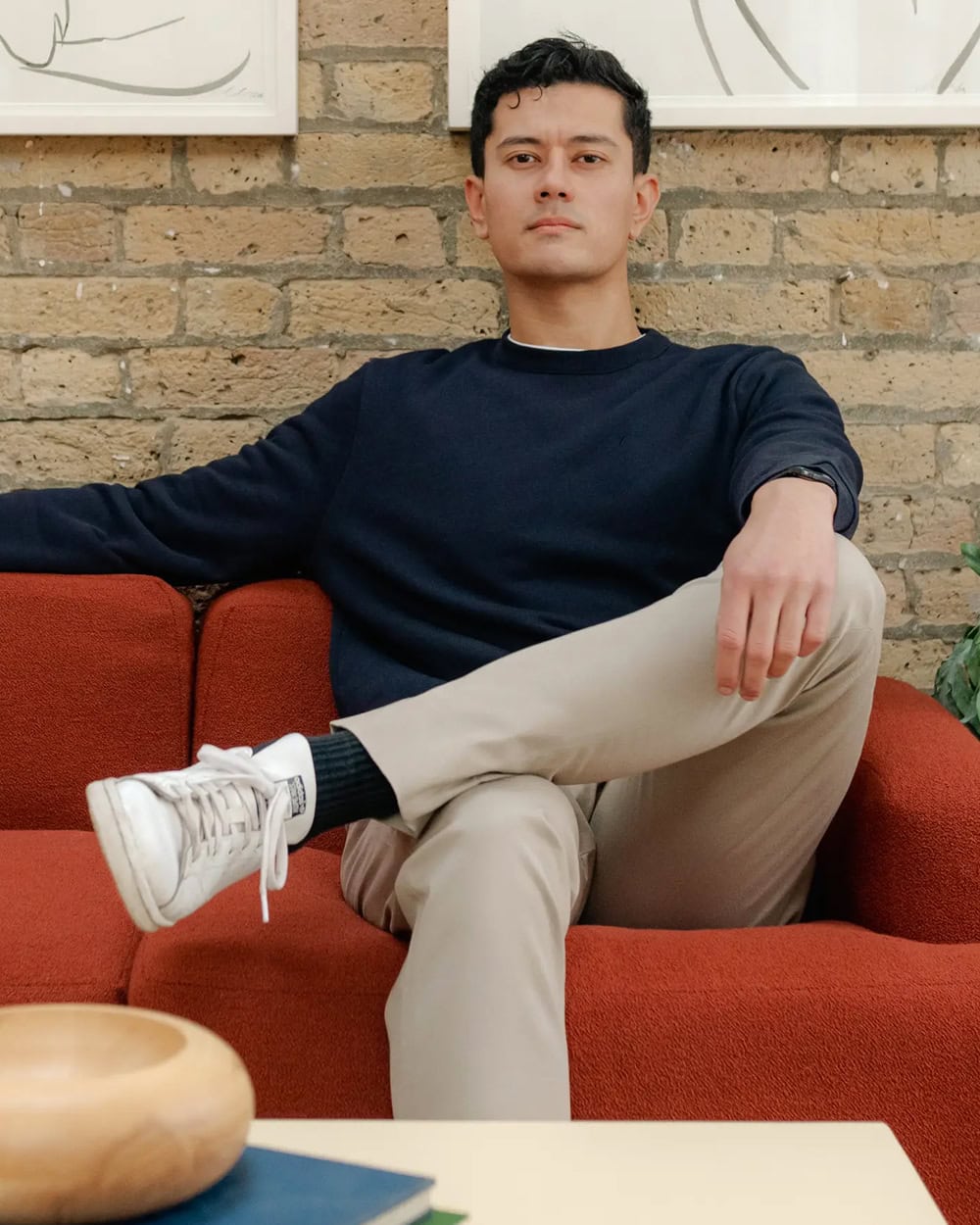
The silhouette of men’s trousers has undergone a seismic shift over the past half-decade, moving away from restrictive skinny fits toward relaxed, comfortable, and architecturally interesting cuts. Wide-leg chinos have emerged as a prime beneficiary of this shift, offering sophisticated styling options without sacrificing mobility. By incorporating a wider trouser leg, these garments create a balanced vertical silhouette that accommodates chunkier footwear options, such as robust hiking shoes or classic chukka boots.
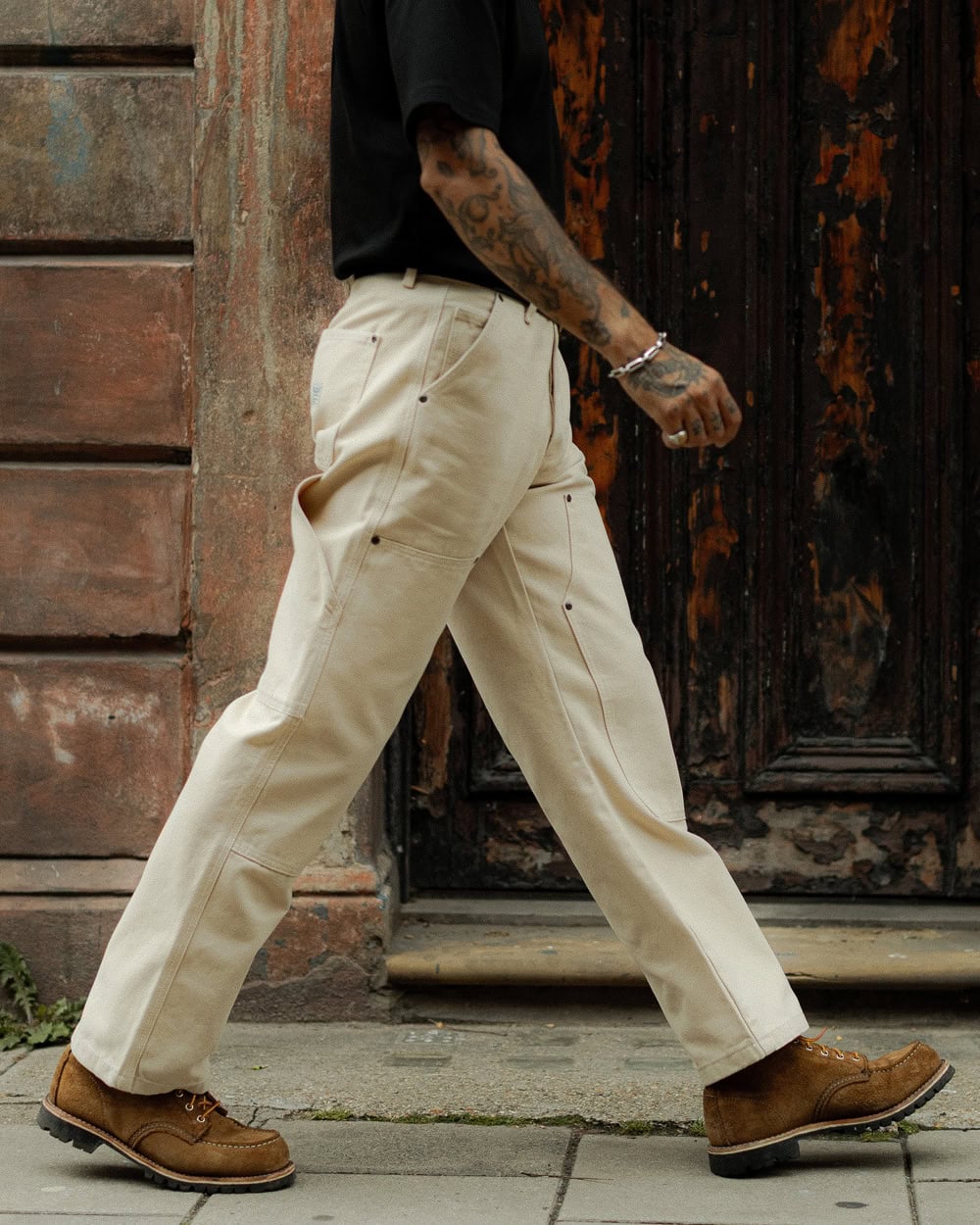
Similarly, traditional worker pants bring utilitarian durability to the fore. Characterized by reinforced triple-needle stitching, hammer loops, and multiple deep-set utility pockets, worker pants draw direct inspiration from industrial workwear archives. Fashion economists point out that the workwear sector has experienced sustained market growth, driven by consumers seeking garments that offer genuine longevity and functional utility. In an autumn context, worker pants provide exceptional wind resistance and ease of movement, making them a preferred choice for both active outdoor excursions and metropolitan commuting.
Mid-Layers: Cardigans, Sweatshirts, and Hoodies
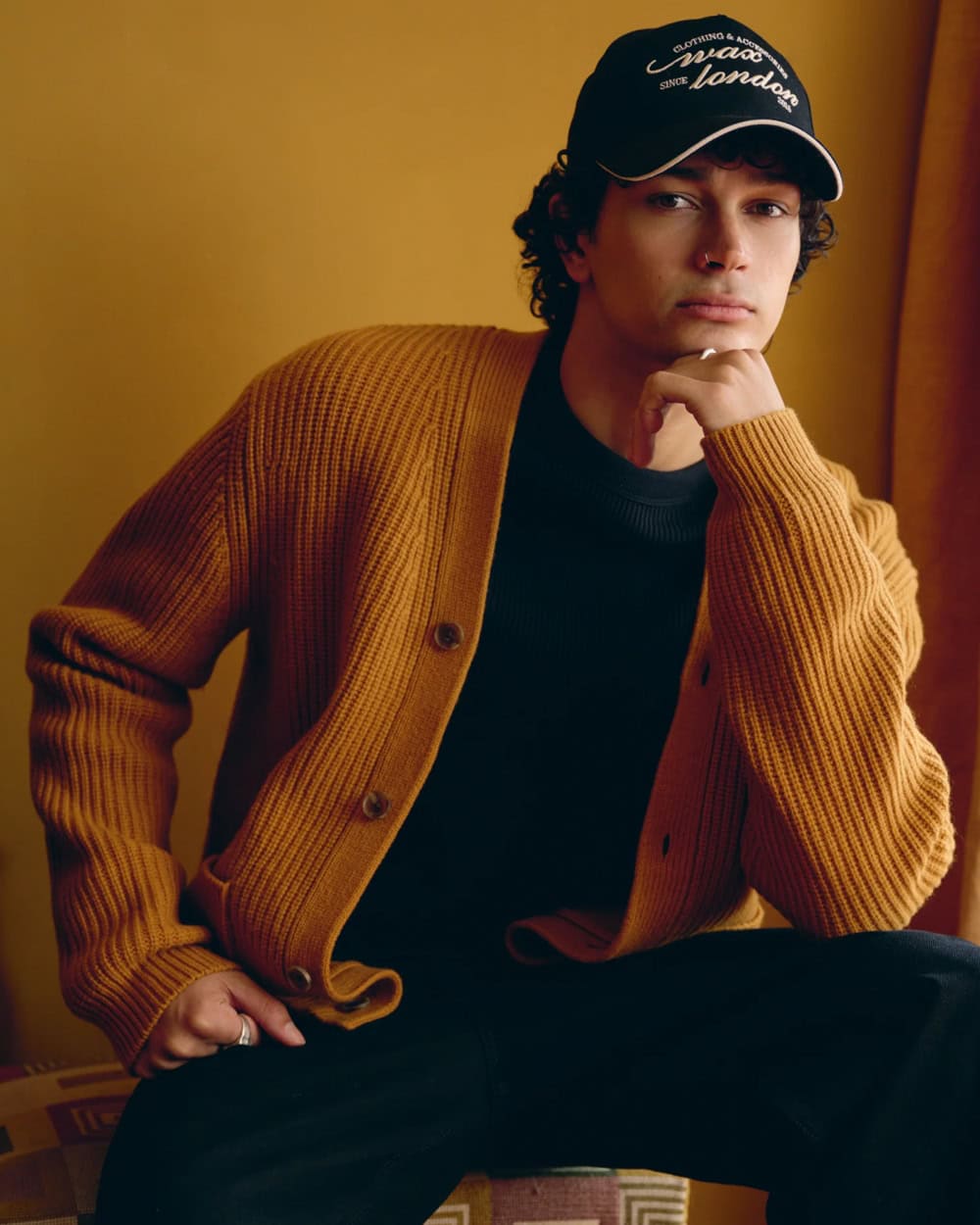
Layering is the cornerstone of effective cold-weather dressing, and the mid-layer category provides the necessary insulation to combat dropping temperatures. The cardigan, once unfairly burdened with an antiquated, scholarly reputation, has experienced a major high-fashion renaissance. Modern iterations range from chunky shawl-neck cardigans that serve as viable blazer alternatives to vibrant, streetwear-inspired statement pieces. Their open-front construction offers unparalleled ventilation control, allowing wearers to easily adjust to indoor heating and chilly outdoor drafts.
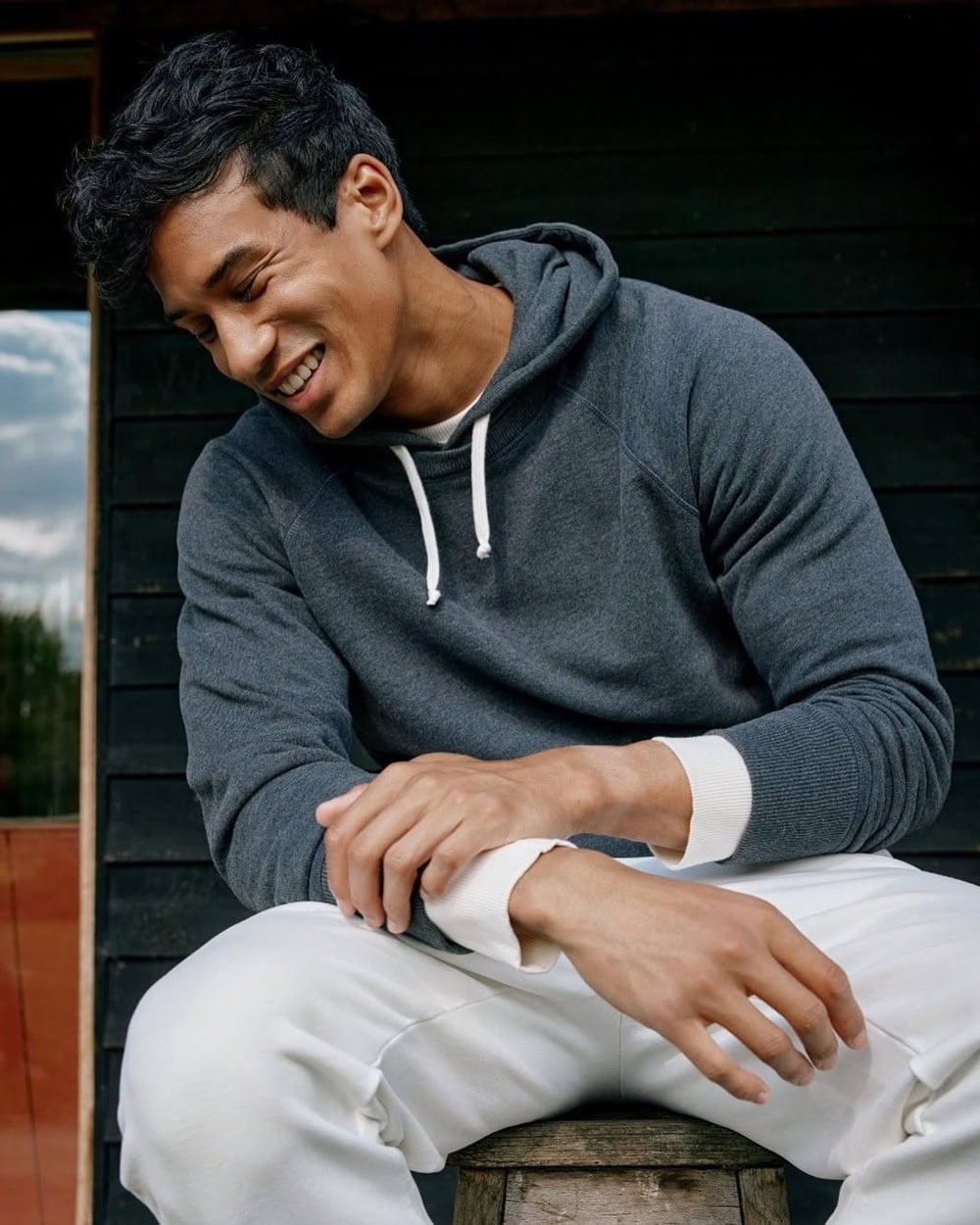
The humble sweatshirt and the ubiquitous hoodie round out the casual spectrum of the autumn inventory. Long liberated from their strict association with athletic gym wear, premium heavyweight hoodies and crewneck sweatshirts crafted from dense loopback or fleece-back cotton have become luxury staples. Design houses now routinely pair tailored wool overcoats with heavyweight hoodies, a high-low stylistic juxtaposition that has defined urban menswear for the past decade. These garments provide immediate comfort, practical kangaroo pockets, and adjustable hoods designed to shield against sudden drizzles.
Footwear and Accessories: Grounding the Autumn Ensemble
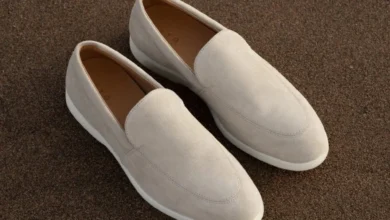
No seasonal wardrobe is truly complete without the appropriate footwear to anchor the silhouette. Chukka boots, characterized by their ankle-high rise and minimalist lacing system, offer an exquisite balance of refinement and ruggedness. Traditionally crafted from supple calfskin or textured suede, chukkas transition effortlessly from casual weekend outings to business-casual office environments.
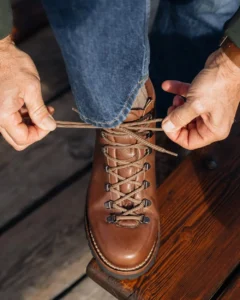
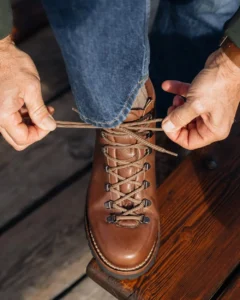
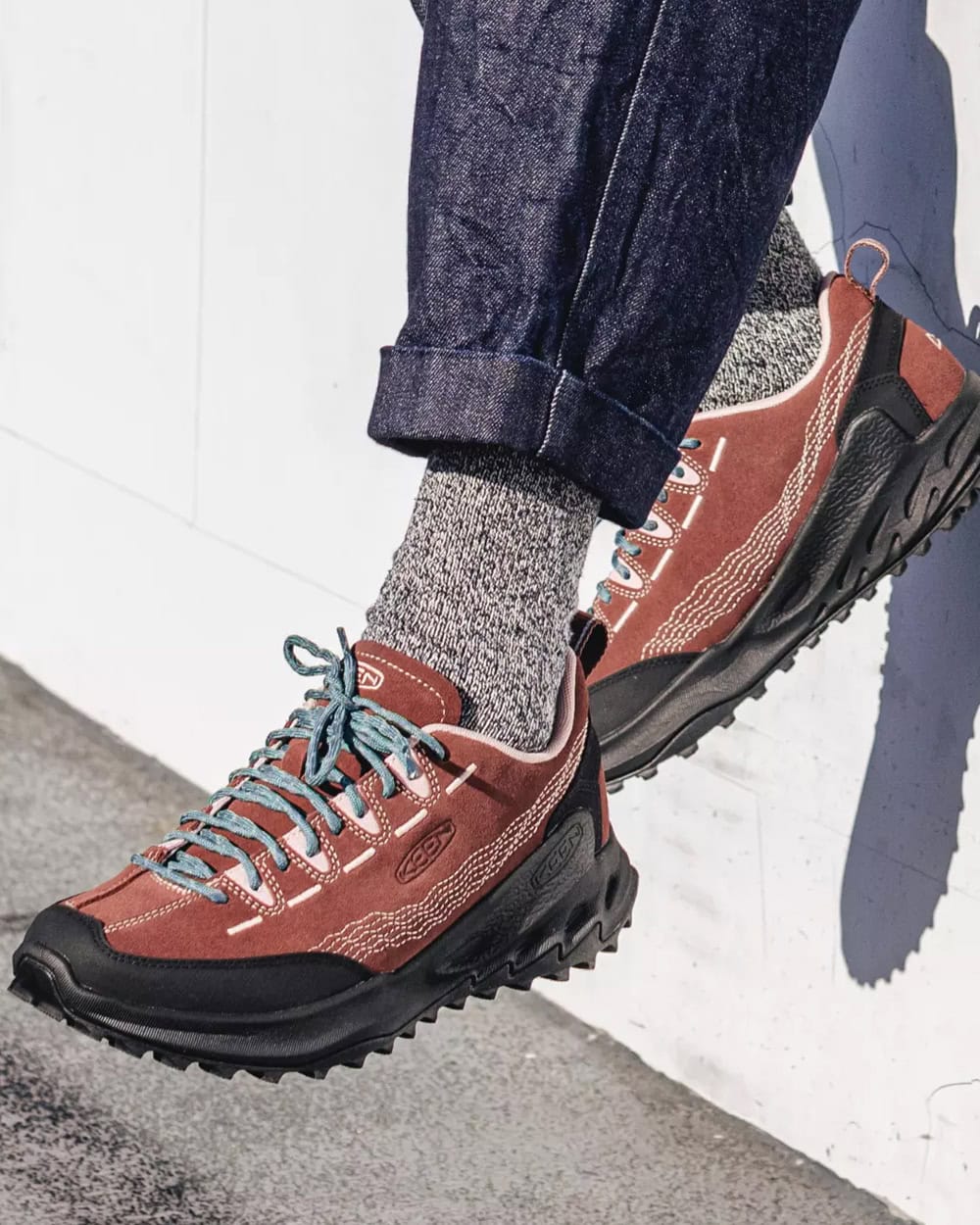
For more demanding weather conditions, specialized hiking shoes have firmly crossed over from alpine trails into mainstream urban fashion. Driven by consumer demand for all-terrain functionality, brands have re-engineered performance hiking footwear in sleek neutral palettes and bold colorways, providing exceptional traction, ankle support, and weatherproofing for city streets.
Finally, the seasonal accessory rotation requires attention to detail. The ribbed wool beanie serves both a functional purpose—retaining vital body heat through the head—and an aesthetic one. Available in a spectrum ranging from neutral blacks and navies to vibrant bursts of mustard and rust, the beanie functions as a crowning focal point for any autumn ensemble, neatly tying together the disparate textures of outerwear, mid-layers, and trousers.
As retailers prepare for the peak autumn shopping season, industry analysts project sustained consumer interest in versatile, high-durability capsule pieces. By investing in these foundational wardrobe elements, menswear enthusiasts can ensure a seamless transition into the colder months, marrying timeless utility with contemporary style.
Related posts: