When most Australians plan their weekend, a visit to a Bunnings Warehouse is a staple of domestic life, typically reserved for selecting timber, paint, or seasonal garden supplies. However, for Sydney-based couple Daisy and Daniel, the hardware giant served as the backdrop for their wedding ceremony, transforming a routine retail environment into a deeply personal venue. This unconventional choice highlights a growing cultural trend toward "hyper-personalized" weddings, where couples are increasingly bypassing traditional venues in favor of spaces that hold specific, localized emotional resonance.
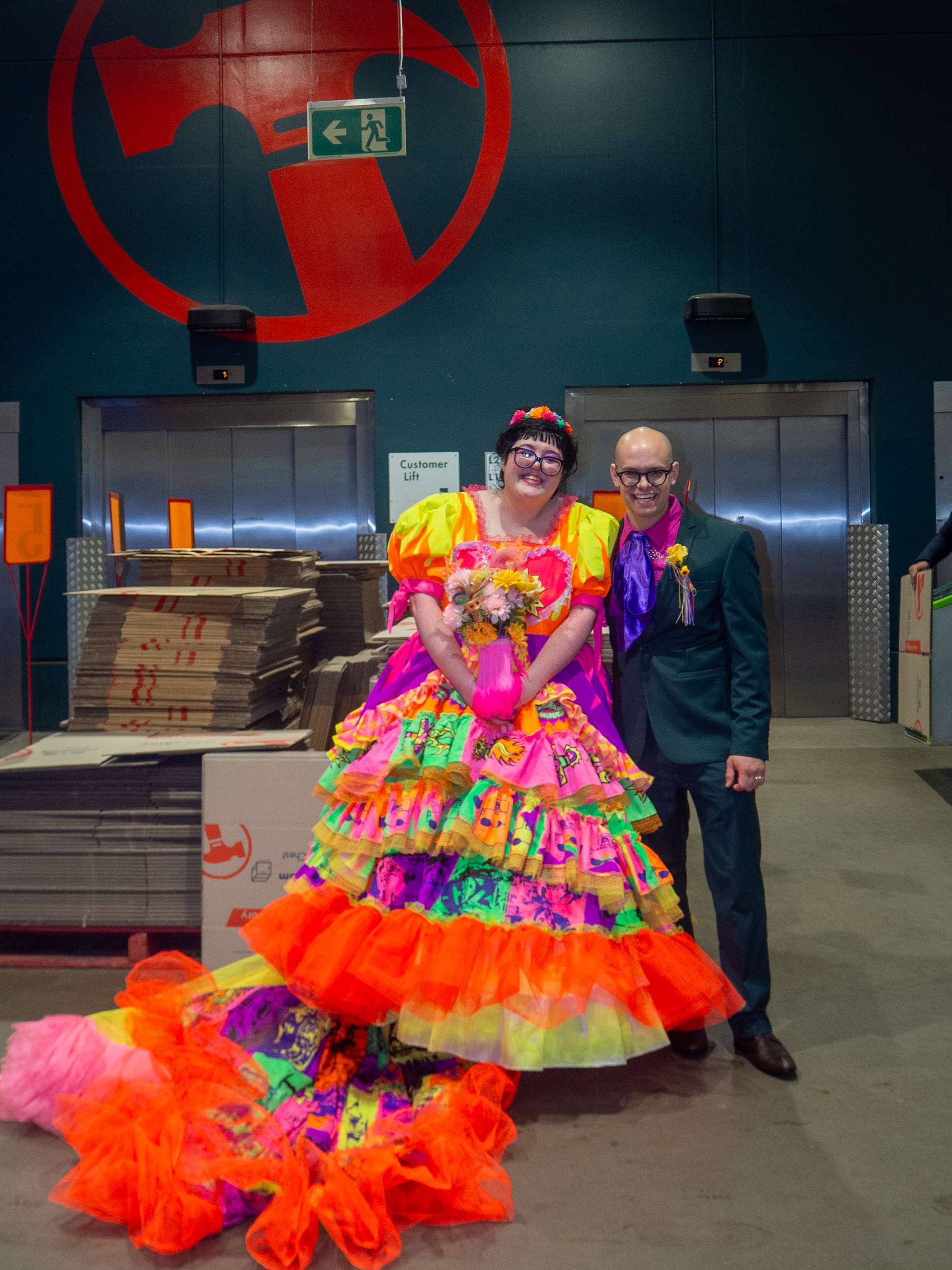
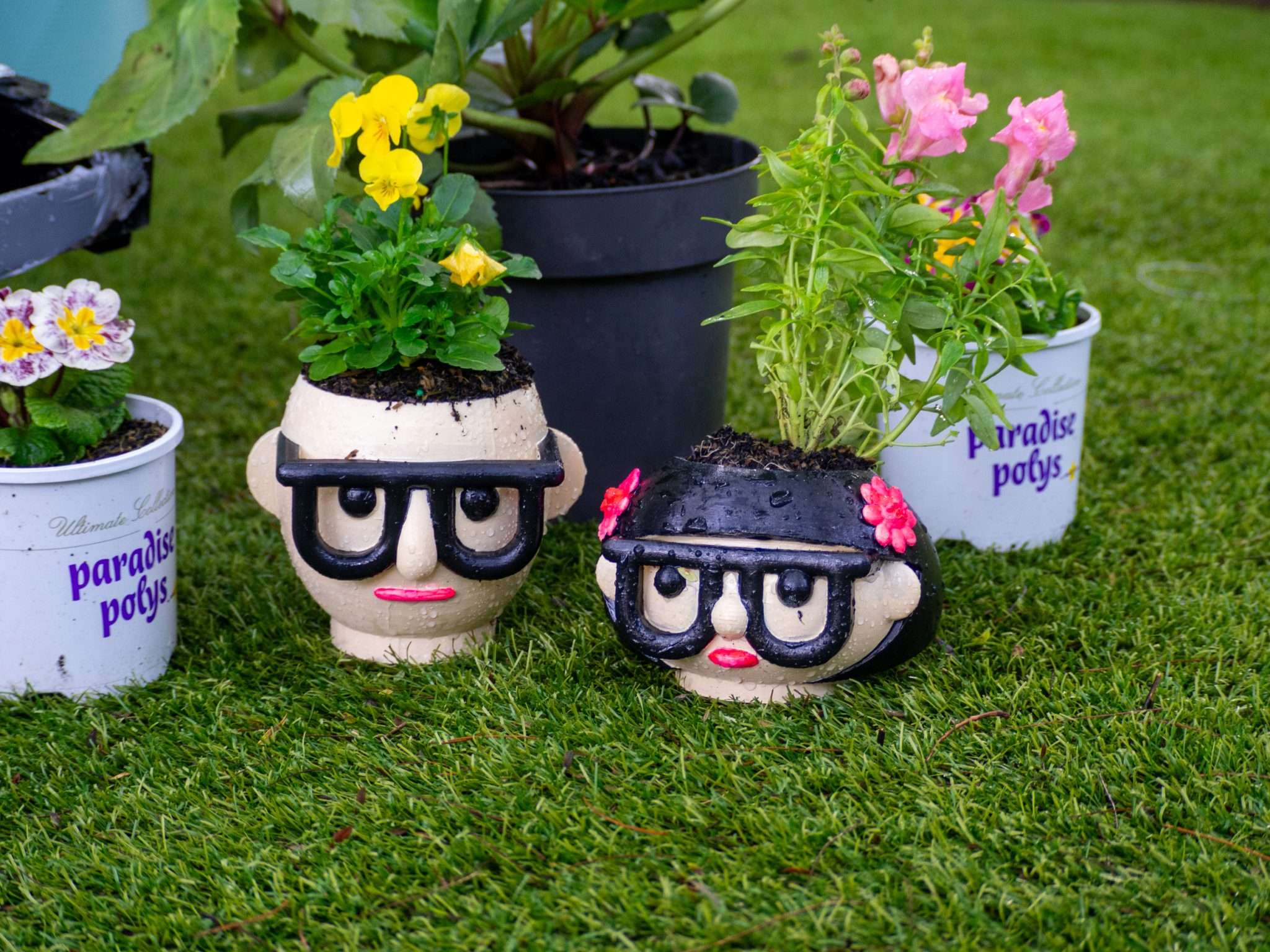
The decision to host the event at the Alexandria branch of the hardware chain was the culmination of a long-standing inside joke that evolved into a concrete plan. The warehouse represents a significant intersection in the couple’s relationship; Daniel, a professional gardener, and Daisy, an artist, have long frequented the store as part of their weekend routine. The narrative of their connection to the brand is even rooted in a recurring dream Daisy experienced before they began dating—a vision of them shopping at the store surrounded by children in matching eyewear. That dream, she noted, served as the catalyst for her to ask Daniel on their first date.
Logistical Planning and Venue Coordination
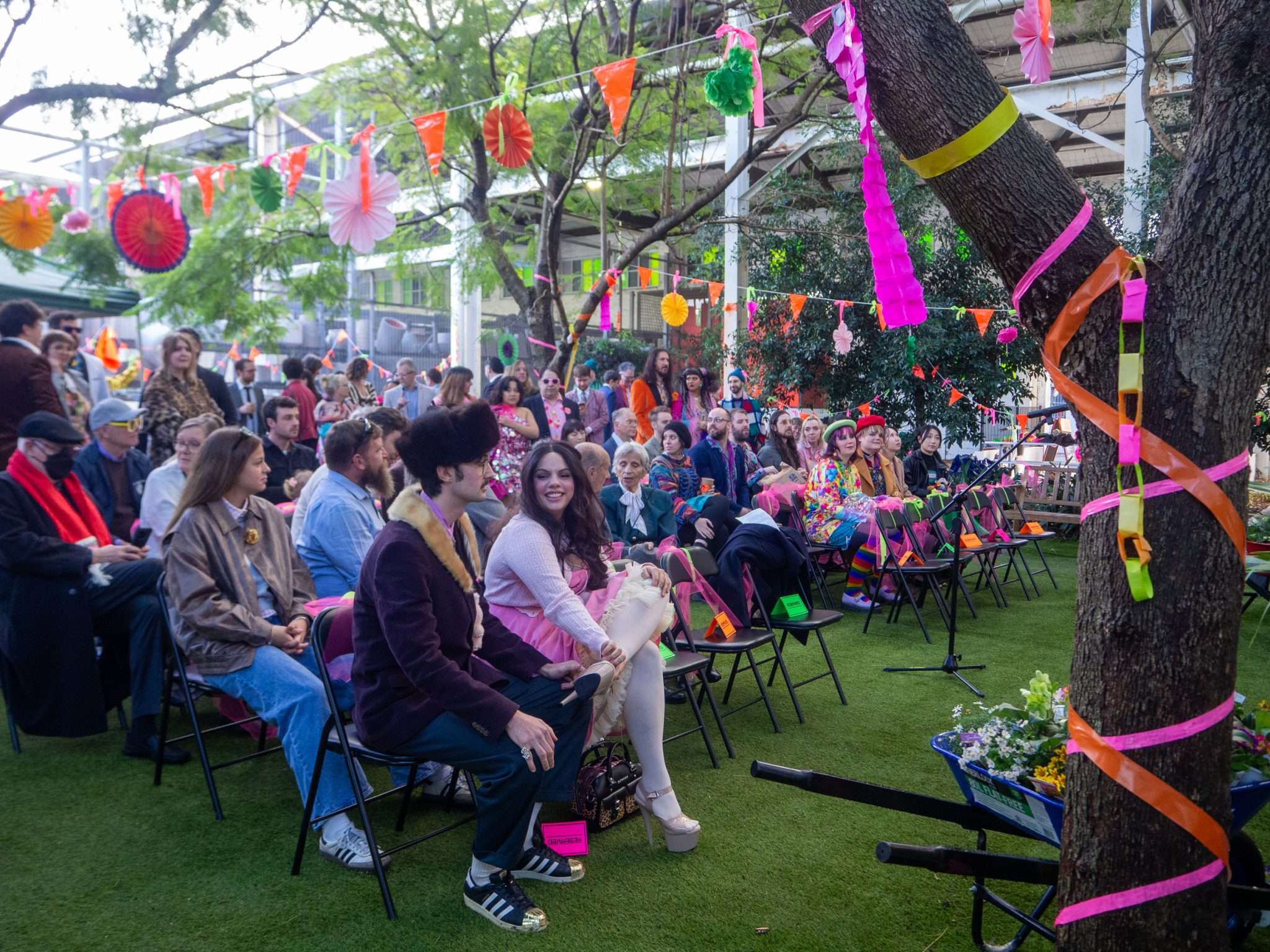
Securing a commercial retail space for a private wedding ceremony involves significant administrative hurdles that distinguish it from standard venue bookings. The Alexandria Bunnings location, after discussions with the couple, allowed the use of their outdoor courtyard at no cost, provided the couple secured the necessary public liability insurance.
From a risk management perspective, such arrangements are rare for large national retailers. By moving the event into the winter months—a period of lower foot traffic compared to the high-intensity spring and summer home-improvement seasons—the couple effectively navigated the store’s operational constraints. This strategic scheduling illustrates the necessity of balancing "non-traditional" venue desires with the commercial requirements of the host establishment. For the couple, the irony of their anniversary being dictated by the retail peak-trading calendar of a hardware chain became a central theme of their nuptial narrative.
The Aesthetic of Neon DIY
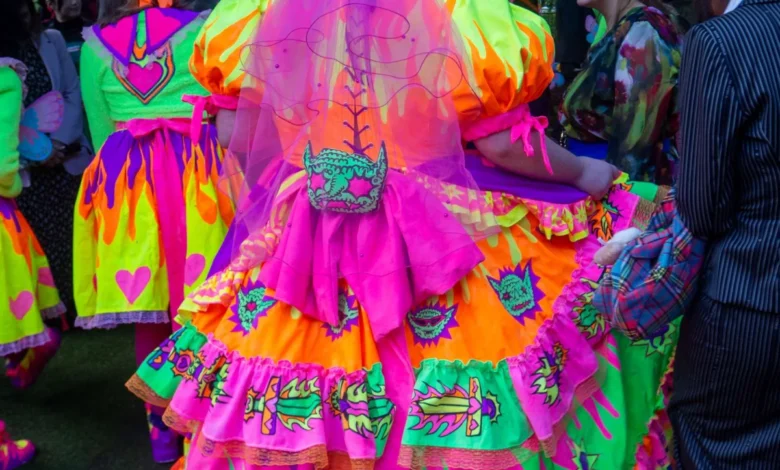
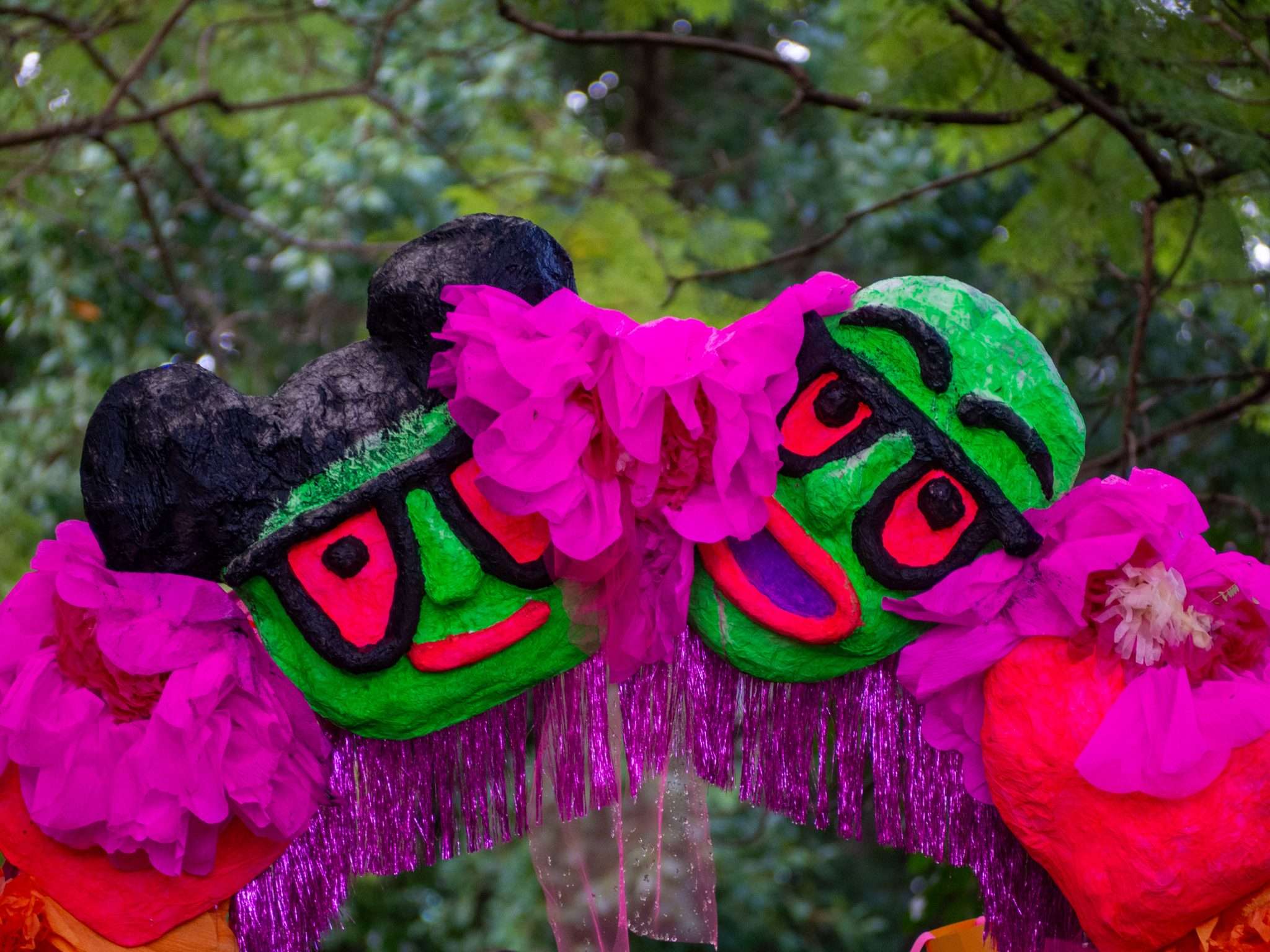
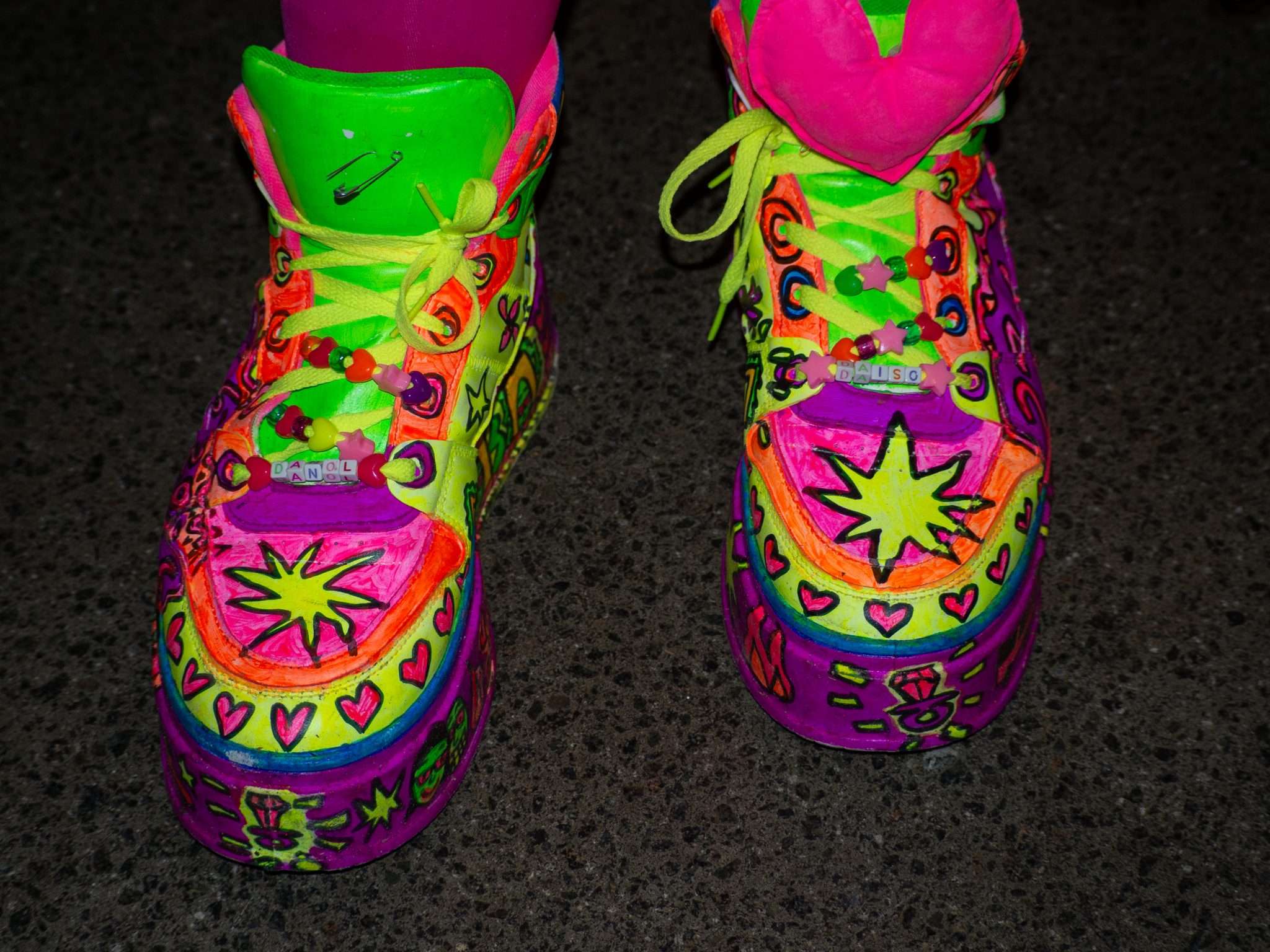
The wedding theme, described as a "neon DIY fever dream," pushed against the standard aesthetic norms of the Australian bridal industry. The couple leaned heavily into a high-visibility, neon-saturated color palette, utilizing the hardware store setting as a canvas for a deliberate, punk-inspired subversion of traditional wedding decor.
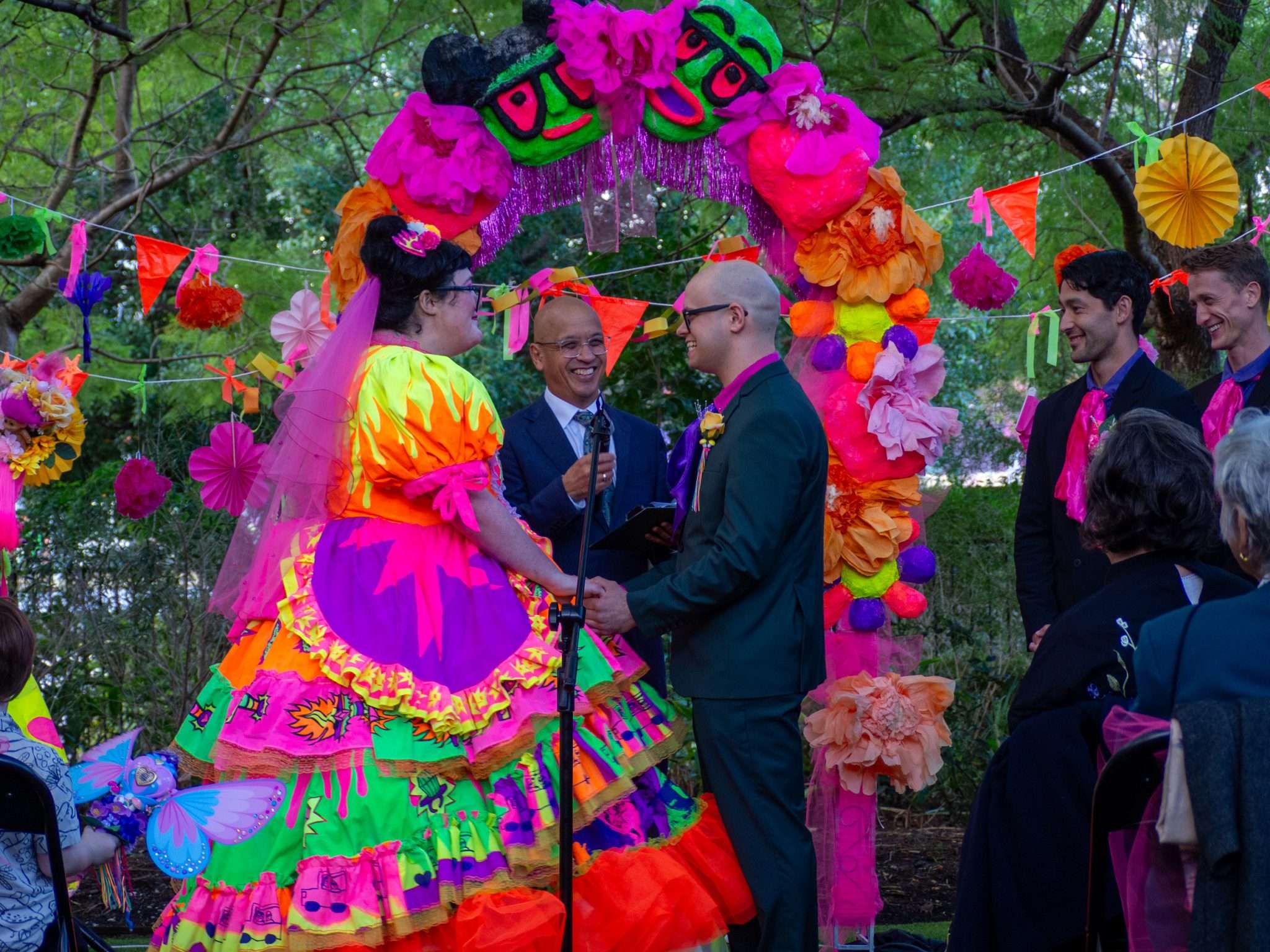
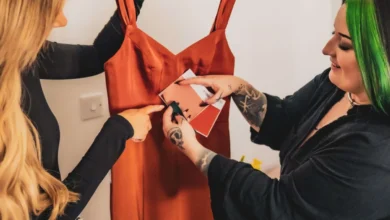
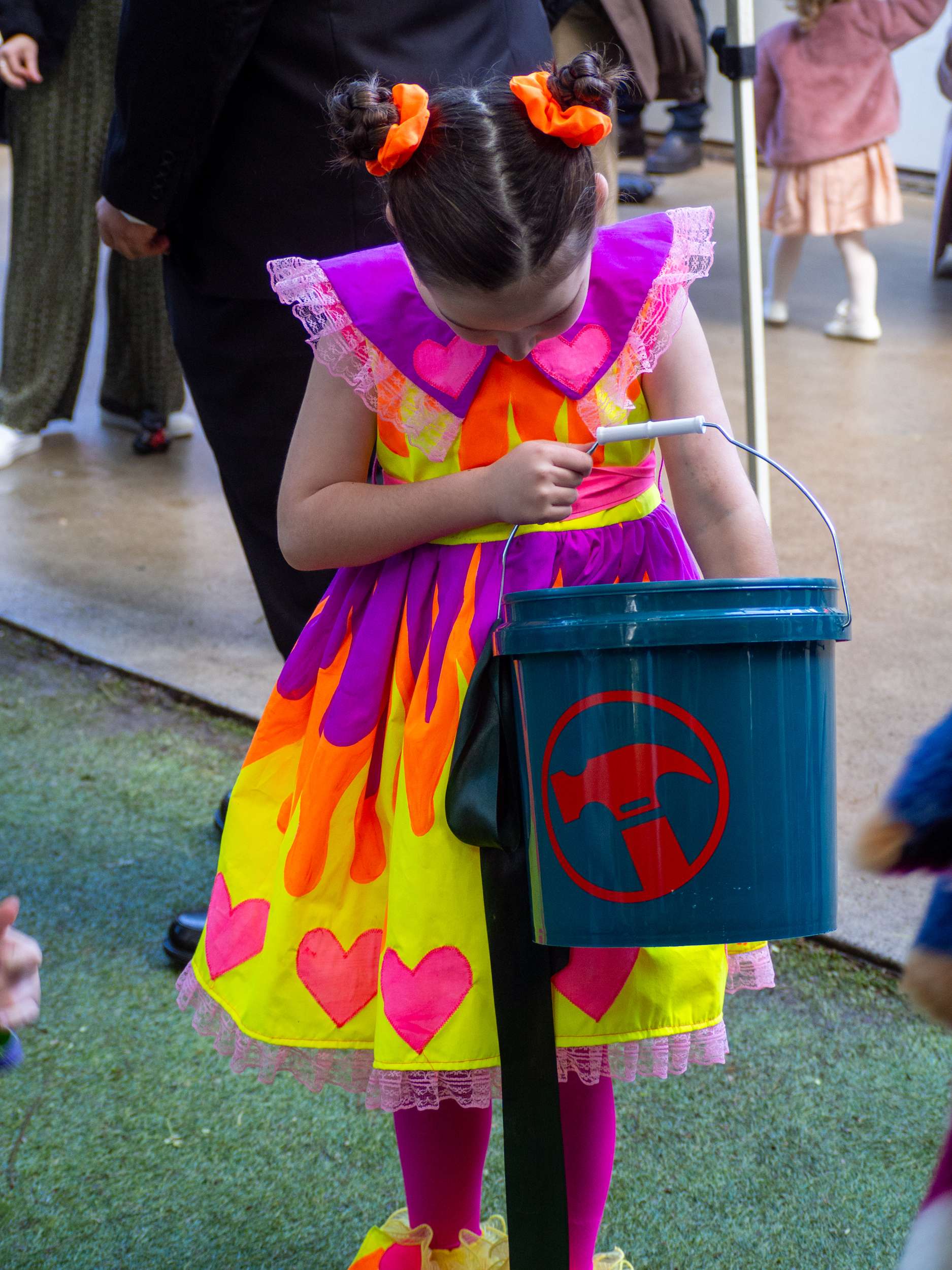
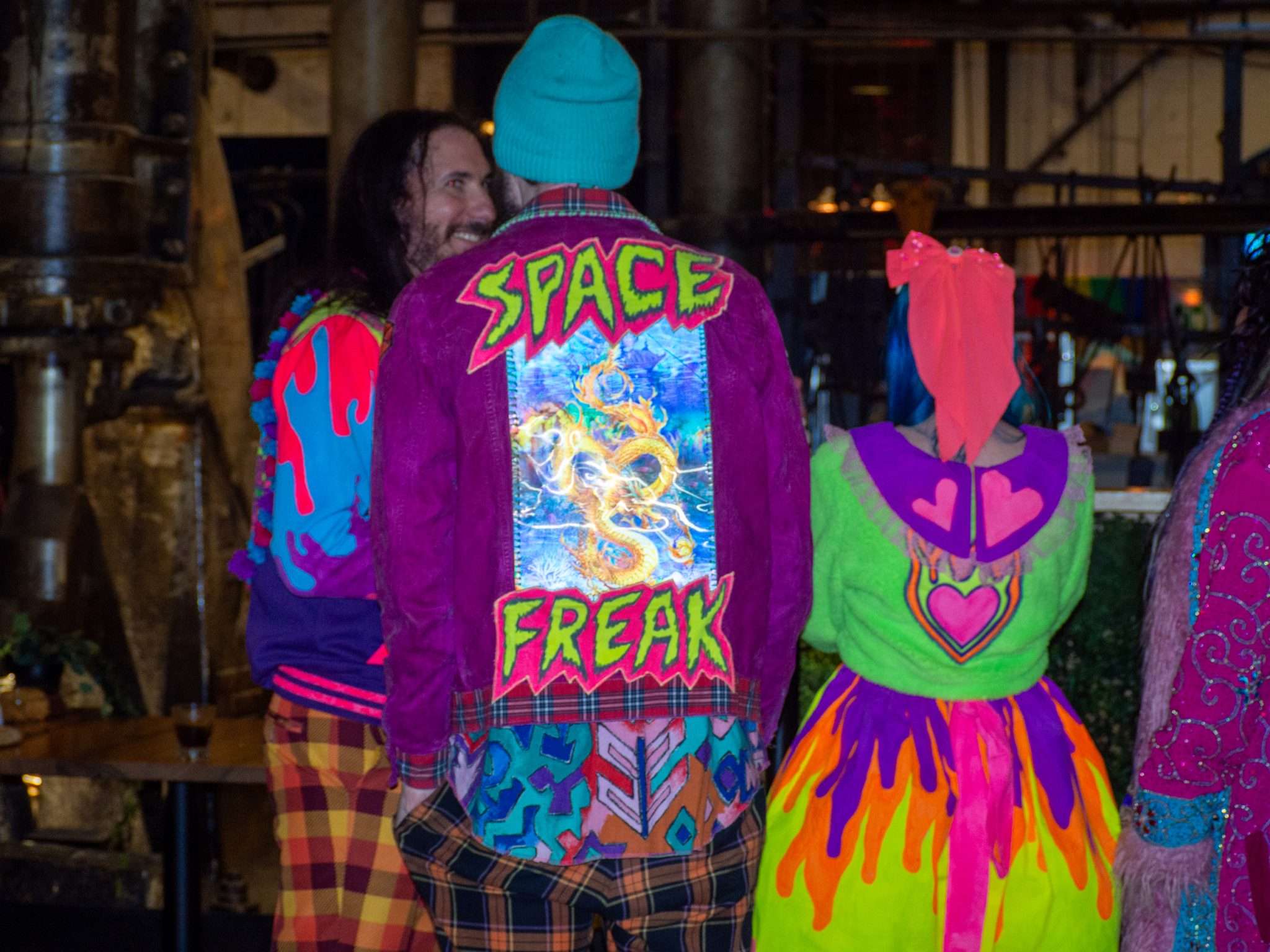
The bridal party’s attire was entirely handmade by Daisy, with costs kept to approximately $40 per garment. The aesthetic was inspired by the cultural iconography of the Powerpuff Girls and the historical, apocryphal tradition of bridesmaids serving as decoys to confuse malevolent spirits. This blending of historical folklore with modern, low-budget DIY craftsmanship serves as a case study in how contemporary couples are utilizing creative skill sets to combat the rising costs of the wedding industry.
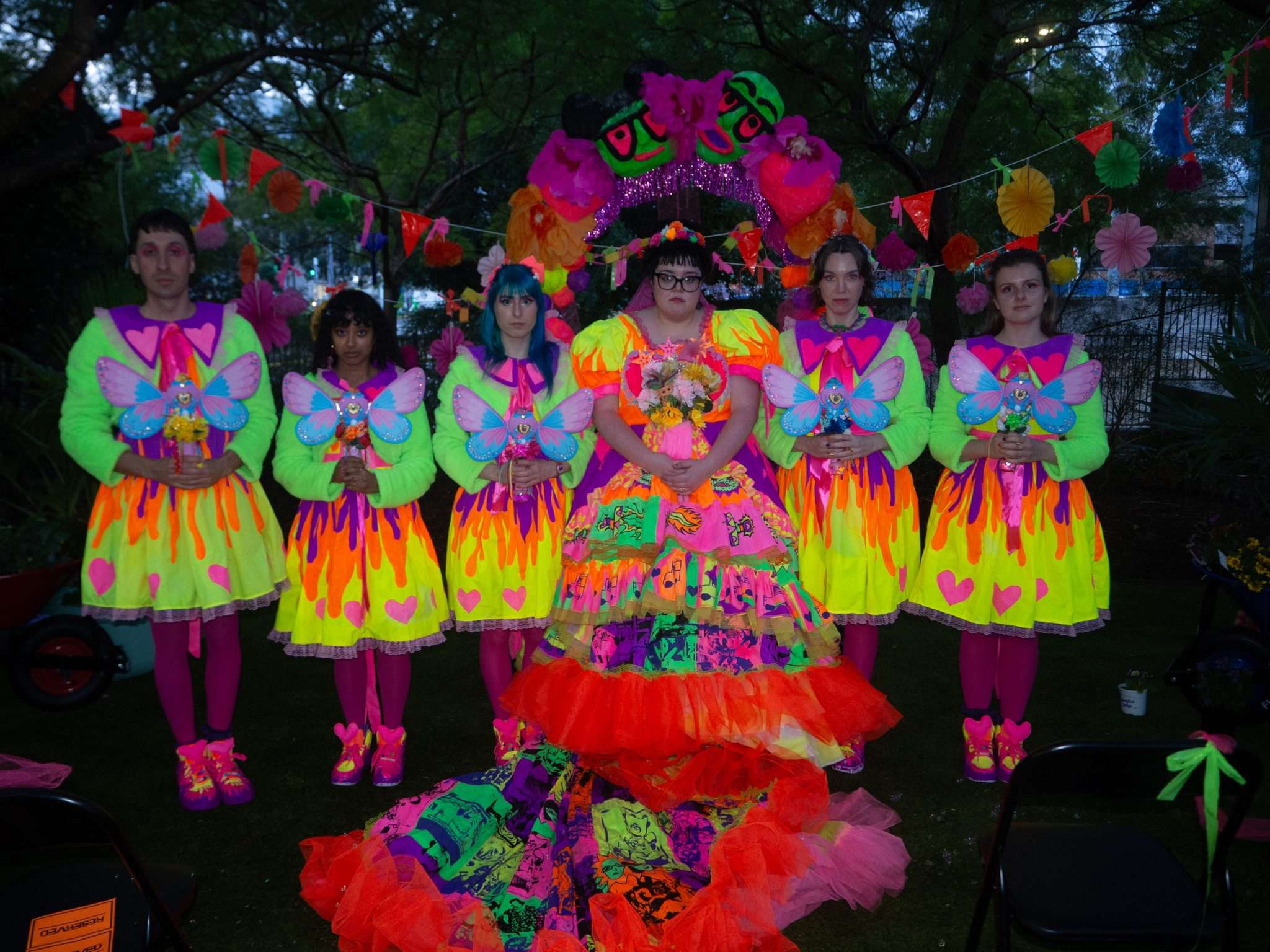
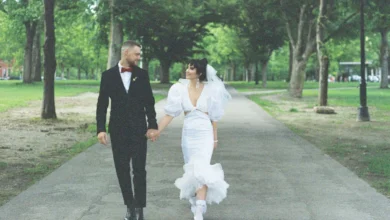
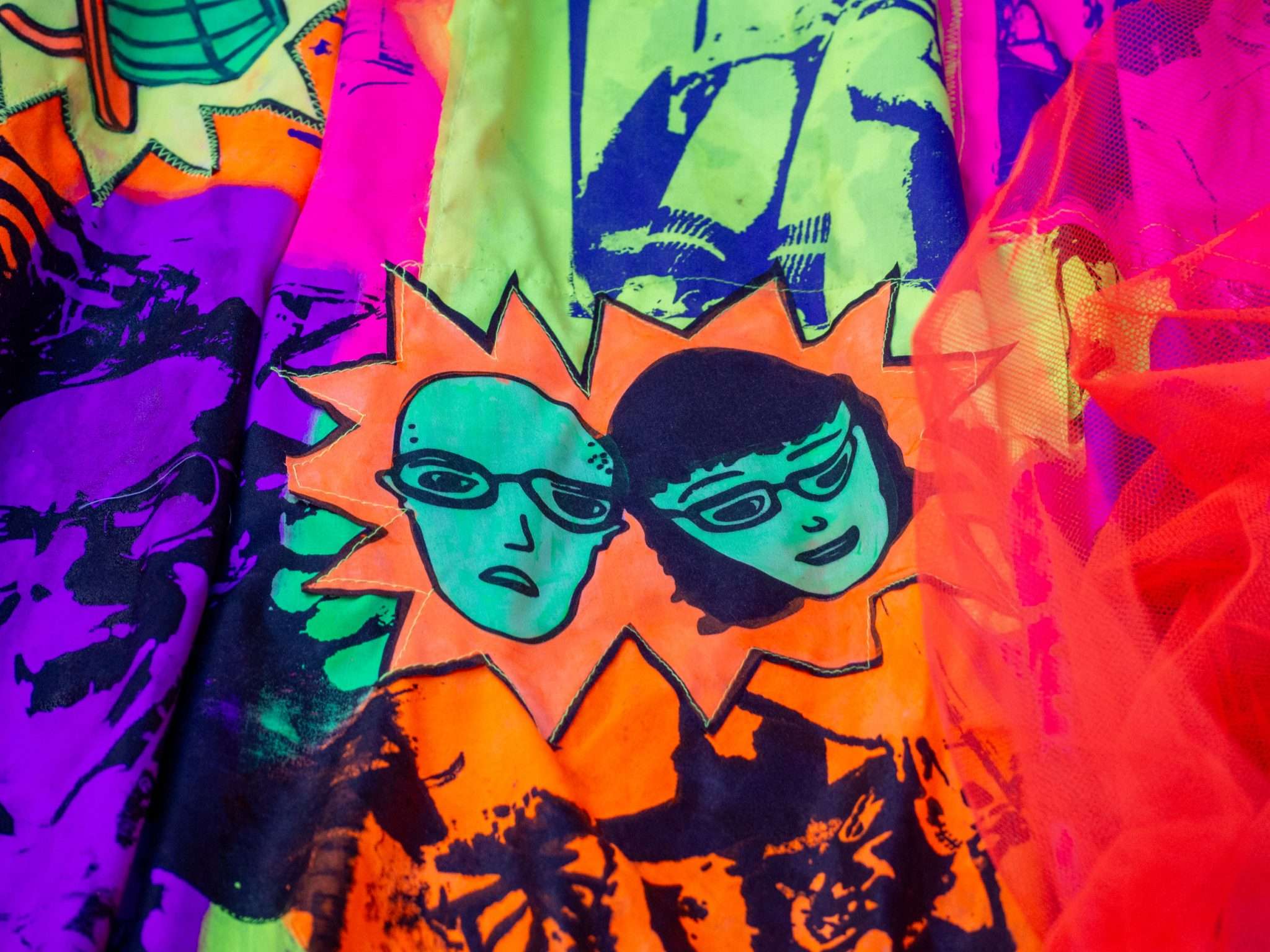
The groom and his party wore thrifted suits, complemented by shirts dyed by Daniel and custom bows crafted by Daisy. The collaborative nature of their attire—specifically the hand-painted wedding dress and customized platform trainers—emphasized a rejection of the traditional separation of the couple’s preparations. By choosing to craft their ensembles together in their own living space, they intentionally bypassed the industry-standard "first look" tradition in favor of shared artistic creation.
Challenging Social Norms and Industry Standards
The lead-up to the wedding was characterized by external pressures, with the couple reporting frequent unsolicited commentary regarding their choices. Specifically, Daisy faced criticism regarding the non-traditional nature of a handmade dress and social expectations surrounding the physical height difference between the couple.
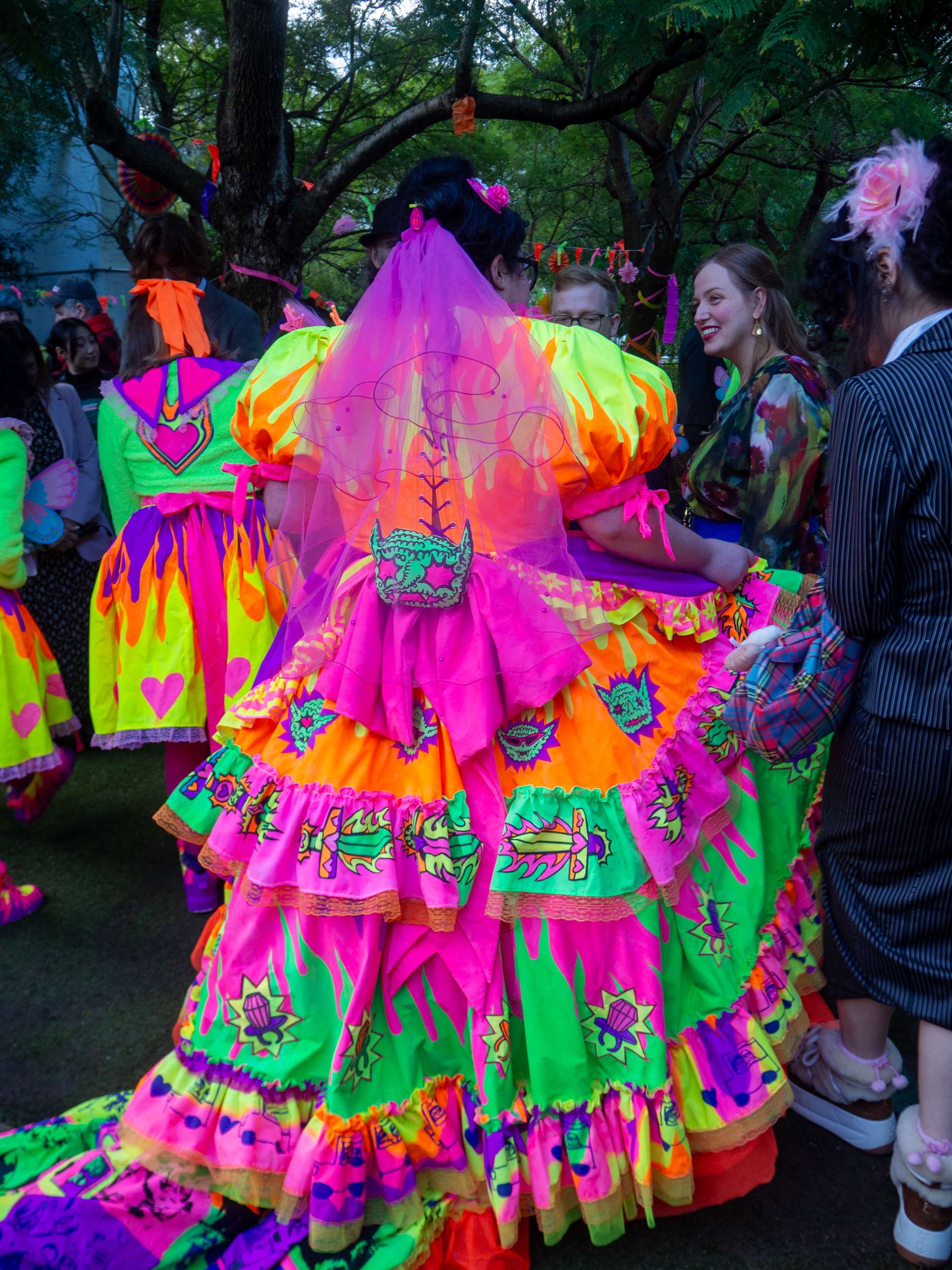
Sociologists often point to these types of reactions as evidence of the rigid societal scripts that still govern the "wedding industrial complex." When individuals deviate from these scripts—whether through the venue, the dress, or even the choice of engagement ring—they often encounter friction from traditionalists. In this instance, the couple’s choice of a Ring Pop as an engagement token, rooted in Daisy’s preference for practical, non-jewelry-wearing comfort while working with art supplies, served as a lightning rod for criticism. Their response—a public rejection of the "diamond-standard" of engagement—reflects a broader movement among millennials and Gen Z to decouple consumerist expectations from the emotional legitimacy of a union.
Reception and Community Integration
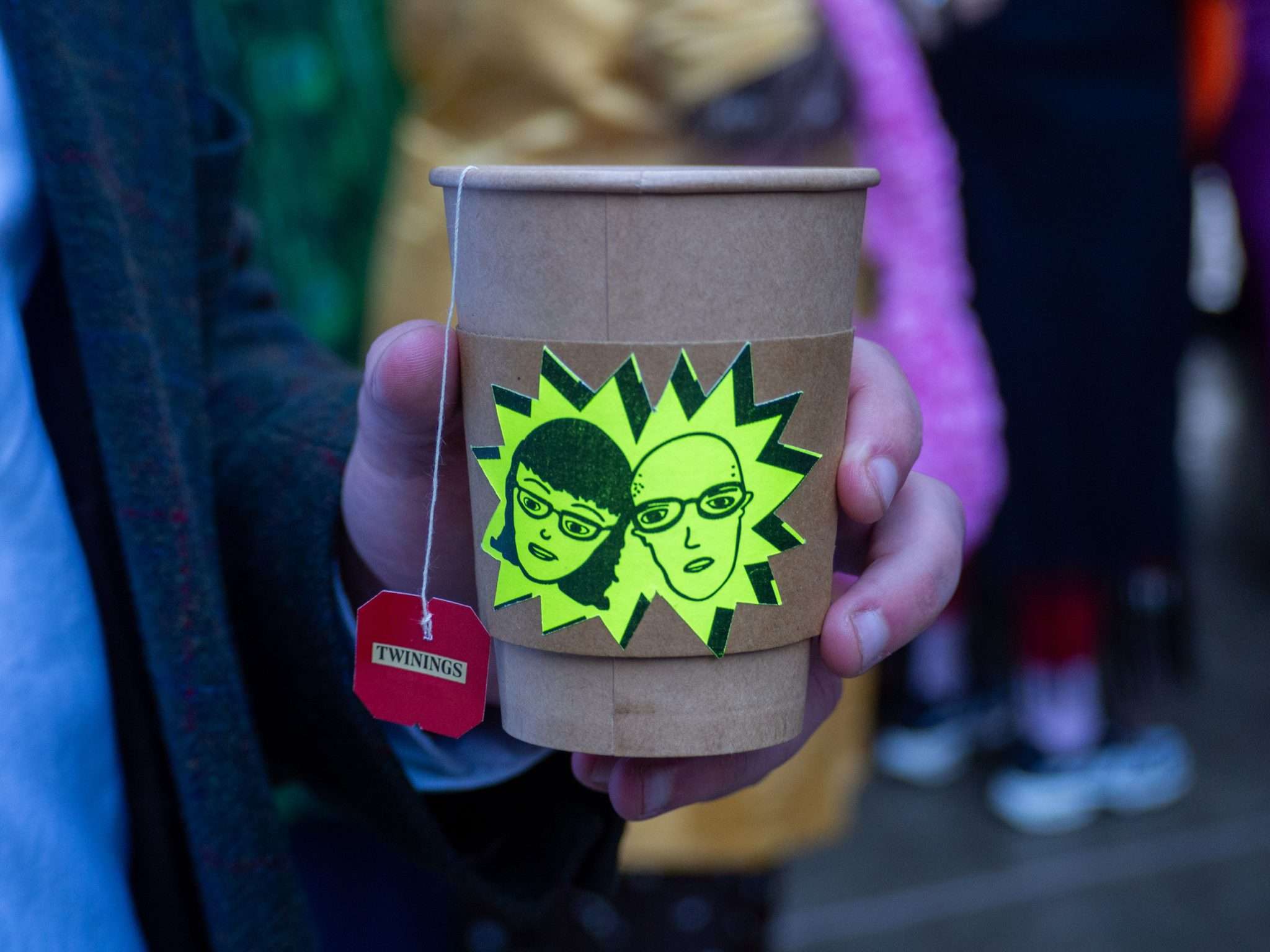
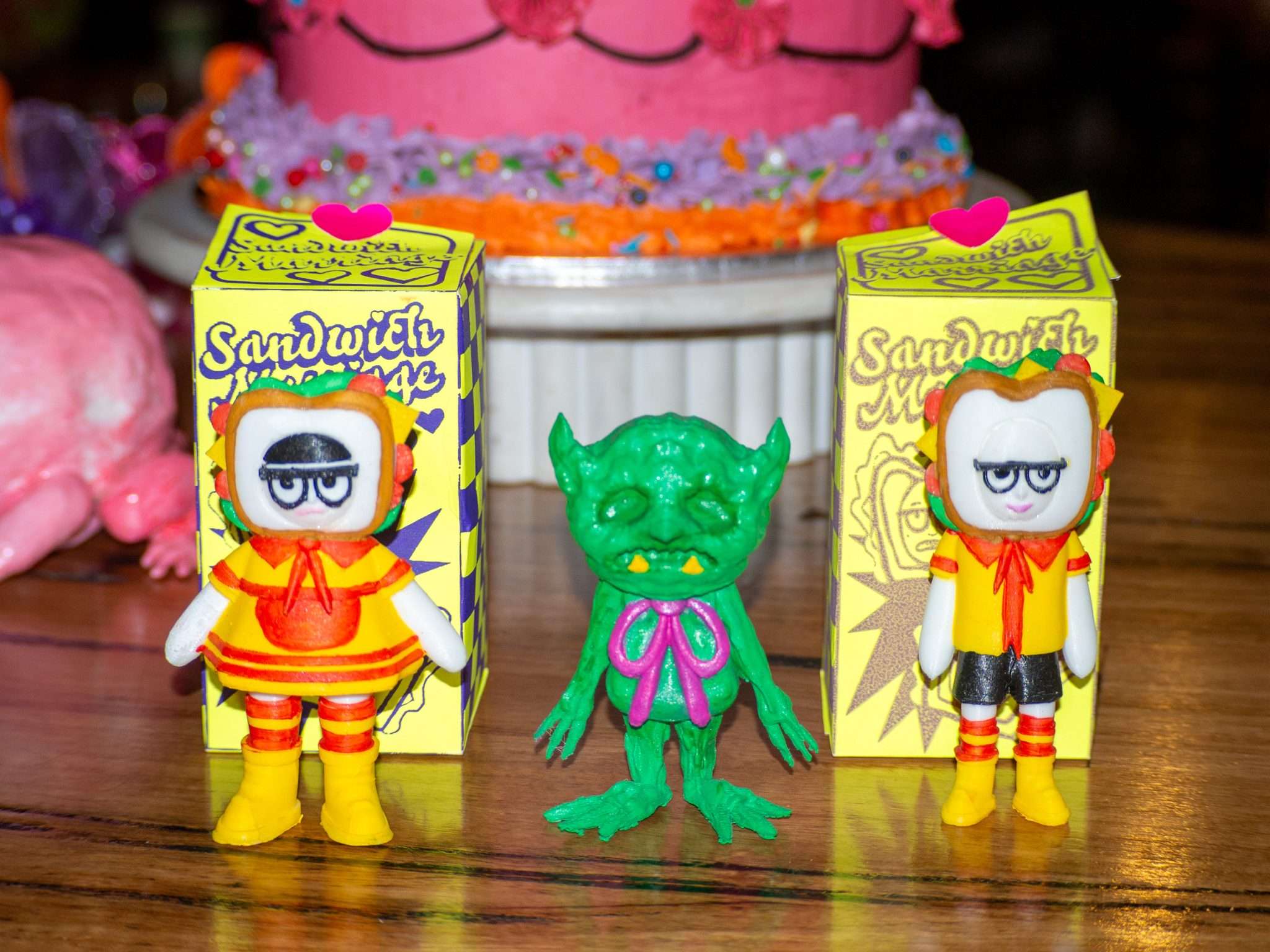
Following the ceremony, the transition to a local venue for a "Sandwich Marriage Meal" further reinforced the couple’s commitment to their personal brand of creativity. By screen-printing their own meal boxes and designing custom 3D-printed toys, they successfully translated the ethos of their novelty band, "Sandwich Magic," into a tangible guest experience.
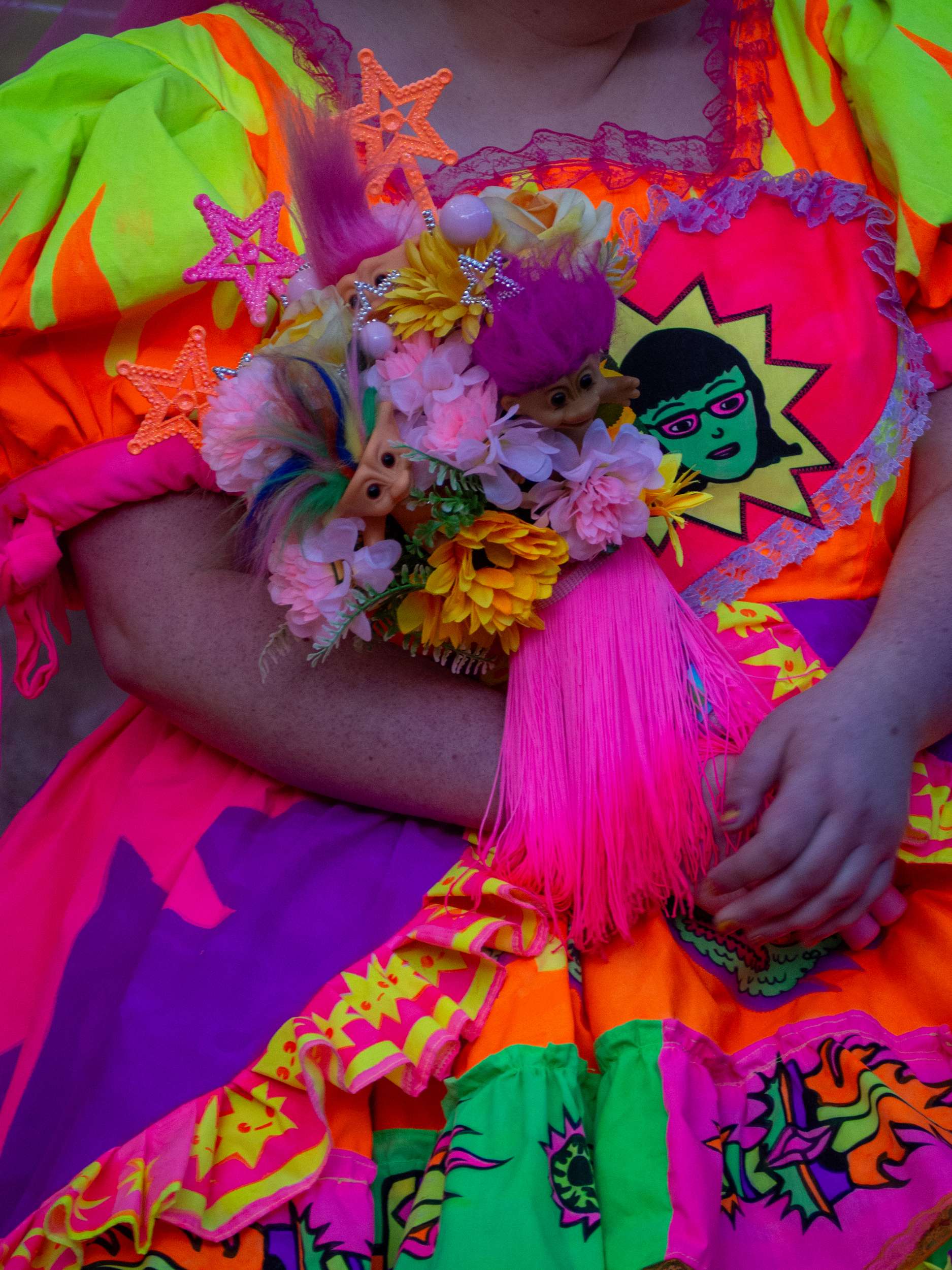
This approach to the reception provides insight into the "experience economy" within the wedding sector. Rather than investing in high-cost catering and luxury venues, the couple prioritized high-concept, low-cost engagement strategies. The use of fake flowers and second-hand trinkets, such as the inclusion of Troll Dolls in the bouquet, further emphasized a commitment to sustainability and the repurposing of existing objects over the consumption of new, single-use materials.
The Broader Impact of Unconventional Venues
The Bunnings wedding serves as a contemporary manifestation of "anti-wedding" sentiment—not in the sense of rejecting the marriage, but in rejecting the commodification of the ceremony. While hardware stores are unlikely to become the next wedding industry juggernaut, the event underscores a shift in how public and commercial spaces are being reimagined for private significance.
From a macroeconomic perspective, the wedding industry in Australia remains a multi-billion dollar sector. However, as the cost of living increases, more couples are likely to adopt the "chaotic and punk" approach taken by Daisy and Daniel. By utilizing existing skills—such as zine fair organization, graphic design, and sewing—couples are finding ways to host memorable events without the fiscal strain of traditional wedding planning.
Conclusion and Cultural Implications
The success of this event suggests that the value of a wedding is increasingly being measured by the couple’s ability to express their authentic identity rather than their adherence to traditional markers of wealth and formality. The Bunnings Warehouse wedding is a testament to the fact that, with enough ingenuity, the most mundane of spaces can be elevated through personal history and artistic intent.
As the wedding industry continues to evolve, we can expect to see more of these "DIY fever dreams." The implications for venue owners, service providers, and planners are significant; there is a growing demand for flexibility, and a decreasing tolerance for the rigid, high-cost templates that have defined the industry for decades. For Daisy and Daniel, the result was a day that felt, in their own words, "super far out" and, more importantly, entirely theirs. Whether or not other couples follow suit, the event stands as a clear indicator that the definition of a "traditional" wedding is becoming increasingly fluid, driven by a generation that values personal narrative over industry convention.