Urban Outfitters Bolsters Sheffield Retail Landscape with New Flagship Store in Heart of the City Development

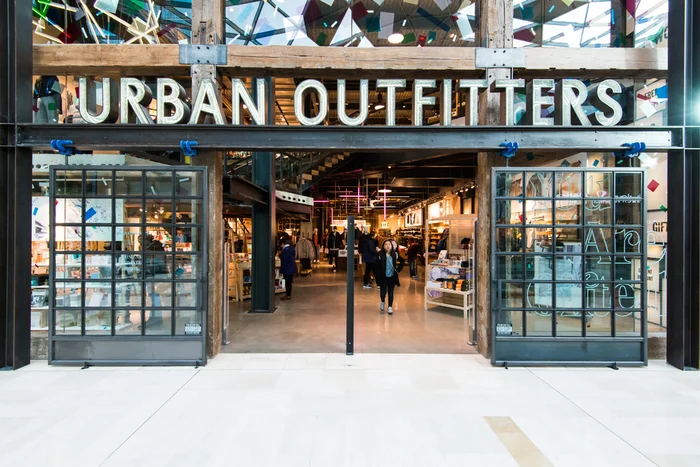
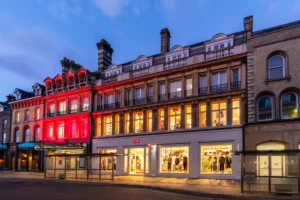
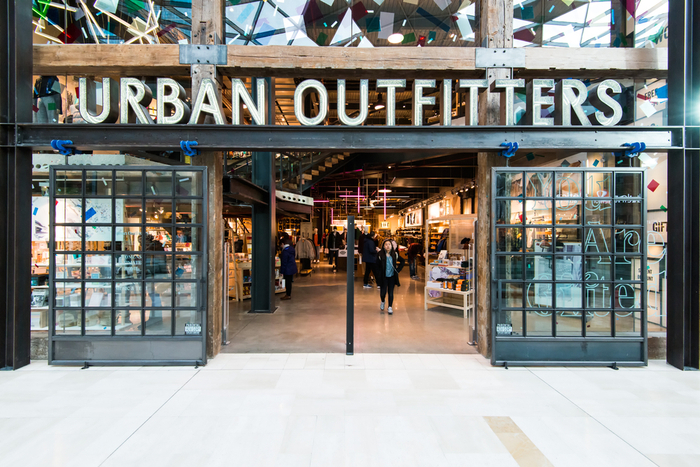
The landscape of South Yorkshire’s retail sector has reached a significant milestone as global lifestyle brand Urban Outfitters officially signs a lease to join the flagship Heart of the City regeneration project in Sheffield. This strategic move, confirmed by Sheffield City Council and its asset management partner RivingtonHark, involves the acquisition of 8,500 square feet of prime retail space. The addition of the high-profile international retailer serves as a cornerstone for the multi-million-pound redevelopment scheme, which aims to reposition Sheffield city centre as a leading destination for commerce, leisure, and urban living in the North of England.
The inclusion of Urban Outfitters is part of a calculated effort to curate a diverse tenant mix within the Heart of the City’s retail districts. The brand joins an increasingly prestigious roster of occupants, including the iconic outdoor label Fjallraven, global fashion brand Superdry, and the ethically conscious independent retailer Lucy & Yak. This blend of international powerhouses and niche, regional brands reflects a modern approach to urban planning, moving away from traditional high-street models toward a more specialized, experiential retail environment designed to appeal to a broad demographic of residents, students, and visitors.
The Strategic Vision of Heart of the City
The Heart of the City project, spanning approximately 1.5 million square feet, represents one of the most ambitious municipal-led regeneration schemes in the United Kingdom. Driven by Sheffield City Council, the initiative is designed to reverse decades of retail decentralization that saw footfall migrate toward out-of-town shopping centers like Meadowhall. By focusing on a mixed-use masterplan, the council has transformed the city’s core into a concentrated hub of activity.
According to data provided by RivingtonHark, the development is not merely a retail destination but a holistic urban ecosystem. It currently encompasses over 330,000 square feet of occupied high-grade workspace, alongside a burgeoning collection of bars, cafes, restaurants, and leisure experiences. Residential components, including high-end apartments and townhouses, have been integrated to ensure the area remains vibrant outside of standard business hours, fostering a "24-hour" city culture that is essential for sustainable economic growth.
The 8,500-square-foot Urban Outfitters store is expected to occupy a prominent position within the development, acting as a major anchor that will likely stimulate further interest from other global brands. The retailer’s decision to commit to Sheffield underscores a growing confidence in the city’s economic trajectory and its ability to support premium retail offerings despite broader national trends of high-street contraction.
A Chronology of Regeneration: From Concept to Commercial Reality
The journey to secure Urban Outfitters began years ago with the inception of the "Heart of the City II" masterplan. To understand the significance of this lease agreement, one must look at the timeline of Sheffield’s urban evolution:
- Phase One Completion (2000s): The original Heart of the City project saw the creation of the Peace Gardens, the Winter Garden, and St Paul’s Tower. While successful, it left a significant gap in the city’s retail and commercial core.
- The Masterplan Pivot (2014-2016): After previous private-sector-led retail schemes failed to materialize following the 2008 financial crisis, Sheffield City Council took the bold step of becoming the lead developer. This ensured that the project would be shaped by the city’s specific needs rather than purely by speculative profit.
- Demolition and Infrastructure (2017-2019): Significant site preparation took place, including the demolition of the outdated Grosvenor House hotel. This cleared the way for modern office blocks, such as the one now housing HSBC’s regional headquarters and the law firm CMS.
- The Rise of Mixed-Use (2020-2022): Despite the challenges posed by the COVID-19 pandemic, construction continued. The strategy shifted to prioritize "experience-led" retail and leisure, acknowledging the rise of e-commerce.
- Anchor Tenant Acquisition (2023-Present): The focus turned to filling the street-level units. The arrival of brands like Fjallraven and now Urban Outfitters marks the realization of the project’s retail ambitions.
Economic Context and Demographic Synergy
The selection of Urban Outfitters is particularly astute given Sheffield’s unique demographic profile. As the home to two major institutions—the University of Sheffield and Sheffield Hallam University—the city boasts a student population exceeding 60,000. Urban Outfitters’ target market of "educated, urban-minded young adults" aligns perfectly with this cohort. Furthermore, the presence of over 330,000 square feet of new office space brings thousands of high-earning professionals into the city centre daily, providing a steady stream of weekday footfall.
Data from the Sheffield City Council’s economic reports suggest that the regeneration project aims to create up to 7,000 jobs by 2030. By attracting international brands, the city is not only creating immediate retail roles but also enhancing the "place-making" appeal that encourages corporate entities to relocate their headquarters to Sheffield, thereby driving higher-value employment in the professional services sector.
The financial structure of the deal also reflects a modern partnership between the public and private sectors. RivingtonHark, acting as the asset management partner, has been instrumental in negotiating leases that balance commercial viability with the council’s long-term social and economic goals.
Perspectives from Project Leadership
The successful signing of Urban Outfitters has been met with praise from the leaders responsible for the city’s transformation. Sean McClean, the Director of Regeneration and Development at Sheffield City Council, emphasized the sustained momentum of the project.
"It is great to see the momentum surrounding our Heart of the City project shows no signs of slowing down, as we see another retailer secured to move into the development," McClean stated. He noted that this latest acquisition builds upon a series of recent openings that have cumulatively increased the city’s retail diversity. "Our aim was to transform and regenerate the area of the city centre, bringing people back into Sheffield, and we’ve done just that. The city centre is a fantastic place for people to live, work, and enjoy."
Laurence Jones, Portfolio Director at RivingtonHark, highlighted the broader implications for the city’s reputation on the national stage. Jones pointed out that RivingtonHark is currently working with ten local councils across the UK, but Sheffield stands out as a flagship location.
"At RivingtonHark, we are a trusted partner among local authorities for delivering long-term value across complex regeneration projects," Jones said. "Together with Sheffield City Council, we have helped transform the city centre into a flagship location for offices, retail, leisure, and F&B operators. With international brands such as Urban Outfitters queuing to become part of Heart of the City, complemented by cutting-edge regional and independent brands, we look forward to announcing more new arrivals as we continue to transform the city centre."
Analysis: Implications for the Future of Urban Retail
The arrival of Urban Outfitters in Sheffield is more than a simple real estate transaction; it is a case study in the resilience of the physical store when integrated into a high-quality urban environment. While many UK high streets have struggled with vacancies, Sheffield’s Heart of the City has succeeded by curating an environment that cannot be replicated online.
The proximity of the new store to leisure destinations like the Cambridge Street Collective—a massive food hall featuring independent vendors—and Leah’s Yard—a hub for local makers and creatives—creates a "synergy of discovery." Shoppers are drawn to the area not just to buy a specific item, but to participate in a social and cultural experience.
From a competitive standpoint, this development allows Sheffield to reclaim its status as a primary retail destination in the North, narrowing the gap with neighboring cities like Leeds and Manchester. For Urban Outfitters, the move represents a strategic expansion into a city that is currently undergoing a "renaissance," allowing the brand to establish a foothold in a market with high growth potential and relatively low saturation compared to London or the South East.
Broader Impact and Social Value
Beyond the commercial metrics, the regeneration of the city centre carries significant social value. By repurposing underutilized land and replacing dilapidated structures with energy-efficient, modern buildings, the council is addressing environmental sustainability goals. The increased footfall and activity also contribute to a safer, more vibrant public realm, reducing the social issues often associated with declining urban centers.
As the Heart of the City project nears its final phases of completion, the focus will likely shift toward maintaining the quality of the public realm and ensuring that the mix of tenants continues to evolve with consumer tastes. The successful integration of Urban Outfitters serves as a powerful signal to the market that Sheffield is open for business, commercially viable, and ready to compete on a global scale.
With more announcements expected in the coming months regarding food, beverage, and leisure operators, the Heart of the City development is poised to remain at the forefront of the UK’s urban regeneration conversation. The transformation of Sheffield from a traditional industrial hub into a modern, lifestyle-oriented city is now firmly evidenced by the blue-chip brands choosing to call its city centre home.
Related posts: