When Someone You Love Can’t Come to Your Wedding: Navigating Declines with Grace and Perspective


The modern wedding landscape has undergone a significant transformation over the last decade, with an increasing number of couples opting for non-traditional, destination, or highly curated, adults-only celebrations. As these logistical choices become more common, they simultaneously increase the probability that some invited guests will be unable to attend. While the excitement of planning a landmark life event is a central focus for any couple, the reality of guest attendance requires a sophisticated approach to interpersonal dynamics, empathy, and social etiquette.
The Changing Landscape of Wedding Attendance
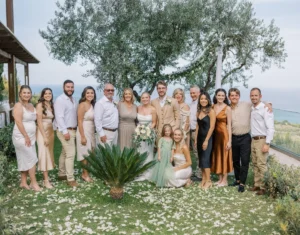
Data from recent wedding industry reports indicates that destination weddings—defined as celebrations held at least 100 miles away from the couple’s primary residence—have surged in popularity. Industry statistics suggest that approximately 20 to 25 percent of all weddings in the United States and Europe now qualify as destination events. This shift in format inherently places a heavier burden on guests regarding financial expenditure, travel logistics, and time off from work.

Simultaneously, the trend toward "adults-only" receptions has gained traction. While these choices reflect a couple’s desire to curate a specific atmosphere, they often conflict with the realities of the modern family unit. For friends or relatives with infants or young children, the logistical hurdle of securing childcare for a multi-day or international event can render attendance impossible. When these factors intersect with personal financial constraints or health-related obstacles, the result is often a decline in an RSVP that, while painful for the couple, is rarely a reflection of the strength of the relationship.
The Psychology of the Decline
It is a common misconception that a decline in attendance is a personal slight or a measure of the guest’s affection for the couple. Psychologists often emphasize that when a guest communicates an inability to attend, they are frequently managing their own internal conflict.
In many instances, the individual declining the invitation has spent weeks, if not months, attempting to reconcile their desire to celebrate with their personal limitations. Whether the barrier is the high cost of international airfare during peak season, the physical exhaustion associated with postpartum recovery, or the complex management of chronic health conditions, the guest often feels a profound sense of failure. In many cases, the act of informing the couple is a source of significant anxiety, and the decline is typically accompanied by genuine remorse rather than indifference.

Chronology of Conflict: From Planning to Regret
The friction often begins in the early stages of wedding planning. The following timeline outlines how these conflicts typically manifest:
- Announcement and Invitations: The couple announces a specific, potentially high-barrier-to-entry event (e.g., a destination wedding in Europe).
- The Calculation Phase: Guests assess their personal circumstances—financial liquidity, family obligations, and physical health.
- The Internal Struggle: The guest weighs the importance of the event against their current capacity, often searching for solutions like family childcare or alternative travel arrangements.
- The Communication: The guest reaches out, often expressing their inability to attend.
- The Reaction: The couple, emotionally invested in their "perfect day," may initially view the decline as a lack of support, potentially leading to social friction.
Statistical Realities and Guest Capacity
According to industry surveys, the average guest list size is approximately 120 to 150 people. However, when a wedding is held abroad, the acceptance rate can drop by as much as 40 to 60 percent. This is a predictable outcome for which many wedding planners advise couples to prepare.
When couples choose to prioritize their specific vision—whether that includes an exclusive guest list, specific geographic locations, or strict age requirements—they are implicitly accepting the statistical probability of a higher decline rate. Professionals in the event industry emphasize that this is a trade-off: the couple gains the specific experience they desire at the cost of broader guest accessibility.

Broader Implications and Long-Term Relationships
The long-term health of friendships depends on the ability of the couple to separate their wedding day from the totality of their relationships. A wedding, while a significant milestone, is effectively one day in the lifespan of a friendship. When a friend or family member cannot attend, it is rarely an act of malice. It is, more often than not, a reflection of the limitations imposed by life’s unpredictable events.
Sociological observers note that "ride-or-die" relationships are defined by how individuals support one another through the mundane and the difficult, not merely by presence at a singular celebratory event. Expecting friends to overcome significant financial or physical hardships to attend a wedding can, in some cases, strain the foundation of the relationship. Conversely, reacting with grace and understanding when a guest is unable to attend strengthens the bond by demonstrating that the relationship is valued more than the event itself.
Managing Expectations: A Professional Perspective
Wedding planners and etiquette experts frequently advise couples to "remove the wedding blinkers." This entails recognizing that the importance one assigns to their wedding is not necessarily the same importance it holds for others, nor does it override the personal crises others may be experiencing.

- Financial Stress: The current global economic climate has impacted the discretionary spending of many. A guest who is struggling with inflation or job instability may be unable to justify the cost of travel, regardless of their love for the couple.
- Health and Wellness: Following the increased focus on mental and physical health in recent years, more individuals are setting boundaries regarding travel, particularly those dealing with chronic illness or burnout.
- Family Dynamics: As noted previously, the rise of the "adults-only" trend has made attendance difficult for those in the early stages of parenthood, who may face limited childcare options.
Conclusion
Ultimately, the goal of a wedding is to celebrate a new chapter of life with those who matter most. However, the definition of "mattering most" must include an acknowledgement of the humanity of one’s guests. When a loved one cannot attend, the most constructive response is one of empathy.
By understanding that the reasons for a decline are almost always external and beyond the guest’s control, couples can preserve their most important relationships long after the wedding cake is eaten and the venue is cleared. The measure of a successful celebration is not found solely in the attendance list, but in the enduring strength of the relationships that survive the pressures of the planning process. A wedding is a fleeting, momentous occasion, but the people who stand by you throughout your life are the ones who truly define the journey. Choosing to prioritize these individuals—even when they cannot show up in the way you originally envisioned—is the hallmark of a resilient and compassionate partner.