The Great Clean-Label Transformation: Why Major Food Brands Are Ditching Synthetic Dyes

The global food industry is undergoing its most profound aesthetic and formulation overhaul in decades as legacy brands and retail giants systematically phase out artificial food dyes in favor of plant-based and natural alternatives. Driven by a confluence of tightening state regulations, shifting consumer preferences, and mounting scientific scrutiny surrounding synthetic additives, the movement away from petroleum-based colorings has transitioned from a niche marketing trend into a mandatory operational strategy. Major retailers, including retail behemoths Target and Walmart, have enacted sweeping corporate pledges to purge synthetic colors from their private-label offerings. Concurrently, state-level legislative actions—most notably California Assembly Bill 418—have transformed the regulatory landscape, compelling multinational food conglomerates to reformulate iconic household brands across cereal, snack, and confectionery categories.
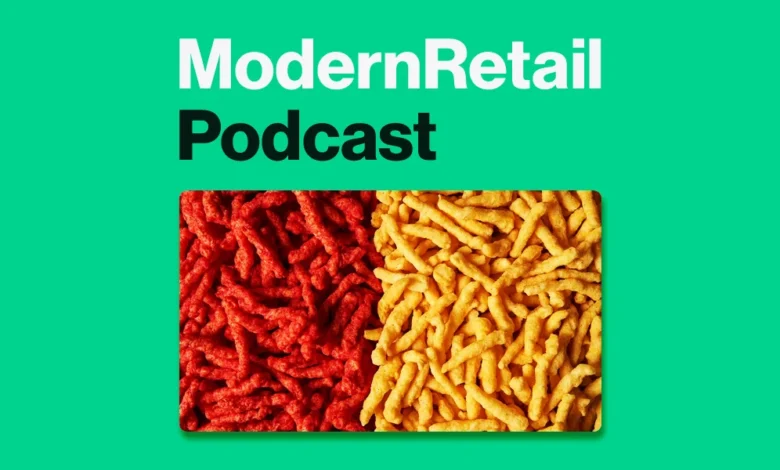
This seismic shift presents complex supply chain hurdles, technological hurdles regarding product appearance and shelf life, and strategic financial investments. To unpack the mechanics of these policy changes, the latest episode of the Modern Retail Podcast features senior reporter Gabi Barkho in conversation with Paris Martineau, an investigative reporter at Consumer Reports specializing in food safety policy and consumer harms. Together, they examine the intersection of legislation, corporate responsibility, and consumer demand that is reshaping supermarket aisles across the United States.
Background Context of the Synthetic Dye Debate
The widespread use of synthetic food dyes in Western diets dates back to the mid-20th century, when petroleum-derived colorings offered manufacturers a cheap, highly stable, and intensely vibrant way to standardize products. Dyes such as Red No. 40, Yellow No. 5, Yellow No. 6, and Blue No. 1 became ubiquitous in everything from breakfast cereals and sports drinks to candies, baked goods, and even pickles. These artificial additives ensured batch-to-batch visual consistency—a vital component of consumer brand recognition and appetite appeal—while withstanding high-heat manufacturing processes and extended shelf storage without fading.
However, public health advocacy groups and scientific researchers have long scrutinized the safety profiles of these chemical agents. Concerns have historically centered on potential links to behavioral issues in children, including hyperactivity, as well as allergic reactions and long-term carcinogenic risks associated with certain coal-tar derivatives. While federal oversight bodies, such as the U.S. Food and Drug Administration (FDA), have traditionally maintained that these additives are safe within established consumption limits, growing consumer skepticism and international regulatory divergences have created immense pressure for change. The European Union, for instance, has long required warning labels on foods containing certain synthetic dyes, effectively pushing European food manufacturers to adopt natural alternatives years ahead of their American counterparts.
Chronology of Regulatory Pressures and Corporate Pledges
The current acceleration in clean-label reformulations is the culmination of years of escalating pressure from consumer advocacy organizations, state legislatures, and major retail buyers.
The timeline of this transition highlights a distinct acceleration over the past decade:
- Early 2010s: Pioneer organic and natural brands begin marketing products free of synthetic colors, proving that consumer demand for cleaner labels exists, albeit primarily in natural food stores.
- Mid-to-Late 2010s: Major national brands, responding to initial waves of consumer petitions, make voluntary, piecemeal announcements to remove artificial dyes from select product lines, though progress remains slow due to cost and formulation challenges.
- October 2023: California Governor Gavin Newsom signs Assembly Bill 418 (AB 418), also known as the California Food Safety Act, into law. The legislation establishes a landmark state-level ban on specific chemical additives and colorings—such as brominated vegetable oil, potassium bromate, propylparaben, and red dye no. 3—setting an effective enforcement deadline of January 1, 2027.
- 2023–2024: Prompted by the California ruling and the reality of a fragmented U.S. regulatory market, national retailers like Walmart and Target announce aggressive internal timelines to purge synthetic dyes from their private-label portfolios to maintain interstate compliance and satisfy consumer expectations.
- Present Day: Legacy food conglomerates across cereal, snack, and confectionery sectors engage in massive, capital-intensive research and development efforts to reformulate core flagship products without alienating consumers who expect a specific visual and taste experience.
Supporting Data and Consumer Demand Metrics
Market research underscores that this shift is not merely a public relations exercise, but a direct response to fundamental changes in consumer behavior. According to recent industry surveys conducted by clean-label advocacy groups and market research firms, more than 70 percent of U.S. consumers actively check ingredient labels before purchasing packaged foods, with a significant majority stating they prefer products colored with natural ingredients derived from fruits, vegetables, and spices.
Furthermore, economic data indicates that clean-label products consistently outperform their conventional counterparts in year-over-year growth. Sales of foods marketed with claims such as "no artificial colors" or "natural coloring" have expanded at a rate nearly triple that of the broader packaged food sector. This commercial momentum has forced legacy food producers to reallocate significant research and development budgets toward ingredient sourcing. Natural colorants—derived from sources like beet juice, turmeric, spirulina, anthocyanins from purple carrots, and paprika extract—now represent one of the fastest-growing segments in the global food additives market, projected to surpass billions of dollars in valuation over the next decade.
The Complexities of Reformulation and Supply Chain Hurdles
Despite the clear consumer and regulatory tailwinds, transitioning away from synthetic dyes is fraught with technical difficulties. Food science experts note that natural colorants behave very differently than their synthetic predecessors. While petroleum-based dyes are chemically robust, natural pigments are often sensitive to light, heat, pH changes, and oxygen exposure.
When a manufacturer replaces a synthetic red dye with beetroot extract in a fruit-flavored snack, for example, the product may experience color degradation when exposed to fluorescent supermarket lighting or high-temperature shipping conditions. This can result in fading, browning, or uneven coloring over the course of the product’s shelf life. Additionally, natural colorants can introduce unintended flavor or aroma profiles. Turmeric can impart an earthy undertone, while spirulina can carry subtle vegetal notes, requiring food scientists to recalibrate flavoring agents to ensure the final product tastes identical to the original version.
Sourcing presents another monumental challenge. Scaling up the agricultural production of specialized crops—such as high-pigment carrots, black currants, or specific varieties of algae—requires long-term supply chain contracts with agricultural producers. Unlike synthetic laboratories, which can scale production rapidly based on demand, natural color supply chains are subject to weather, crop yields, and agricultural price volatility. Consequently, food manufacturers must navigate a more expensive and volatile procurement landscape while attempting to maintain competitive retail pricing for budget-conscious shoppers.
Official Responses and Industry Reactions
Reactions from the broader food industry reflect a mixture of adaptation and caution. Trade associations representing major food and beverage manufacturers have consistently emphasized the industry’s commitment to safety and innovation, while frequently arguing for uniform federal standards rather than a patchwork of state-level regulations.
Representatives from major consumer advocacy groups, however, praise the proactive stances taken by retailers like Walmart and Target. Consumer watchdogs argue that retailer-led policies effectively create a de facto national standard, compelling brands that wish to maintain shelf space in major retail chains to clean up their formulations regardless of whether their home state has enacted an explicit ban. During the latest episode of the Modern Retail Podcast, Paris Martineau of Consumer Reports discusses how these dynamic regulatory pressures empower consumers and shift the burden of proof onto manufacturers to demonstrate the long-term safety of their ingredients.
Broader Impact and Market Implications
The widespread elimination of synthetic food dyes carries profound implications for the future of global food manufacturing, retail strategy, and public health policy.
First, the transition accelerates the mainstreaming of clean-label products, effectively redefining baseline expectations for packaged foods. What was once considered a premium attribute—free of artificial colors—is rapidly becoming an industry-wide commodity standard. Brands that lag behind in reformulating their portfolios risk losing shelf space, consumer trust, and relevance in an increasingly health-conscious marketplace.
Second, the regulatory precedent set by California’s AB 418 and similar emerging state bills highlights the ongoing tension between state and federal oversight in the United States. With the FDA facing criticism from public health advocates for moving too slowly on additive reviews, individual states are increasingly stepping into the regulatory void. This dynamic forces multi-state operators to either formulate to the strictest state standard for nationwide distribution or manage complex, fragmented distribution networks—a logistical burden that ultimately favors larger, better-capitalized food corporations over smaller regional players.
Finally, the shift toward natural colorants stimulates innovation within agricultural biotechnology and food science. Investments in fermentation-derived colorants, advanced encapsulation technologies to protect natural pigments from degradation, and proprietary botanical breeding programs are expanding rapidly. These technological advancements will not only solve current manufacturing challenges but will also yield a new generation of stable, vibrant, and health-aligned ingredients that will define the supermarket shelves of the future. As legacy brands complete their multi-year overhauls, the era of petroleum-derived food colorings is drawing to a definitive close, marking a new chapter in how the global food industry balances aesthetic appeal, commercial viability, and consumer well-being.