Rihanna and her daughter Rocki Irish Mayers make history in the new Dior Lady Dior 2027 campaign

The intersection of global pop culture and high-fashion heritage reached a new milestone on November 19, 2026, as Dior unveiled its latest campaign for the iconic Lady Dior handbag. Featuring the multi-hyphenate mogul Rihanna alongside her 14-month-old daughter, Rocki Irish Mayers, the campaign marks a significant departure from the brand’s traditional advertising aesthetic. While Rihanna has served as a house ambassador for over a decade—having fronted her first campaign in 2015 and becoming the face of J’adore in 2024—this collaboration represents her debut for the Lady Dior, a piece that has defined the brand’s identity for over three decades.
The campaign, captured by photographer Sam Rock under the creative direction of Jonathan Anderson, utilizes a visual narrative that emphasizes themes of legacy and the multifaceted nature of femininity. According to industry reports, the imagery features the pair in coordinated silhouettes: Rihanna, styled by Benjamin Bruno and Jahleel Weaver, wears an oversized black leather jacket layered over a maroon slipdress, while young Rocki is outfitted in a miniature version of the same ensemble. The artistic direction, further supported by a film directed by Melina Matsoukas, focuses on the intimate bond between mother and child, framing the handbag not merely as an accessory, but as a symbolic heirloom.
A Chronology of the Lady Dior Legacy
The history of the Lady Dior is inextricably linked to diplomatic history and royal influence, a narrative that continues to evolve with this latest campaign. Originally introduced in 1995, the bag was designed by Gianfranco Ferré and was initially known by the internal moniker "Chouchou," a French term of endearment. However, the trajectory of the accessory shifted dramatically in September 1995, when Bernadette Chirac, the First Lady of France, presented a version of the bag to Diana, Princess of Wales, during the opening of a Cézanne exhibition in Paris.
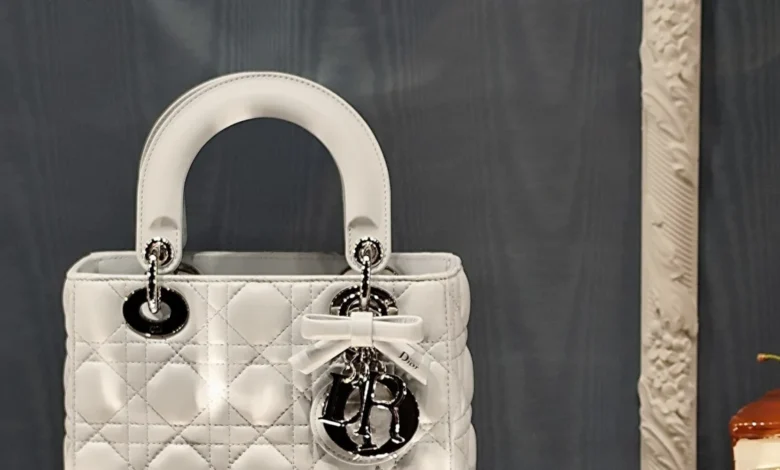
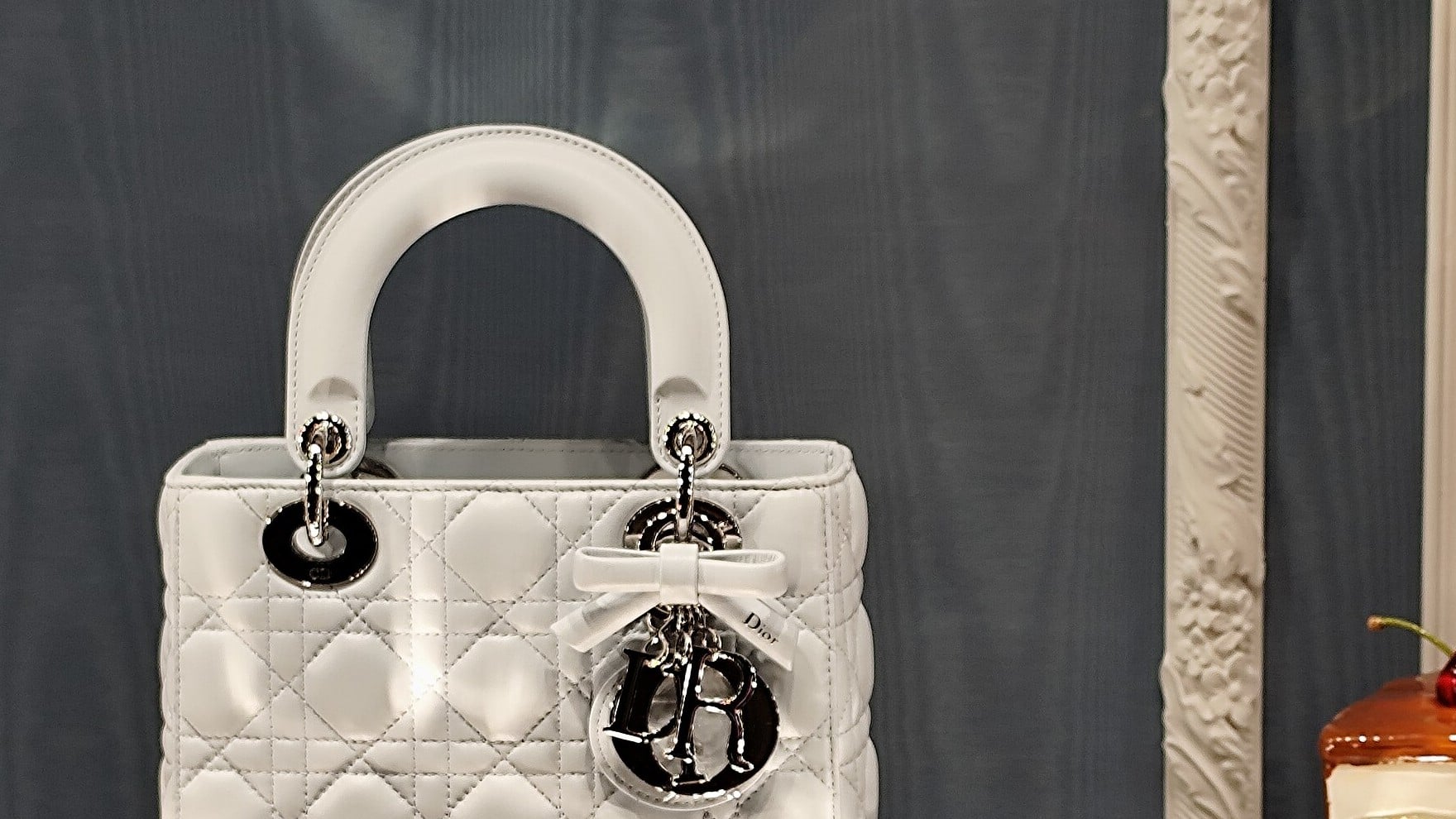
The Princess was frequently photographed carrying the bag during her subsequent travels, most notably during an official visit to Birmingham, England. The international press coverage of the Princess with the bag effectively turned the item into a global sensation. By 1996, in an official nod to the woman who had transformed the bag into a cultural icon, the House of Dior renamed it the "Lady Dior." Since then, the bag has remained a staple in the luxury market, characterized by its signature cannage stitching, architectural shape, and silver-toned D.I.O.R. charms.
The inclusion of Rihanna and her daughter into this lineage represents the house’s effort to bridge the gap between traditional royal-adjacent branding and contemporary celebrity-driven luxury. As stated in the official campaign materials released on November 22, 2026, the project seeks to explore "the multidimensionality" of the modern woman, using the prism as a metaphor for the shifting facets of identity.
Strategic Implications and Market Positioning
For Dior, the choice to feature a 14-month-old infant in a high-fashion campaign is a calculated move that resonates with the modern consumer’s interest in the personal lives of public figures. By framing the Lady Dior as an object that spans generations, the brand reinforces the investment value of its heritage pieces. Luxury industry analysts note that such campaigns are designed to deepen the emotional connection between the consumer and the brand, moving beyond functional utility to signify status, legacy, and familial continuity.
The timing of this campaign also coincides with a broader market shift in the luxury sector, where the "celebrity as creative collaborator" model has become a primary driver of engagement. Rihanna’s influence, which extends across music, beauty, and fashion, provides Dior with a level of cultural currency that few other partnerships can achieve. By positioning her as a "prism" of identity, the brand is effectively aligning itself with the diverse, modern demographic of high-net-worth individuals who value versatility and individual expression.
Economic Context: The Luxury Handbag Market
As of November 2026, the Lady Dior remains one of the most sought-after items in the luxury retail space. Pricing for these pieces fluctuates based on material, size, and seasonal releases. For consumers looking to purchase directly from the brand, current pricing structures reflect the premium nature of the materials—typically lambskin or calfskin—and the artisanal labor required for the cannage quilting process.
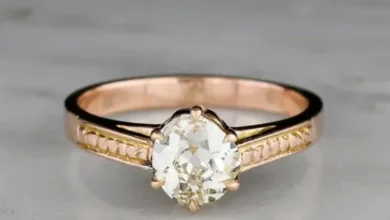
Beyond primary retail, the secondary market for the Lady Dior remains robust. Because the bag has been in production for over 30 years, there is an extensive catalog of vintage pieces available through specialized resale platforms. Investors and collectors often look for specific "pre-owned" markers, including the condition of the hardware, the integrity of the leather quilting, and the presence of original authenticity documentation. As established by previous market trends—such as the enduring value of the Chanel Flap bag or the Hermès Birkin—the Lady Dior’s status as a "cult" accessory ensures that its resale value remains insulated against broader economic volatility, provided the item is well-maintained.
The Role of Provenance in Luxury Value
Provenance is a critical factor in the valuation of fashion items. In the case of the Lady Dior, the Princess Diana connection provides a historical floor for its cultural significance. However, the modern intervention of figures like Rihanna adds a new layer of "celebrity provenance." This phenomenon, where the association with a high-profile individual elevates a garment or accessory, is well-documented. Similar to the cultural impact of the "Jungle Dress" worn by Jennifer Lopez in 2000, which fundamentally altered the digital search landscape, the Rihanna-Dior pairing serves to recontextualize the bag for a new generation of shoppers.
This is not merely a marketing tactic; it is an evolution of brand identity. Dior is effectively demonstrating that its heritage is not static. By utilizing the 2027 campaign to highlight both a veteran ambassador and a new generation, the house suggests that the Lady Dior is as relevant today as it was during its inception in the mid-90s.
Official Responses and Future Outlook
The industry response to the campaign has been largely characterized by an analysis of the brand’s evolving relationship with its ambassadors. While traditional fashion houses were once guarded regarding the private lives of their models, the current climate favors transparency and personal storytelling. Rihanna’s own statement, released via WWD, encapsulates this philosophy: "A lady is a prism. In a way that light shines through a prism and becomes multidimensional, and every color performs at a different angle, there’s no one way to truly define us."
This statement highlights a broader industry shift toward "inclusive luxury," where the definition of the ideal woman is no longer limited to a singular archetype. Instead, it is portrayed as a collection of roles—mother, artist, business mogul, and icon. As Dior moves into the 2027 fiscal year, this campaign serves as a cornerstone for its seasonal strategy. The integration of family elements, combined with the brand’s established commitment to craftsmanship, signals a continued focus on long-term brand equity rather than short-term trend chasing.
The 2027 Lady Dior campaign is, therefore, more than just a set of photographs. It is a synthesis of historical prestige and contemporary influence, demonstrating the resilience of a design that has successfully navigated the transition from royal accessory to a symbol of modern, multi-generational empowerment. For the consumer, the bag remains a high-entry purchase, but for the fashion house, it continues to be the definitive vessel for its narrative of excellence. As market analysts continue to monitor the impact of this campaign on quarterly growth, the broader implication is clear: the most successful luxury brands are those that can successfully honor their past while embracing the rapidly changing dynamics of their future.