Poundland faces existential crisis as boardroom tensions signal potential insolvency proceedings

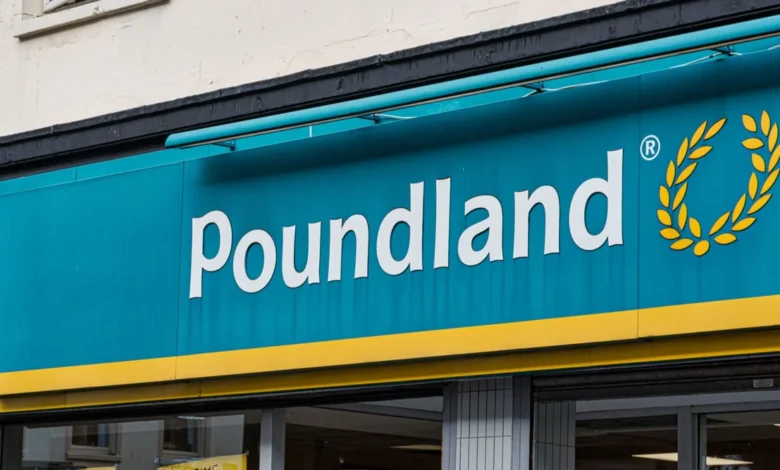
The future of Poundland, one of the most recognisable fixtures on the British high street, hangs in the balance as a bitter dispute between its primary shareholder and independent directors pushes the retailer toward the brink of insolvency. The retail giant, which operates a sprawling network of approximately 600 stores and provides employment for roughly 12,000 staff members, is currently at the centre of a high-stakes standoff regarding its ownership and financial structure. At the heart of the crisis is Gordon Brothers, the investment firm that assumed control of the retailer in 2025 for a nominal sum of £1, which is now facing intense scrutiny over its alleged preference for a managed insolvency process over a solvent rescue bid.
A Boardroom in Revolt
The internal discord reached a breaking point this week as three directors, specifically appointed to oversee the strategic sale of the business, signalled their intention to resign. Reports from Sky News indicate that these directors have expressed profound disquiet regarding the conduct of Gordon Brothers. The departing board members have reportedly characterised the shareholder’s actions as a deliberate attempt to manoeuvre the business into an insolvency process. By choosing to reject a solvent takeover proposal from the Martin Property Group, Gordon Brothers appears to be prioritising the immediate recovery of a £30 million shareholder loan, a goal they seemingly believe is more attainable through the liquidation or piecemeal disposal of the company’s assets rather than its continued operation as a going concern.
This potential collapse represents a critical inflection point for the UK retail sector. Should the company enter formal insolvency proceedings, it would not only result in the destabilisation of a major employer but would also trigger a fire sale of assets that could permanently alter the landscape of hundreds of town centres across the United Kingdom.
The Anatomy of the Dispute
The conflict centres on two diverging visions for the future of the retailer. The Martin Property Group’s proposal was designed to maintain Poundland as a unified business entity. Under their plan, the company would continue to trade, and the £30 million shareholder loan held by Gordon Brothers would be repaid according to its original, existing terms. For the independent directors, this path represented the most responsible route to protecting the interests of employees, suppliers, and creditors alike.
Conversely, Gordon Brothers has expressed reservations regarding the viability of the Martin Property Group’s offer, citing concerns over the structure and the long-term funding backing the bid. From the shareholder’s perspective, a break-up of the business—selling individual store leases and inventory to competing retail operators—offers a more direct route to securing capital. While this approach might satisfy the immediate financial obligations of the firm to its backers, it ignores the systemic risk posed to the workforce and the broader retail ecosystem.
Timeline of the Recent Decline
The current instability is the culmination of years of mounting pressure. Despite various restructuring attempts aimed at modernising the Poundland business model, the retailer has struggled to achieve sustainable profitability.
- 2025: Gordon Brothers acquires the business for £1, inheriting a complex balance sheet and a need for urgent operational transformation.
- Early 2026: The retailer faces intensified competition from established discount rivals and the compounding effects of inflationary pressures, which eroded profit margins across the sector.
- Late 2026: A formal sale process is initiated to address the company’s liquidity issues.
- Q1 2027: The rift between the board and the shareholder widens as the insolvency risk grows, culminating in the current standoff over the Martin Property Group bid.
The Wider Retail Landscape
The challenges facing Poundland are emblematic of the broader difficulties confronting brick-and-mortar discount retailers in the post-pandemic era. The "value" segment of the market has seen a surge in competition, with international players and agile local competitors undercutting prices while navigating the same volatile supply chain environment.
Data from the retail sector indicates that operating costs for physical stores have risen by approximately 15% over the past two years, driven largely by business rates, energy costs, and wage growth. While these increases are necessary for a sustainable economy, they have proven catastrophic for companies with high-volume, low-margin business models like Poundland. The retailer’s struggle to adapt to these macroeconomic pressures highlights the limitations of the discount model when faced with sustained operational overheads.
Alternative Rescue Paths
Despite the current impasse, the possibility of a rescue remains, though the window for action is closing rapidly. Sources close to the negotiations suggest that if a revised offer—one that satisfies the financial requirements of the major shareholders—is submitted within the next 48 hours, the trajectory of the company could still be altered.
Furthermore, the Martin Property Group is not the only party interested in the business. Innovest Holdings, an Irish investment firm, has also submitted a formal, solvent bid. The presence of multiple bidders underscores the underlying value of Poundland’s physical estate. Even if a total acquisition by a single party fails, there is significant interest from other retailers looking to expand their footprint by acquiring specific, high-performing locations.
Official Statements and Stakeholder Reactions
In response to the mounting public concern, a spokesperson for Gordon Brothers issued a statement attempting to strike a tone of objective oversight. "As well as interest from buyers for the whole business, the sale process has also surfaced a number of formal and indicative offers for significant viable parts of the business from established retail operators," the spokesperson stated. They added, "These options will now be objectively evaluated, with a view to minimising uncertainty for Poundland’s people and all relevant stakeholders."
However, this rhetoric has done little to soothe the anxieties of the 12,000 employees. Retail analysts argue that the focus on "minimising uncertainty" through a break-up is inherently contradictory, as the fragmentation of a company typically leads to widespread store closures and job losses in areas where duplicate locations exist.
Broader Economic Implications
The potential insolvency of a business the size of Poundland would send shockwaves through the UK economy. Beyond the direct job losses, the closure of 600 stores would leave significant gaps in high street footfall, potentially creating a "domino effect" for neighbouring businesses that rely on the secondary traffic generated by large discount retailers.
Economists note that the loss of such a significant number of retail jobs at once would place additional strain on local social services and the national benefits system. Moreover, the disposal of assets in an insolvency scenario often results in "fire-sale" prices, which significantly reduces the potential recovery for unsecured creditors, including small-scale suppliers and service providers who may have already been squeezed by the company’s prolonged period of instability.
Analysis: A Test for Corporate Governance
This situation serves as a stark case study in the tension between private equity ownership and the social responsibilities of a major employer. The role of the three independent directors in this crisis is particularly telling; their willingness to resign rather than be associated with a potential managed collapse highlights the ethical complexities involved in corporate restructuring.
If Gordon Brothers proceeds with an insolvency route despite the availability of solvent alternatives, it may prompt a broader discussion among policymakers regarding the regulation of large-scale retail acquisitions and the obligations of shareholders toward the longevity of the businesses they oversee. The outcome of the next 48 hours will not only determine the future of a legacy British brand but will also set a precedent for how distressed retail assets are managed in an increasingly challenging economic environment.
As stakeholders wait for further clarity, the fate of the 600 stores remains in limbo. Whether through a last-minute agreement with a solvent buyer or the unfortunate reality of a fragmented sell-off, the coming days will mark a definitive chapter in the history of the UK high street. For now, the employees and customers of Poundland remain in a state of precarious uncertainty, watching as the decisions made behind closed doors in boardrooms dictate the future of a retail institution that has, for decades, been an integral part of the consumer experience.