A Vibrant English Countryside Editorial at Hopton Court Redefines Modern Summer Wedding Aesthetics

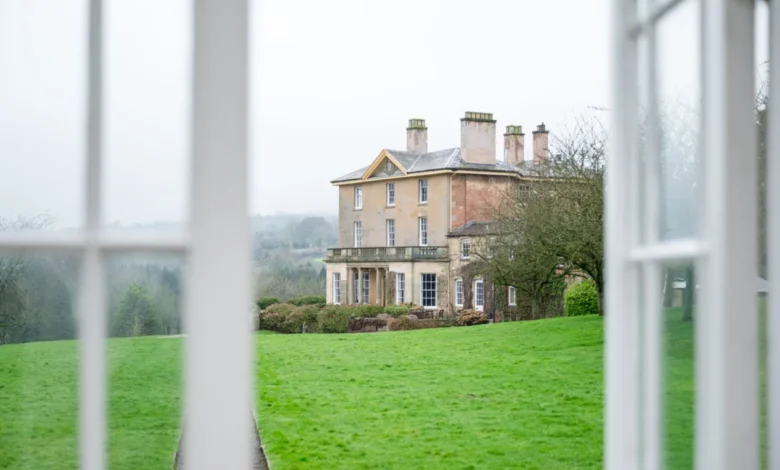
The UK wedding industry has increasingly leaned toward bold color palettes, moving away from muted minimalism to embrace high-impact design. This shift is thoroughly exemplified in a striking new editorial shoot at Hopton Court in Shropshire, England. Conceptualized, planned, photographed, and filmed by creative director Chloe Bolam, the styled shoot showcases how historic English architecture can be paired with tropical vibrancy, citrus motifs, and saturated hues. Set primarily against the backdrop of Hopton Court’s renowned Victorian Orangery, the editorial provides a blueprint for couples seeking to merge traditional countryside luxury with contemporary, personality-driven celebration design.
Main Facts and Venue Context

Hopton Court, situated in the tranquil Shropshire countryside, serves as a quintessential English estate venue. Encompassing acres of rolling hills, ancient woodlands, and manicured lawns, the location provides a secluded alternative to urban event spaces. The centerpiece of the estate—and the focal point of Bolam’s editorial—is its historic Victorian Orangery. Glasshouse venues have seen a steady surge in popularity across the British wedding sector, offering the dual advantage of abundant natural light and weather-proof reliability during the unpredictable British summer.
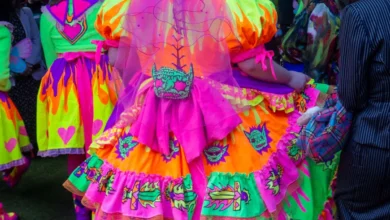
The design philosophy behind the shoot centers on an energetic color story featuring vibrant pinks, sunshine yellows, and warm orange hues. Rather than relying solely on traditional floral arrangements, the creative team integrated fresh tropical and citrus fruits directly into the tablescapes and decor. This organic design choice introduced both visual texture and a distinct aromatic element to the space, demonstrating a growing trend toward multi-sensory wedding styling.
Chronology of the Editorial Conception and Execution

The realization of the Hopton Court editorial followed a meticulously structured timeline typical of high-end wedding productions, moving from initial concept boards to the final live installation.
Phase One: Conceptualization and Moodboarding (Early Planning)
The project began months prior to the shoot date with the development of a comprehensive creative brief. Chloe Bolam collaborated closely with a curated team of specialized wedding vendors to establish a cohesive moodboard. The primary objective was to challenge the traditional pastel-heavy palette often associated with English country weddings by introducing high-contrast, Mediterranean-inspired citrus tones.
Phase Two: Curating the Vendor Collective and Attire Selection
Securing the venue and key design partners marked the second phase. Olive Owl Flowers was brought on board to manage large-scale botanical installations, while Little Cheshire Weddings supplied specialized tablescape elements, including rattan placemats, scalloped edge plates, pink glassware, and gold cutlery. Concurrently, the bridal fashion element was finalized: Gatehouse Brides provided the "5th Avenue" wedding dress by Dando London. The gown featured a modern square neckline, gentle A-line silhouette, beaded lace embellishments, and a long train, blending contemporary structure with classic romance.

Phase Three: Stationers, Artisans, and Detail Work
In the weeks leading up to the shoot, intricate details were manufactured. Jess Bolam Art from Bolam Designs created a bespoke stationery suite featuring watercolor citrus motifs. Simultaneously, artisanal candle maker The Emerald Fox produced hand-painted taper candles designed to complement the vibrant table settings, while Lesley Walter Cake Design engineered a multi-tiered wedding cake displayed upon a custom floral crown stand.
Phase Four: Installation and Production Day
On-site execution at Hopton Court required precise coordination among the multidisciplinary team. Florists constructed two massive freestanding botanical columns designed for versatile reuse throughout the event space. The final staging incorporated hand-lettered stationery, custom citrus-accented place settings, and professional lighting to capture both still photography and videography for industry publication.
Supporting Data and Industry Insights

The design choices highlighted in the Hopton Court editorial reflect broader economic and aesthetic shifts within the UK wedding market. According to recent industry analytics from trade bodies such as the UK Alliance of Wedding Professionals, couples are increasingly allocating a higher percentage of their budgets to experiential design, bespoke stationery, and versatile floral installations.
Furthermore, sustainability and cost-efficiency have become major considerations for modern newlyweds. Editorial lead Chloe Bolam emphasized a practical design tip demonstrated during the shoot: the strategic reuse of large floral installations. By transitioning freestanding botanical columns from the ceremony space to the dining area, and subsequently utilizing them as a backdrop for couple portraits or cake displays, couples can maximize their floral investment without compromising visual impact. Data from floral designers indicates that repurposing arrangements can reduce overall wedding flower expenditures by up to 25% while minimizing organic waste.
The integration of fresh fruit into table decor similarly serves as a cost-effective, high-impact styling technique. Utilizing readily available seasonal produce allows couples to achieve luxury aesthetics through accessible DIY methods, aligning with a broader consumer preference for personalized, hands-on wedding elements.

Official Responses and Creative Statements
The collaborative nature of the editorial brought together some of the most recognized independent artisans in the British wedding sector. Speaking on the inspiration behind the project, creative director Chloe Bolam noted the profound satisfaction of translating conceptual design into physical reality.
"I absolutely adore wedding planning and helping couples bring their vision to life," Bolam stated. "There’s something so magical about seeing your moodboard jump off the page and into reality. This was truly the most rewarding and special part of this editorial—being able to step into the beautiful and vibrant summer wedding theme we created in the heart of the English countryside."

The synergy between the historic architecture of Hopton Court and the contemporary styling was a recurring theme among the contributing vendors. By juxtaposing the weathered ironwork and historic glass of the Victorian Orangery with modern geometric table settings, saturated watercolors, and structured bridal wear, the team successfully demonstrated how historic venues can be adapted to suit modern design trends.
Broader Impact and Market Implications
Styled editorials of this caliber function primarily as trend-forecasting tools for the upcoming wedding seasons. By showcasing innovative pairings—such as citrus fruit motifs within a traditional British estate setting—creatives provide actionable inspiration for couples navigating the planning process.

The success of the Hopton Court shoot underscores the enduring appeal of the English countryside venue market, even as aesthetic preferences evolve. While rural estates were historically associated with rustic or vintage themes, editorials like this prove that historic properties can seamlessly host high-fashion, contemporary celebrations. As couples continue to prioritize immersive guest experiences, vibrant color palettes, and multi-sensory details, the methodologies highlighted in this Shropshire showcase are expected to heavily influence summer wedding design trends in the coming years.
Related posts: