The integration of artificial intelligence into the fashion and retail sectors has reached a pivotal inflection point, moving beyond simple generative text and image tools toward the implementation of autonomous AI agents within enterprise workflows. This shift represents a fundamental change in how global brands manage product lifecycles, moving from static, human-led data entry to dynamic, machine-assisted decision-making. Brian Lindauer, CEO of VibeIQ, recently addressed this evolution during an industry-wide discussion, highlighting that the future of product creation lies in the symbiotic relationship between human expertise and machine-driven operational efficiency.
The current landscape of product lifecycle management (PLM) is undergoing a transition. For decades, the industry relied on rigid, on-premise systems to serve as a "single source of truth." However, as brand portfolios expand across multiple categories—ranging from footwear and apparel to beauty and accessories—the traditional, monolithic PLM model has struggled to keep pace with the agility required by modern design, merchandising, and planning teams. This gap has historically been filled by a fragmented ecosystem of spreadsheets, collaborative whiteboard tools like Miro, and manual data-tracking processes. VibeIQ and similar platforms are now attempting to bridge this gap by embedding AI agents directly into the workflow to handle the high-volume, non-value-added tasks that have historically bogged down product teams.

Defining the AI Agent in an Enterprise Context
The definition of an "AI agent" remains fluid, yet in an enterprise environment, it is best understood as a system designed to act on behalf of a human user to achieve a specific goal. Experts categorize these agents into two primary tiers: reactive and autonomous. Reactive agents operate on a command-response basis, effectively serving as high-level personal assistants. Autonomous agents, conversely, are empowered to execute a series of intermediate steps to reach a mission-oriented goal, requiring a level of trust and clear operational parameters.
Industry analysts note that as these agents move from being mere tools to becoming "colleagues" within the software, the role of the human operator is shifting. Rather than performing manual data entry, the human becomes a curator and auditor of AI-generated outcomes. This is not merely a technical upgrade; it is an organizational realignment. Companies are now beginning to integrate AI agents into their organizational charts, assigning them responsibilities that mirror human roles, such as merchandising assistant, design aide, or supply chain analyst.

A Timeline of Technological Integration
The transition to AI-assisted product creation has been accelerated by rapid advancements in large language models and machine learning over the past eighteen months. Historically, the software development cycle required manual, hands-on programming from the database layer to the front-end user experience. Today, the focus has shifted toward "prompt engineering" and system architecture, where the primary objective is to define the boundaries and goals of the AI rather than writing the underlying code.
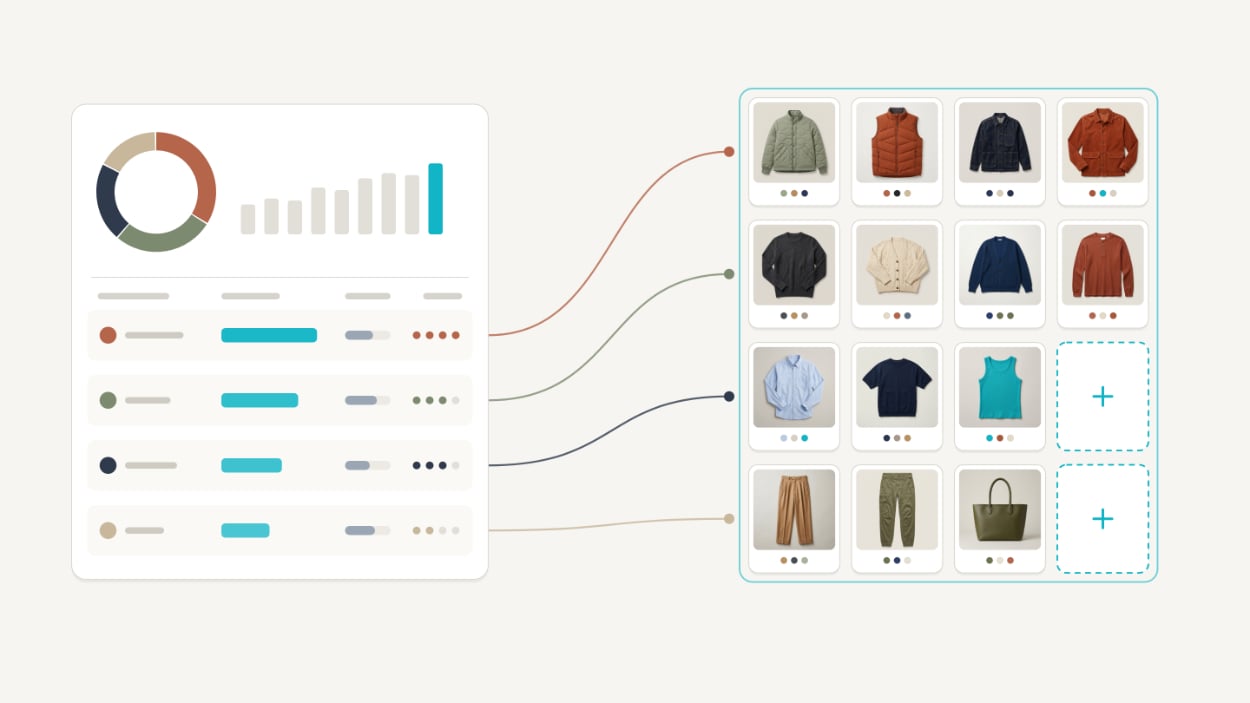
In the early 2000s, the introduction of enterprise PLM forced the industry to adopt standardized digital workflows. Two decades later, the current "Agentic Era" is forcing a secondary wave of standardization. According to data from recent industry roundtables, including VibeIQ’s annual customer council in Colorado, the most successful brands are those that have begun to classify their workflows into three distinct buckets: goals, decisions, and tasks. By automating tasks—such as gathering product images, updating pricing matrices, or formatting presentations—brands are freeing up significant time for their design and strategy teams to focus on the "art" of the product, such as trend forecasting and aesthetic direction.
The Data-Driven Future of Design
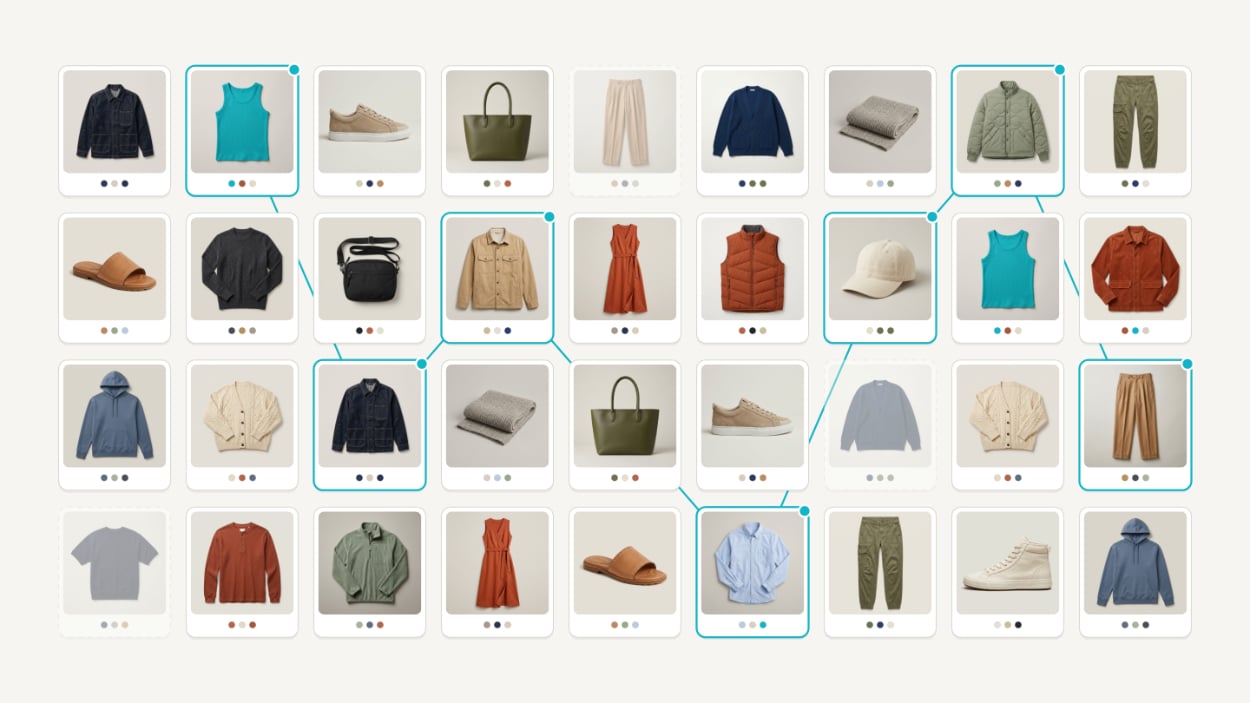
A primary concern among skeptics is the "backward-looking" nature of AI. Because models are trained on historical datasets, there is an inherent risk that they will converge toward the statistical mean, potentially stifling true innovation. However, proponents argue that human creativity has always been rooted in the synthesis of past experiences and existing knowledge. By providing AI with rich, brand-specific context—such as regional design guidelines, historical sales performance data, and specific material constraints—brands can guide the AI to generate novel outputs that remain aligned with their unique brand identity.
For a global enterprise, the strategy for implementing this technology involves two distinct tiers. The first is "operational efficiency," where AI is used to optimize the supply chain, manage inventory, and handle administrative overhead. The second, and more complex tier, is "brand differentiation." This is where the AI is tasked with supporting the creative process. The challenge for brands is ensuring that their internal data remains clean and accessible, as AI agents are only as effective as the context provided to them. Fragmented data, often referred to as "data silos," remains the greatest barrier to successful AI implementation.
The Accountability Dilemma
As AI agents take on more significant roles, the question of accountability becomes paramount. In any product lifecycle, someone must be held responsible for the final outcome—whether that is a hit sneaker or a failed apparel line. While AI can simulate thousands of outcomes and suggest optimal paths, it cannot currently be held accountable for the financial or brand impact of those decisions. Therefore, the industry is moving toward a "human-in-the-loop" model, where the AI serves as the architect of options, but the human remains the final arbiter.
This accountability framework is likely to dictate the speed of adoption. In areas where the cost of error is low, such as internal document summarization, adoption will remain rapid. In high-stakes areas, such as final assortment planning or structural product engineering, AI will likely remain a support tool for the foreseeable future. The goal for software developers is to build systems that allow for seamless transitions between these states of autonomy and human oversight.
Implications for the Fashion Workforce
The rise of AI agents does not necessarily signal a reduction in the workforce, but rather a transformation of the roles within it. As the barrier to creating software lowers, employees are increasingly capable of building their own bespoke tools—often without even realizing they are "programming." An employee who creates a custom dashboard to visualize regional sales data is effectively developing software, even if they are using an AI chat interface to do so. This democratization of software creation means that the competitive advantage for brands will no longer be who has the best proprietary software, but who has the best strategy for utilizing these tools to create value.
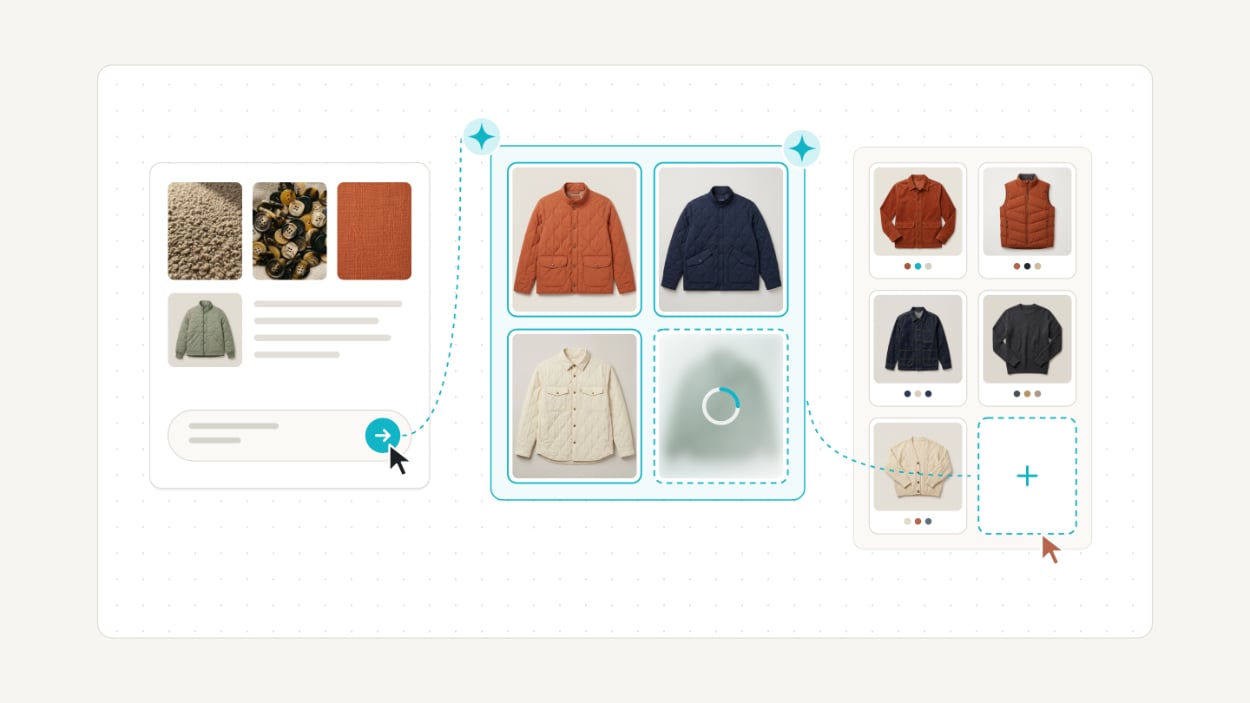
The ultimate vision for the industry is one where the "work in progress" and the "source of truth" are bridged by intelligent software. In this environment, a designer can ideate in a free-form space, experiment with AI-generated concepts, and see that data automatically integrated into the enterprise system of record. This removes the friction between creative exploration and operational reality.
Conclusion: Looking Ahead
As the industry moves into the next phase of this technological cycle, the focus will likely shift from the novelty of AI to the utility of the results it provides. Within the next two years, the term "AI" may become as ubiquitous and invisible as "the internet" is today, functioning as a foundational layer rather than a standalone feature. For brands to remain competitive, they must continue to invest in their internal data maturity while simultaneously fostering a culture that encourages employees to experiment with these new agentic workflows. The future of product creation will not belong to the machines, but to the organizations that best empower their people to use them to unlock unprecedented levels of creativity and efficiency.