The Shift Toward Conscious Consumption: Weekly Curated Discounts and the Rise of Ethical Fashion


As the global fashion industry grapples with the mounting environmental and social consequences of rapid production, a growing segment of consumers is actively seeking alternatives that prioritize sustainability. The traditional retail model, often characterized by high-volume, low-cost manufacturing, is increasingly being challenged by smaller, mission-driven labels. These brands are not only redefining design through the use of low-impact materials and circular production methods but are also creating new avenues for shoppers to align their spending habits with their personal values. This week, we examine a series of promotional initiatives designed to bridge the gap between ethical purchasing and affordability, highlighting brands that have undergone rigorous assessment for their impacts on people, the planet, and animal welfare.
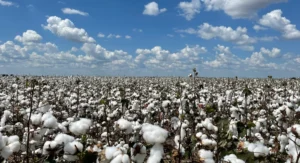
The current landscape of sustainable fashion is defined by a commitment to transparency. According to data from the 2024 Fashion Transparency Index, consumer demand for supply chain disclosure has reached record highs. This shift has forced brands to adopt more responsible practices, from utilizing GOTS-certified organic cotton to implementing living wage policies for workers in the final stages of production. However, the premium price point often associated with these garments remains a barrier to widespread adoption. By curating weekly offers and discounts from highly rated brands, organizations like Good On You are effectively lowering these barriers, providing a platform for conscious consumers to access high-quality, sustainable goods at more accessible prices.
A Closer Look at Ethical Industry Practices
The brands featured in this week’s curation share a common focus: the mitigation of environmental impact through innovative design. For instance, companies like IRO IRO, based in Jaipur, utilize a circular design collective model. By employing low-waste cutting principles and reclaiming fabrics, they minimize the volume of textile waste that typically ends up in landfills. Similarly, European-based Anekdot and the UK’s BAM demonstrate the viability of using recycled and regenerative materials. BAM, in particular, has pioneered the use of bamboo-viscose while simultaneously offering consumers a path to dispose of their garments through clothing recycling programs, a critical step in addressing end-of-life textile waste.
The environmental implications of these choices are significant. A report by the Ellen MacArthur Foundation indicates that less than 1% of clothing material is recycled into new clothing, with the industry losing approximately $500 billion annually due to clothing underutilization and lack of recycling. Brands like KasuRekids, which operates in Japan, are countering this trend by not only utilizing local, historical materials like Kurume-kasuri cotton—woven in Fukuoka for over 220 years—but also by offering rental services. This circularity prevents the "fast fashion" cycle from accelerating, ensuring that items remain in use for longer periods.
Chronology of Sustainability Efforts
The push for more ethical fashion is not a new phenomenon, but it has gained significant momentum over the last decade. Following the 2013 Rana Plaza collapse in Bangladesh, there was a global awakening regarding the human cost of the garment industry. This event served as a catalyst for the emergence of the modern ethical fashion movement. Since then, the timeline of industry progress has included:
- 2015: The United Nations adopted the 2030 Agenda for Sustainable Development, which specifically highlights the need for responsible consumption and production (SDG 12).
- 2018–2020: A surge in the popularity of "slow fashion" and "capsule wardrobes," driven by environmental advocacy and a rejection of the 52-micro-season cycle of fast fashion.
- 2021–2023: Widespread adoption of digital product passports and increased scrutiny on greenwashing by regulatory bodies in the EU and North America.
- 2024–2025: A shift toward "regenerative" fashion, where brands focus not just on harm reduction, but on sourcing materials that actively improve soil health and biodiversity.
The Impact of Economic Incentives on Ethical Brands
While sustainability is a core value for many modern labels, the financial reality of running a small, ethical business is complex. These brands often face higher operational costs due to ethical labor practices and the procurement of sustainable raw materials. As such, these periodic promotions—many of which are exclusive to platforms like Good On You—serve a dual purpose. They provide a financial incentive for the consumer while ensuring that the brand can maintain the volume necessary to sustain their ethical production models.
For example, the 50% discount offered by the Australian loungewear brand BJ’s PJs or the 15% discount provided by the US-based Terra Thread are strategic efforts to capture market share from conventional, less ethical competitors. By reducing the price premium, these brands can reach a wider demographic, effectively educating new customers on the benefits of GOTS-certified, fair-trade organic cotton products.
Broader Implications for the Retail Sector
The shift toward these practices suggests a long-term change in the relationship between brands and consumers. The rise of transparency as a marketing tool means that brands can no longer obscure their supply chains. Consumers are using tools like independent ratings to verify claims, moving away from vague "green" promises to data-backed certifications.
The impact of this trend is felt most strongly in the way capital is being allocated. Investors are increasingly looking at ESG (Environmental, Social, and Governance) scores when evaluating retail stocks. Smaller, independent brands that prioritize sustainability from their inception—such as the Paris-based Facettes Studio, which has explicitly banned polyester and polyamide—are positioning themselves as resilient alternatives to the volatile fast fashion market. Facettes Studio’s focus on "wardrobe essentials" and their inclusion of a repair and alteration service illustrates a business model that values longevity over constant turnover.
Navigating the Future of Fashion
As we look toward the remainder of the year and into 2026, the retail sector is expected to see a deepening of these trends. The integration of technology in the supply chain, from blockchain-based tracing of cotton fibers to AI-driven demand forecasting, will likely continue to minimize waste.
However, the responsibility does not rest solely on the shoulders of the brands. The "conscious consumer" plays a pivotal role in maintaining the momentum of this movement. By choosing to support labels that undergo independent ratings, shoppers send a clear signal to the market that human rights and environmental health are non-negotiable.
The current list of active promotions serves as a practical starting point for this transition. Whether it is the regenerative cotton basics from Vottera, the surf-tested, recycled swimwear from Do Good Surf Club, or the timeless, minimalist bags from ASK Scandinavia, these offerings represent more than just a purchase. They represent a vote for an industry that treats resources with respect and values the dignity of the workers who bring these products to life.
Conclusion
The evolution of the fashion industry toward a more sustainable future is an ongoing process that requires constant engagement from both producers and consumers. While discounts and promotional codes are temporary in nature, the shift toward ethical consumption is a permanent change in behavior. By leveraging these opportunities to explore high-rated brands, consumers can build a wardrobe that reflects their commitment to the planet. The transparency provided by independent rating systems ensures that as we shop, we remain informed, empowered, and conscious of the global impact of our choices. As the market continues to evolve, the brands that succeed will be those that prove that economic viability and ethical responsibility are not mutually exclusive, but rather, the essential pillars of a modern, thriving retail ecosystem.