Kelli Donovan: Pioneering Sustainable Fashion from Australian Landscapes to Ocean Depths

Designer Kelli Donovan, an influential voice in the sustainable fashion movement, champions an ethical approach to clothing production, drawing profound inspiration from her Australian roots and a deep-seated commitment to environmental preservation. Her work, highlighted in a recent interview with Lucile Pease, traverses the intricate landscape of fashion waste, the majesty of manta rays, and the enduring legacy of her grandmother, offering a compelling narrative for both consumers and aspiring designers. Donovan’s brand stands as a testament to the possibility of marrying timeless design with responsible practices, confronting the pervasive issues of fast fashion with a philosophy rooted in quality, longevity, and ecological consciousness.
The Genesis of a Sustainable Vision
Born and raised amidst the picturesque mountains and aesthetic landscapes of Australia’s countryside, Kelli Donovan developed an intimate connection with nature from a young age. Her childhood in Canberra, often referred to as the "bush capital," immersed her in an environment where outdoor activities, bushwalking, and camping were integral to daily life. This early and consistent exposure to Australia’s pristine natural beauty profoundly shaped her worldview, instilling in her a keen appreciation for environmental harmony and an acute sensitivity to its degradation. The vibrant, sun-drenched city, surrounded by accessible bush landscapes and walking trails, fostered a strong cultural emphasis on appreciating and preserving the natural world.
It was against this backdrop of natural reverence that Donovan first encountered the stark realities of the fashion industry. She became increasingly appalled by the unsustainable processes employed in mass clothing production, noting the disregard for environmental impact that characterized much of the industry’s operations. This dissonance between the beauty of her natural surroundings and the destructive practices of fashion spurred a pivotal shift in her career trajectory. Recognizing the urgent need for change, Donovan embarked on a mission to create a fashion brand that not only offered timeless and chic designs but also adhered to stringent ethical standards, prioritizing high-quality, sustainable materials and responsible manufacturing. Her vision was clear: to demonstrate that fashion could be both beautiful and benign, a force for good rather than a contributor to ecological decline.
The Enduring Legacy of Craftsmanship: Nan’s Influence
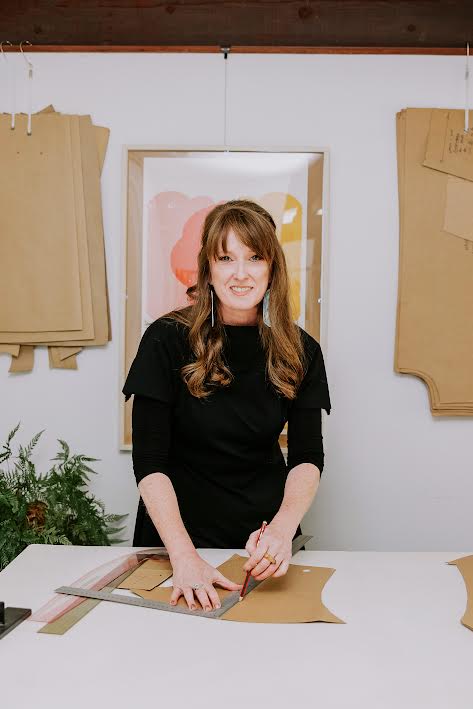
A cornerstone of Kelli Donovan’s design philosophy and ethical compass lies in the indelible influence of her grandmother, Annie Muir. A Scottish tailor from Glasgow, Annie Muir embodied a bygone era of meticulous craftsmanship and purposeful creation. Though Kelli was only 11 years old when her Nan passed away, the lessons imparted during those formative years resonated deeply and continue to guide her journey. Annie Muir’s approach to tailoring was characterized by an unwavering commitment to quality: "There is no point wasting her time and skills on a piece of cheap cloth and making something beautiful," she would often advise. This dictum underscored a profound respect for materials and labor, emphasizing that every stitch should be meaningful and every garment crafted with longevity in mind. Only the finest textiles were deemed worthy of her skilled hands, ensuring that each tailored piece was an investment, built to last and cherished for its inherent quality.
This philosophy stands in stark contrast to the modern fast fashion paradigm, which prioritizes speed, low cost, and disposability. In Annie Muir’s time, and indeed for centuries prior, clothing was a valuable commodity, often repaired, repurposed, and passed down through generations. The "make-do-and-mend" culture prevalent in the post-war era, from which Annie Muir’s generation emerged, fostered a deep appreciation for durability and resourcefulness. Donovan consciously channels this ancestral wisdom, integrating it into her contemporary design practices. She believes her Nan’s spirit continues to share and guide her journey, reinforcing the importance of creating garments with purpose, integrity, and an enduring aesthetic that transcends fleeting trends. This ancestral wisdom forms the bedrock of her brand, asserting that true luxury lies in quality, ethical sourcing, and designs that withstand the test of time, honoring both the maker and the planet.
A Brand Built on Principle: Timelessness and Ethics in Practice
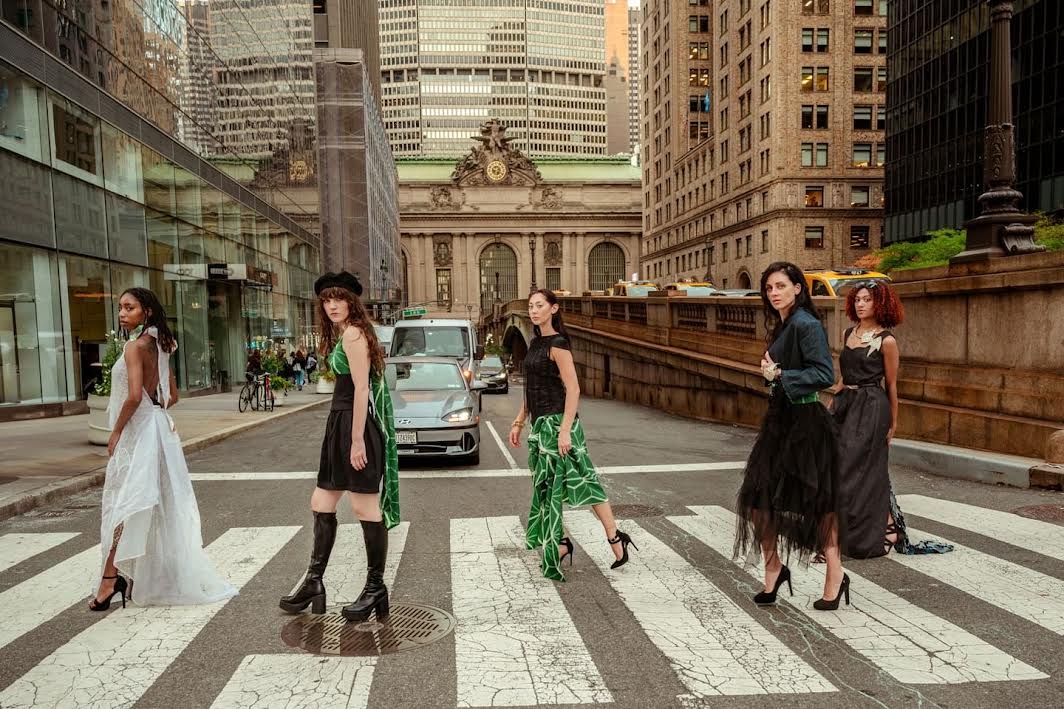
Kelli Donovan’s brand is a direct manifestation of her convictions, operating on principles that challenge the prevailing norms of the global fashion industry. Her focus on "timeless and chic designs" is not merely an aesthetic choice but a strategic counter-movement against the relentless cycle of fast fashion. In an industry driven by rapid trend cycles that encourage constant consumption and disposability, Donovan champions garments designed to be enduring, transcending seasonal fads and maintaining their relevance for years, if not decades. This approach directly combats the environmental impact of textile waste by encouraging consumers to buy fewer, higher-quality pieces.
Central to her brand’s ethos is the meticulous selection of "high-quality, sustainable materials." This involves a commitment to sourcing fabrics that minimize environmental harm throughout their lifecycle. Examples of such materials often include organic cotton, which avoids harmful pesticides and uses less water than conventional cotton; linen, known for its durability and minimal resource requirements; recycled fabrics, which divert waste from landfills; and innovative materials like Tencel (lyocell), derived from sustainably managed forests through an eco-friendly closed-loop process. By prioritizing these materials, Donovan significantly reduces the ecological footprint associated with conventional textile production, which often involves heavy chemical use, excessive water consumption, and significant greenhouse gas emissions.
Furthermore, Donovan’s commitment extends to an "ethical approach" to fashion, encompassing fair labor practices and transparent supply chains. This means ensuring that everyone involved in the production process, from farmers to factory workers, is treated fairly, paid living wages, and works in safe conditions. The ethical dimension of her brand addresses the significant social injustices prevalent in many parts of the global fashion industry, where exploitation and unsafe labor practices are unfortunately common. By championing transparency and fair trade, Kelli Donovan not only creates beautiful clothing but also contributes to a more equitable and just industry, reinforcing the idea that fashion can and should be a force for positive social and environmental change.
Addressing Fashion’s Environmental Footprint: The Urgent Need for Change
The fashion industry is notoriously one of the most polluting sectors globally, making Kelli Donovan’s long-standing advocacy for sustainability particularly prescient. The scale of the problem is staggering:
- Fashion Waste: An estimated 92 million tonnes of textile waste are generated globally each year, with a truckload of clothing either incinerated or sent to landfill every second. In many developed nations, consumers discard a significant percentage of their clothing after only a few wears, contributing to massive accumulations in landfills, where synthetic fibers can take hundreds of years to decompose, leaching harmful chemicals into the soil and groundwater.
- Water Usage: The production of a single cotton t-shirt can require up to 2,700 liters of water—enough drinking water for one person for 2.5 years. Denim production is even more water-intensive, with a pair of jeans demanding up to 10,000 liters. This places immense strain on freshwater resources, especially in water-stressed regions where much of the world’s clothing is manufactured.
- Chemical Pollution: The dyeing and finishing processes in conventional fashion are highly chemical-intensive, releasing toxic substances into waterways, severely polluting ecosystems and posing significant health risks to local communities and workers. An estimated 20% of industrial water pollution comes from textile dyeing and treatment.
- Carbon Emissions: The entire supply chain, from raw material extraction to manufacturing, transportation, and retail, is a significant contributor to greenhouse gas emissions. The fashion industry is responsible for approximately 2-8% of global carbon emissions, a figure projected to rise substantially if current trends continue.
- Fast Fashion’s Role: The advent of "ultra-fast fashion," characterized by incredibly rapid trend cycles, cheap production, and aggressive marketing, has exacerbated these issues. This business model encourages consumers to view clothing as disposable, leading to overconsumption and an exponential increase in waste. The constant demand for new, cheap garments places immense pressure on resources and supply chains, often at the expense of environmental and labor ethics.
In recent years, sustainability has transcended its niche status to become a significant trend within fashion, driven by increasing consumer awareness and regulatory pressures. The global sustainable fashion market was valued at approximately USD 6.35 billion in 2022 and is projected to grow significantly, indicating a burgeoning shift in consumer values and industry priorities. Donovan’s three decades of experience in this evolving landscape position her as a true pioneer, having championed these principles long before they gained mainstream traction.
Collections as Statements: "Sleeping Beauties" and "Manta Ray"
Kelli Donovan’s collections are more than mere garments; they are profound artistic and environmental statements, designed to provoke thought and inspire action.
Her "Sleeping Beauties" collection, for instance, serves as a powerful commentary on the global issue of clothing oversupply and the ephemeral nature of fashion trends. While it shares a coincidental name with a high-profile Met Museum costume exhibit, Donovan’s inspiration was purely environmental. The collection speaks "quietly—but strongly—about this situation," highlighting the vast quantities of unsold, unworn garments that accumulate in warehouses, often destined for landfills or incineration. This phenomenon of "deadstock" represents a colossal waste of resources, from the raw materials and water used in production to the labor and energy expended in manufacturing. "Sleeping Beauties" symbolically represents these garments, lying dormant and unused, embodying the industry’s excessive production and the urgent need for a more circular economy where resources are valued and reused. It encourages a deeper reflection on consumer habits and the psychological impact of constant newness, urging a return to valuing garments for their inherent quality and design rather than their fleeting trendiness.
Perhaps one of her most poignant and recognized collections is the "Manta Ray" collection, deeply influenced by ocean conservation. This collection was born from Donovan’s passion for safeguarding marine ecosystems and reducing the devastating impact of textile and plastic waste on oceans. The Giant Manta Ray, a majestic and gentle creature native to Australian waters and found globally, serves as the central muse. Donovan was drawn to its peaceful existence, its role as a filter feeder that harms neither its environment nor other species, gliding through the oceans with gigantic fins and a serene composure. This powerful symbol of natural harmony stands in stark contrast to the destructive forces of ultra-fast fashion.
The collection directly addresses the critical issue of ocean pollution, particularly the proliferation of microplastics derived from synthetic textiles like polyester and nylon. Each time synthetic clothing is washed, thousands of microscopic plastic fibers are released into waterways, eventually making their way to the oceans. These microplastics are ingested by marine life, entering the food chain and ultimately posing risks to human health. Current data indicates that microplastics now contaminate every corner of the ocean, from the deepest trenches to the polar ice caps, with an estimated 1.4 million trillion microplastic fibers already littering the world’s oceans.
Through the "Manta Ray" collection, Donovan seeks to educate viewers about this larger issue at hand, illustrating how individual clothing purchases contribute to or alleviate this environmental crisis. By linking her designs to this vulnerable yet powerful creature, she humanizes the abstract concept of ocean pollution, making it tangible and relatable. The collection serves as an eloquent call to action, emphasizing that consumers can make significant differences through conscious purchasing decisions, opting for natural fibers, durable garments, and supporting brands committed to reducing waste and pollution. Donovan’s passion for ocean conservation underscores a broader commitment to protecting biodiversity and ensuring the health of our planet’s most vital ecosystems.
Pioneering the Future: Advice and Industry Implications
With three decades of experience in the fashion industry, Kelli Donovan offers invaluable advice to young designers aspiring to enter the realm of sustainable fashion. Her counsel is rooted in practical experience and a deep understanding of the industry’s complexities: "I would definitely say to them to give it their best shot and be as creative and inventive as they can in the early years. The more they learn to experiment with design, textiles and waste their design aesthetic will be stronger. Try not to follow trends but find their unique super power." This advice emphasizes innovation, originality, and resilience—qualities essential for navigating a rapidly evolving and often challenging sector. Experimentation with alternative materials, zero-waste design techniques, and upcycling can lead to groundbreaking solutions and a distinctive brand identity. By encouraging designers to cultivate their "unique superpower," Donovan advocates for authenticity over imitation, fostering a generation of creatives who will redefine fashion on their own terms, guided by ethical and environmental principles.
Donovan’s long-standing commitment to sustainability positions her as a crucial pioneer, having championed these values long before they became fashionable. Her work provides a vital blueprint for the broader industry, demonstrating that profitability and purpose are not mutually exclusive. The fashion landscape is slowly but surely shifting, driven by a confluence of factors:
- Consumer Demand: A growing segment of consumers, particularly younger generations, are increasingly demanding transparency, ethical sourcing, and environmental responsibility from brands.
- Regulatory Pressures: Governments worldwide are beginning to implement policies aimed at reducing textile waste, regulating chemical use, and promoting circular economy models within the fashion sector.
- Technological Advancements: Innovations in material science, manufacturing processes, and recycling technologies are making sustainable practices more accessible and scalable.
Kelli Donovan’s holistic approach, spanning from the design studio to public advocacy, inspires both aspiring designers and everyday consumers. For designers, her brand exemplifies how to integrate ethical considerations at every stage of the creative process, fostering innovation while minimizing environmental harm. For consumers, her message empowers them to become agents of change through their purchasing choices, encouraging a shift from transient trends to timeless investments. Her work underscores the profound impact that individual choices can have, collectively driving the industry towards a more responsible and regenerative future. As the fashion industry grapples with its environmental legacy, pioneers like Kelli Donovan illuminate the path forward, demonstrating that style, ethics, and ecological stewardship can harmoniously coexist.