Ring Concierge Reclaims Luxury Diamond Sales from Social Media Marketplaces with the Launch of The Diamond Safe

Welcome to Glossy’s Holiday Countdown, a bi-weekly guide to the new and noteworthy strategies brands and retailers are employing to capitalize on holiday spending. As the retail landscape shifts toward fragmented social commerce, high-end jewelry brands are increasingly tasked with navigating the tension between social media visibility and brand equity. The rise of livestream diamond auctions on platforms like TikTok and eBay has created a surge in consumer interest for loose stones, yet this trend has simultaneously introduced significant risks regarding authentication, quality, and consumer protection.
In response to the proliferation of low-quality stones and unregulated diamond auctions, New York-based luxury jewelry brand Ring Concierge has launched a strategic initiative titled The Diamond Safe. This holiday-timed sale, which commenced on November 15 and is slated to conclude on December 2, represents a calculated move to capture the demand for unique, loose diamonds while maintaining the rigorous standards associated with the luxury sector. By offering a curated, authenticated collection at aggressive price points—approximately 50% below standard market rates—the brand is positioning itself as a reliable alternative to the "wild west" of social media marketplaces.
The Rise of the Social Media Diamond Trend
The impulse to purchase diamonds via social media platforms is largely driven by the allure of extreme discounts and the gamification of the shopping experience. However, the lack of third-party verification has become a mounting concern within the jewelry industry. In October, TikTok began implementing stricter guidelines for jewelry sales, restricting listings to authorized sellers in an attempt to mitigate the influx of counterfeit stones and low-quality moissanite being passed off as natural or high-grade lab-grown diamonds.
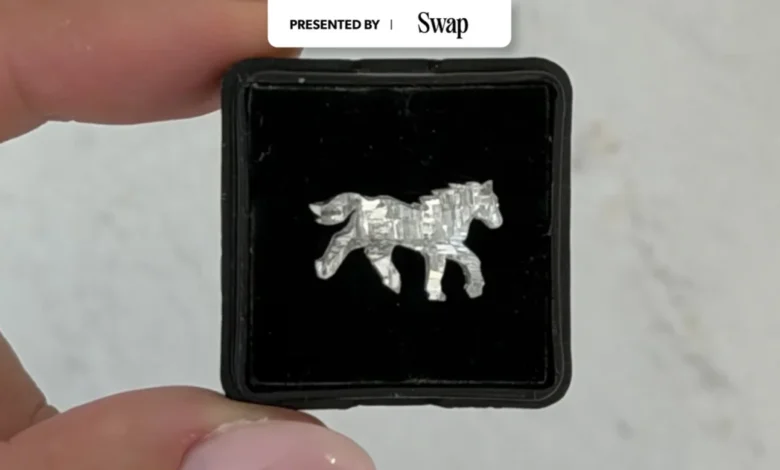
Despite these regulatory efforts, the consumer appetite for affordable, loose diamonds remains high. According to market data from the jewelry sector, consumers are increasingly seeking individuality in their purchases. This is largely attributed to the democratization of lab-grown diamonds, which has made standard, high-carat white diamonds more accessible to the average consumer. As these stones lose their status as "rare" luxury items, there has been a distinct shift in consumer preference toward fancy-colored diamonds, unusual cuts, and bespoke, one-of-a-kind settings.
Chronology and Execution of The Diamond Safe
The Diamond Safe event was conceptualized as a solution to the "trust deficit" found on open-market platforms. Ring Concierge, led by founder and CEO Nicole Wegman, spent months sourcing stones that would appeal to this niche demand. The timeline for the initiative was structured to maximize holiday engagement:
- Pre-Launch Phase (Early November): The brand utilized its social media channels, specifically Instagram and its email list, to build anticipation for the sale. By incentivizing early sign-ups, the company successfully funneled potential leads into its proprietary ecosystem.
- The Launch (November 15): The collection went live exclusively on the Ring Concierge website. The inventory featured a diverse array of loose stones, ranging from under $800 to nearly $20,000.
- Engagement Phase (Ongoing): While the company leveraged TikTok Live as a marketing vehicle—using the platform to showcase the unique properties of the stones and explain their value—the transactions were strictly siloed to the brand’s owned website.
- The Conclusion (December 2): The sale will conclude following the peak of the holiday shopping period, marking the end of this specific inventory release.
Data-Driven Strategy and Customization Incentives
A critical component of the sale’s success has been the integration of custom jewelry design services. Recognizing that a loose stone is merely the beginning of the consumer journey, Ring Concierge offered a 50% discount on custom settings for any diamond purchased through The Diamond Safe. The data from the first few weeks of the sale confirms that this strategy is highly effective; nearly 100% of the initial 40 buyers opted for a custom setting.
This "bundle" approach serves two purposes. First, it increases the total lifetime value (LTV) of the customer. As Wegman noted, the cost savings on the stone allow customers to allocate a larger portion of their budget toward the craftsmanship of the setting. For instance, a buyer might secure a diamond for $1,000 but opt for a $6,000 bespoke setting, effectively transforming a smaller transaction into a high-margin luxury engagement. Second, it deepens the brand-consumer relationship, as the custom design process requires ongoing communication between the client and the jeweler’s design team.
Strategic Implications: The Case Against Social Commerce
The decision by Ring Concierge to eschew platforms like TikTok Shop for its transactions highlights a growing divide between mass-market social commerce and the luxury retail experience. While companies like Fashionphile have successfully utilized TikTok Shop for secondhand luxury handbags, where the price point and product category are more conducive to impulse buying, jewelry remains a "high-consideration" purchase.
For a brand with revenue exceeding $100 million and an average order value hovering around $1,000, the infrastructure provided by social media platforms is often insufficient. Wegman emphasizes that the optimization of the brand’s own website—including technical specifications, educational content, high-resolution photography, and robust FAQ sections—is essential to guiding the consumer through the decision-making process.
The analytical perspective here is clear: luxury brands view social media as a top-of-funnel marketing tool, not a point-of-sale destination. By funneling users away from social platforms and into their owned channels, brands gain access to critical first-party data, including email addresses, purchase history, and behavioral preferences. This control allows for better retargeting and long-term brand building, which is difficult to replicate on a platform that prioritizes algorithmic reach over brand equity.
Industry Context and Future Outlook
The jewelry industry is currently undergoing a structural realignment. As the distinction between natural and lab-grown diamonds becomes more pronounced in consumer marketing, retailers are being forced to pivot toward the "experience" of jewelry. The Diamond Safe demonstrates that transparency and curation are now the most valuable currencies in the luxury market.
Furthermore, the immediate sell-out of items—such as a specific pink heart-shaped diamond—indicates that scarcity remains a powerful motivator for holiday shoppers. The consumer feedback received by the brand, including reports of disappointed buyers who missed out on unique stones, suggests that the market is currently starved for authentic, vetted, and unique products.
As we look toward the remainder of the holiday season, the success of The Diamond Safe offers several takeaways for other luxury retailers:
- Platform Disintermediation: Brands should use social media to build community and awareness, but keep the transaction within their own digital environment to ensure security and data ownership.
- Service Integration: Offering value-added services, such as discounted custom settings, can significantly increase the average order value even when the core product is discounted.
- Educational Marketing: In categories where consumers are wary of scams or low quality, providing expert-led educational content (like the TikTok Live sessions) is a prerequisite for building the trust necessary for high-ticket transactions.
Ultimately, Ring Concierge’s approach underscores a broader trend: the most successful brands of the 2024 holiday season will be those that manage to bridge the gap between digital convenience and the traditional, tactile expectations of luxury retail. By reclaiming the sale, they are not only protecting their profit margins but also reinforcing their authority in an increasingly crowded and skeptical marketplace. As the industry continues to monitor the impact of social commerce on luxury goods, initiatives like The Diamond Safe provide a compelling model for how high-end retailers can compete without compromising their brand identity.
Related posts: