Cyndi Lauper’s 1986 True Colors Newspaper Skirt Look Sold at Bonhams for $45,500

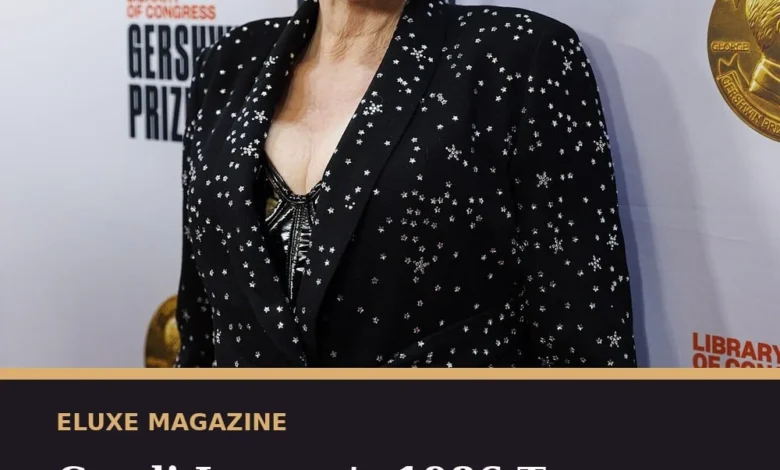
In a remarkable testament to the enduring legacy of 1980s pop culture, an avant-garde ensemble famously worn by Cyndi Lauper during the promotion of her second studio album, True Colors, achieved a staggering result at auction this October. The lot, which featured the iconic, handcrafted newsprint skirt that graced the album’s cover, sold at Bonhams in New York for $45,500—a figure more than 22 times its initial high estimate of $2,000. The sale, titled Cyndi Lauper: Suitcase of Memories, Part I, underscored the intense collector interest in the artifacts that defined the visual identity of a generation.
The Anatomy of an Icon: Construction and Provenance
The skirt, which has been cited as a pinnacle of "do-it-yourself" high fashion, was not the product of a luxury design house or a high-fashion atelier. Instead, it was the result of an impromptu creative collaboration between Cyndi Lauper and Laura Wills, the owner of the legendary New York vintage boutique Screaming Mimi’s. Lauper, who had previously worked at the shop, turned to Wills to curate a look that would encapsulate the vibrant, chaotic, and authentic energy of the mid-80s.
The construction of the piece was deceptively simple, relying on the contrast between a rigid structural foundation and ephemeral, disposable materials. The base consisted of a vintage hoop underskirt, a relic of historical costume design, which provided the necessary volume and silhouette. Over this structural cage, the pair adhered a mosaic of newsprint strips and pages sourced from Paper Magazine. By utilizing the lightweight, porous nature of newsprint, they were able to create a garment that possessed a dramatic, architectural presence without the prohibitive weight of traditional fabric.
This juxtaposition—soft lace elements paired with the gritty, temporal nature of discarded newsprint—created a visual narrative that felt both spontaneous and calculated. The skirt was paired with a delicate, baby-blue and white lace blouse by Stella Fagin, which served to soften the visual "noise" of the newspaper skirt. The ensemble was completed with hand-painted heels, ensuring the color story remained cohesive from head to toe.
Chronology of a Career-Defining Look
The significance of the garment extends beyond its initial photographic debut. While the image captured by legendary photographer Annie Leibovitz for the True Colors album cover solidified the skirt’s place in history, the piece was subjected to the rigors of performance. Lauper donned the outfit for the music video of the album’s title track, which became a global anthem. Furthermore, the skirt survived the physical demands of the 1986 and 1987 True Colors World Tour, demonstrating a durability that belies its paper-based composition.
The following timeline highlights the key milestones of this piece:
- 1986: Construction of the skirt at Screaming Mimi’s, followed by the Leibovitz album cover shoot and subsequent music video filming.
- 1986–1987: The skirt is utilized as a staple of the True Colors World Tour.
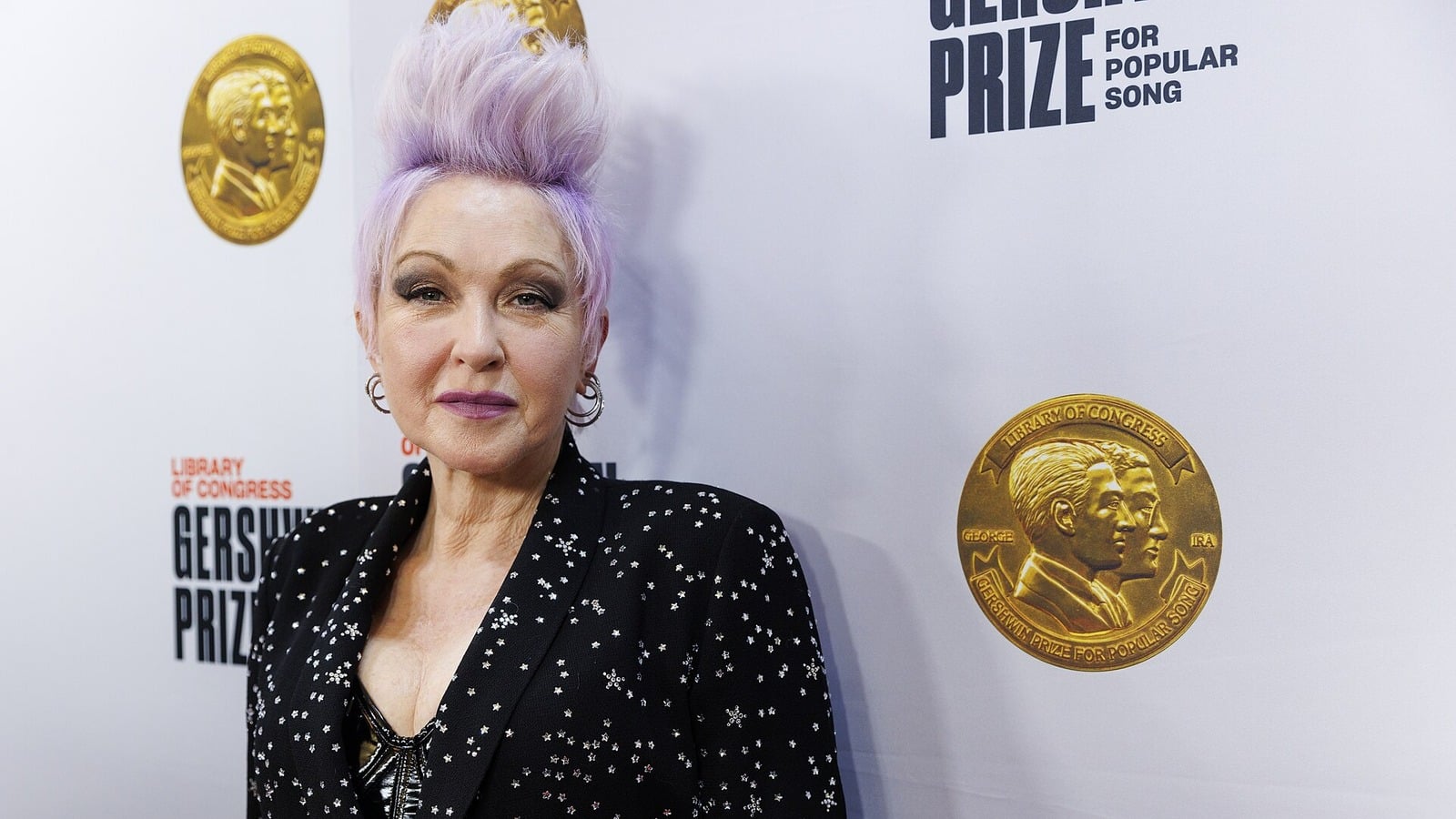
- 2023: Cyndi Lauper receives significant honors, including the Library of Congress Gershwin Prize, sparking renewed interest in her career archives.
- 2025: Singer-songwriter Chappell Roan pays homage to the legacy of the garment by wearing a faithful replica to induct Lauper into the Rock & Roll Hall of Fame.
- October 22, 2026: The original ensemble is auctioned as Lot 11 at Bonhams, New York, fetching $45,500.
Auction Dynamics: A Study in Value
The auction of this lot, held on October 22, 2026, provided a fascinating case study in how collectors perceive value. When Bonhams initially cataloged the item, the estimate of $1,000 to $2,000 was based primarily on the physical condition and the historical provenance of the materials themselves. However, the final hammer price of $35,000 (reaching $45,500 after the buyer’s premium) suggests that the market does not merely purchase materials; it purchases the cultural memory attached to them.
According to post-auction reports from Bonhams, the sale attracted 23 distinct bidders from six different countries, indicating that the appeal of the 1980s pop aesthetic is a global phenomenon. The "Suitcase of Memories" auction series, which saw a 100 percent sell-through rate and a total realization of $625,448 for Part I, confirms that Lauper’s memorabilia carries significant weight in the current collectibles market. It is essential to note that the $45,500 price tag covered the full ensemble—the hoop skirt, the newsprint overlay, the Stella Fagin blouse, and the painted shoes—but explicitly excluded the wig worn on the original cover, which was not part of the lot.
The Broader Implications of "Trash Couture"
The enduring popularity of the True Colors skirt invites a deeper analysis of the "trash couture" movement. In the history of fashion, the practice of using unconventional materials—such as paper, plastic, or repurposed vintage waste—has often been a response to the restrictive nature of traditional fashion houses. By sourcing materials from a vintage shop and using mass-produced printed media, Lauper and Wills were effectively democratizing fashion.
This approach remains highly relevant in contemporary design. As the fashion industry grapples with sustainability and the environmental impact of textile waste, the DIY aesthetic of the 1980s serves as a historical precedent for circular design. When Chappell Roan wore a replica of the skirt in 2025, it was not merely an act of nostalgic mimicry; it was an acknowledgment that the "order of operations" established by Lauper—frame first, decoration second—remains a viable and potent way to construct visual identity.
Cultural Legacy and Market Outlook
The fact that this garment, which is composed of materials that were inherently designed to be ephemeral, has survived four decades is a rarity. The preservation of such items requires significant care, as the glue and paper used in 1986 were never intended to endure the test of time. The successful sale at Bonhams serves as a reminder that the value of celebrity artifacts is increasingly decoupled from the intrinsic value of the raw materials. Instead, the value is tethered to the "myth-making" power of the individual.
The auction result also reflects a broader trend in the collectibles market where fans and institutional collectors are increasingly competing for items that represent "moments" rather than merely "objects." For the buyer of the True Colors ensemble, the purchase represents the acquisition of a tangible piece of musical history—a relic that helped define the visual language of the 1980s.
As the industry moves forward, the legacy of this skirt continues to influence both fashion designers and pop culture figures alike. It stands as a prime example of how creative resourcefulness, when combined with a strong, authentic brand voice, can produce an enduring legacy. While the physical materials of the skirt may eventually require extensive conservation to survive further decades, the image of Cyndi Lauper in her newspaper-clad hoop skirt is firmly cemented in the pantheon of iconic 20th-century fashion moments. The $45,500 price tag is a mere footnote to the cultural capital this piece has generated over the last 40 years.