The Rise of Nontoxic Kitchenware: Why Wood Cutting Boards Are Replacing Plastic Amid Microplastic Concerns

The modern kitchen is undergoing a quiet, health-conscious transformation as consumers increasingly scrutinize the everyday tools used to prepare meals. While synthetic and plastic cutting boards have long dominated the market due to their low cost, lightweight design, and dishwasher-safe convenience, growing scientific evidence regarding microplastic contamination has triggered a significant shift back to traditional wooden alternatives. Home cooks, culinary professionals, and sustainable lifestyle brands are rethinking essential kitchen gear, prioritizing long-term durability and nontoxic materials over synthetic convenience.
The Microplastic Dilemma in Food Preparation
To understand the sudden pivot toward wooden kitchenware, one must examine the emerging data surrounding microplastics—minute polymeric particles measuring less than five millimeters that result from the breakdown of larger plastic items. Because synthetic materials resist rapid degradation, accumulating waste persists in the environment for centuries, eventually fragmenting into microscopic pieces that infiltrate ecosystems, water systems, and the human body.
Recent toxicological research has linked internal accumulation of microplastics to various adverse biological responses, including cellular inflammation, metabolic disruptions, and potential neurotoxicity. Furthermore, contemporary scientific studies have identified plastic cutting boards as a primary vector for introducing microplastics directly into the human diet. The mechanical action of chopping vegetables, slicing meats, and dicing herbs with steel knives inevitably scores synthetic surfaces, releasing micro-particles that adhere directly to food ingredients. Consequently, health-conscious consumers are systematically eliminating plastic utensils, spatulas, and cutting surfaces from their households, replacing them with eco-friendly, FSC-certified wood products.
Criteria for Sustainable and Safe Kitchenware
In response to shifting consumer demand, independent product researchers and sustainability advocates have established rigorous evaluation standards for alternative kitchenware. The benchmark for a superior wooden cutting board extends beyond mere aesthetics, focusing on material traceability, chemical safety, and ethical manufacturing practices.
Qualified products must utilize responsibly harvested timber certified by organizations such as the Forest Stewardship Council (FSC), ensuring that harvesting practices preserve biodiversity and forest regeneration. Additionally, high-tier cutting boards must be treated exclusively with food-safe, natural finishes—such as organic beeswax, mineral oil, or linseed oil—thereby avoiding synthetic resins, formaldehyde-based glues, or per- and polyfluoroalkyl substances (PFAS). When properly maintained through periodic hand-washing and oil conditioning, solid wood boards exhibit natural antibacterial properties, protect knife edges from premature dulling, and offer a functional lifespan that spans decades rather than years.
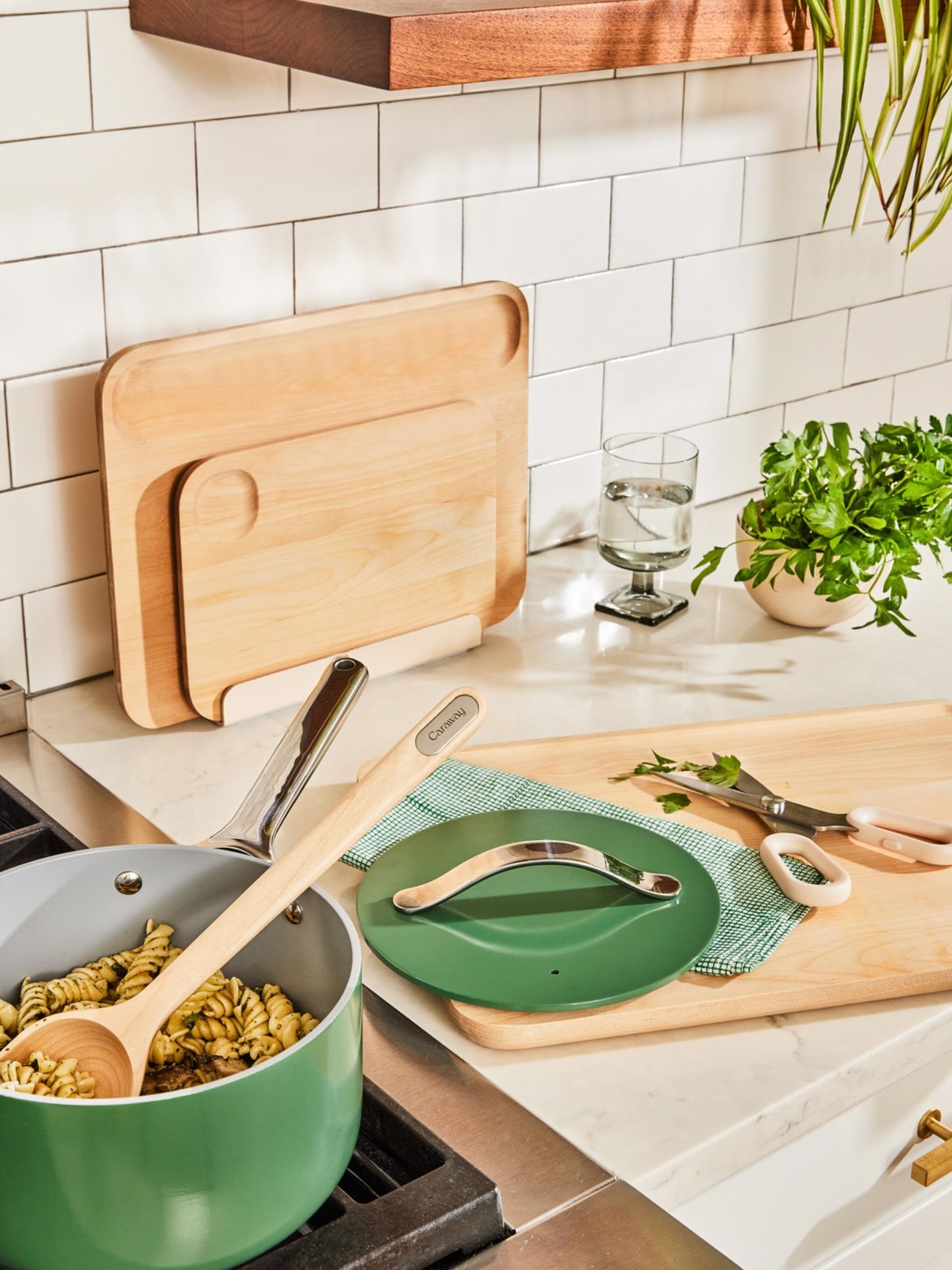
Industry Landscape: Top Sustainable Cutting Board Brands
The market for sustainable cutting boards now encompasses a wide array of manufacturers, ranging from heritage woodworking shops to scaled home-goods companies committed to circular design and ethical production.
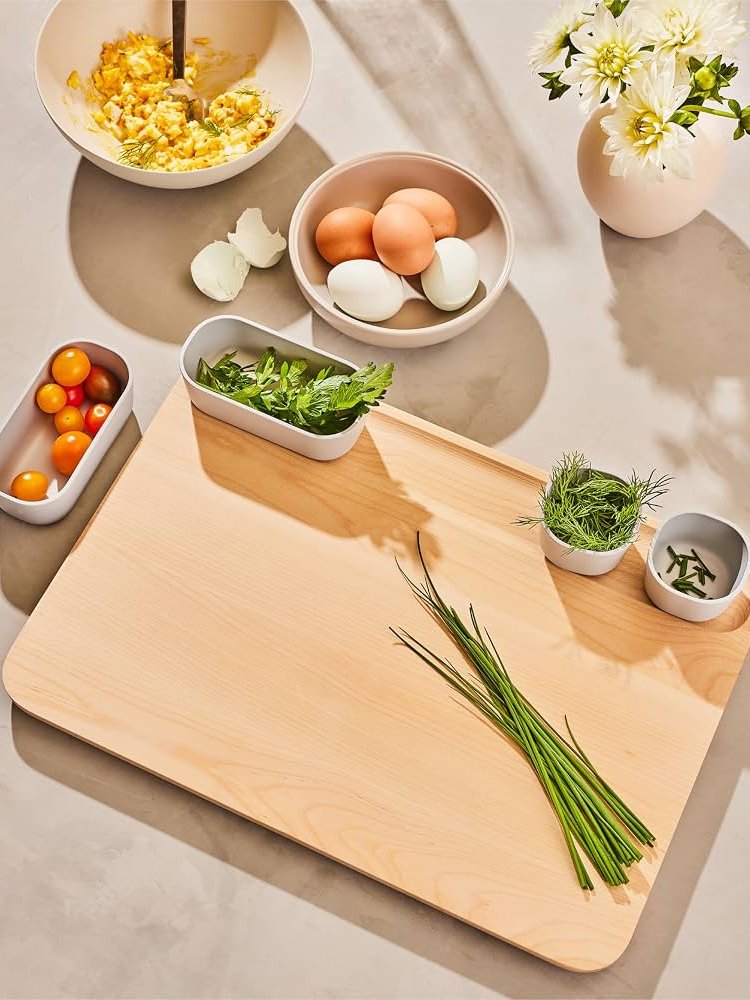
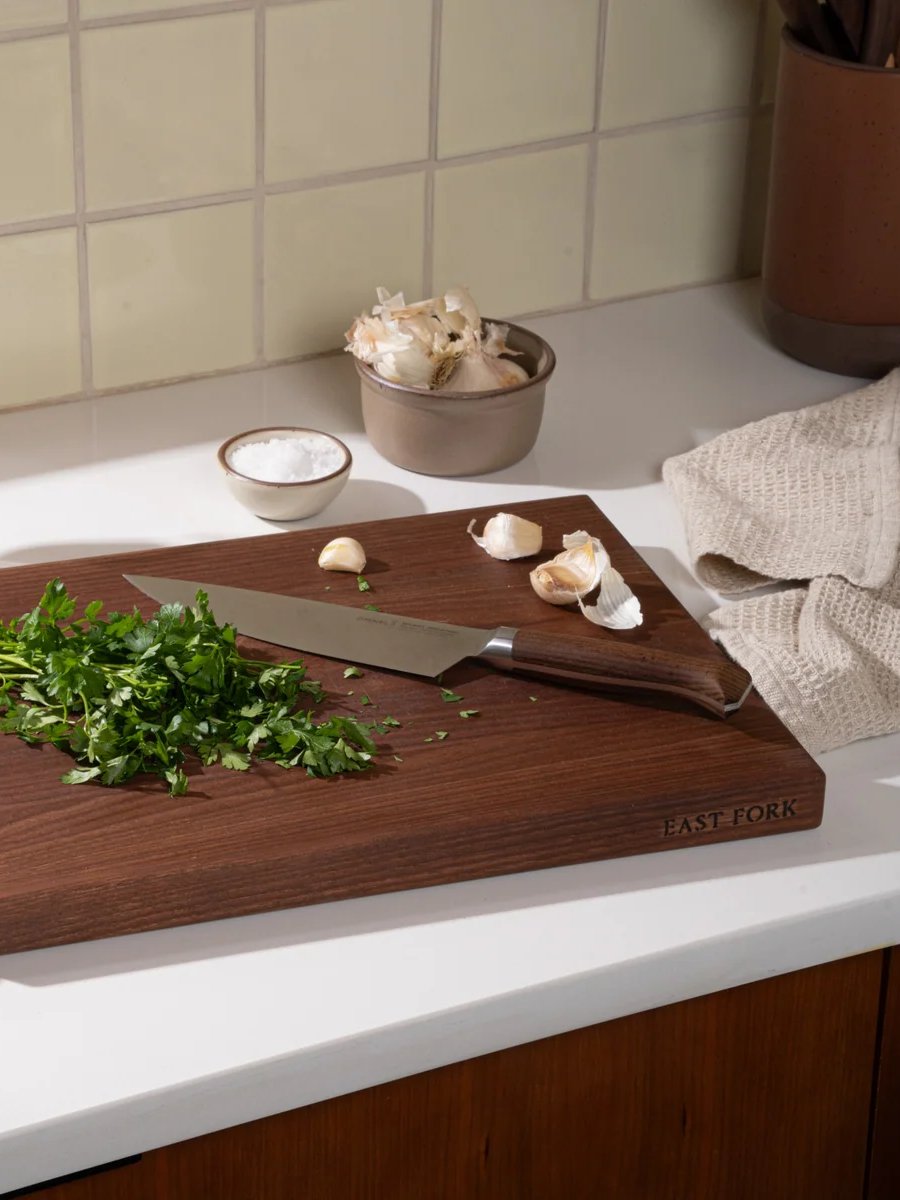
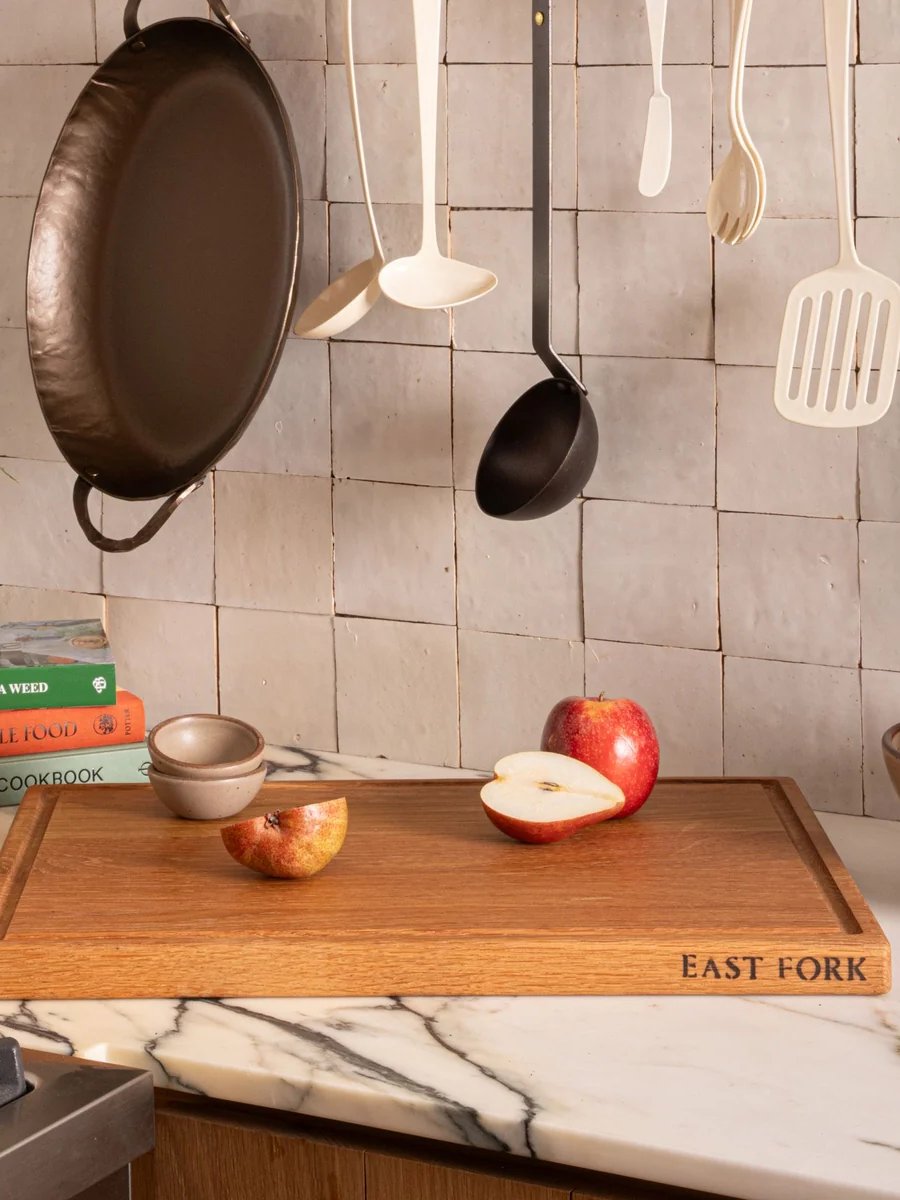
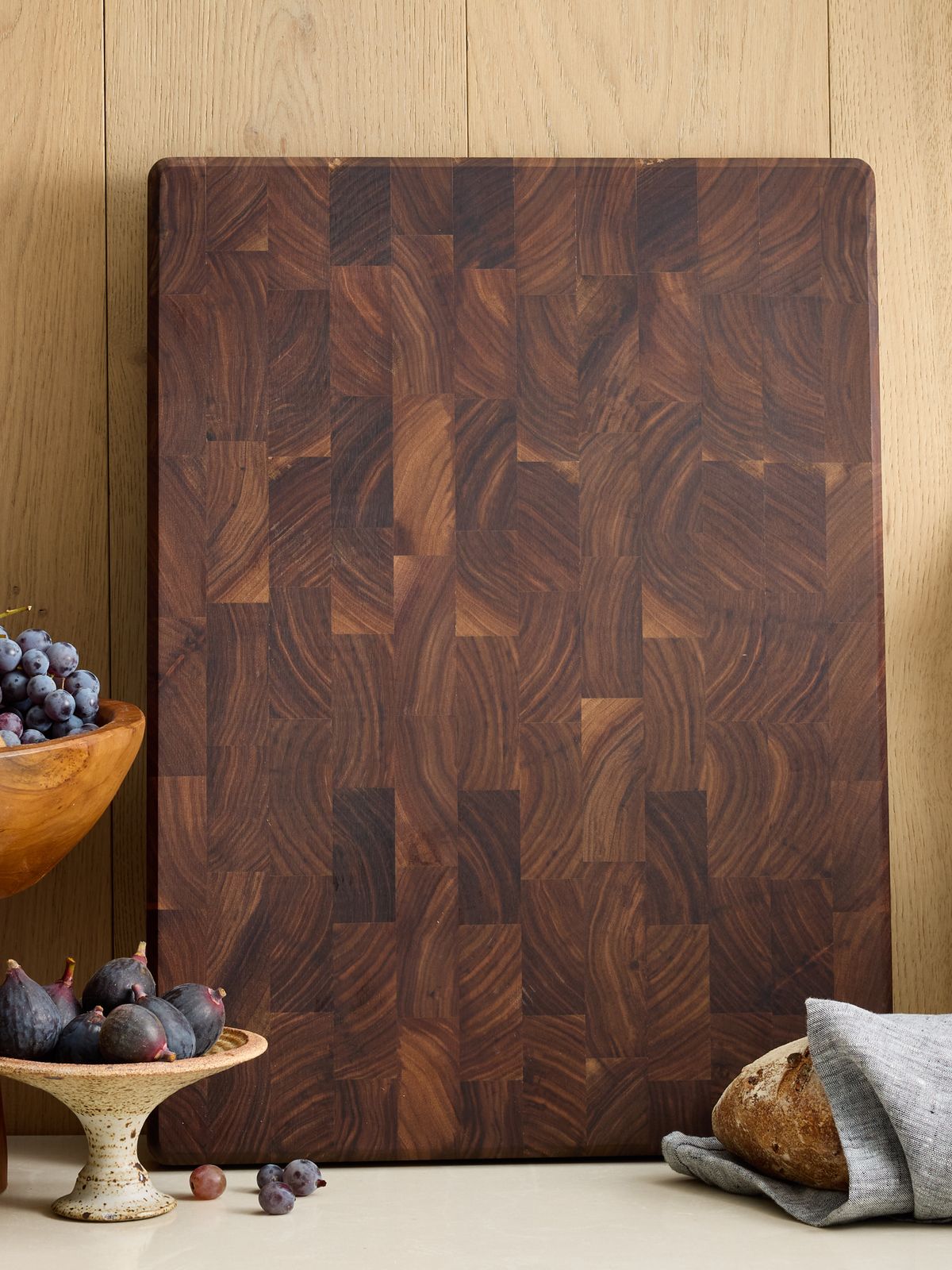
East Fork, based in Michigan and North Carolina, has gained traction among budget-conscious consumers seeking durable, American-made kitchen accessories. Utilizing regionally sourced white oak, walnut, cherry, and ash, the brand offers multi-sized boards designed for daily meal preparation as well as specialized ebonized finishes crafted by independent woodworkers.
Caraway, widely recognized for its ceramic non-stick cookware, applies its non-toxic philosophy to a collection of FSC-certified birch wood boards. These rectangular boards feature integrated juice grooves and are frequently sold in coordinated multi-piece sets complete with vertical storage racks, offering an accessible entry point for home cooks transitioning away from synthetic materials.
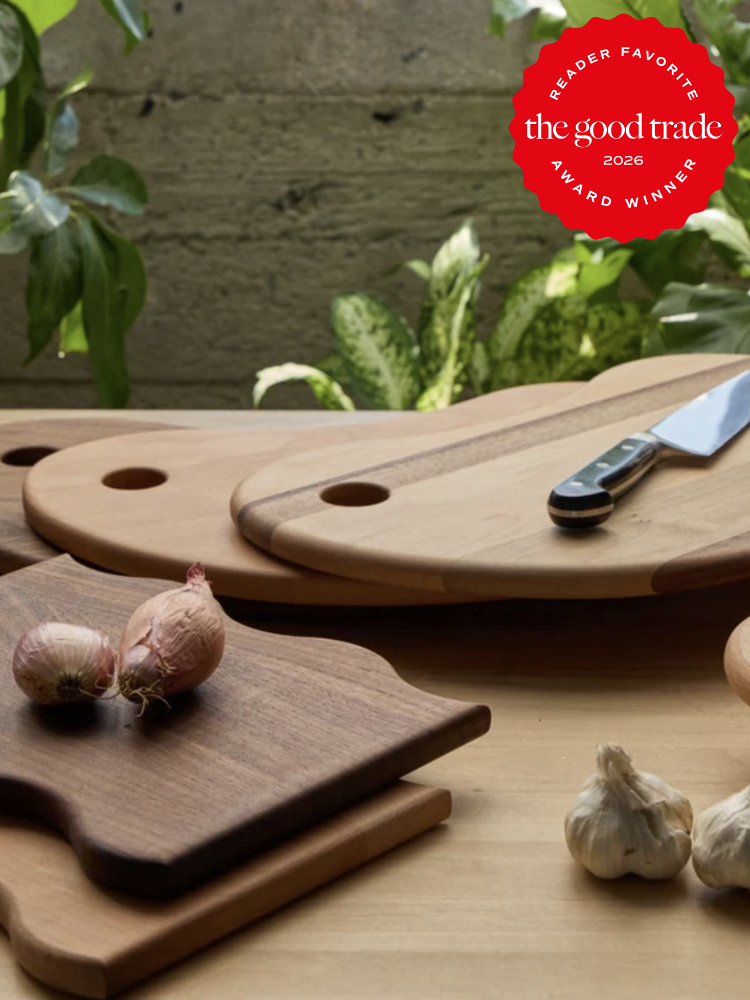
Avocado, a certified B Corporation and Climate Neutral brand known for its strict environmental standards, approaches kitchen sustainability through circular manufacturing. The company produces zero-waste cutting boards constructed from upcycled maple, beechwood, and walnut scraps diverted from commercial furniture production. This initiative supports Avocado’s broader corporate mandate to achieve high landfill-diversion rates, transforming manufacturing surplus into durable, functional homeware.
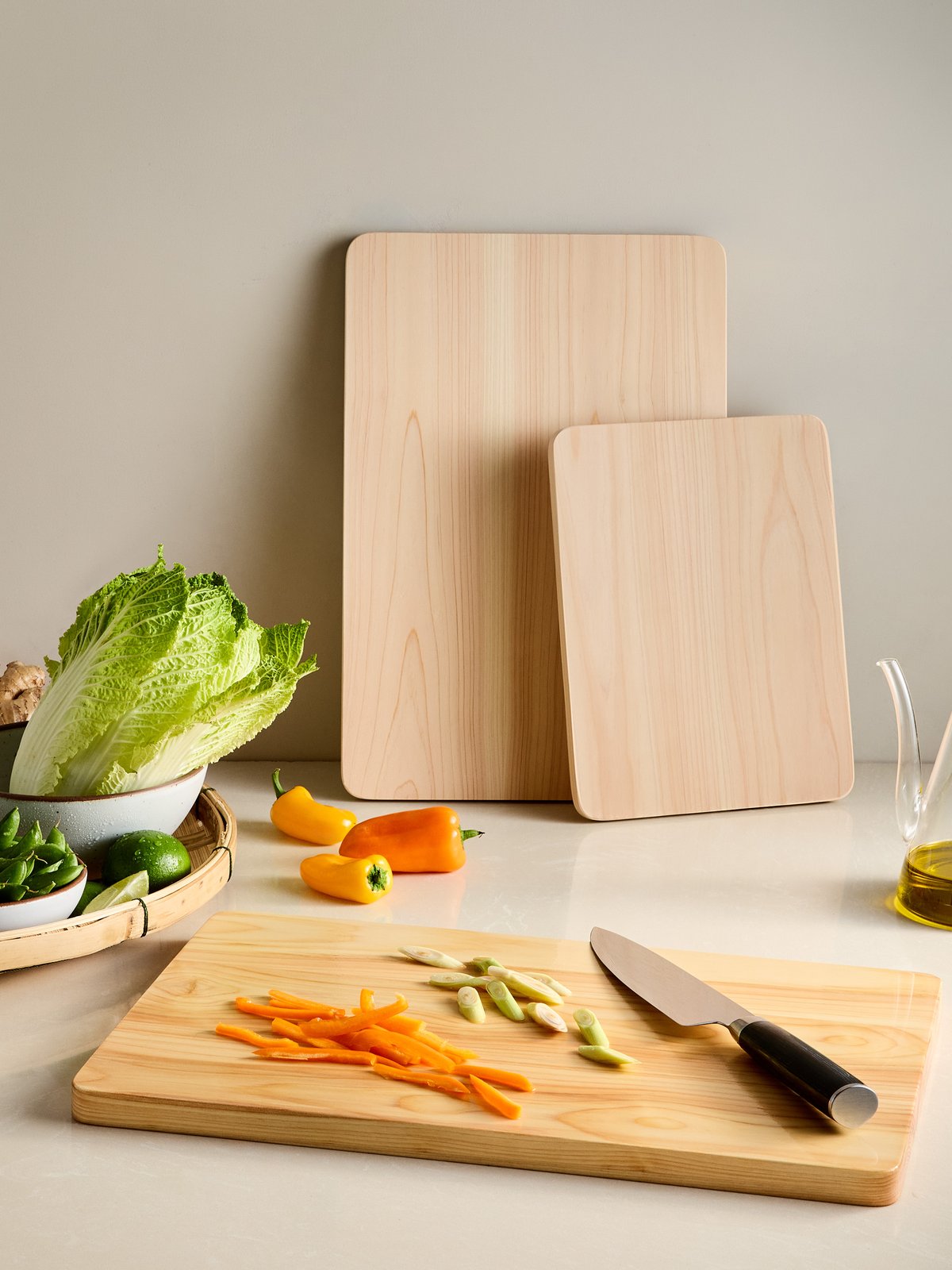
Quince focuses on democratizing access to high-end sustainable goods by offering North American walnut butcher blocks, composite wood configurations, and lightweight Japanese Hinoki cypress boards. The utilization of Hinoki wood, in particular, provides a soft, aromatic grain that minimizes wear on high-end chef knives while maintaining strict antibacterial qualities.
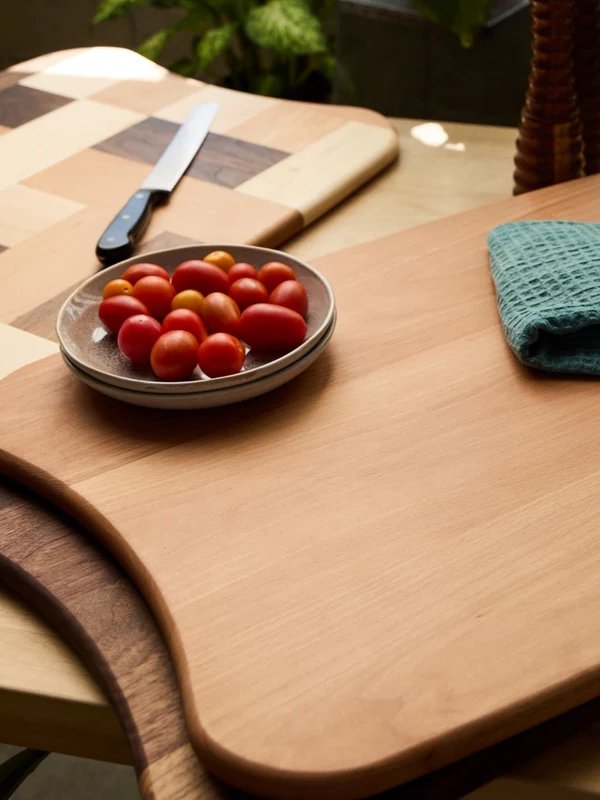
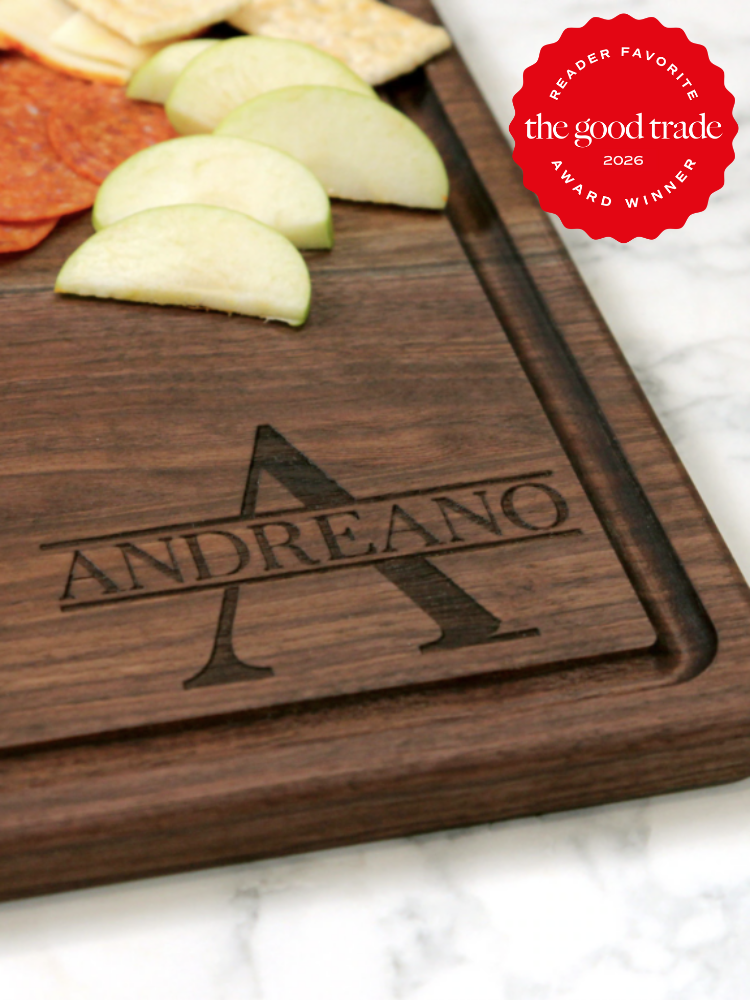
Etsy serves as a decentralized marketplace supporting independent artisans and small-scale domestic woodworking studios. Independent makers such as Rugged Woodworking, Walker Woodworking, and Refine Kitchenware produce custom, small-batch cutting boards from sustainably harvested domestic hardwoods. These artisan pieces often feature bespoke sizing, end-grain construction for enhanced self-healing properties, and personalized engraving options favored for gift-giving.
Alternative Materials and Hybrid Innovations
While solid wood remains the gold standard for traditionalists, material science and innovative design have introduced hybrid alternatives for consumers seeking specific functional advantages.
Material, a contemporary kitchenware brand, offers boards composed of 75 percent recycled kitchen plastic scraps and 25 percent renewable sugarcane. Designed to bridge the gap between sustainability and dishwasher compatibility, these boards provide a recyclable, heavy-duty prep surface for households prioritizing effortless sanitization.
Public Goods addresses the plastic dilemma through engineered wood composites. The brand manufactures heavy-duty prep boards utilizing compressed paper and wood fiber—the same durable composite material used in professional skate ramps—augmented with slip-resistant silicone corners and integrated juice channels.
Made In caters to the culinary professional market by supplying robust, North American maple butcher blocks designed to withstand rigorous commercial kitchen environments. With thick profiles, reversible flat and grooved sides, and steam-cured durability, these professional-grade blocks represent a lifetime investment for dedicated home cooks.
Implications for the Home Goods Market
The transition from plastic to wooden and sustainable composite cutting boards reflects a broader psychological shift in consumer spending. Rather than treating kitchen accessories as disposable commodities subject to frequent replacement, buyers are increasingly evaluating home goods through the lens of longevity, environmental footprint, and personal wellness. As scientific scrutiny regarding microplastics intensifies, the kitchenware industry is expected to continue its departure from synthetic polymers, cementing sustainably harvested wood and circular materials as foundational standards for modern culinary design.