Navigating Conscious Consumerism: The Evolution of Sustainable Shopping During Black Friday and Cyber Week 2026

The intersection of mass commercialism and environmental consciousness has long presented a paradox for consumers. As the holiday shopping season reaches its peak between Thanksgiving and Cyber Monday, the retail landscape is dominated by aggressive discounting, flash sales, and heavy marketing. Historically characterized by frenzied crowds and an emphasis on ultra-low prices for mass-produced goods, the post-Thanksgiving shopping weekend has undergone a significant transformation. In recent years, a growing sector of the retail market—comprising ethical brands, certified B-corps, and eco-conscious enterprises—has sought to redefine this period, offering deliberate alternatives to fast consumption through targeted promotions on sustainably sourced products.
This shift reflects broader economic and environmental trends. According to recent retail analytics, consumer demand for transparent supply chains and non-toxic, durable goods has steadily risen, even amid broader inflationary pressures. While sustainably crafted items traditionally carry a higher price point due to fair labor practices, organic materials, and rigorous environmental certifications, holiday promotional periods have increasingly become a strategic window for shoppers seeking to make value-aligned purchases without exceeding personal budgets.
The Paradox of Post-Thanksgiving Retail and Sustainability
The modern retail phenomenon known as Black Friday originated as a cornerstone of American holiday shopping, traditionally marking the unofficial beginning of the Christmas shopping season the day after Thanksgiving. Over the decades, the event expanded globally and evolved from a single day of brick-and-mortar doorbusters into a multi-week digital marathon encompassing Cyber Monday and Cyber Week.
However, the event’s environmental toll has faced mounting scrutiny. Critics point to the surge in carbon emissions associated with expedited shipping, the overproduction of disposable goods, and the promotion of a throwaway culture that runs counter to global climate objectives. In response, a segment of the retail industry has adopted a more measured approach. Rather than encouraging impulse buying, many sustainable brands utilize holiday sales as an opportunity to convert hesitant consumers who might otherwise opt for cheaper, lower-quality alternatives from fast-fashion and mass-market giants.
Industry analysts note that making ethical goods more accessible through seasonal discounts addresses a critical barrier to entry: cost. Highlighting these sales allows conscious consumers to procure durable essentials—ranging from organic mattresses to ethically manufactured apparel—while supporting brands that prioritize circular economies and fair wages.
Comprehensive Overview of 2026 Sustainable Holiday Promotions
As retail calendars shift earlier, numerous verified sustainable and ethical brands have structured their promotional schedules to span late November through early December, accommodating both early shoppers and those tracking Cyber Week deals.
Bedding and Sleep Wellness
The market for non-toxic sleep products has seen robust growth, driven by consumer awareness regarding indoor air quality and organic materials. Major players in the sustainable sleep sector have rolled out extended holiday initiatives:

- Avocado Green Mattress: Extending its promotional window through December 7th, the certified B-corporation is offering sitewide savings of up to 20 percent on its flagship organic mattresses, pillows, and bedding essentials without requiring a promotional code.
- Naturepedic: Operating through the same December 7th deadline, Naturepedic has implemented a 20 percent sitewide discount, alongside a 25 percent reduction on specific bedding lines and the Concerto Organic Pillow Top Mattress, accessible via the code BLACKFRIDAY.
Ethical Fashion and Apparel
The fashion industry remains one of the largest contributors to global textile waste, prompting sustainable apparel brands to emphasize longevity and organic fiber sourcing.
- MATE the Label: Focused on organic, non-toxic loungewear and everyday essentials, the brand has initiated a 25 percent sitewide markdown for the shopping weekend.
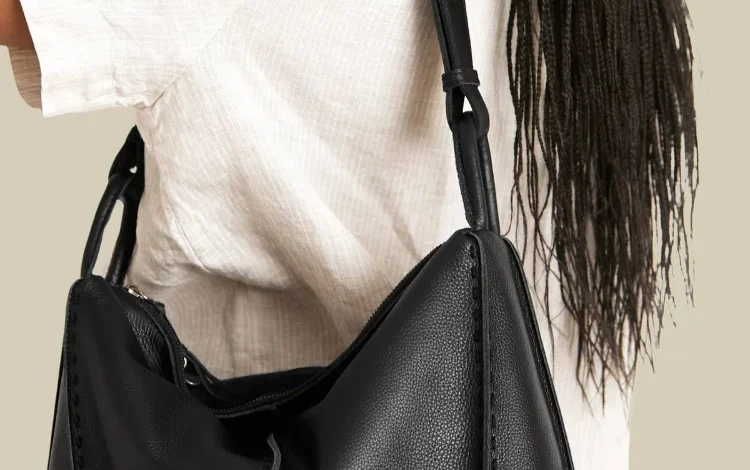
- The Sak: Highlighting artisan-made accessories and sustainable leather alternatives, the brand is offering 30 percent off select styles through November 29th using the code SAKFRIDAY.
Home Goods and Kitchenware
The shift toward durable, non-toxic kitchenware has gained momentum as consumers look to replace traditional non-stick coatings containing synthetic chemicals.
- Our Place: Known for versatile cookware designed to replace multiple traditional pots and pans, the brand has structured a sitewide sale offering reductions of up to 45 percent through November 30th, alongside targeted doorbuster pricing for items such as the Wonder Oven Pro and the Always Pan Duo.
Wellness and Personal Care
The wellness sector has similarly embraced the holiday promotional cycle, focusing on holistic health, recovery, and intimate care.
- LELO: The premium lifestyle brand is offering a 20 percent reduction across its catalog, stackable with existing site promotions, utilizing an exclusive partner code.
- Perelel: Targeted at supporting women’s health across various life stages, the brand has instituted a 25 percent sitewide discount through December 1st with the code BF2026.
- Plunge: Capitalizing on the rising popularity of hydrotherapy and home wellness, the company has announced savings of up to 30 percent on cold plunges, paired with significant price reductions on traditional saunas.
Family and Nursery
Investing in durable, non-toxic furniture for children has become a priority for eco-conscious parents navigating long-term household investments.
- Nurture&: Running a promotion through December 8th, the brand is offering substantial sitewide savings of up to $1,195, with specific discounts reaching up to $500 on nursery seating and ergonomic furniture.
Economic Implications and Consumer Strategy
Market researchers emphasize that navigating holiday sales with a clear list of intended purchases remains the most effective strategy for maintaining sustainable habits. Impulse buying, even when directed toward eco-friendly goods, can contribute to unnecessary resource consumption and financial strain.
Financial analysts observe that while promotional events drive significant revenue for independent and ethical brands, they also require these companies to carefully balance profit margins against the aggressive discounting set by multinational retail conglomerates. Consequently, many sustainable brands limit their discounting windows or apply promotions exclusively to core inventory, ensuring that fair labor compensation and sustainable material sourcing are not compromised.
Ultimately, the evolution of Black Friday and Cyber Week reflects a maturing consumer base. By aligning purchasing power with corporate accountability, shoppers are increasingly using the holiday season not merely to accumulate goods, but to invest in long-lasting, ethically produced items designed to reduce environmental impact over their entire lifecycle.