Vegan heels for Christmas party season, from block heels you can dance in to the brands using apple and grape leather

The Evolution of Bio-Based Footwear Materials
The contemporary vegan footwear market has undergone a technical transformation. Rather than relying on low-grade, non-breathable plastics, modern designers are utilizing agricultural by-products to create durable, high-performance materials. The most prominent of these include AppleSkin, derived from apple industry waste; Vegea, a grape leather produced from Italian wine marc; and Desserto, a textile engineered from nopal cactus.
These materials are not 100% plant-based in their current form; they are advanced composites that blend organic fibers with polyurethane (PU) or bio-polyurethane. This manufacturing process is essential for achieving the durability required for seasonal footwear. For instance, testing protocols such as the Martindale rub cycle—a standard measurement of a textile’s resistance to abrasion—show that high-quality bio-leathers like Vegea can withstand upwards of 50,000 cycles. This level of durability is critical for party shoes, which are frequently subject to scuffing in crowded social environments. The inclusion of PU, while often criticized, provides a necessary barrier against the moisture of a wet November and December, ensuring the finish remains polished despite inclement weather.
Ergonomic Considerations: The Block Heel Advantage
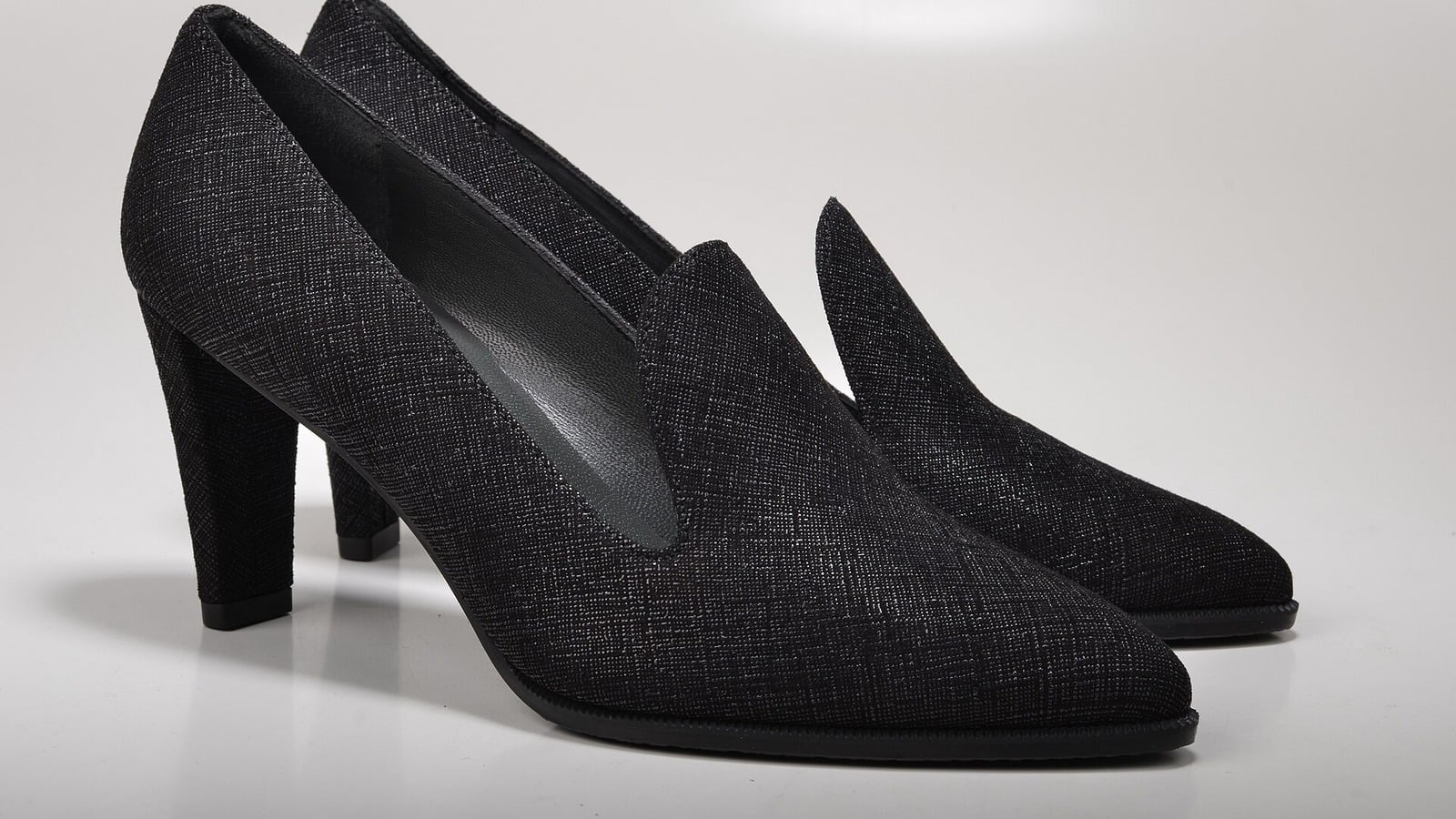
The transition from stiletto to block heel represents a fundamental shift in seasonal fashion strategy. According to industry guidelines, such as those published by the Polish design house BOHEMA on 18 March 2026, the structural support of a shoe is the primary determinant of comfort. Stilettos, while iconic, offer a minimal surface area for weight distribution, leading to increased pressure on the ball of the foot and higher instability.
For events exceeding two hours in duration, the block heel serves as the superior choice. By increasing the base of support, the shoe allows for more even weight distribution, reducing the strain on the wearer’s metatarsals. When selecting footwear for a Christmas reception, the venue and the "chair-to-attendee" ratio should dictate the choice of heel height. If the itinerary includes standing receptions or dancing, a lower, stable block heel is recommended. If the engagement is a seated gala, the stiletto may be considered, provided the wearer intends to remain stationary for the majority of the evening.
Chronology and Market Availability: A Snapshot
As of 24 November 2026, the retail landscape for premium vegan footwear reflects a mix of high demand and supply chain volatility. Popular styles, particularly those utilizing apple leather, are experiencing inventory depletion across several major sizes.
- 18 March 2026: BOHEMA releases its comprehensive guide on vegan heel ergonomics, establishing the industry standard for heel-height classification based on event duration.
- 24 November 2026: Market assessment of NAE Vegan Shoes reveals the "MARTINA Black Mary Jane" (priced at €125.00) as a benchmark for current design trends. The shoe features a 6.5 cm block heel, AppleSkin upper, and a moisture-wicking OnSteam lining.
- Inventory Status (as of 24 Nov 2026): Retailers report a sell-through of sizes 36, 38, and 41 for specific high-demand models. The existence of "Second Life" or pre-loved resale programs, such as those offered by NAE, indicates a growing secondary market for sustainable footwear, allowing consumers to acquire high-quality pieces that might otherwise be unavailable due to production limits.
The Importance of Lining and Breathability
A common error in footwear selection is the failure to consider the internal composition of the shoe. While the upper material defines the look and water resistance, the lining defines the physical comfort. Sealed synthetics, often found in low-cost, mass-produced vegan shoes, are non-porous, which leads to trapped heat and perspiration. This increases the internal volume of the foot through swelling, causing straps to tighten and pinch—the primary cause of "shoe failure" at social events.
Industry experts recommend seeking breathable microfibre linings or natural cotton components. Materials like OnSteam are specifically engineered to provide high moisture absorption and rapid drying, which effectively mitigates the swelling that typically occurs after several hours of wear.
Strategic Selection and Break-in Protocols
To ensure longevity and comfort, consumers must adopt a systematic approach to shoe sizing and maintenance. Bio-based leathers possess different elasticity profiles than traditional bovine leather. While they soften slightly with continued use, they do not undergo the significant stretching process associated with animal hides. Therefore, the common practice of purchasing a smaller size with the expectation of a "break-in" period is often counterproductive and can lead to permanent foot discomfort.
The recommended protocol for new footwear includes:
- Indoor Testing: Wearing the shoes indoors for 60 to 120 minutes while wearing the specific hosiery intended for the event. This identifies pressure points and allows for adjustments, such as adding additional buckle holes or using insoles, before the shoe is subjected to outdoor terrain.
- Transport Strategy: To preserve the aesthetic finish of the heel and the integrity of the heel tip, it is advised to commute in flat shoes and change into the party footwear upon arrival. This minimizes the risk of damage from urban environments, such as pavement gaps or salt and snow, which can degrade composite materials prematurely.
- Investment vs. Durability: High-quality, handmade items—such as those produced in Poland by BOHEMA—often carry multi-year warranties. When calculating the cost-per-wear of a festive shoe, the initial purchase price should be weighed against the likelihood of the product surviving multiple holiday seasons.
Broader Industry Impact and Environmental Context
The movement toward bio-based materials is part of a broader shift in the fashion industry to reduce the carbon footprint of luxury goods. By repurposing waste from the food and beverage sectors—specifically the wine and apple industries—manufacturers are creating a circular economy model that reduces reliance on virgin plastics and petroleum-based synthetics.
However, the industry remains in a transitional phase. The fact that most vegan "leathers" remain composites highlights the technical limitations of current bio-polymer technology. The integration of PU is currently the only viable method to achieve the high-gloss, water-repellent finish expected by the luxury market. As research into entirely bio-based polymers advances, the industry anticipates a shift toward fully compostable or biodegradable footwear.
For the consumer, the implications are clear: the current market offers a sophisticated, durable, and ethical alternative to traditional materials, provided the buyer exercises discernment regarding material composition and structural ergonomics. By focusing on breathable linings, appropriate heel heights for specific social contexts, and diligent maintenance, consumers can navigate the festive season with both style and physical comfort. As the industry continues to scale, the gap between traditional leather and high-performance vegan alternatives is expected to close further, positioning bio-based footwear as the standard rather than the niche.