Jonoya House An Architectural Sanctuary of Wood and Light Amidst the Urban Sprawl of Osaka

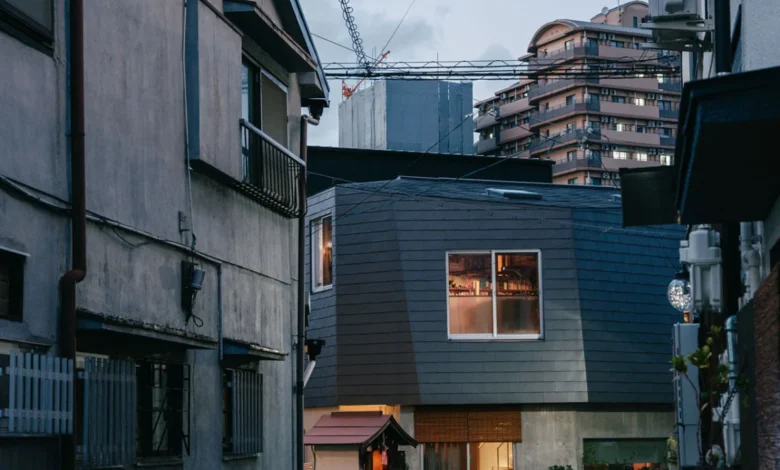
In the dense, labyrinthine streetscapes of Osaka, Japan, where the boundary between the public sphere and private life is often paper-thin, a new residential project has emerged as a masterclass in spatial introspection. Jonoya House, designed by the acclaimed architect Masakazu Tsujibayashi, represents a sophisticated response to the challenges of modern urban living. By prioritizing a rich "inner world" over an outward-facing presence, the residence functions as a secluded oasis, shielding its inhabitants from the relentless hum of one of Japan’s most bustling metropolises. The project is not merely a dwelling but a philosophical statement on the "dance" between the seen and the unseen, utilizing traditional materiality and avant-garde light management to redefine the concept of a sanctuary.
The Architectural Vision of Masakazu Tsujibayashi
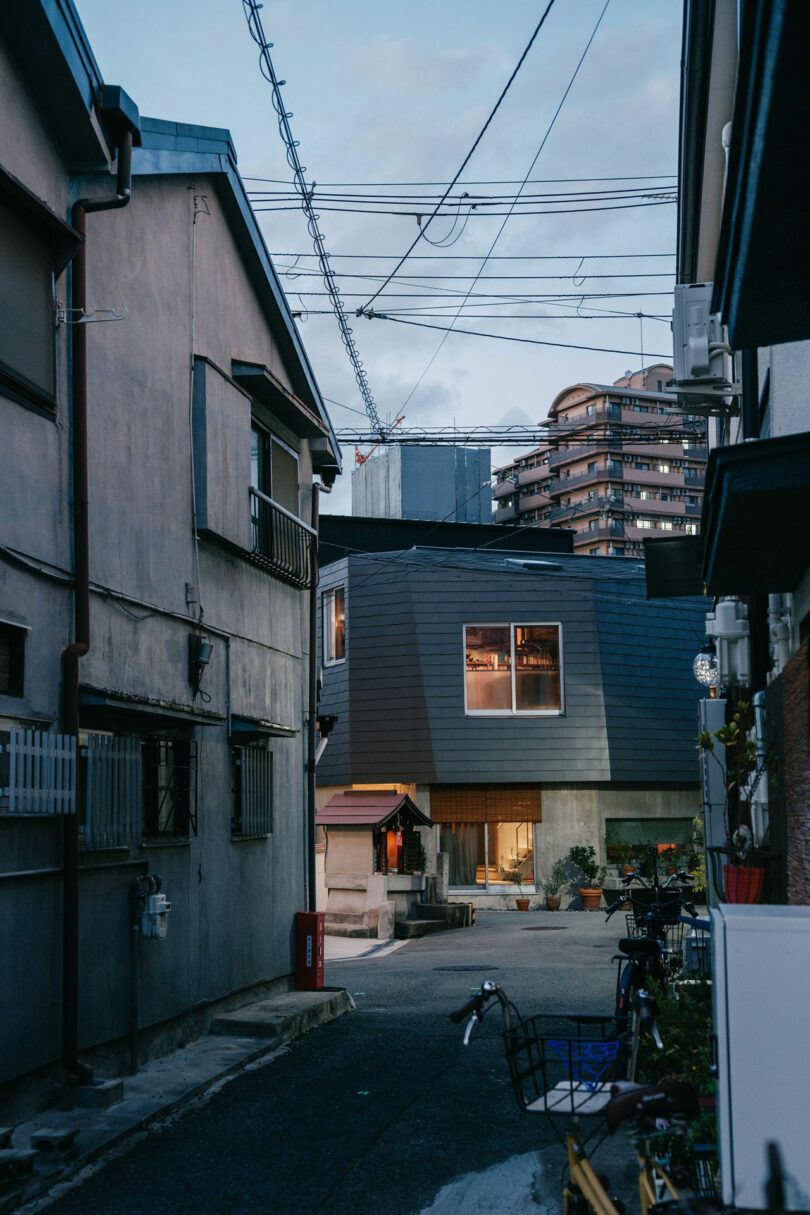
The design philosophy of Masakazu Tsujibayashi is rooted in the belief that architecture should be a transformative experience for the mind. In Jonoya House, this is achieved through a deliberate upending of traditional residential layouts. Rather than following the conventional logic of street-facing windows and standard room heights, Tsujibayashi has crafted a structure that directs the gaze inward and upward. This approach addresses a common grievance in Osaka’s residential districts: the lack of visual privacy due to the proximity of neighboring buildings and the narrowness of the "small streets" that define the city’s character.
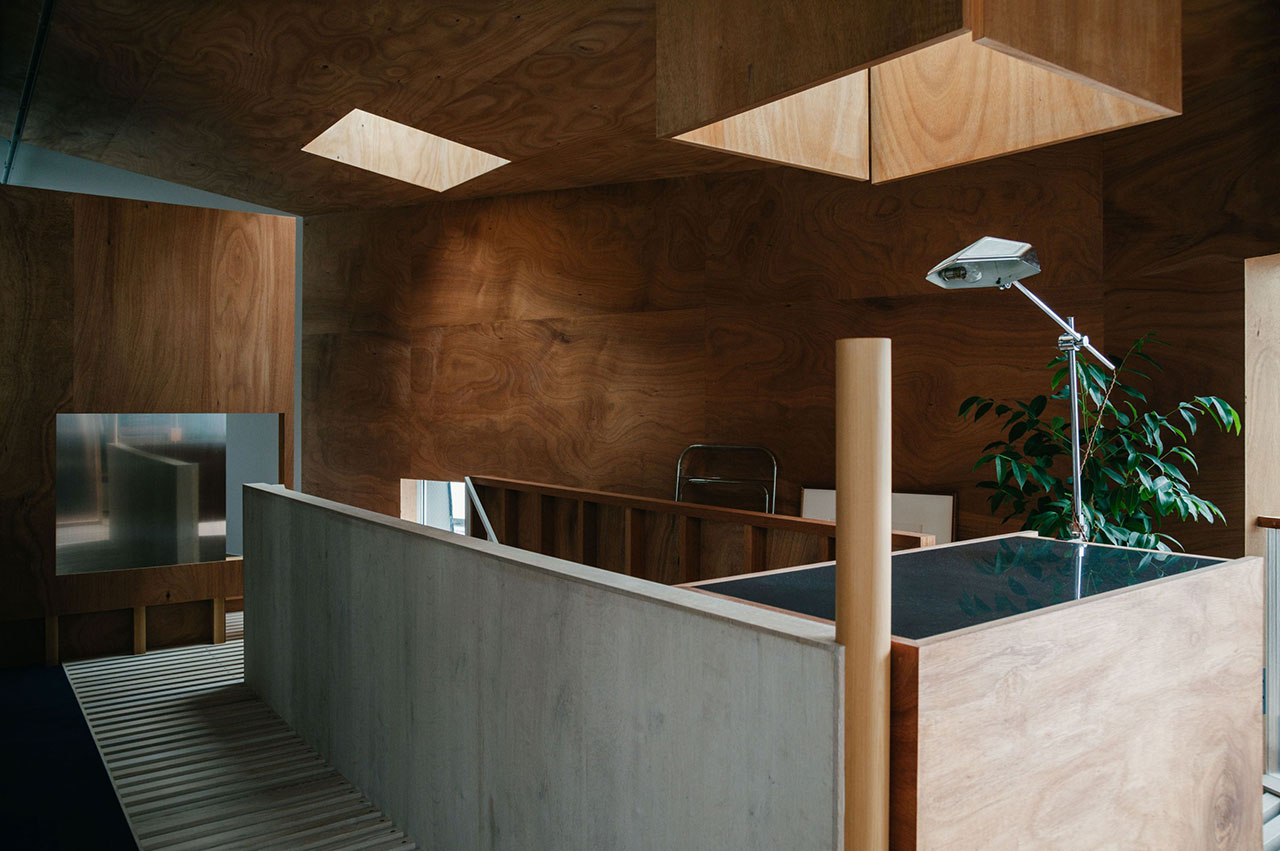
The architect’s use of wood is central to this vision. By bathing the interiors in warm, natural timber, the design pays homage to the organic growth patterns and undulations found in nature. This choice of material serves a dual purpose: it provides a tactile, grounding atmosphere that contrasts with the concrete and steel of the surrounding urban environment, and it utilizes the natural "chatoyance"—the luminous, silk-like shimmer of finished wood—to amplify the effects of natural light.
Structural Chronology and Material Composition
The development of Jonoya House followed a rigorous timeline focused on the integration of ancient joinery techniques with contemporary structural requirements. Japan’s building codes, among the strictest in the world due to seismic activity, required the project to balance its airy, open-plan interior with robust structural integrity.
Construction began with the establishment of a reinforced foundation capable of supporting the home’s unique angular geometry. The framing of the house utilizes advanced timber engineering, where joinery is not merely a functional necessity but a celebrated aesthetic feature. In many parts of the house, the intersections of beams and columns are left exposed, serving as a reminder of the "ancient technologies" that have informed Japanese architecture for centuries.

The interior palette is dominated by high-quality wood, utilized for walls, ceilings, and even specialized flooring. One of the most striking features is the implementation of wood slat floors on the upper levels. These slats allow light to permeate through the different storeys, creating a vertical continuity that prevents the home from feeling segmented. This design choice fosters a "treehouse" atmosphere, where the residents feel as though they are suspended within the heart of a living organism, protected by its "trunk"—the house’s outer shell.
Spatial Innovation and Light Management
The management of light and privacy is the defining technical achievement of Jonoya House. In a city where street-level activity is considered "the public’s business," Tsujibayashi opted for a facade that is almost entirely devoid of traditional waist-height windows. Instead, the architect utilized a combination of high-altitude skylights and floor-level apertures.

Large skylights are positioned strategically to catch the sun at various points throughout the day, casting a brilliance across the wooden surfaces. This top-down lighting strategy ensures that the interiors remain bright and inviting without exposing the residents to the eyes of passersby. Conversely, the floor-level windows provide a connection to the outside world that is subtle and controlled. These windows offer glimpses of the ground-level greenery or the street’s texture without compromising the privacy of the living spaces.
The interior geometry further challenges the status quo by incorporating corners that deviate from the traditional 90-degree right angle. These unconventional angles create pockets of visual interest and "unapproachable" corners that are transformed into functional spaces for reflection or storage. The result is a changing perspective that encourages the inhabitants to engage with their environment in new ways, a philosophy that Tsujibayashi believes can "carry far past the built environment, to introduce new ways of thinking to far corners of the mind."

The Central Axis: The Grand Staircase
If the wooden walls are the skin of Jonoya House, the grand staircase is its spine. This feature acts as the primary axis on which the entire residence turns. Bathed in a cascade of light from above, the staircase is accented by a mirrored wall that runs nearly its entire height. This reflection serves to double the perceived volume of the space, a critical design move in a footprint as compact as those typically found in Osaka.
The staircase is more than a transitional element; it is a showcase of craftsmanship. The visible joinery and the precision of the white railings provide a sharp, modern contrast to the organic warmth of the wood. At the base of the stairs, potted plants and concrete elements ground the structure, creating a transition between the "earthy" ground floor and the "lofty" upper levels.

Supporting Data: The Urban Context of Osaka
To understand the significance of Jonoya House, one must consider the demographic and geographical constraints of its location. Osaka is one of the most densely populated cities in the world, with a population density exceeding 12,000 people per square kilometer in its central wards. In such an environment, the "luxury of space" is often replaced by the "luxury of privacy."
Data from urban planning studies in Japan suggests a growing trend toward "internalized" architecture. As urban noise pollution and the lack of green space become more prevalent, homeowners are increasingly seeking residences that function as psychological refuges. Jonoya House addresses these metrics by:

- Maximizing Verticality: Utilizing multiple levels and slat floors to increase the sense of volume without increasing the footprint.
- Acoustic Insulation: The heavy use of wood and the strategic placement of storage units (the "library of life") act as natural sound dampeners against street noise.
- Thermal Regulation: The use of natural timber provides better insulation properties than traditional concrete, helping to regulate the microclimate within the home during Osaka’s humid summers and cold winters.
The Library of Life: Reflection and Utility
On the top floors, the design shifts toward a more utilitarian yet deeply personal function. The architect has integrated extensive storage solutions that serve as a "library of life." This area is dedicated to the accumulation of knowledge, personal artifacts, and reflection. The density of bookshelves and storage units on these levels provides a sense of intellectual weight, grounding the "treehouse" concept with a practical purpose.
This space includes a modern office interior with built-in desks and dedicated task lighting, making it an ideal environment for creative work. By placing the workspace at the top of the house, near the skylights, Tsujibayashi ensures that the most mentally demanding tasks are performed in the brightest, most secluded part of the home.

Broader Impact and Architectural Implications
Jonoya House serves as a significant case study for the future of urban residential design. Its success lies in its ability to provide a high quality of life within a restrictive environment. The project suggests that the future of the "smart city" may not just be about digital integration, but about "emotional integration"—designing spaces that respond to the human need for solitude and natural beauty.
Observers in the architectural community have noted that Jonoya House represents a shift away from the "glass box" minimalism that dominated the early 21st century. Instead, it embraces a "new materiality" that is protective and nurturing. The reaction from design critics has been overwhelmingly positive, with many praising the house’s ability to feel "approachable" despite its highly technical design language.

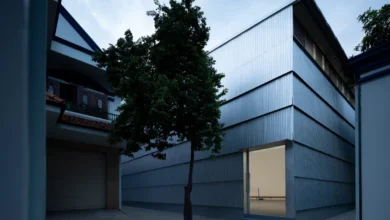
The exterior of the house, with its simple dark siding and angular roofline, gives little away to the street. It is a humble neighbor to the utility poles and overhead wires of the Osaka alleyway. Yet, this facade belies the depth of interiority underneath. It is a reminder that in an age of constant connectivity and public exposure, the most valuable thing an architect can build is a place to disappear.
As urban centers continue to densify globally, the lessons of Jonoya House—the celebration of joinery, the strategic use of vertical light, and the prioritization of the "inner world"—will likely influence a new generation of architects. Masakazu Tsujibayashi has demonstrated that even in the heart of a sprawling city, it is possible to create a space that allows one to not just survive, but to truly relax and live. Through the lens of photographer Yosuke Ohtake, the project stands as a testament to the enduring power of wood and the essential human requirement for a private sanctuary.