Fashion Revolution Week 2026: A Global Call for Justice and Sustainability in Fashion.

As April unfolds, the global spotlight once again turns to Fashion Revolution Week, the annual campaign orchestrated by Fashion Revolution, the world’s largest fashion activism movement. Running from April 22nd to the 28th, this year’s initiative marks a pivotal moment for collective action, urging both industry stakeholders and consumers to critically examine the origins and impacts of their clothing. Against a backdrop of persistent exploitation and evolving global challenges, the movement reaffirms its foundational principles, advocating for a fashion industry that prioritizes people and the planet over unchecked growth and profit.
The Genesis of a Movement: Remembering Rana Plaza
Fashion Revolution Week emerged from the profound tragedy of the Rana Plaza garment factory collapse in Dhaka, Bangladesh, on April 24, 2013. This catastrophic event, which claimed the lives of 1,138 people and injured over 2,500 more, laid bare the hidden human cost of fast fashion. The eight-story building, housing five garment factories, crumbled due to structural failures exacerbated by the immense pressure to meet production deadlines. The disaster sent shockwaves across the globe, exposing the perilous working conditions, exploitative labor practices, and systemic negligence embedded within the global supply chain of many major fashion brands.
In the immediate aftermath, a collective outcry for accountability and change galvanized activists, designers, academics, and concerned citizens worldwide. Fashion Revolution was formally established in the wake of this disaster, founded by Carry Somers and Orsola de Castro. Its core mission was clear: to unite people around the world to demand greater transparency and ethical conduct from the fashion industry. The iconic question, #WhoMadeMyClothes?, quickly became the movement’s rallying cry, empowering consumers to challenge brands directly and fostering a deeper connection to the individuals behind their garments.
A Decade of Activism: Milestones and Impact
Over the past decade, Fashion Revolution has evolved from a nascent response to a global force for change. Its annual week of action has grown in scope and influence, engaging millions across more than 100 countries. Key milestones and initiatives include:
- The Fashion Transparency Index: Launched in 2016, this annual report evaluates and ranks the world’s largest fashion brands and retailers based on their public disclosure of human rights and environmental policies, practices, and impacts across their supply chains. The index has become a crucial tool for driving corporate accountability, pushing brands to be more open about their manufacturing processes and labor conditions. In its inaugural year, the average score for transparency was notably low, highlighting the industry’s opacity. Subsequent editions have shown incremental improvements, yet significant gaps in disclosure, particularly regarding raw material sourcing and living wages, persist.
- Advocacy for Living Wages: Fashion Revolution has consistently campaigned for living wages for garment workers, emphasizing that current minimum wages in many producing countries are often insufficient to cover basic needs. Studies by organizations like the Asia Floor Wage Alliance and the Clean Clothes Campaign consistently reveal that garment workers, predominantly women, are trapped in cycles of poverty, unable to afford adequate housing, food, healthcare, or education for their families. A 2022 report by the WageIndicator Foundation, for instance, indicated that actual wages for garment workers in major production hubs like Bangladesh and Vietnam often fall significantly short of what would constitute a living wage.
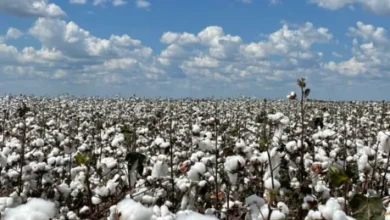
- Focus on Environmental Impact: Beyond labor rights, the movement has increasingly highlighted the fashion industry’s devastating environmental footprint. The industry is a significant contributor to climate change, accounting for an estimated 2-8% of global greenhouse gas emissions. It is also a major consumer of water (e.g., an estimated 2,700 liters of water to produce one cotton t-shirt) and a primary source of microplastic pollution from synthetic fibers. Campaigns like #WhatsInMyClothes have encouraged consumers to consider the material composition of their garments and their environmental implications.
- Global Community Building: Fashion Revolution has fostered a vast, decentralized network of country teams and volunteers, enabling localized activism and tailoring global messages to specific cultural and political contexts. This federated model has been instrumental in its reach and effectiveness.
The Global Fashion System: Challenges and Exploitation
The fashion industry, particularly its fast fashion segment, remains largely predicated on a model of relentless consumption and exploitation. The drive for ever-higher profits fuels a cycle of rapid production, leading to an estimated 100 billion garments produced annually. This high-volume, low-cost approach places immense pressure on supply chains, pushing factories to cut corners on safety, environmental standards, and worker wages.
The concentration of wealth and power within a few dominant corporations allows them to dictate terms to suppliers, often resulting in precarious employment, forced overtime, and a denial of basic labor rights. While brands at the top of the chain amass significant profits, the garment workers—over 80% of whom are women—who create these clothes often earn wages far below the poverty line, struggling to meet their fundamental needs. This disparity underscores a fundamental injustice: there can be no true sustainability in fashion without fair pay, safe working conditions, and respect for human rights. The concept of "greenwashing," where brands make unsubstantiated claims of environmental friendliness, also poses a significant challenge, diverting attention from core systemic issues.
Navigating a Shifting Landscape: Current Challenges and Strategic Adaptations
Fashion Revolution Week 2026 unfolds during a period of considerable flux and challenge for sustainability initiatives globally. Funding for ethical and environmental projects is increasingly scarce, while geopolitical crises—ranging from regional conflicts to global economic instability—are driving up operational costs for businesses and exacerbating hardships for vulnerable garment workers. Small, ethically-minded brands, often operating on thinner margins, find themselves particularly susceptible to these pressures, with many struggling to remain viable.
In response to these evolving dynamics, Fashion Revolution itself has undertaken a strategic restructuring. Earlier this year, the organization announced the closure of its UK headquarters, signaling a transition towards a "more federated, globally coordinated, and locally led next phase of the work." This move, while partly influenced by funding challenges, is presented as a strategic adaptation to strengthen the movement’s global reach and impact through a decentralized model. By empowering its country teams and local activists, Fashion Revolution aims to foster more resilient, community-driven advocacy efforts worldwide. This shift reflects a recognition that effective change often originates at the grassroots level, tailored to specific local contexts, while still benefiting from a globally coordinated vision. The organization’s leadership emphasizes that this is not a retreat but an evolution, designed to enhance its long-term sustainability and effectiveness.
Fashion Revolution Week 2026: Collective Action for Change
Despite the challenges, Fashion Revolution’s commitment to its core mission remains unwavering. The 2026 campaign reiterates a call to action rooted in connection, inquiry, and public engagement. As the organization states: "As a movement we’re going back to our roots, and we’re asking fashion revolutionaries to do the same. Seek connection, ask questions, and take to the streets – for both a better fashion industry and for future generations that follow in our footsteps." This year’s focus is firmly on the power of collective action, emphasizing that individual efforts, when aggregated, can drive significant systemic change.
The week provides numerous avenues for participation, both digital and physical:
Engaging with the Movement: How to Participate
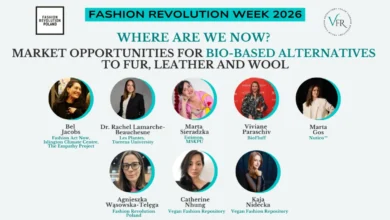
- Attend Events and Workshops: Across the globe, various conferences, exhibitions, and workshops are scheduled. These events, ranging from expert panels on supply chain transparency to practical upcycling workshops, aim to educate and inspire. Many will be accessible online, ensuring broad participation regardless of geographical location. Local organizers are also encouraged to host their own community gatherings, fostering direct engagement.
- Post on Social Media: #WhoMadeMyClothes and #WhatsInMyClothes: This remains one of the most impactful and accessible forms of activism. Participants are encouraged to take a selfie wearing their favorite clothes, tag the brand, and publicly ask #WhoMadeMyClothes? and #WhatsInMyClothes? This direct consumer-to-brand communication applies pressure on companies to be transparent about their manufacturing processes and material sourcing. By tagging @fash_rev, participants also help Fashion Revolution monitor brand responses and identify areas for further advocacy. The lack of a response or an evasive one can be as telling as a transparent answer, highlighting brands that still have work to do.
- Spread the Word: Fashion Revolution provides a comprehensive suite of promotional assets, including social media templates, posters, and official campaign branding packs. Downloading and sharing these resources helps amplify the message and draw more individuals into the movement, transforming awareness into collective action.
- Join the Conversation on Climate Change: The organization emphasizes the power of dialogue. Through its "Talk Climate Change" platform (talkclimatechange.org/fashionrevolution), individuals can map their conversations about the global impact of clothes, drawing inspiration from Fashion Revolution’s manifesto. This initiative aims to demonstrate the cumulative effect of interpersonal dialogue in shifting perspectives and driving broader societal change. Sharing experiences and insights with friends and family is presented as a fundamental step towards a more conscious consumer culture.
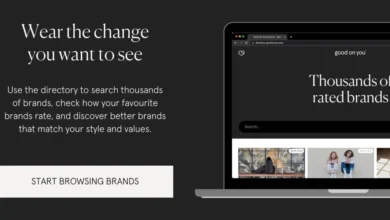
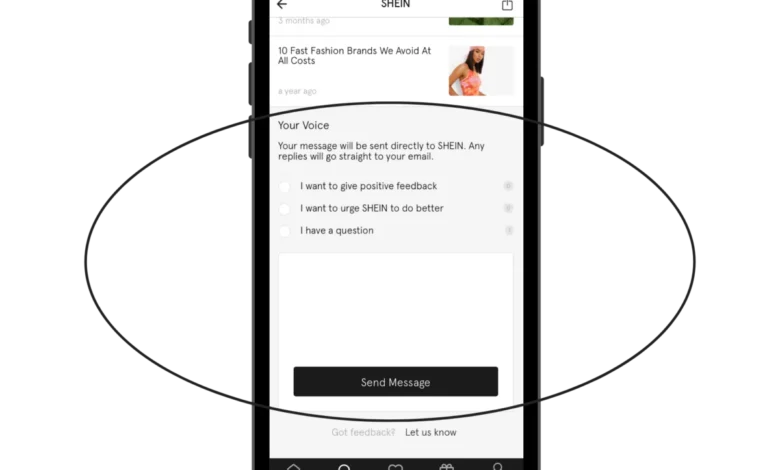
- Write to Your Favorite Brand: For a more direct approach, Fashion Revolution offers a PDF template to write a letter to brands, formally asking #WhoMadeMyClothes? This structured method provides a clear, actionable way for consumers to express their concerns and demand information. Furthermore, platforms like the Good On You app offer an integrated feature allowing users to send direct messages to brands. This function enables both critical feedback for brands lagging in ethical practices and positive reinforcement for those demonstrating exemplary commitment to sustainability and fairness. Users can access the "Your Voice" section within each brand’s listing on the app to send their messages, contributing to a continuous feedback loop that holds brands accountable.
The Road Ahead: Broader Implications and Future Outlook
The ongoing work of Fashion Revolution and the widespread participation in Fashion Revolution Week underscore a critical truth: the fashion industry is at a crossroads. While significant progress has been made in raising awareness and pushing for greater transparency since Rana Plaza, systemic issues of exploitation, environmental degradation, and unequal power dynamics persist. The challenges faced by sustainability initiatives and the strategic evolution of organizations like Fashion Revolution highlight the enduring need for vigilance, innovation, and collective action.
The shift towards a more federated, locally led model for Fashion Revolution could set a precedent for other global advocacy movements, demonstrating resilience and adaptability in a complex world. It emphasizes that true change often begins with empowered communities and localized solutions, reinforced by a unified global vision. The campaign serves as a powerful reminder that consumers hold significant power. By asking critical questions, demanding transparency, and supporting brands that align with ethical values, individuals can contribute to shaping a fashion industry that truly values people, planet, and animals. The ultimate goal is not merely to mitigate harm but to foster a regenerative and equitable fashion ecosystem where dignity, safety, and sustainability are non-negotiable standards, ensuring a more just and resilient future for all.
Related posts: