Vibrant English Summer Wedding Editorial at Hopton Court Showcases Modern Seasonal Trends and Sustainable Design Concepts

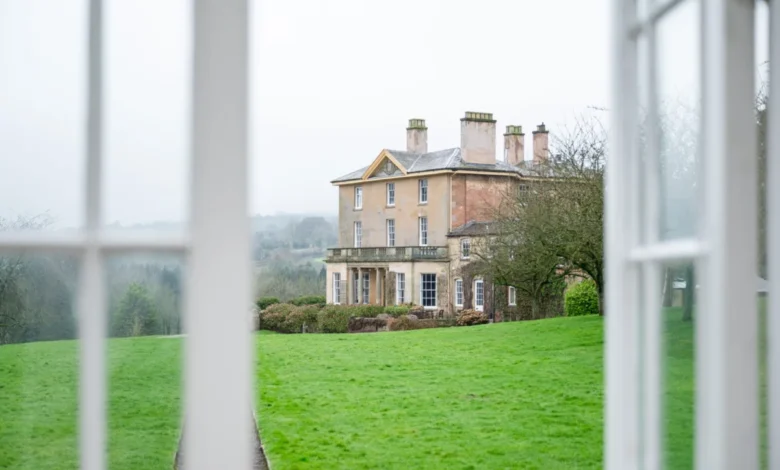
The recent unveiling of a meticulously curated wedding editorial at Hopton Court in Shropshire has provided a comprehensive blueprint for the modern English summer celebration, emphasizing a shift toward bold color palettes and multi-functional floral design. Orchestrated by photographer, planner, and videographer Chloe Bolam, the project serves as a technical showcase of how historic architectural settings, such as Victorian orangeries, can be revitalized through contemporary styling. The editorial highlights a departure from the muted pastel tones that have dominated the wedding industry for the past decade, opting instead for a high-saturation scheme of pinks, sunshine yellows, and warm oranges. By integrating natural elements like citrus fruits with high-end bridal fashion, the team behind the shoot has demonstrated a versatile approach to luxury event design that balances editorial grandeur with practical, DIY-friendly applications for couples.
The Architectural Significance of the Hopton Court Setting
Central to the success of the editorial was the selection of Hopton Court as the primary location. Situated in the tranquil Shropshire countryside, Hopton Court is an estate characterized by its sprawling acreage of woodland and rolling hills, offering the seclusion frequently sought by high-end wedding clients. However, the focal point of this specific production was the estate’s Victorian Orangery.

Architecturally, the Victorian Orangery represents a bridge between indoor comfort and the natural world. These structures, originally designed to protect citrus trees during British winters, have become increasingly popular in the luxury wedding market due to their floor-to-ceiling glass panels and abundant natural light. From a photographic perspective, the glasshouse environment provides a unique set of challenges and opportunities. The high light transmission allows for the vivid colors of the floral arrangements to be captured with high fidelity, while the historic masonry provides a neutral, textured backdrop that prevents the bold color palette from becoming overwhelming.
The venue’s location in the West Midlands places it within a competitive regional wedding market. According to industry data, the demand for "blank canvas" historic venues has risen by 15% over the last three years, as couples prioritize customization over pre-packaged hotel ballroom settings. Hopton Court’s ability to offer both the grandeur of a country house and the specialized aesthetic of the Orangery positions it as a key player in this evolving landscape.
Technical Analysis of Bridal Fashion and Aesthetic Integration
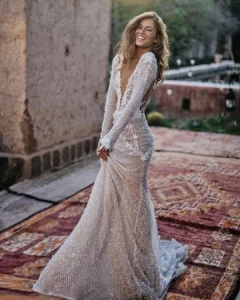
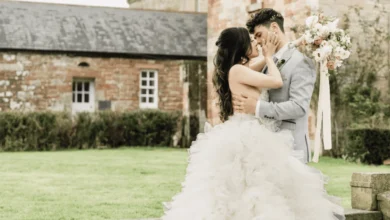
The editorial featured the "5th Avenue" gown by Dando London, provided by the specialist boutique Gatehouse Brides. The selection of this specific garment reflects a keen understanding of current bridal silhouettes. The dress features a gentle A-line silhouette, a design choice that offers a balance between traditional volume and modern movement.

Several technical details of the gown align with 2024-2025 bridal trends:
- Square Neckline: A resurgence of 1990s-inspired minimalism that provides a structured, modern frame for the bride.
- Beaded Lace and Sparkle Underlay: The use of an embellished lace overlay coupled with a sparkle underlay is designed to interact with the high-intensity light found in glasshouse settings, creating a dynamic visual effect as the wearer moves.
- Low Back and Long Train: These elements provide the necessary "editorial drama" required for high-fashion wedding photography, ensuring the bride remains the focal point amidst vibrant decor.
The styling of the gown was intentionally kept clean to allow the intricate beadwork to complement, rather than compete with, the surrounding floral density. This strategic balance is a hallmark of professional wedding planning, where the "hero" element—the bride—must be harmonized with a complex environment.
Innovation in Floral Design and the Concept of Reusability
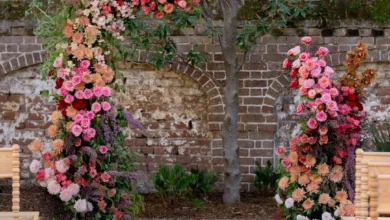
Floristry served as the structural backbone of the editorial, with Olive Owl Flowers executing a concept rooted in "Summer Maximalism." The design moved away from the traditional tight bouquet and centerpiece, opting instead for freestanding floral columns. These columns were composed of a variety of blooms in the core palette of orange, pink, and yellow, utilizing height and organic shapes to mimic the growth patterns of a summer garden.

A significant takeaway from this editorial is the professional recommendation regarding floral reusability. Chloe Bolam noted that one of the most effective ways for couples to maximize their floral investment is to design arrangements that can be transitioned throughout the wedding day. The freestanding columns used in the Orangery were designed to be mobile, allowing them to serve as a ceremony backdrop, a frame for the wedding cake, or decor for the dining area.
This approach addresses a growing concern in the wedding industry: sustainability and waste. By creating versatile displays that serve multiple purposes, the ecological footprint of the event is reduced, and the visual impact is maintained across different segments of the celebration. The inclusion of a "floral crown" cake stand further emphasized this theme, integrating the pastry work of Lesley Walter Cake Design into the broader botanical narrative.
Tablescape Composition and the "Citrus Decor" Trend
The dining setup, curated with supplies from Little Cheshire Weddings, showcased a sophisticated blend of textures and artisanal details. The tablescape utilized rattan placemats to introduce a natural, rustic texture that grounded the more delicate elements, such as scallop-edged plates and pink glassware.

A standout feature of the table design was the integration of hand-painted candles by The Emerald Fox. Hand-painted wedding details have seen a surge in popularity on social media platforms, as they offer a bespoke element that cannot be mass-produced. These candles featured motifs that echoed the floral and citrus themes of the shoot, providing a cohesive visual thread.
The use of fruit as a primary decorative element—specifically oranges, lemons, and grapefruits—serves both an aesthetic and a functional purpose.
- Color Saturation: Fresh fruit provides a depth of color that is difficult to replicate with synthetic materials.
- Sensory Experience: The scent of sliced citrus contributes to the "luxury summer" atmosphere, engaging the olfactory senses of the guests.
- Cost-Effectiveness: Fruit is a relatively inexpensive way to fill space on a long banquet table compared to high-end floral stems, offering a "DIY" opportunity for couples to achieve a high-end look on a budget.
Stationery and Personalization in Modern Weddings
The editorial’s stationery, produced by Jess Bolam Art of Bolam Designs, utilized watercolor techniques to reinforce the citrus theme. The use of watercolor is a deliberate choice in wedding branding, as it suggests a softness and an artisanal quality that aligns with the "English Garden" aesthetic.

The place names were paired with individual pieces of fruit, a detail that serves as both a seating guide and a small, organic gift for the guest. This level of personalization is increasingly important in the current market, where the "guest experience" is often ranked as a top priority for couples. According to recent consumer surveys, 62% of couples now look for ways to make their wedding feel "unique and non-traditional," and the integration of natural, non-floral elements into stationery is a primary method for achieving this.
Broader Implications for the UK Wedding Industry
The Hopton Court editorial arrives at a time when the UK wedding industry is navigating a transition. Following the pandemic-induced "wedding boom," the market has stabilized, but consumer preferences have shifted toward more intentional, highly styled events. The industry is currently valued at approximately £14.7 billion annually in the UK, with the average spend per wedding rising as couples opt for fewer guests but higher quality experiences.
This shoot highlights several key shifts that are likely to define the 2025 season:

- The End of Minimalist White: The move toward vibrant, "dopamine-inducing" colors suggests a desire for celebration and joy after years of neutral trends.
- Glasshouse Venues as Premium Spaces: Orangeries and conservatories are being positioned as the ultimate luxury venue due to their weather-proof nature and superior lighting.
- The Multi-Hyphenate Creative: The role of Chloe Bolam as planner, photographer, and videographer reflects a trend toward streamlined creative direction, where a single vision governs every visual aspect of the day.
In summary, the English summer wedding at Hopton Court is more than a collection of aesthetic choices; it is a calculated demonstration of how to merge historic British elegance with modern, vibrant design. By focusing on color theory, sustainable floral practices, and sensory-rich table settings, the editorial provides a sophisticated roadmap for the future of seasonal celebrations in the Shropshire region and beyond. The collaboration between local artisans and high-end designers underscores the strength of the regional wedding economy and the enduring appeal of the English countryside as a premier destination for luxury nuptials.