Target Inaugurates $265 Million Upstream Receive Center in Houston to Revolutionize Supply Chain Efficiency

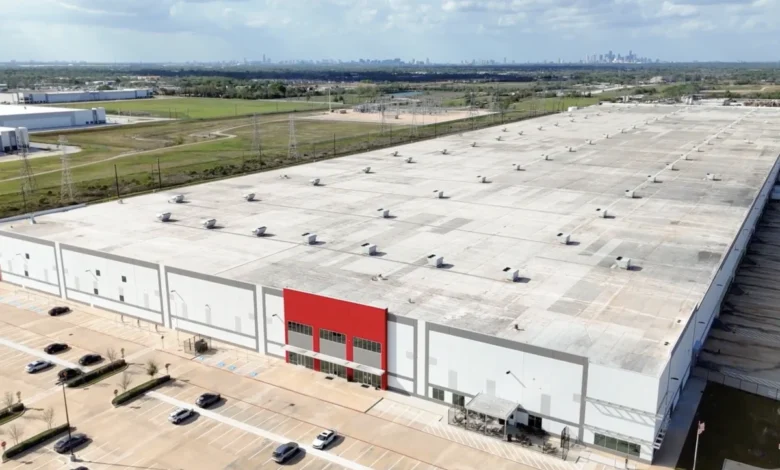
Target has officially opened its innovative upstream "receive center" in Houston, Texas, marking a significant strategic investment aimed at bolstering the retail giant’s supply chain capabilities. This sprawling 1.2-million-square-foot facility, built at a cost of $265 million, commenced operations on Wednesday, representing a pivotal shift in how Target manages its inventory of select imported goods. Designed to add critical storage capacity earlier in the supply chain, the center will directly accept product shipments from Target’s global vendors, holding them strategically until they are required downstream by distribution centers and retail stores. This proactive approach is specifically tailored to prevent overcrowding in existing logistics infrastructure and ensure a more fluid, demand-driven replenishment of inventory, particularly for items characterized by seasonality, bulkiness, forecasting challenges, or extended lead times.
Strategic Rationale Amidst Global Supply Chain Shifts
The opening of the Houston receive center comes at a time when global supply chains are still recalibrating from unprecedented disruptions witnessed over the past few years. The COVID-19 pandemic exposed significant vulnerabilities in traditional just-in-time inventory models, leading to widespread port congestion, manufacturing delays, and subsequent stockouts that impacted retailers worldwide. More recent geopolitical events and logistical challenges, such as those affecting major shipping lanes, continue to underscore the need for greater resilience and flexibility in retail operations. For Target, this investment signifies a decisive move towards a more robust and responsive supply chain architecture. By establishing an "upstream" holding facility, the company aims to create a crucial buffer that mitigates the "bullwhip effect"—where minor fluctuations in consumer demand can lead to amplified order variations further up the supply chain. This strategic inventory positioning allows Target to secure popular items, such as trending toys for the holiday season, well in advance, ensuring product availability and a competitive assortment that directly responds to evolving consumer preferences and seasonal peaks. This approach not only enhances inventory visibility but also provides a critical safeguard against future market volatility and unforeseen logistical hurdles, solidifying Target’s commitment to consistent product availability for its millions of customers.
Facility Mechanics and Operational Integration
The Houston receive center is meticulously engineered to serve as a critical intermediary node within Target’s vast logistics network. Its primary function is distinct from traditional distribution centers; instead of rapid throughput for immediate dispatch, it focuses on strategic inventory holding. This allows Target to pull goods into its U.S. network without the immediate pressure of allocating them to specific stores or regions, offering unparalleled flexibility. The facility is poised to service six regional distribution centers and one flow center, acting as a central hub that feeds these downstream operations. When goods are needed, the center employs sophisticated dispatch mechanisms: full pallets can be loaded directly into outbound trailers for large-volume transfers, or products can be routed through an advanced sortation system for consolidation before being loaded into trailers, optimizing efficiency and load density.
The geographical placement of the Houston center is strategically significant. It complements Target’s existing import warehouses located in Georgia and Washington, which primarily handle ocean-borne containers entering the U.S. through major coastal gateways such as the Ports of Savannah, Seattle, and Tacoma. While those facilities play a similar role in managing import flow, the Houston site adds regionally based capacity in a centralized U.S. location. This strategic distribution reduces the overall distances products must travel, leading to lower transportation costs and faster transit times to various distribution centers across the country. This multi-nodal approach creates a more balanced, cost-effective, and resilient supply chain footprint, allowing Target to navigate the complexities of national distribution with enhanced agility.
Technological Innovation in Design and Implementation
A hallmark of the Houston receive center’s development is Target’s pioneering use of advanced technology in its design and implementation phases. The entire blueprint of the warehouse was conceived and refined using cutting-edge 3D visualization and simulation technology, developed and tested at the retailer’s XR Experience Center in Minneapolis. This innovative approach allowed Target’s supply chain teams to construct a comprehensive digital twin of the facility long before any physical construction commenced. Lisa Sizemore, Target’s director of supply chain design and implementation, emphasized the groundbreaking nature of this process, noting it was the first time the technology was utilized "end to end" to create such an "informative and influential 3D digital model."
This virtual environment proved invaluable for "pressure testing" various layouts, operational processes, and material flow scenarios. Teams could simulate real-world conditions, identify potential bottlenecks, and optimize workflows with unprecedented precision. A notable example involved the design of the sortation system. Initial designs incorporating a single divert arm raised concerns regarding inventory quality, jam potential, and maintenance accessibility. Through iterative simulation and feedback, the team developed an alternate design featuring two independent line sorters. This revised configuration not only addressed the initial concerns but also optimized space utilization, taking up a smaller footprint than typical automated sortation systems in Target’s logistics network. The meticulous virtual planning and optimization led to tangible benefits, including an estimated savings of nearly $700,000 in construction costs for the sortation system alone.
Furthermore, this technological approach extends beyond initial design. Since the Houston receive center commenced inbound operations, data collected during the ramp-up period is being fed back into the simulation models. Jordan Kirkland, a senior director of distribution at Target, elaborated on this continuous improvement cycle: "By using data obtained from the physical system back into the models, we can calibrate these models and make them more accurate over time. As we open future facilities, we have that intelligence to reference and then have that next site be even better." This commitment to data-driven refinement ensures that each subsequent logistics investment benefits from accumulated insights, driving incremental improvements across Target’s evolving supply chain network.
Broader Supply Chain Investments and Future Outlook
The Houston receive center is not an isolated project but a critical piece within Target’s expansive, multi-year strategy to significantly enhance and modernize its entire supply chain infrastructure. This overarching initiative is driven by the imperative to accelerate delivery times, improve inventory accuracy, and ultimately deliver a seamless and superior customer experience in an increasingly competitive retail landscape. Target has been aggressively expanding its logistics capabilities, particularly its network of sortation centers. From just three operational sortation centers in 2022, the company has rapidly scaled up to 11 nationwide. The ambitious plan is to further increase this number to 15 by the end of 2026, backed by a substantial $100 million investment. These sortation centers are crucial for optimizing last-mile delivery, facilitating faster and more efficient product movement from distribution points to customers’ doorsteps.
The positive impact of these strategic investments is already evident in key performance indicators. In the fourth quarter of the previous year, same-day deliveries at Target witnessed an impressive 30 percent annual jump, building on a robust more than 25 percent increase recorded in the preceding year. This demonstrates the growing efficacy of Target’s integrated logistics network. Looking ahead, the retailer is further cementing its commitment to rapid fulfillment by expanding its next-day delivery capabilities to 20 new U.S. metro areas this spring. This comprehensive strategy, which integrates upstream receive centers like Houston with advanced sortation capabilities and expanded rapid delivery options, positions Target to maintain agile and responsive operations, capable of adapting to fluctuating consumer demands and market dynamics while sustaining a competitive edge in the evolving retail landscape.
Economic and Regional Impact
The establishment of the Houston receive center carries significant economic implications for the region. The facility is projected to create 185 new jobs, adding valuable employment opportunities within the logistics and supply chain sectors. These new positions will augment Target’s already substantial footprint in the Houston metropolitan area, where the company currently employs over 6,300 team members across its 40 local stores and existing sortation center. The $265 million investment in infrastructure development directly stimulates the local economy through construction contracts, the procurement of ancillary services, and increased tax revenues for the city and state.
Houston’s selection as the site for this crucial facility further solidifies its reputation as a premier logistics and distribution hub within the United States. Its central geographic location, robust multimodal transportation infrastructure—including major interstate highways, extensive rail networks, and proximity to Gulf Coast ports—combined with a skilled workforce, makes it an ideal choice for such large-scale and strategically important operations. This strategic placement ensures that the facility can efficiently serve a vast regional market, contributing significantly to the broader economic vitality of Texas and enhancing the state’s critical role in national commerce and global trade. The presence of such a sophisticated logistics center also attracts further investment and talent, fostering a dynamic environment for growth in the supply chain industry within the region.
Industry Implications and Competitive Landscape
Retail analysts view Target’s proactive and substantial investments in its supply chain, particularly through facilities like the Houston receive center, as a critical strategy for maintaining a strong competitive position in the dynamic retail market. In an era dominated by e-commerce giants and intense competition from other big-box retailers, the ability to effectively manage inventory, control costs, and ensure rapid, reliable delivery is paramount. By securing inventory earlier in the supply chain and optimizing its movement, Target can achieve better cost efficiencies, reduce lead times, and significantly enhance customer satisfaction—factors that are increasingly crucial for consumer loyalty.
This strategic foresight not only builds resilience against future disruptions but also fosters greater operational efficiency, allowing Target to allocate resources more effectively across its diverse retail channels. The iterative design and operational refinement process, as highlighted by Jordan Kirkland, underscores a commitment to continuous improvement that is vital for long-term success in the complex logistics landscape. This approach of leveraging data from physical operations to calibrate and improve future designs ensures that each new investment builds upon previous learnings, driving systematic optimization across Target’s entire logistics network. The move signals a broader trend within the retail industry towards sophisticated, data-driven supply chain architectures that prioritize speed, accuracy, and adaptability to meet the ever-evolving demands of the modern consumer.
In sum, Target’s inauguration of the Houston receive center represents more than just the opening of a new warehouse; it is a sophisticated logistical anchor designed to fortify its supply chain against future disruptions, enhance inventory responsiveness, and ultimately deliver a seamless and reliable shopping experience for its millions of customers. This significant investment underscores Target’s strategic vision for a resilient, efficient, and technologically advanced retail future, positioning the company at the forefront of modern supply chain innovation.