The Economic Context of the Gold Surge
The motivation behind the fine jewelry capsule wardrobe is deeply rooted in the current performance of precious metals on the global market. In 2024, gold spot prices hit record-breaking milestones, driven by geopolitical instability, central bank acquisitions, and persistent inflationary pressures. Unlike "costume" or "fashion" jewelry, which is typically composed of base metals like brass or copper with a thin layer of gold plating, fine jewelry made of 10-karat, 14-karat, or 18-karat gold retains a "melt value."
Financial data suggests that while the retail markup on jewelry includes labor and branding, the raw material—gold—serves as a hedge against currency devaluation. For consumers, the math is becoming increasingly clear: spending $50 on a gold-plated necklace that will tarnish and lose all value within a year is a net loss. Conversely, investing $500 in a solid 14-karat gold chain provides an asset that can be liquidated or traded in the future. This shift in mindset is transforming the jewelry box from a collection of trinkets into a portable portfolio of hard assets.
The Philosophical Shift: Quality Over Quantity
The concept of a capsule wardrobe originated in the 1970s with Susie Faux and was later popularized by designers like Donna Karan. It centers on the idea of owning a small collection of essential items that don’t go out of style and can be augmented with seasonal pieces. Applying this to jewelry requires a disciplined approach to curation.
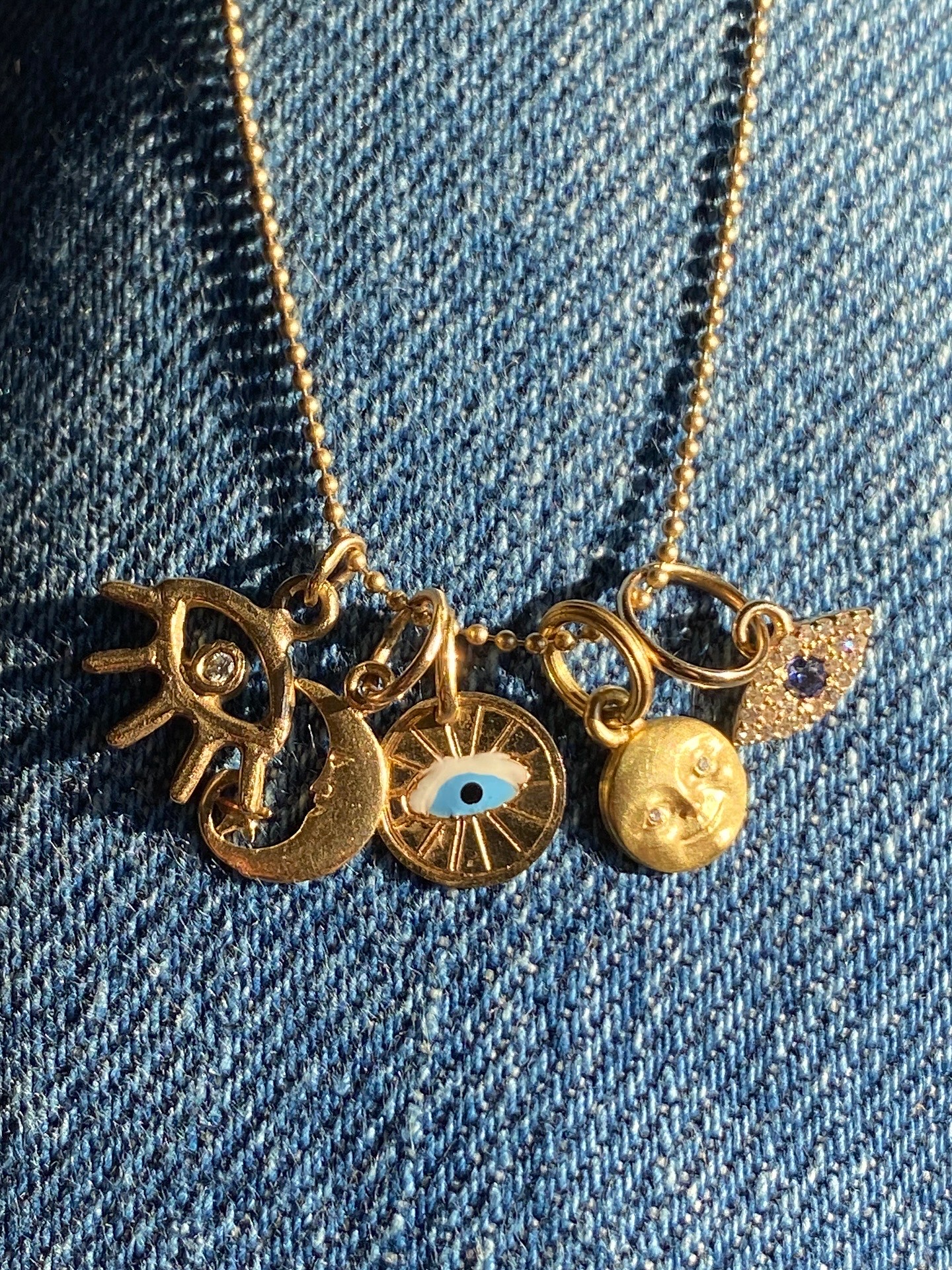
Experts argue that a fine jewelry capsule is the "basis" of a personal brand. It eliminates the decision fatigue associated with over-accessorizing and ensures that every piece worn is of the highest possible caliber. A well-constructed capsule does not imply a "minimalist" or "boring" aesthetic; rather, it focuses on "staple" pieces that reflect the wearer’s unique identity while adhering to standards of durability and material purity.
A Five-Step Framework for Building a Jewelry Portfolio
For individuals looking to transition from ephemeral fashion to investment-grade jewelry, a structured approach is recommended to ensure capital is deployed effectively.
1. Categorical Inventory and Assessment
The first step involves identifying which categories of jewelry are most frequently utilized. A standard framework includes necklaces, earrings, bracelets, and rings. However, the journalistic consensus among style consultants is that one should not invest in categories they do not naturally enjoy wearing. If an individual finds bracelets cumbersome for daily work, that category should be deprioritized in favor of rings or earrings.
2. Style Identification and Visualization
Before making a purchase, it is vital to define a personal "style DNA." This involves moving beyond trends to identify shapes and forms that have historical longevity. For instance, while "chunky" chains may trend for a season, certain link styles—such as the Mariner, Figaro, or Box chain—have remained relevant for decades. Creating a visual mood board of these "forever" pieces helps prevent impulsive purchases of items that may lose their stylistic appeal.

3. Sourcing and Quality Verification
Investment jewelry must be verified for its gold content. In the United States, the Federal Trade Commission (FTC) requires jewelry to be hallmarked (e.g., 14K, 585, 18K, 750) to indicate its purity. Consumers are encouraged to source from reputable brands and dealers who utilize natural gemstones and solid karat gold. Understanding the difference between "gold-filled," "gold vermeil," and "solid gold" is crucial; only solid gold offers the long-term value retention required for a true capsule wardrobe.
4. Strategic Phasing and Cost-Averaging
Building a fine jewelry collection is a capital-intensive endeavor. Experts recommend a phased approach, ranking the desired pieces by importance and utility. By purchasing one high-quality piece every six months or once a year, consumers can "cost-average" their investment relative to the fluctuating spot price of gold. This prevents the financial strain of attempting to buy a full collection at once and allows for deeper research into each piece’s craftsmanship.
5. Seasonal Rotation and Asset Management
Once the foundation is built, the collection can be managed like any other asset class. Seasonal rotations allow for the inclusion of "trend" pieces—perhaps in silver or lower-karat alloys—without compromising the core capsule. Furthermore, because fine jewelry retains value, owners have the option to sell or trade pieces that no longer fit their lifestyle, using the proceeds to "upgrade" to more substantial items.
Essential Components of a Modern Fine Jewelry Capsule
While personal taste varies, industry standards suggest several "anchor" pieces that provide maximum versatility and value.

The Foundation: Necklaces and Chains
Necklaces serve as the focal point of most jewelry ensembles. A robust capsule typically includes:
- The Long Solid Chain: A 20-inch or longer chain in a durable link like a Mariner or Box style. This serves as a primary vehicle for pendants or can be worn alone.
- The Statement Chain: A thicker, often semi-hollow link that provides visual weight without excessive cost, suitable for formal occasions.
- The Simple Daily Chain: A short, delicate Figaro or cable link for "barely-there" elegance.
- The Unique Specialty Link: An enamel-accented or fancy link chain that adds a distinct character to the collection.
The Framework: Earrings
Earrings frame the face and are often the most visible part of a jewelry wardrobe.
- The Gold Hoop: A "perfect" pair of medium-sized hoops is considered the most versatile jewelry item in history.
- Secondary Studs: For those with multiple piercings, simple gold studs or small gemstones provide a cohesive look.
- Geometric Statements: A pair of dangles or architectural earrings for elevated styling.
The Ornamentation: Rings and Bracelets
Rings and bracelets are "high-wear" items that require significant durability.
- The Signet Ring: Historically used as a seal of identity, the signet ring (especially antique baby signets used as pinky rings) remains a staple of "quiet luxury."
- Stacking Bands: Simple gold bands that can be layered to change the look of the hand.
- The Line Bracelet: Whether a classic diamond "tennis" bracelet or a unique all-gold version, the line bracelet provides a continuous stream of light and metal on the wrist.
Market Implications and Industry Response
The jewelry industry is responding to this "capsule" movement by shifting production away from mid-market plated goods toward "attainable luxury" in solid gold. Retailers are reporting an uptick in sales for 10k and 14k gold items as younger demographics, particularly Millennials and Gen Z, prioritize sustainability and resale value.

"We are seeing a rejection of the ‘disposable’ culture," says one retail market analyst. "Consumers would rather have one $800 ring they can wear for 40 years than twenty $40 rings that turn their fingers green. This is a return to the traditional ‘heirloom’ mentality, but with a modern, curated twist."
Furthermore, the rise of "circular jewelry" markets—platforms where pre-owned fine jewelry is authenticated and resold—has provided a safety net for these investments. The liquidity of gold jewelry ensures that even if a style becomes outdated, the material itself remains a globally recognized form of currency.
Conclusion: The Broader Impact of Curation
The movement toward a fine jewelry capsule wardrobe represents a broader cultural shift toward intentionalism. In an era of rapid consumption, the act of slowly building a collection of solid gold pieces is both a stylistic statement and a defensive financial strategy. It acknowledges that while fashion is fleeting, the value of precious metals is enduring.
By focusing on quality, verifying material purity, and adhering to a strategic acquisition plan, consumers can insulate themselves from the losses associated with "cheap junk" while building a legacy of wearable wealth. As gold prices continue their upward trajectory, the transition from a cluttered box of tarnishable trinkets to a streamlined capsule of karat gold is proving to be one of the most prudent "lifestyle investments" of the modern age. Through this lens, jewelry is no longer just an accessory; it is a testament to the enduring value of craftsmanship and the strategic preservation of capital.