The Evolution of Symbolic Adornment A Comprehensive Analysis of the Gem Gossip Designer Key Collaboration Series

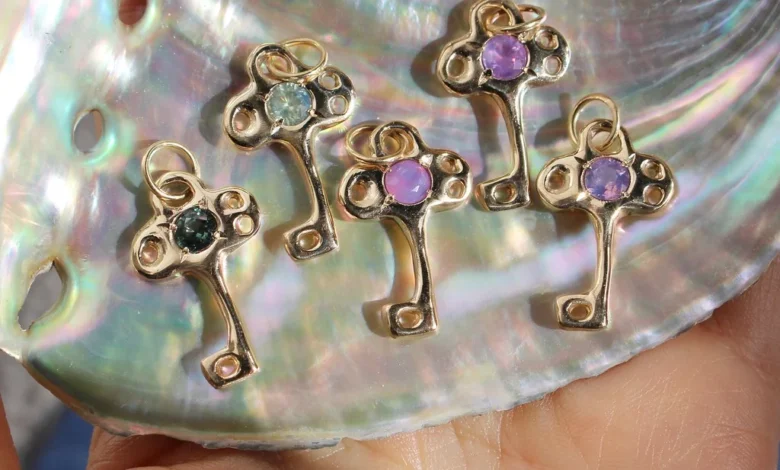
The contemporary jewelry market has witnessed a significant shift toward talismanic and symbolic motifs, a trend punctuated by the emergence of curated designer collaborations that bridge the gap between historical sentiment and modern craftsmanship. At the forefront of this movement is a specialized series of key-themed jewelry collaborations spearheaded by industry expert Danielle Miele of Gem Gossip. This initiative, which has evolved from a personal collection into a structured "Official Checklist" of limited-edition releases, represents a strategic intersection of artisanal design, niche marketing, and the enduring appeal of the key as a universal symbol of transition, mystery, and personal milestones.

The resurgence of the key motif in fine jewelry is not merely a stylistic choice but a reflection of broader consumer behavior. Market data indicates a growing demand for "storytelling jewelry"—pieces that carry intrinsic meaning beyond their material value. By partnering with a diverse roster of independent designers, this project has effectively revitalized a classic form that was previously dominated by vintage markets or mass-produced legacy brands. The collaboration model employed here prioritizes the "native design elements" of each artisan, ensuring that every piece serves as a signature of the designer’s unique technical prowess while adhering to a cohesive thematic framework.
The genesis of this series can be traced to a gap in the luxury market. While vintage key charms remain highly sought after at auction, contemporary iterations often lack the intricacy and varied gemstone integration found in historical pieces. This realization led to a chronological rollout of collaborations, beginning with Kimberly Doyle Jewelry. This inaugural project established the blueprint for the series: a limited production run—in this case, 30 units—packaged in a manner that enhanced the unboxing experience, utilizing a "Karat Jack" concept reminiscent of vintage prize-packaging. Technically, the Doyle collaboration introduced the use of moonstones set in a North-South orientation, a subtle but intentional design choice that provided a modern edge to the traditional charm.

Following the initial success, the series expanded to include the "Celestial Key," a design that serves as a case study in market-driven recreation. Inspired by a lost auction item, this piece utilized cabochon-cut sapphires, emeralds, and aquamarines. The strategic decision to scale down the proportions from the original vintage inspiration reflects a modern preference for wearable, stackable charms. This specific release also highlighted the "scarcity model," with strict limitations of 20 emerald, five sapphire, and five aquamarine units, a tactic that has consistently driven high sell-through rates within the collector community.
In the summer of 2024, the collaboration with Sister Sister Jewelry introduced the "Danielle" seashell key, which integrated maritime aesthetics with the brand’s mission of highlighting feminine resilience. This piece demonstrated the versatility of the key motif, proving it could be adapted to seasonal themes without losing its core identity. Although the initial run of 20 units was retired, the brand’s move toward offering gemstone-customized versions indicates a shift toward the "bespoke-lite" model, allowing for consumer input while maintaining the integrity of the original design.

The middle phase of the series saw a pivot toward made-to-order and restockable models, as seen in the Yi Collection and Vance Davidson Jewelry collaborations. The Yi Collection sapphire key, released in June 2024, adopted a made-to-order approach, mitigating the risks associated with inventory overhead while maintaining exclusivity through a three-week production lead time. Conversely, the Vance Davidson collaboration leveraged the "Rooted Collection" aesthetic, utilizing opalescent and milky sapphires. The subsequent introduction of antique Old Mine Cut diamonds into this design highlights a growing trend in the industry: the repurposing of historical stone cuts in contemporary settings to appeal to the "new vintage" enthusiast.
Technical innovation reached a peak with the inclusion of designers like Svetlana Lazar and Twyla Dill. Lazar’s contribution, the "Wishing Well" key, utilizes a proprietary setting technique that creates an optical illusion of movement beneath the gemstone, mimicking the appearance of water. This integration of optical science into jewelry design underscores the project’s commitment to high-level craftsmanship. Similarly, the "Golden Crochet Lace" key by Twyla Dill represents a unique metallurgical process. Dill’s technique involves hand-crocheting lace patterns which are then cast into solid gold through a specialized mold-making process. This transformation of a textile medium into a precious metal medium serves as a significant point of differentiation in a crowded market.

The most recent additions to the checklist, such as the Olivve NYC sequin key and the LeConte Jewelry "Vanity" key, further explore the boundaries of the motif. The Olivve NYC design utilizes sequin-inspired goldwork, while LeConte Jewelry, led by designer Eunmi Han, applies a fine-art perspective to gem-setting. Han’s "Vanity" collection frames gemstones as if they were museum-grade paintings, an approach that elevates the gemstone from a mere component to the primary subject of a narrative. The rapid sell-out of the "Vanity" key—noted as being in "record time"—provides empirical evidence of the market’s appetite for high-concept, art-driven jewelry.
From an industry analysis perspective, the success of this series can be attributed to several key factors. First is the "Limited Batch" strategy. By retiring designs once they sell out, the organizers create a secondary market desire and a sense of urgency among buyers. This model mirrors the "drop" culture seen in high-end streetwear and luxury fashion, which has now firmly embedded itself in the fine jewelry sector. Second is the "Ethos-Driven Selection." Each designer was selected not just for their aesthetic, but for their brand values and standing within the jewelry community. This creates a halo effect, where the reputation of the curator and the designer reinforce one another.

Furthermore, the project serves as a vital platform for independent designers. In an era where large conglomerates dominate the jewelry landscape, collaborations of this nature provide smaller studios with significant exposure and access to a dedicated collector base. The "Official Checklist" acts as a historical record, documenting the evolution of these partnerships and providing a roadmap for future collectors.
The broader implications of this project suggest a permanent shift in how jewelry is consumed. Modern collectors are increasingly moving away from mass-market luxury toward pieces that offer a sense of discovery and personal connection. The key, as a motif, is perfectly positioned to satisfy this need. Historically, keys represented the "keys to the kingdom" or the "key to one’s heart," but in the context of this modern collaboration, they represent the "key to the craft"—a celebration of the intricate skills required to transform raw materials into symbolic artifacts.

As the series moves into 2025, with upcoming batches and restocks planned for the Twyla Dill and LeConte Jewelry designs, the project shows no signs of stagnation. The continued demand for these pieces indicates that the market for symbolic, designer-led jewelry is robust. The "Sun Keeper" key by Mejia Jewelry, which utilizes rare stones like yellow beryl and sunstone, suggests that future iterations may lean even more heavily into rare gemology, further enticing the sophisticated collector.
In conclusion, the Gem Gossip Designer Key Collaboration Series is more than a collection of charms; it is a strategic masterclass in niche branding and artisanal advocacy. By maintaining a strict adherence to size and cost rules while allowing for radical creative freedom within those parameters, the project has established a new standard for jewelry collaborations. It honors the historical significance of the key while pushing the boundaries of what modern jewelry can represent, ensuring that these pieces will be as coveted by future generations of vintage hunters as the original inspirations were by the curators of today. The "Official Checklist" stands as a testament to the power of a well-executed motif and the enduring allure of the "larger than life" aura that only fine jewelry can provide.